Lash AQL Inspection: 7 Proven Wholesale Order Checks
Share
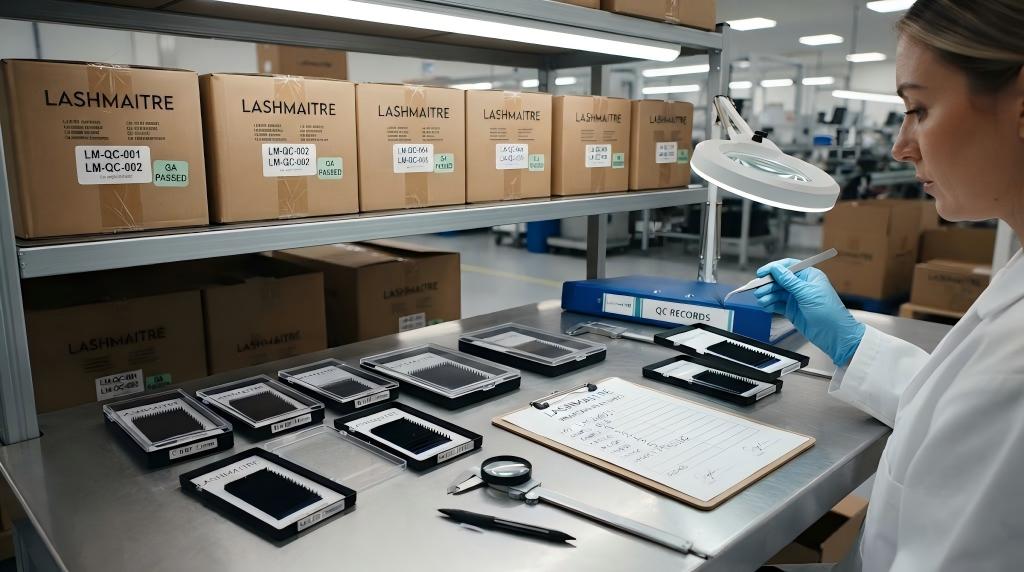
A lash AQL inspection plan must define the inspection lot, sampling method, inspection level, defect classes, acceptance and rejection rule, product tests and release action before inspection begins. A supplier-selected photo set or a few convenient trays is not random acceptance sampling and should not be presented as an AQL result.
Lash AQL Inspection Buyer Summary
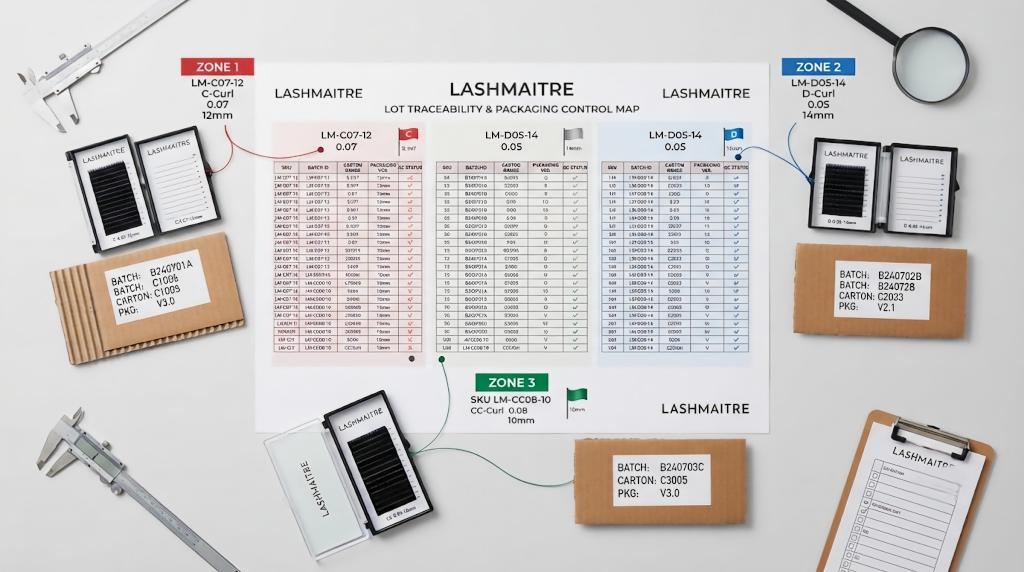
- Define one inspection lot by SKU, batch, packaging version and completed quantity.
- Select samples across cartons and positions rather than from one prepared box.
- Agree what counts as critical, major and minor before defects are found.
- Link checks to the approved sample and written specification.
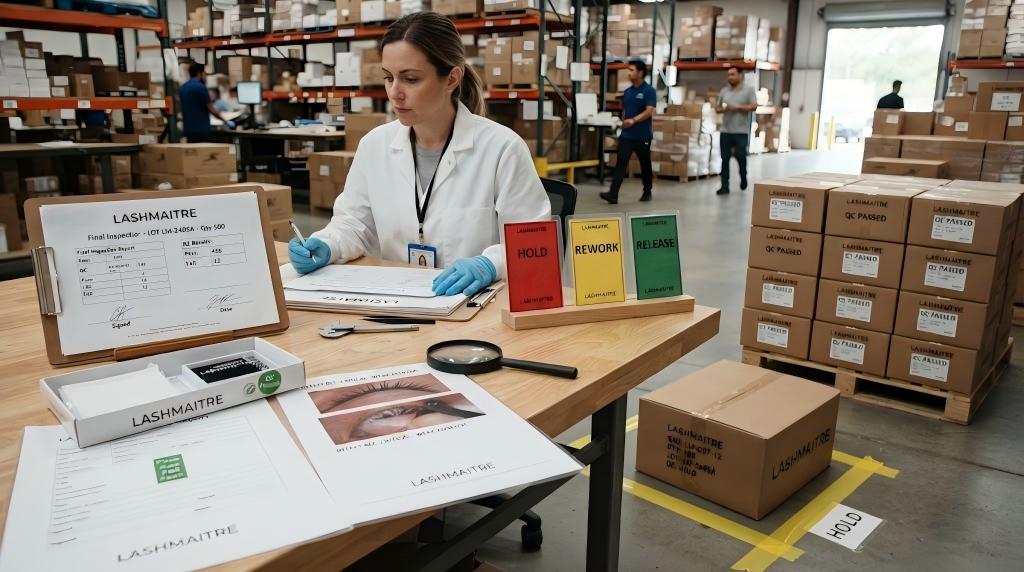
- Record pass, hold, sorting, rework, reinspection or rejection as separate decisions.
The ISO 28590 introduction to the ISO 2859 series describes the family of standards used for sampling inspection by attributes. This article explains buyer planning principles; it does not reproduce the paid standard or prescribe one universal AQL value for every lash product.
What Is a Lash AQL Inspection?
An AQL inspection uses a defined sample and agreed acceptance rule to make a decision about a larger inspection lot. It does not prove that every unit is defect-free. Its value comes from a documented lot, representative selection, clear defect definitions and a decision rule agreed before inspection.
Use the broader LASHMAITRE lash quality control framework to connect sampling results with approved references, traceability and supplier action.
Define the Inspection Lot Before Sampling
Do not combine unlike products simply to create one large quantity. Record:
- purchase order and line item;
- SKU and approved sample code;
- batch or production date;
- curl, thickness, length map and finish;
- tray, label and packaging version;
- completed quantity and carton count;
- locations included in the inspection;
- units or cartons excluded from the lot.
If 3 packaging versions or 4 production batches are mixed, the buyer may need separate or stratified sampling logic. The inspection report should make that boundary visible.
Build the Lash Inspection Plan
| Plan field | Buyer must define | Report evidence |
|---|---|---|
| Lot scope | SKU, batch, quantity, cartons, packaging version | Lot map and packing record |
| Sampling basis | Applicable standard or buyer-defined method | Inspection level and sample-size basis |
| Sample spread | How units are selected across cartons | Carton and unit selection record |
| Defect classes | Critical, major and minor examples | Defect list with photos |
| Product checks | Curl, length, finish, strip, rows, labels, packaging | Result by check |
| Acceptance rule | Accepted and rejected counts or other agreed rule | Count and verdict |
| Action rule | Release, hold, sort, rework or reinspect | Named owner and deadline |
Use the lash specification tolerance sheet to define measurable or visual acceptance boundaries. Do not ask the inspector to invent tolerances during the visit.
Classify Lash Defects by Buyer Consequence
Defect labels should reflect risk and commercial impact, not only appearance.
Potential examples include:
- wrong SKU, curl, thickness or length map;
- strip release that prevents intended professional use;
- missing or incorrect private label information;
- unreadable barcode or mismatched carton mark;
- row alignment or visible finish variance outside the approved reference;
- damaged tray, box or carton affecting saleability;
- contamination, sharp damage or another condition requiring immediate hold and escalation.
These are examples, not universal classifications. The buyer must decide which issue belongs in which class for the product, destination and brand promise.
Random Sampling vs Supplier-Selected Samples
A supplier may prepare its best trays for a photo. That evidence is useful for progress updates but cannot represent an unknown lot by itself.
A stronger inspection record shows:
- which cartons were available;
- how cartons and units were selected;
- whether selection covered the whole lot;
- which approved sample and specification were used;
- every defect count, not only representative photos;
- the final hold or release decision.
What Happens After an AQL Failure?
A failed sample result should stop automatic shipment release. The next action depends on the issue and agreed order terms.
The supplier may need to contain affected stock, sort the lot, rework packaging, replace units, investigate root cause or present a new completed lot for reinspection. Use the supplier corrective action request when recurrence prevention is required, not only immediate sorting.
Before the AQL plan is used for the full shipment, complete a lash first article inspection to confirm that the approved specifications and production setup match.
Lash AQL Inspection FAQ
Does AQL mean a shipment has no defects?
No. AQL is an acceptance-sampling framework, not a zero-defect guarantee. The result depends on the defined lot, selected sample, defect classes and agreed decision rule. Buyers should still retain inspection and batch records for later issues.
Can a supplier inspect only one carton?
One carton may be insufficient when the lot spans multiple cartons, batches or SKUs. Sample selection should follow the agreed plan and represent the lot rather than the most convenient box.
Who sets critical, major and minor lash defects?
The buyer, supplier and inspector should agree the classifications before inspection. Applicable legal or safety requirements may also affect the decision. Do not copy another product's defect list without checking the lash SKU and destination.
Should approved lash samples be present during inspection?
Yes when the approval sample is the agreed visual or functional reference. The inspector should record its code and approval version so the comparison is traceable.
Prepare the Inspection Before Production Is Finished
A lash AQL inspection works only when lot scope, sample selection, defect definitions, references and release rules are clear in advance. Send LASHMAITRE the SKU list, quantity, approved sample, packaging version, known defect concerns and shipment date through the wholesale inquiry page to align the inspection record with the order.
Turn the sampling plan into factory-ready instructions with a documented lash pre-shipment inspection brief covering lot readiness, references, evidence and release authority.
Place the inspection method, release authority, change control and complaint responsibilities inside a written lash supplier quality agreement so the AQL plan connects to the wider buyer-supplier control system.

Lash Maitre: Your Trusted Partner in Eyelash extension Solutions
Lash Maitre is dedicated to providing professional insights and tips in the eyelash extension industry. Sharing the latest trends, techniques, and product knowledge, Lash Maitre helps lash artists and enthusiasts enhance their skills, stay inspired, and achieve the perfect lash experience.