Lash Shipment Consolidation: 8 Proven Multi-PO Checks
Share
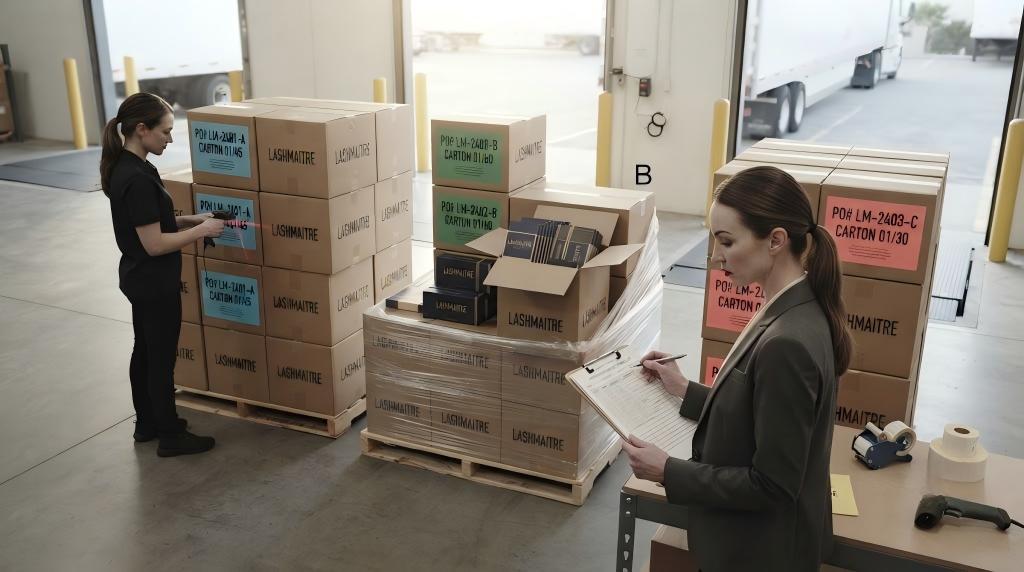
Lash shipment consolidation combines two or more purchase orders into one physical freight movement while preserving the commercial and traceability records for each order. Consolidate only when the destination, consignee, Incoterm, readiness window and documentation are compatible. PO, SKU, lot, carton, invoice and receiving references must remain separable inside the combined shipment.
Lash Shipment Consolidation Buyer Summary
- Confirm that every PO is ready within an acceptable time window.
- Do not delay an urgent launch order merely to fill a larger shipment.
- Keep PO, SKU, batch and carton identities visible after consolidation.
- Align invoice, packing list, customs and advance-shipment records.
- Compare total landed cost and delay risk, not freight price alone.
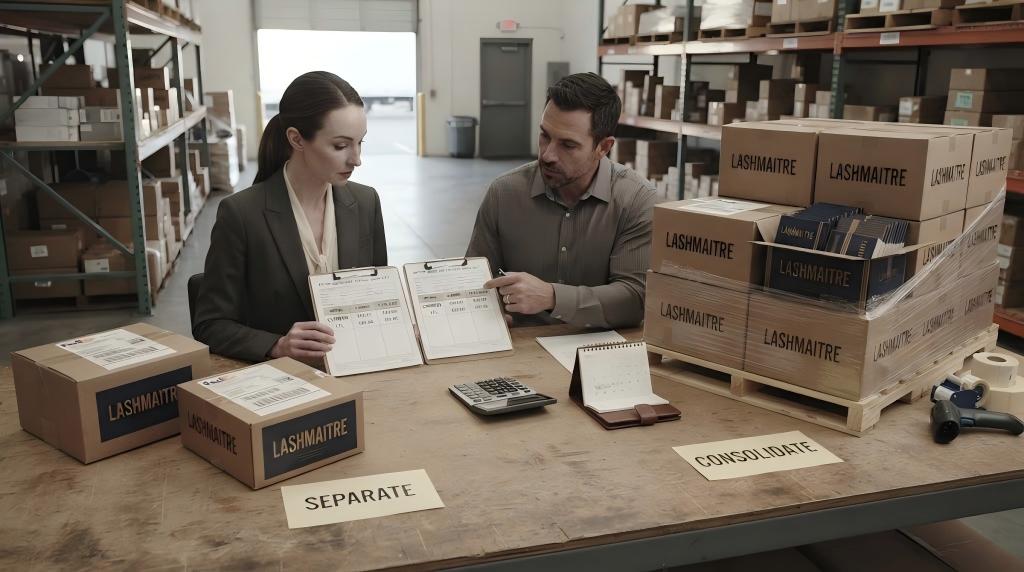
SAP's purchase-order consolidation documentation shows that consolidation depends on matching fields such as supplier and purchasing organization. Oracle PeopleSoft similarly documents consolidation by shared supplier and organizational fields.
For retail logistics, the GS1 US Order Consolidation Best Practices guideline describes keeping purchase-order information connected when merchandise from multiple orders moves together. These are general systems and logistics references; the buyer must confirm the actual forwarder, customs, carrier and destination requirements.
When Does Lash Shipment Consolidation Make Sense?
Lash shipment consolidation can make sense when several lash orders come from the same supplier, use the same destination and consignee, finish close together and can move under compatible trade and document terms. It may reduce duplicated pickup, minimum freight or destination handling charges.
But consolidation is not automatically cheaper. Waiting for the last PO can create stockout, launch-delay or storage cost. A larger shipment can also change transport mode, customs treatment, insurance needs or receiving workload.
Use the bulk lash shipping decision guide to compare express, air and sea options before assuming consolidation is the correct mode decision.
Eight Checks Before Combining Multiple Purchase Orders
| Check | Consolidate when | Keep separate when |
|---|---|---|
| Destination | Same consignee and delivery point | Different countries, warehouses or importers |
| Readiness | POs finish inside the approved window | One order would create a material delay |
| Incoterm | Responsibility and handover point match | Trade terms or responsible parties differ |
| Product scope | Products can share handling and transport | Hazard, temperature or handling rules conflict |
| Documentation | Invoice and customs data can be reconciled | Separate entries or approvals are required |
| Traceability | PO, SKU, lot and carton IDs remain distinct | Mixed packing would erase identity |
| Cost | Total landed cost improves after all fees | Storage, repacking or delay offsets freight savings |
| Receiving | Buyer can receive and book each PO correctly | Warehouse systems cannot reconcile a combined arrival |
Set a Readiness Cut-Off
Choose a last acceptable consolidation date before production finishes. Each PO should have:
- planned completion date;
- final QC or PSI status;
- document-ready date;
- latest date it can wait;
- reason for priority;
- fallback shipping method.
If one order misses the cut-off, decide whether to hold all POs, ship the ready orders, or split only the urgent line. This is a buyer decision, not an automatic warehouse choice.
Do not confuse consolidation with partial shipment. Partial shipment divides one PO into more than one movement; consolidation combines two or more POs into one movement. Both can exist in the same program, but they need separate approval records.
Preserve PO, SKU, Lot and Carton Traceability
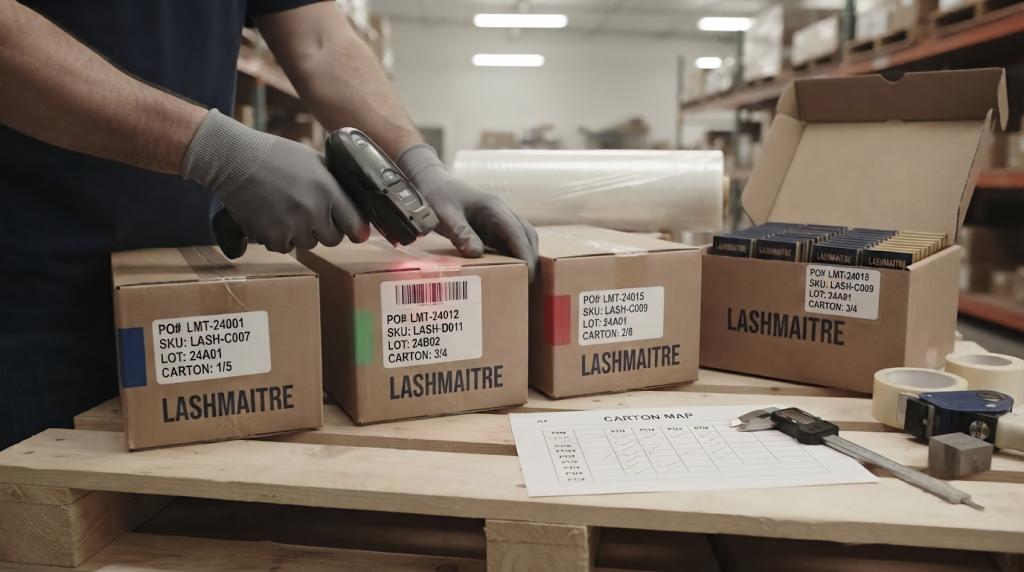
A combined master shipment should not become a mixed pile of cartons. Every carton label should allow the buyer to identify:
- purchase-order number;
- supplier and buyer;
- SKU and product description;
- lot or batch ID when used;
- packaging version;
- units per carton;
- carton number within the relevant PO;
- destination or warehouse reference.
The master packing list can summarize the total shipment, but it should also reconcile cartons and units back to each PO. If cartons contain more than one PO, confirm that the buyer's warehouse and any EDI/ASN requirements permit that structure.
Align Commercial and Customs Documents
Before booking, compare every PO against the commercial invoice, packing list, shipping instruction and destination document set. The eyelash extension import-document checklist can help buyers identify shipment data that must be confirmed for the destination.
Review at least:
- seller, buyer, importer and consignee names;
- PO references and invoice grouping;
- product descriptions and tariff classifications;
- declared quantity, value, currency and Incoterm;
- net and gross weight;
- carton count and dimensions;
- country of origin;
- batch, barcode or destination labels;
- insurance and carrier references.
Do not combine documents merely because cartons move together. The correct document structure depends on the transaction and destination rules.
Compare Total Landed Cost and Delay Risk
Ask the supplier or forwarder for two written scenarios: separate shipments and consolidated shipment. Compare pickup, export handling, freight, insurance, storage, consolidation/repacking, customs brokerage, duty/tax timing, destination handling and final delivery.
Then add the commercial cost of waiting. A modest freight saving may not justify a two-week stockout or missed wholesale delivery. Conversely, holding a non-urgent replenishment for a short, controlled window may reduce duplicated charges.
Build a Receiving Plan Before Departure
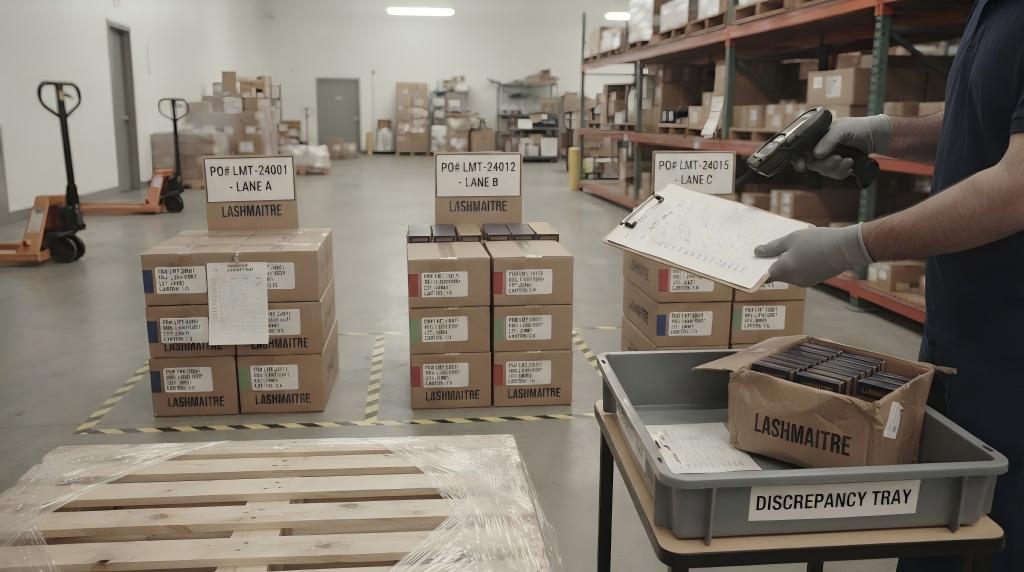
The buyer's warehouse should know that one arrival contains multiple POs. Send the final carton map, PO summary and exception list before departure.
Receiving should be able to record shortages, damage or carton discrepancies against the correct PO and SKU. Keep the wholesale lash receiving discrepancy record ready when multiple orders arrive together.
Lash Shipment Consolidation FAQ
Can multiple lash purchase orders ship under one shipment?
Yes, when supplier, destination, consignee, timing, trade terms and documents are compatible. The combined movement must still preserve each PO's SKU, lot, carton, invoice and receiving references.
Does consolidating lash orders always reduce freight cost?
No. Compare total landed cost, including storage, repacking, document, brokerage and delay effects. A lower freight line can be offset by stockout risk or waiting for a late PO.
Should different lash batches be mixed in one carton?
Only when the buyer's traceability and receiving rules allow it. Keeping batches or POs in separate cartons usually simplifies inspection, discrepancy handling and recall records.
What happens if one PO fails final inspection?
Use the agreed cut-off and fallback plan. The buyer may hold the full shipment, release the conforming POs separately or wait for corrective action, depending on urgency, cost and document constraints.
Confirm Consolidation Before Freight Is Booked
A useful lash shipment consolidation plan saves duplicated handling without sacrificing delivery control or traceability. Send LASHMAITRE the PO list, readiness dates, destination, Incoterm, carton plan and preferred transport mode through the wholesale lash inquiry page for a shipment review.
—
Batch Schema and Publishing Notes
- Use Article schema generated by the existing WordPress/Rank Math setup.
- FAQ schema is an opportunity only when the visible FAQ content is preserved and the installed system supports valid output; do not add hidden FAQ text.
- Recheck every external authority URL immediately before WordPress draft creation.
- Add the Article 2-to-Article 1 contextual link only after Article 1 has a valid public URL.
- Add one selective reverse internal link per article only after publication and public URL QA.

Lash Maitre: Your Trusted Partner in Eyelash extension Solutions
Lash Maitre is dedicated to providing professional insights and tips in the eyelash extension industry. Sharing the latest trends, techniques, and product knowledge, Lash Maitre helps lash artists and enthusiasts enhance their skills, stay inspired, and achieve the perfect lash experience.