Lash Rework Authorization: 8 Proven Checks Before Repacking
Share
Lash Rework Authorization Buyer Summary
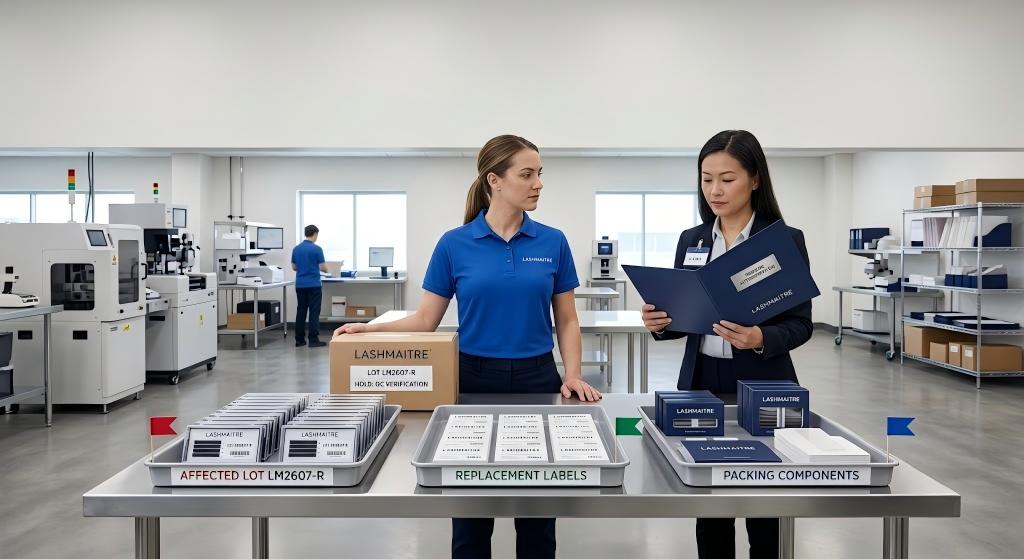
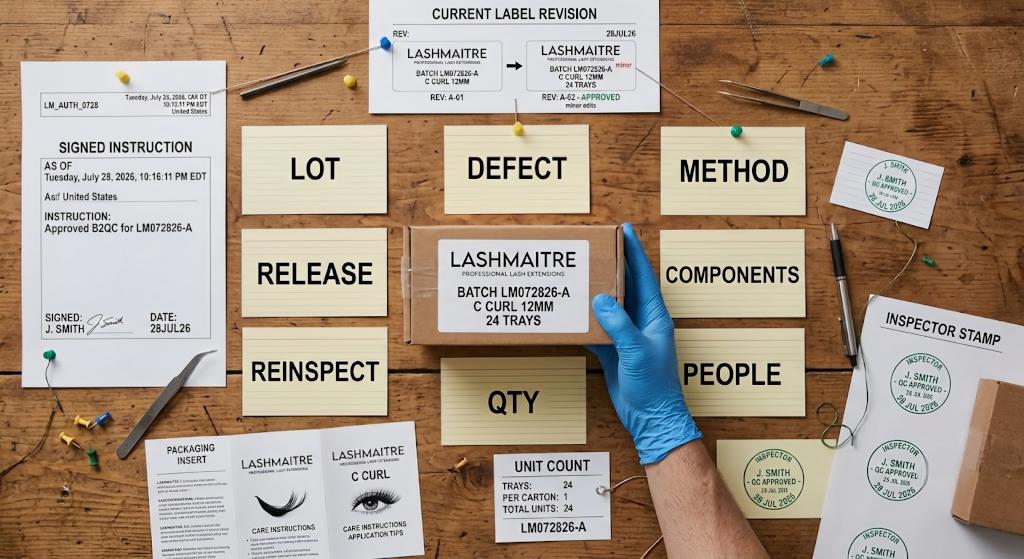
Lash rework authorization should define the affected lot and quantity, defect, permitted method, approved replacement components, responsible personnel, traceability and counts, reinspection plan and final release authority before repacking or relabeling begins.
Lash rework authorization should define the affected lot, defect, permitted correction method, replacement components, responsible personnel, quantity, verification plan and release authority before repacking, relabeling or another correction begins.
What Is Lash Rework?
Rework is a controlled activity intended to bring nonconforming product back into compliance with the original approved requirement. In lash operations it may include replacing an incorrect tray card, correcting a carton label, repacking undamaged trays, removing loose debris or rebuilding an assortment from verified conforming units.
Rework is not an informal shortcut and should not silently change the approved specification. If the proposed result differs from the buyer-approved product, artwork, pack or performance requirement, the team needs a formal change or concession decision instead.
FDA's cosmetics GMP inspection checklist includes adjusting and reworking among batch activities that control records should document. The exact form and approval limits remain part of the buyer and factory's quality procedure.
Why Lash Rework Authorization Must Come Before the Work
Once packs are opened and components are mixed, evidence can be lost. An authorization created after the work may not prove which units were handled, which revision was used or whether the correction introduced a new error.
Prior authorization creates a controlled boundary: what may be changed, what must remain unchanged, who may perform the work, how many units are included and how conformity will be confirmed.
8 Rework Authorization Checks
1. Affected Lot and Quantity
Identify the purchase order, SKU, batch or lot, carton range and exact quantity on hold. Reconcile starting quantity before product is issued to the rework station.
2. Clear Defect Description
Describe the observed failure and the approved requirement it violates. Attach a photograph, sample or record reference when it helps prevent misunderstanding.
3. Permitted Rework Method
Write the sequence of steps. Specify what can be opened, removed, cleaned, replaced, relabeled or repacked, and state actions that are prohibited.
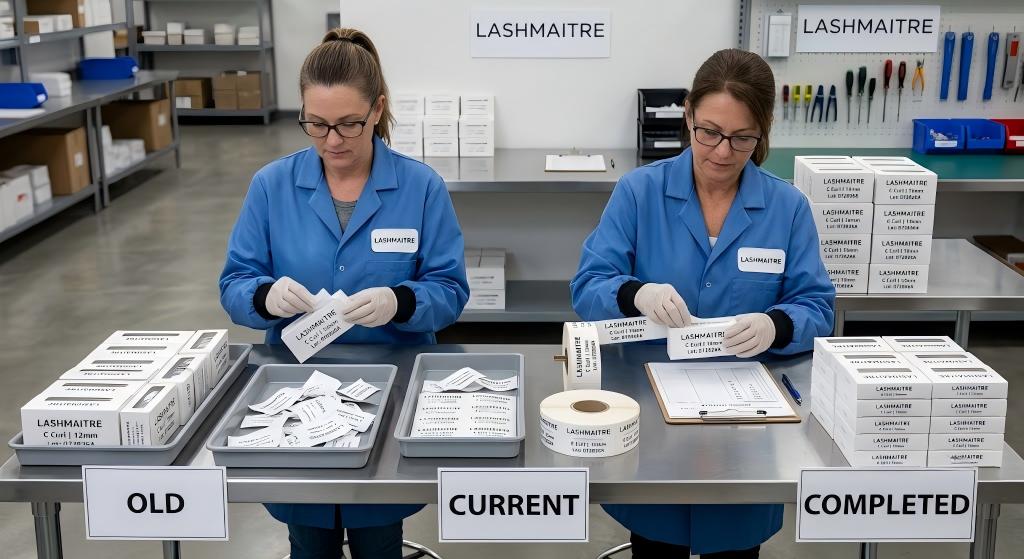
4. Approved Components and Revisions
List the correct tray card, label, sleeve, insert, box, adhesive or other component by item and revision. Old and replacement components should not share an uncontrolled workspace.
5. Responsible Personnel and Station
Assign trained operators, a controlled workstation and a supervisor. Complete line clearance before the job and prevent unrelated orders from entering the area.
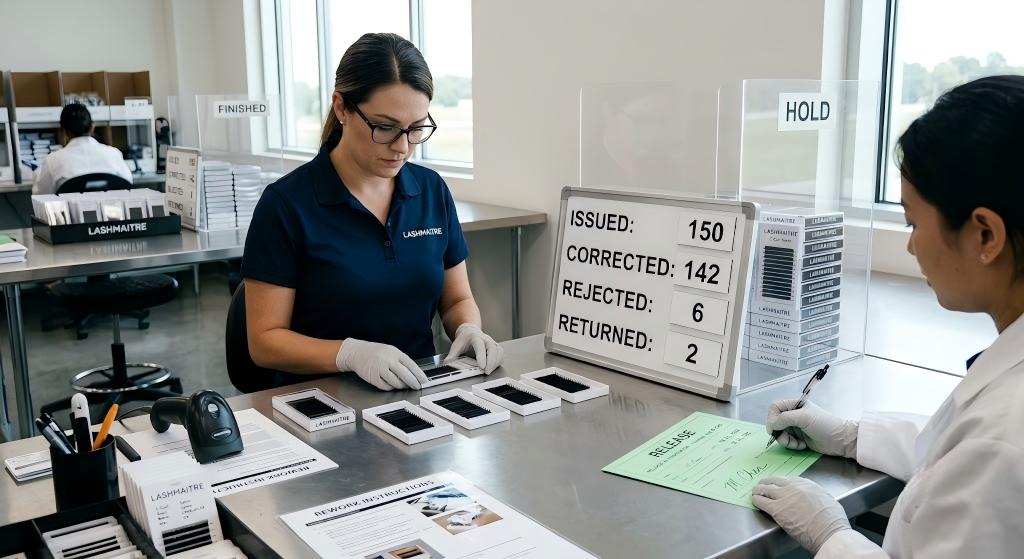
6. In-Process Counts and Traceability
Record units issued, corrected, rejected, damaged and returned. Preserve the original batch identity unless an approved traceability rule requires a new code or documented suffix.
7. Reinspection Plan
Define what will be inspected, the sample or quantity, acceptance criteria and inspector independence. Critical identity or labeling corrections may require 100% verification.
8. Final Release Authority
Name the role authorized to review rework records, inspection results and count reconciliation. Reworked units should remain on hold until that approval is complete.
Before, During and After Rework
| Stage | Control | Evidence |
|---|---|---|
| Before | Approved defect and scope | Hold record, lot and quantity |
| Before | Authorized method and components | Rework instruction and current revisions |
| Before | Cleared workstation | Line-clearance confirmation |
| During | Controlled issue and return | Component and unit counts |
| During | Batch traceability maintained | Traveler or rework log |
| After | Original requirement rechecked | Reinspection result |
| After | Labels and components reconciled | Used, damaged, returned and destroyed counts |
| After | Quality release | Signed authorization and final status |
When Rework Should Not Proceed
Do not start when product identity is uncertain, the defect scope is unknown, the method could damage lash performance, the correct revision is unavailable, the buyer has not approved a required change or the result cannot be verified.
Repeated rework for the same issue may also indicate a process or supplier problem. In that case, containment may be followed by a separate root-cause and corrective-action process rather than treating each lot as an isolated correction.
Common Rework Failures
- Opening product before authorization and count confirmation.
- Mixing conforming, nonconforming and corrected units.
- Using leftover labels or inserts without revision verification.
- Relabeling cartons without reconciling removed and replacement labels.
- Recording only completed quantity and omitting damage or rejects.
- Inspecting against the rework instruction but not the original requirement.
- Releasing product because the rework is finished rather than because it passed verification.
Lash Rework Authorization FAQ
When can a lash batch be reworked?
When identity and scope are known, a controlled method can restore the original approved requirement, approved components are available and the result can be verified.
Is relabeling considered rework?
It can be. If labels are removed or replaced to correct a nonconformity, control the activity through authorization, revision checks, quantity reconciliation and reinspection.
Does rework require another inspection?
Yes. The corrected product should be verified against the applicable original acceptance criteria before release.
Can rework change the approved specification?
Not by itself. A different specification, artwork or packaging result needs the appropriate buyer-approved change or concession process.
Rework Must Restore a Verifiable Requirement
Connect rework authorization to documented lash quality control, controlled private label lash packaging, an approved private label lash program and a clear wholesale lash inquiry.
Authority reference: FDA cosmetics GMP guidelines and inspection checklist.
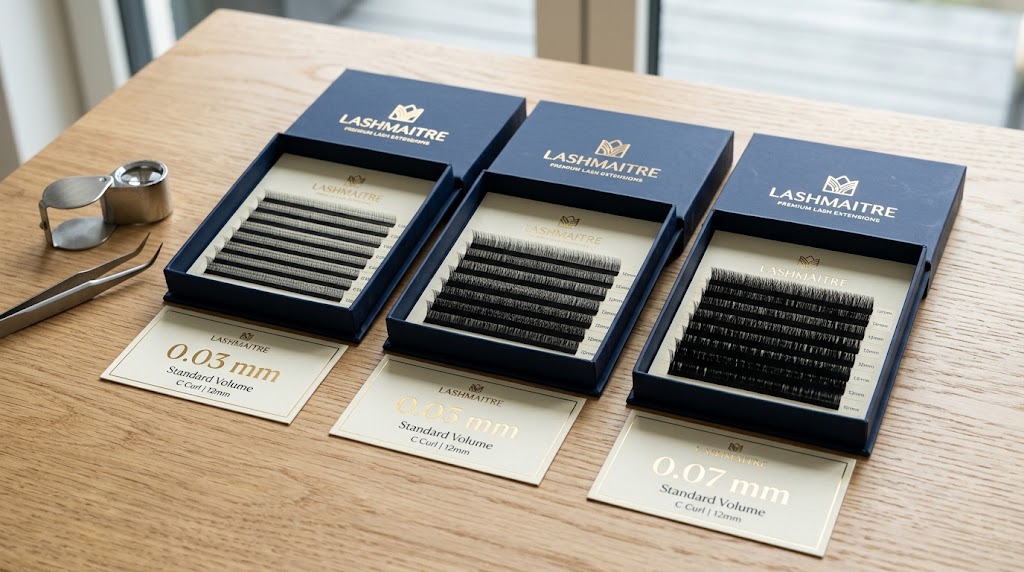
Before authorizing repacking or relabeling, compare controlled lash extension samples with the approved product, tray and packaging references so the rework restores the correct requirement.

Lash Maitre: Your Trusted Partner in Eyelash extension Solutions
Lash Maitre is dedicated to providing professional insights and tips in the eyelash extension industry. Sharing the latest trends, techniques, and product knowledge, Lash Maitre helps lash artists and enthusiasts enhance their skills, stay inspired, and achieve the perfect lash experience.