DIY Eyelash Extension Clusters Wholesale: Professional vs Retail Kit Sourcing
Share
Wholesale Buyer Summary
Before you source Cluster Lashes
This guide is written for buyers comparing professional lash extensions with DIY cluster lashes and retail kit opportunities. Use it to prepare a clearer DIY eyelash extensions clusters wholesale request before asking for samples, MOQ, lead time, wholesale pricing, private label or OEM support.
- Main keyword: DIY eyelash extensions clusters wholesale
- Best next step: compare specs, request samples and confirm packaging before bulk production.
- Send us: cluster style, kit format, bond/remover needs, packaging, quantity and target retail channel.
The Structural Divide in Global Lash Procurement
When procurement directors, wholesale cosmetic importers, and expanding private-label franchise owners evaluate their supply chain expansion strategies, the decision of how to allocate capital represents a critical operational crossroads. In the current global beauty market, B2B buyers face immense pressure from shifting consumer trends. One of the most prominent shifts is the aggressive rise of the at-home retail segment. However, attempting to merge the supply chain of professional salon materials with the manufacturing lines of retail diy eyelash extensions clusters introduces severe structural, chemical, and reputational liabilities for a high-end distributor.
Scale Differentiation: Unlike our preceding supply chain manuals that focus exclusively on the precise thermal micro-welding of high-density Russian volume fans, or the localized cold-chain air freight logistics required for winter cyanoacrylate transport, this technical guide provides a macro-level structural comparison. We explicitly deconstruct the manufacturing, chemical, and physiological divide between professional 1:1 application materials and the consumer-grade FMCG (Fast-Moving Consumer Goods) market. We will detail why elite distributors must strictly separate their professional catalogs from the retail sector to protect the integrity of their salon partners and their overarching brand equity.
For an elite wholesale distributor, understanding the fundamental metallurgical and polymer differences between professional individual extensions and mass-market diy eyelash extensions clusters is the definitive strategy for maintaining authority in the professional beauty industry.
Defining diy eyelash extensions clusters in B2B Manufacturing
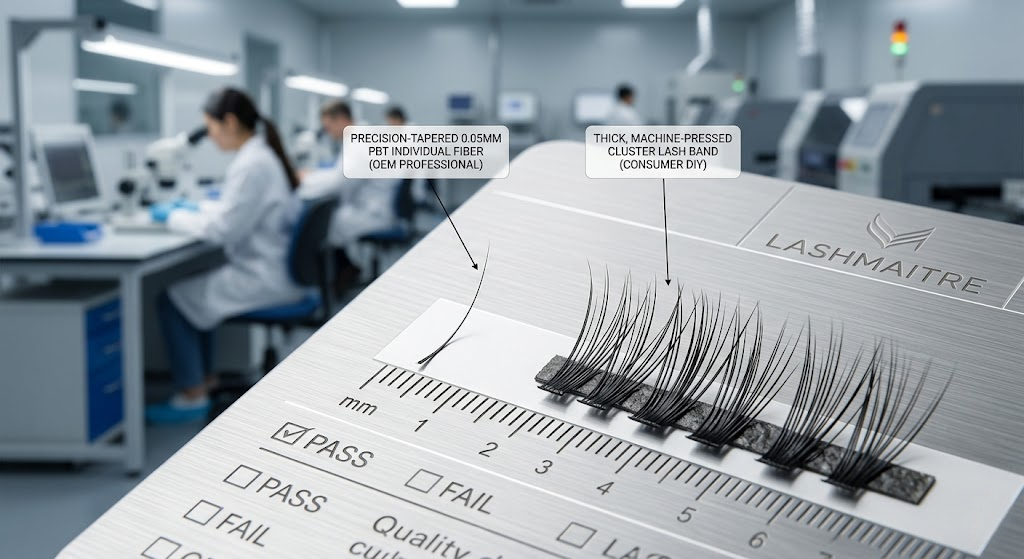
In the highly regulated ecosystem of global cosmetic manufacturing, professional eyelash extensions are defined as individual, single-strand synthetic Polybutylene Terephthalate (PBT) fibers designed for meticulous 1:1 isolation and application by a licensed professional using medical-grade cyanoacrylate. Conversely, diy eyelash extensions clusters belong to an entirely different manufacturing category. They are pre-assembled, consumer-grade products where multiple thick synthetic fibers are machine-pressed or glued together at a single, wide base (often forming a heavy knot or a thick band). Their operational function is to provide the untrained end-consumer with a rapid, temporary, at-home application using temporary latex or acrylic-based under-lash adhesives. The manufacturing tolerances, material costs, and chemical compatibilities of these two product categories are diametrically opposed.
Author: Alex, LASHMAITRE — B2B eyelash extensions manufacturing & private-label programs (https://www.lashmaitretrade.com)
Material Science: Polymer Extrusion vs. Machine Pressing
The foundational metric when auditing a factory’s capability to supply your wholesale catalog is their mastery of material science. The extrusion and assembly processes for professional single fibers versus consumer retail clusters dictate the final aesthetic, weight, and safety of the product.
The Engineering of Professional Individual PBT
When a B2B distributor procures professional individual extensions, they are purchasing precision polymer extrusion. The undisputed global standard for the salon industry is 100% virgin Korean PBT.
- Micro-Porosity: Virgin PBT features a microscopic surface porosity. This texture is vital because it allows the liquid cyanoacrylate adhesive to penetrate the surface of the extension, creating a deeply integrated, “lock-and-key” bond capable of surviving 6 to 8 weeks of wear.
- Extreme Taper Ratios: Professional fibers are individually engineered with strict taper ratios (e.g., a 2/3 taper). By shaving the fiber much earlier in the shaft, the top half of the lash becomes weightless and feathery, while the center of gravity shifts to the base. This completely eliminates the “lever effect,” ensuring the individual fiber does not twist or overload the natural follicle.
- Tape Alignment: In professional OEM manufacturing, loose fibers are meticulously hand-aligned on a low-tack silicone transfer strip, allowing the artist to pick up a single lash or easily build a custom, weightless volume fan.
The Assembly of diy eyelash extensions clusters
Conversely, the manufacturing process for retail diy eyelash extensions clusters prioritizes speed of assembly and durability for amateur handling over biological safety.
- Recycled Polymer Blends: To meet the aggressive low-cost pricing demands of the retail FMCG market, factories producing diy eyelash extensions clusters frequently utilize blended or recycled plastics rather than virgin PBT. This yields a fiber that is noticeably stiffer, heavier, and features a glossy, artificial shine.
- The Heavy Base Knot: The most defining characteristic of diy eyelash extensions clusters is the base. The multiple fibers are bound together using thermal melting or a heavy drop of industrial urethane adhesive. This creates a thick, rigid, and wide base. When a consumer applies this to their natural lashes, the heavy plastic knot sits clumsily on the lash line, adding massive artificial weight.
- Lack of Taper: To maintain structural rigidity during rough consumer handling, the fibers in retail clusters often feature a standard 1/3 taper or no taper at all, remaining thick and blunt at the tips, which contributes to a harsh, artificial aesthetic.
Review our advanced virgin PBT material specifications and OEM extrusion protocols
Biomechanics: The Threat to Follicle Health
The most severe liability a B2B distributor faces when blurring the lines between professional supplies and consumer products is the physiological impact on the end-user. The core philosophy of elite B2B professional manufacturing is “Root Cause Healing”—protecting the holistic health of the client’s natural follicle.
The Biology of the Lash Cycle
Natural human eyelashes exist in different biological growth phases simultaneously:
- Anagen (Growth Phase): The lash is actively growing.
- Catagen (Transition Phase): The lash stops growing and the follicle shrinks.
- Telogen (Resting/Shedding Phase): The lash rests until it naturally falls out.
In a professional application, an artist isolates one single natural lash and attaches one individual extension. Because the extension is isolated, that specific natural lash is free to grow, rest, and shed according to its own unique biological timeline without interfering with neighboring lashes.
Traction Alopecia and diy eyelash extensions clusters
The structural design of diy eyelash extensions clusters fundamentally violates this biological requirement. Because the cluster features a wide, heavy base, the amateur consumer inevitably glues the single cluster across three, four, or even five natural eyelashes simultaneously.
When a fast-growing anagen lash is glued to a resting telogen lash via the rigid base of the cluster, the fast-growing lash continues to push forward. It pulls and violently tears the resting lash directly out of its follicle. Over a matter of weeks, the continuous use of diy eyelash extensions clusters causes severe traction alopecia (bald spots along the lash line) and permanently damages the hair papilla.
For a B2B distributor, supplying heavy clusters to professional salons destroys the salon’s reputation. Educated lash artists refuse to use products that harm their clients, and if your catalog is associated with follicle damage, your recurring wholesale revenue will collapse.
Table 1: Structural and Biological Matrix in B2B Manufacturing
| Manufacturing Variable | Professional Individual Extensions | Retail diy eyelash extensions clusters | Strategic B2B Impact on the Supply Chain |
| Primary Base Architecture | Single, microscopic unattached base. | Thick, machine-pressed knot or continuous band. | Dictates the safety of the application; individual bases protect the follicle. |
| Polymer Quality | 100% Virgin Micro-Porous PBT | Blended or recycled rigid plastics. | Professional PBT ensures cyanoacrylate bonding; retail plastics are engineered for cheap mass production. |
| Biological Impact (Isolation) | Allows 1:1 natural biological shedding. | Glues multiple natural lashes together. | diy eyelash extensions clusters cause severe traction alopecia when worn continuously. |
| Target End-User | Licensed, certified salon professionals. | Untrained retail consumers (FMCG). | Distributors must separate these catalogs completely to maintain professional authority. |
The Chemical Divide: Adhesives and Solvents
You cannot successfully analyze the procurement of professional extensions versus diy eyelash extensions clusters without addressing the liquid chemicals required to attach them. The adhesives belong to two entirely different branches of chemical engineering, regulatory compliance, and logistical management.
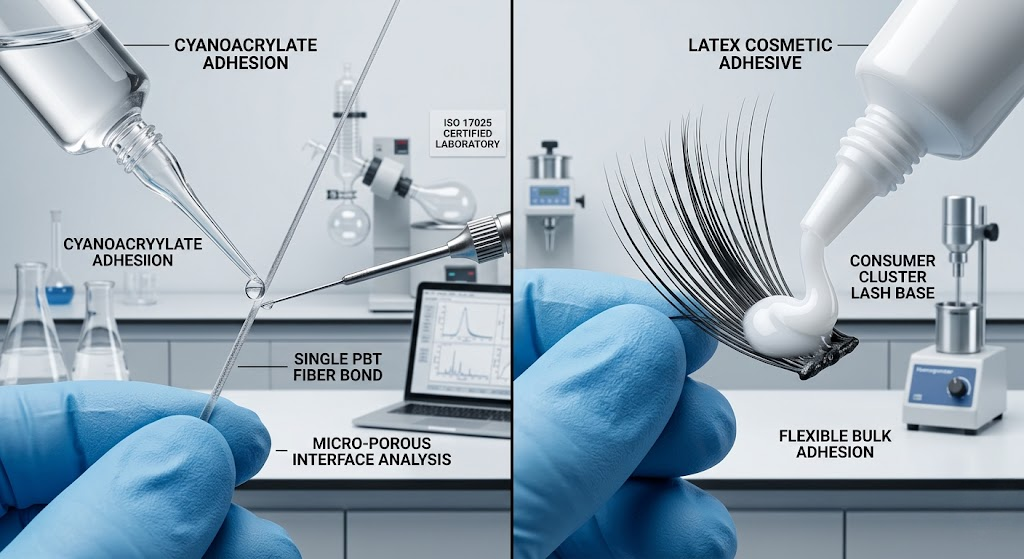
Cyanoacrylate: The Professional Standard
As a professional B2B distributor, your core liquid consumable is cyanoacrylate (Ethyl or Alkoxy). This is a highly volatile, moisture-curing industrial monomer.
- Performance: It cures rapidly (0.5 to 2.0 seconds) into a durable acrylic polymer mesh, providing 6 to 8 weeks of retention.
- Safety Protocol: Cyanoacrylate must never touch the skin; it is applied strictly to the hair shaft by a trained professional.
- B2B Procurement Risks: Cyanoacrylate requires strict cold-chain air freight logistics. If exposed to extreme heat or freezing temperatures during ocean transit, the hydroquinone stabilizers fail, and the liquid cures inside the bottle. Importing cyanoacrylate requires rigorous Material Safety Data Sheets (MSDS) to clear international aviation hazmat regulations.
Latex and Acrylics: The DIY Consumer Standard
Because diy eyelash extensions clusters are applied directly by the consumer, usually underneath the natural lash line, using cyanoacrylate is strictly forbidden and highly dangerous. Consumer products require temporary, skin-safe cosmetic adhesives.
- Formulation: The adhesives used for diy eyelash extensions clusters are typically formulated from natural rubber latex, flexible acrylic copolymers, or specialized waterproof mascaras that remain perpetually tacky (often marketed as “bond and seal” systems).
- Performance: These cosmetic glues are significantly less volatile. They dry into a flexible, rubbery state that holds the heavy cluster for 3 to 7 days, but can be removed with heavy oil-based solvents.
- B2B Procurement Advantages: From a logistics standpoint, these water-based or acrylic emulsions are highly stable and carry far fewer hazmat shipping restrictions. However, they are subject to intense scrutiny under cosmetic safety laws since they contact the skin and ocular cavity directly.
Regulatory Compliance: FDA MoCRA and Retail Packaging
When a wholesale distributor decides to bridge the gap and supply the retail sector with diy eyelash extensions clusters, the regulatory landscape shifts dramatically. Selling products intended for end-consumer use requires strict adherence to retail cosmetic laws.
FDA MoCRA Compliance
In the United States, the regulatory landscape for consumer beauty products is heavily governed by the Modernization of Cosmetics Regulation Act (MoCRA).
Because the adhesives and sealants associated with diy eyelash extensions clusters are applied by the consumer near the eye, they face intense FDA scrutiny.
- Microbiological Testing: Your OEM factory must provide Certificates of Analysis (COA) proving that the liquid cosmetics have passed USP <51> microbiological challenge testing to ensure they are completely free from bacterial contamination.
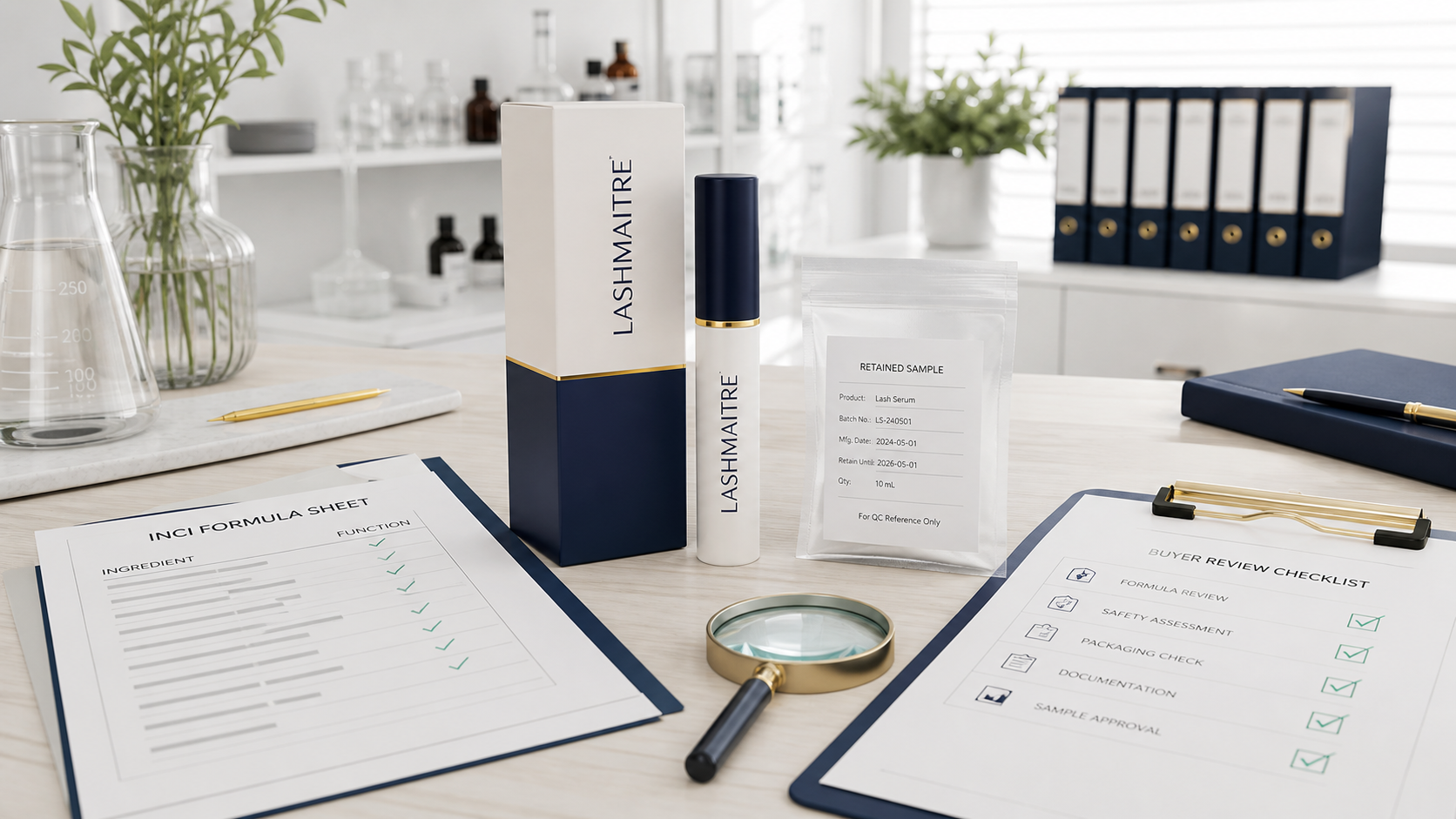
- INCI Labeling: Distributors must ensure their retail packaging meets strict FDA cosmetic labeling requirements. This mandates the explicit, descending-order declaration of all chemical ingredients using their standardized INCI (International Nomenclature of Cosmetic Ingredients) names on the outer retail carton. Failure to comply can result in immediate shipment seizure by Customs and Border Protection (CBP).
Speak with our compliance department regarding MoCRA labeling and MSDS documentation
Private Label OEM: Packaging Engineering and Logistics
Transitioning from purchasing generic wholesale stock to launching a customized private label OEM program requires mastering the internal architecture of the packaging. The physical presentation of professional trays versus retail kits dictates their perceived luxury and protects their structural integrity during global transit.
Utilitarian Packaging for Professional Trays
Professional extensions require highly functional, efficient packaging designed to sit on a lash artist’s trolley.
- High-Density Blister Trays: B2B buyers invest in deep-cavity PET plastic blisters to protect extreme curls (like a 15mm D-curl) from being crushed during transit.
- Foil-Backed Strips: The strips holding the loose individual lashes must be foil-backed so they peel cleanly off the artist’s tile without leaving sticky paper residue. The primary goal is operational efficiency for the salon.
Visual Merchandising for Consumer Clusters
diy eyelash extensions clusters are retail products; the packaging is the primary marketing vehicle. The box must visually instruct and convince the consumer to make an impulse purchase.
- The “Kit” Configuration: Retail clusters are rarely sold in standard rows. They are heavily merchandised in complete “Starter Kits” that include a custom vacuum-formed EVA foam insert holding the clusters, a dual-ended adhesive/sealant wand, and a specialized applicator tweezer.
- Volumetric Freight Penalties: This massive visual merchandising creates a severe logistical bottleneck. Retail kits for diy eyelash extensions clusters occupy massive amounts of volumetric space. In international air freight, airlines charge based on Dimensional Weight. If your factory packs these bulky kits inefficiently, the dimensional weight penalty will instantly destroy your wholesale profit margins. B2B buyers must utilize FCL (Full Container Load) ocean freight for these retail kits to maintain profitability.
Table 2: OEM Packaging Procurement and B2B Logistics Optimization
| Procurement Strategy | Inventory Configuration | Initial Capital Expenditure | Risk Profile & Logistics | Strategic B2B Supply Chain Use Case |
| Professional Extension Trays | 16-row mixed or single-length individual fibers in deep-cavity boxes. | Moderate (Decoupled packaging strategy). | Low Risk. Consumed predictably; requires steady air-freight replenishment. | The foundational operational revenue stream for beauty distributors supplying licensed salons. |
| Retail Starter Kits (Clusters) | Clusters + Glue + Tweezer in a large, custom EVA foam retail box. | Highest (Requires custom die-cut molds and multi-factory sourcing). | Moderate Risk. Extremely bulky; mandates slow FCL ocean freight to remain profitable. | Expands catalog to capture massive FMCG retail markets and direct-to-consumer e-commerce sales. |
| Retail Aftercare Bundles | Professional Lash Cleanser + Brush in a magnetic retail box. | High | Lowest Risk. Salons aggressively purchase bundles because they drive front-desk AOV. | Essential strategy for protecting professional salon revenue from the DIY trend. |
Defending the Professional Salon Ecosystem
The surge in popularity of diy eyelash extensions clusters presents a complex challenge for B2B distributors who primarily serve licensed salon professionals. While the retail market represents a massive influx of capital, aggressively supplying these DIY products directly competes with the livelihood of your core B2B salon partners.
If a distributor abandons professional quality to focus entirely on cheap retail clusters, they erode the professional industry’s standards.
The Strategic Wholesale Pivot: Education and Superiority
Astute B2B distributors do not simply ignore the retail trend; they counter it by arming their salon partners with overwhelmingly superior professional products.
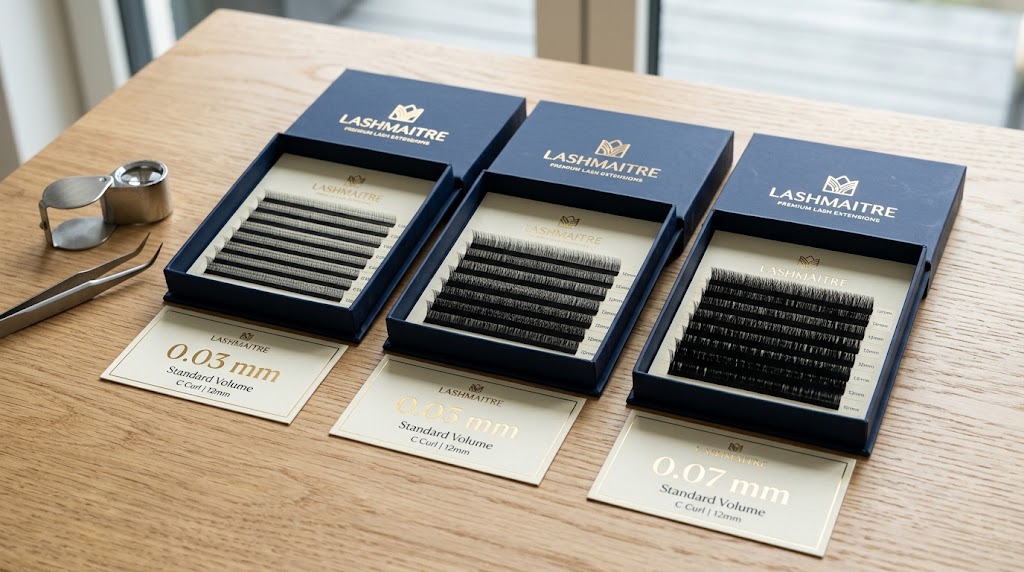
- Advancing Professional Materials: By sourcing ultra-fine 0.03mm virgin PBT lashes and engineering hyper-fast, highly stabilized cyanoacrylate adhesives, you empower lash artists to create weightless, incredibly intricate volume sets that absolutely cannot be replicated by a consumer using chunky, heavy diy eyelash extensions clusters in their bathroom mirror.
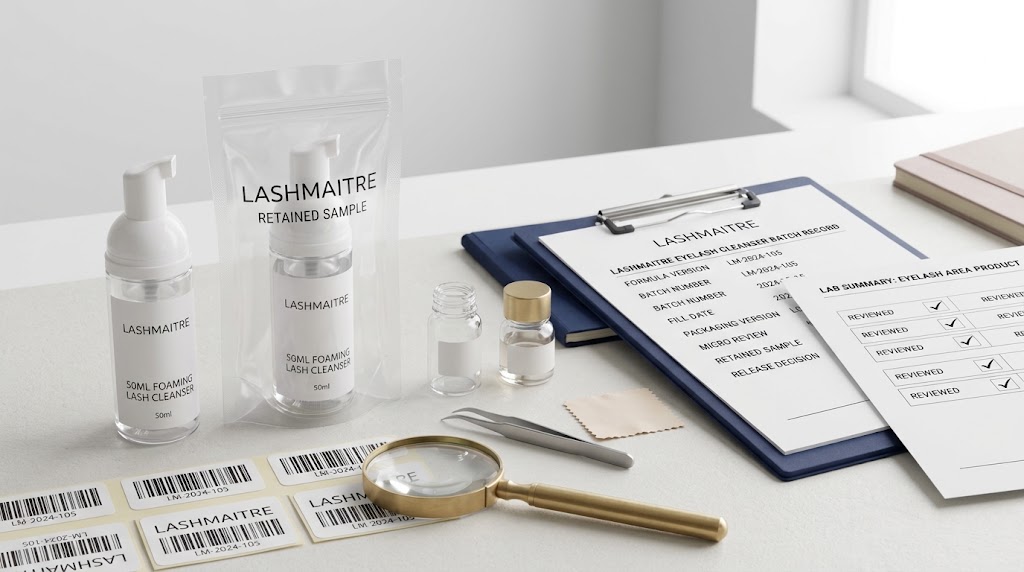
- Retail Revenue Replacement: Distributors can help salons replace the revenue lost to the DIY trend by supplying high-margin, professional retail aftercare. Instead of supplying salons with clusters to sell (which cannibalizes their own service revenue), supply them with OEM pH-balanced lash cleansers, specialized growth serums, and professional makeup removers. This elevates the salon’s Average Order Value (AOV) at the front desk without undermining the value of their professional application services.
By prioritizing virgin PBT extrusion, mastering the distinct chemical compliance of cyanoacrylate versus cosmetic skin glues, strictly adhering to FDA MoCRA labeling guidelines, and deeply understanding the biological threat of traction alopecia, B2B buyers can establish a highly profitable, scalable enterprise. The market heavily rewards distributors who engineer their supply chain meticulously, recognizing that conquering the divide between professional materials and diy eyelash extensions clusters is the ultimate key to maintaining long-term industry authority.
FAQ: Wholesale & OEM — diy eyelash extensions clusters
What is the core structural difference between professional individual extensions and diy eyelash extensions clusters?
Professional eyelash extensions are manufactured as single, individual strands of synthetic PBT. They are designed for a licensed professional to isolate a single natural lash and attach one extension, allowing the natural hair to grow and shed safely. Conversely, diy eyelash extensions clusters are consumer-grade products where multiple thick fibers are melted or glued together at a wide, heavy base. Because consumers cannot properly isolate their lashes, the heavy cluster base is glued across multiple natural lashes simultaneously, leading to severe traction alopecia and follicle damage over time.
Why must a distributor navigate two completely different adhesive supply chains for these products?
The application method dictates the chemical formulation. Professional extensions are bonded strictly to the natural hair shaft (never the skin) using cyanoacrylate—a volatile, moisture-curing industrial monomer that provides 8-week retention. Because diy eyelash extensions clusters are applied by untrained consumers directly against the eyelid skin, cyanoacrylate is strictly forbidden as it causes severe chemical burns. DIY clusters require FDA-regulated cosmetic adhesives, typically formulated from flexible acrylic emulsions or temporary latex bonds designed for 3 to 7 days of wear.
How do Minimum Order Quantities (MOQs) and freight costs differ between professional trays and retail cluster kits?
Professional individual lash trays are highly compact. A distributor can leverage decoupled packaging (universal outer boxes with variable tray cards) to maintain high inventory agility and utilize air freight economically. Retail kits for diy eyelash extensions clusters are massive logistical burdens. Because they require visual merchandising (large boxes, EVA foam inserts, applicator tools, and glues), they occupy significant volumetric space. The MOQ for a customized retail kit starts at 2,000 to 3,000 units, and the distributor MUST utilize FCL (Full Container Load) ocean freight to avoid devastating dimensional weight air freight penalties.
How can B2B distributors protect their salon partners from the rise of the at-home retail lash trend?
Distributors must arm their B2B salon partners with materials that produce results impossible for a consumer to replicate at home. By sourcing ultra-fine 0.03mm “Cashmere” PBT fibers and advanced, climate-adaptive cyanoacrylate adhesives, distributors empower artists to create flawless, weightless, and highly intricate styling. Furthermore, distributors should supply high-margin professional retail aftercare (like pH-balanced cleansers and growth serums). This allows the salon to generate front-desk retail revenue without selling diy eyelash extensions clusters that directly cannibalize their own high-ticket service appointments.
References
- Guidelines for Quality Management Systems and Precision Chemical Manufacturing – International Organization for Standardization (ISO 9001) – https://www.iso.org/iso-9001-quality-management.html
- Modernization of Cosmetics Regulation Act (MoCRA) Compliance and Safety – U.S. Food and Drug Administration (FDA) – https://www.fda.gov/cosmetics
- Information on Cyanoacrylate Chemistry and Cosmetic Adhesive Regulations – National Center for Biotechnology Information (NCBI) / PubChem – https://pubchem.ncbi.nlm.nih.gov/
Are you ready to optimize your wholesale supply chain, bypass domestic mass-market resellers, and launch a comprehensive OEM catalog engineered for absolute professional superiority? Partner with a B2B manufacturing facility that understands the rigorous physics of virgin PBT extrusion, the severe biological risks of heavy consumer synthetics, and the complex MoCRA compliance required for cosmetic adhesives. Contact us today to request physical sample verification, review our advanced packaging portfolios, and secure a customized manufacturing quote tailored to bringing your ultimate catalog to the professional distribution network at https://www.lashmaitretrade.com.
Ready to source Cluster Lashes?
LASHMAITRE supports wholesale eyelash extensions, lash extensions, private label packaging, OEM lash products, samples, MOQ planning and supplier support for salons, distributors, academies and lash brands.

Lash Maitre: Your Trusted Partner in Eyelash extension Solutions
Lash Maitre is dedicated to providing professional insights and tips in the eyelash extension industry. Sharing the latest trends, techniques, and product knowledge, Lash Maitre helps lash artists and enthusiasts enhance their skills, stay inspired, and achieve the perfect lash experience.