Anime vs Wispy Lash Extensions: 8 Tray Planning Checks
Share
Direct answer: Anime vs wispy lash extensions is a spike-pattern and range-planning comparison, not a fixed global product standard. Buyers should translate both looks into supplied components, spike contrast, spacing, base layer, curl, lengths, tray quantity, map version and sample code. “Anime” often describes stronger separated peaks, while “wispy” covers a broader family of staggered texture; the exact construction must still be written by the buyer and supplier.
1. Define Anime And Wispy As Catalog Roles
Start with a one-sentence range definition for each. An anime position may require a small number of clearly separated peaks over a quieter base. A wispy position may use more frequent texture, softer height changes or a different distribution. These are planning descriptions, not proof of a particular D-count, diameter or map.
The anime lash wholesale guide and wispy lash wholesale guide define the individual families. This page controls the boundary between them so two names do not become duplicate SKUs.
| Planning field | Anime candidate | Wispy candidate | Buyer record |
|---|---|---|---|
| Peak rhythm | Defined strong separated peaks | Defined staggered texture | Versioned map card |
| Base layer | Specified format and lengths | Specified format and lengths | Component list |
| Supplied format | Loose fibers, spikes or fans | Loose fibers, spikes or fans | Quotation and label |
| Identity | SKU and sample code | SKU and sample code | Retained sample |
2. Specify The Components Behind The Look
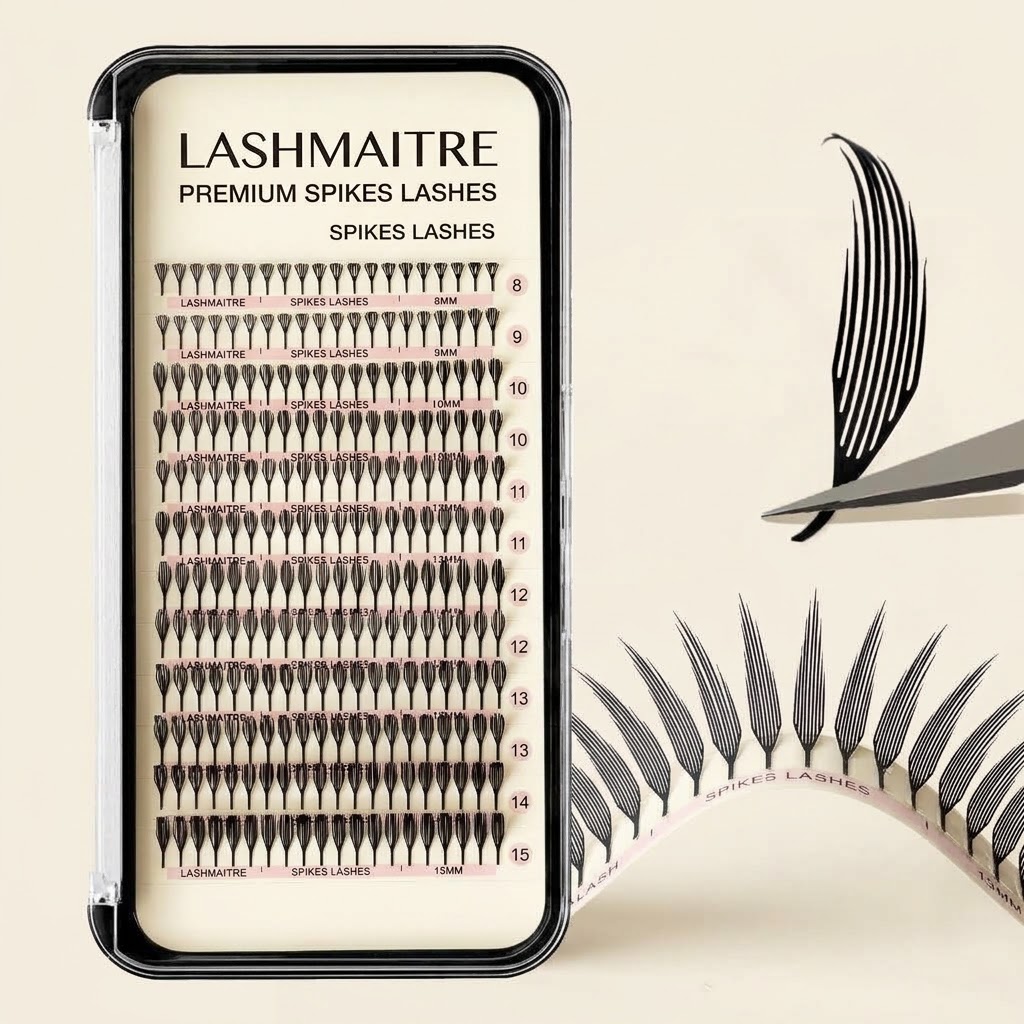
Ask whether the supplier is quoting individual fibers, premade fans, premade spikes, mixed component trays or separate base and peak trays. Record diameter, curl, length, spread, base, stem, row or component count and strip type as applicable. A reference image cannot answer those purchasing questions.
One anime map may require two component groups while another uses one loose-fiber range. The same is true of wispy work. Keep the visible outcome separate from the supplied inventory format so prices and quantities remain comparable.
3. Control Spike Contrast And Spacing
For anime vs wispy lash extensions, a controlled sample pair keeps common variables stable while reviewers compare spike rhythm, density and supporting layers.
Define peak length relative to the local base layer, the number of map zones, approximate interval, width at the base and whether heights repeat or vary. Use ranges and approved samples rather than a universal formula. Stronger separation may support the anime position; softer transitions may support the wispy position, but the buyer decides the catalog boundary.
Record these fields on the map, not in an informal chat. The lash mapping styles guide can help organize zone and component fields across a broader collection.
4. Build A Matched Sample Review
Request both candidates in a shared material family and representative curl and length range. Keep packaging scope and review conditions consistent. If the products use different formats, identify that difference clearly and avoid calling the comparison a direct unit-price test.
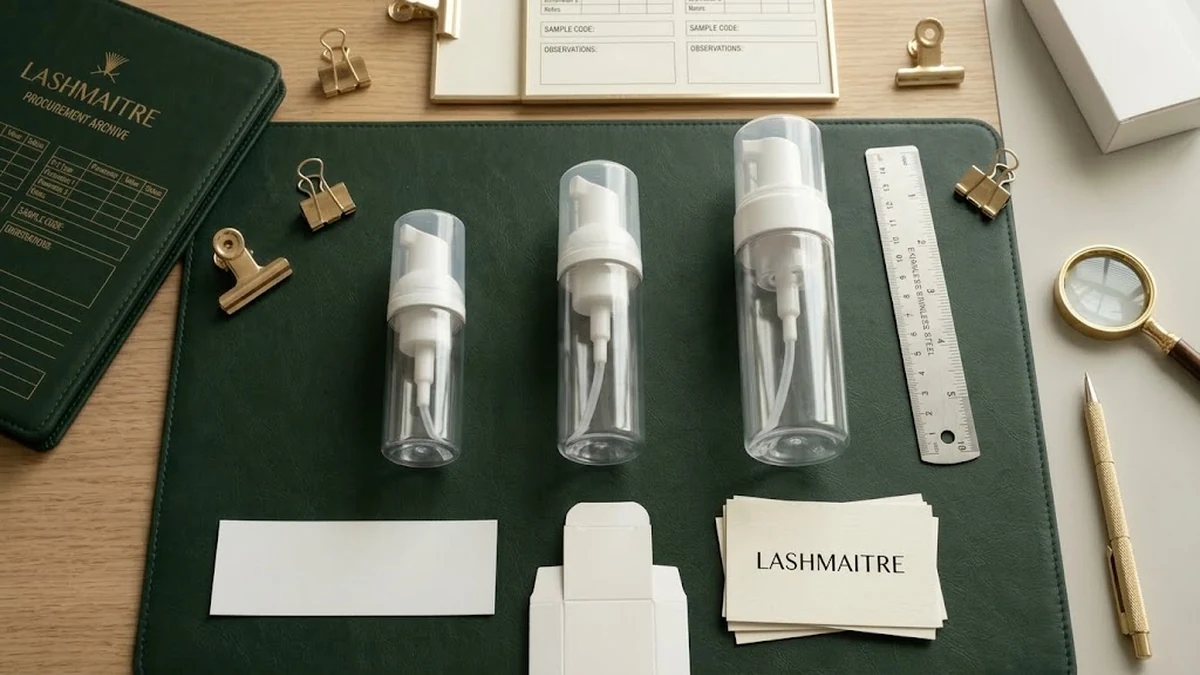
Use the lash extension samples path to assign codes. Photograph unopened trays and labels, retain unused strips, and save the exact map used in the review. Each photo filename should include the sample code and map version.
5. Inspect Shape, Pickup And Usable Yield
Use the same reviewer, tweezers, tray position, room conditions and trial count. For separate spike components, record pickup, base integrity and visible shape preservation. For loose fibers, record separation, strip release and the ability to create the intended narrow or textured component under the buyer’s defined method.
The lash quality control path supports repeatable records. Keep personal preference separate from counts and visible observations. Do not convert a small sample into a universal retention, comfort or safety claim.
6. Prevent Duplicate SKUs
When anime vs wispy lash extensions use different components or quantities, convert both quotes to the same documented unit before comparing price.
Place the two specifications side by side. If component format, lengths, curl, peak rhythm, spacing and base-layer plan are effectively the same, the second name may only create catalog confusion. A real second SKU needs a clear product or map difference that buyers, sales teams and warehouse staff can recognize.
Where one component tray supports both looks, keep one inventory SKU and create two controlled map records. Where the component lists genuinely differ, give each list its own version and reorder identity.
| Release check | Anime record | Wispy record | Decision |
|---|---|---|---|
| Map identity | Zones, peaks and base layer | Zones, texture and base layer | Version both records |
| Components | Exact SKUs and quantities | Exact SKUs and quantities | Merge identical inventory |
| Sample evidence | Code and review notes | Code and review notes | Approve separately |
| Reorder | Lot and packaging version | Lot and packaging version | Match retained standards |
7. Use Demand Data With Clear Limits
An anime vs wispy lash extensions range needs separate SKU roles and approval records so a style label never becomes the only reorder instruction.
The 2026-06-09 historical keyword file recorded “wispy anime lash extensions” at an estimated volume of 140 and difficulty 0. It also recorded broader anime and wispy head terms separately. These are old third-party estimates and must not be added together or presented as current sales demand.
Use the comparison page to test a distinct buyer question. Later decisions should depend on current GSC impressions, qualified inquiry language, sample requests and reorder evidence rather than keyword volume alone.
8. Lock The Quote And Reorder Package
Connect every range name to component SKUs, physical fields, map version, tray quantity, sample code and packaging version. If a spike interval or base-layer specification changes, update the map record and approval code. Do not silently substitute a visually similar component.
For an anime vs wispy lash extensions project, send the two definitions, component formats, map fields, target packaging and sample codes through the wholesale inquiry. Confirm availability, pricing, minimum quantities and lead time for the chosen configuration.
Source boundary: For U.S. eye-area product context, the FDA Eye Cosmetic Safety guidance explains general hygiene, injury and labeling considerations. It does not define anime or wispy architecture, approve a supplier, or replace project-specific component, map and sample records.
FAQ: Anime vs Wispy Lash Extensions
What is the practical difference for a buyer?
Anime usually needs a more explicit peak pattern, while wispy can cover a broader staggered texture. The purchasing difference exists only after components and maps are defined.
Does anime always require premade spikes?
No. Suppliers may support the look with loose fibers, spikes, fans or combined components. Ask for the supplied format.
Can one tray support both looks?
It can when the same fibers or components are used with different maps. In that case, keep one inventory SKU and separate map versions.
What evidence should be retained?
Keep specifications, component SKUs, tray quantities, sample codes, unused strips, map versions, inspection notes, lot and packaging version.

Lash Maitre: Your Trusted Partner in Eyelash extension Solutions
Lash Maitre is dedicated to providing professional insights and tips in the eyelash extension industry. Sharing the latest trends, techniques, and product knowledge, Lash Maitre helps lash artists and enthusiasts enhance their skills, stay inspired, and achieve the perfect lash experience.