Lash Tray Lid Clearance: A Wholesale Sample Check Before Approval
Share
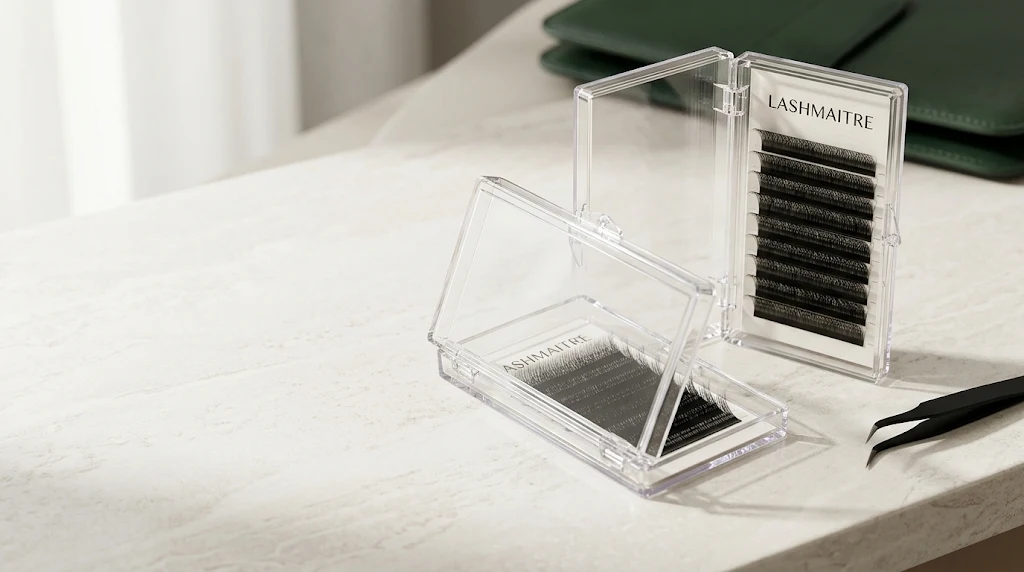
Direct answer: Lash tray lid clearance is the space and contact relationship between the closed inner-tray lid and the mounted lashes. To approve it, close a production-equivalent tray with the intended lash style and row layout, inspect for fiber contact or displacement, open it again, and compare the result with a coded reference. A loose lid photograph or an empty tray does not establish the fit of a finished wholesale SKU.
For a lash brand or distributor, a lash tray lid clearance check is a narrow packaging decision. The lash tray inspection checklist covers general tray and pack condition. This guide addresses the inner lid above the fibers, especially when a buyer changes tray depth, lid shape, lash profile or strip position. The outer retail sleeve and master carton have separate fit questions.
Lash tray lid clearance: define the finished sample
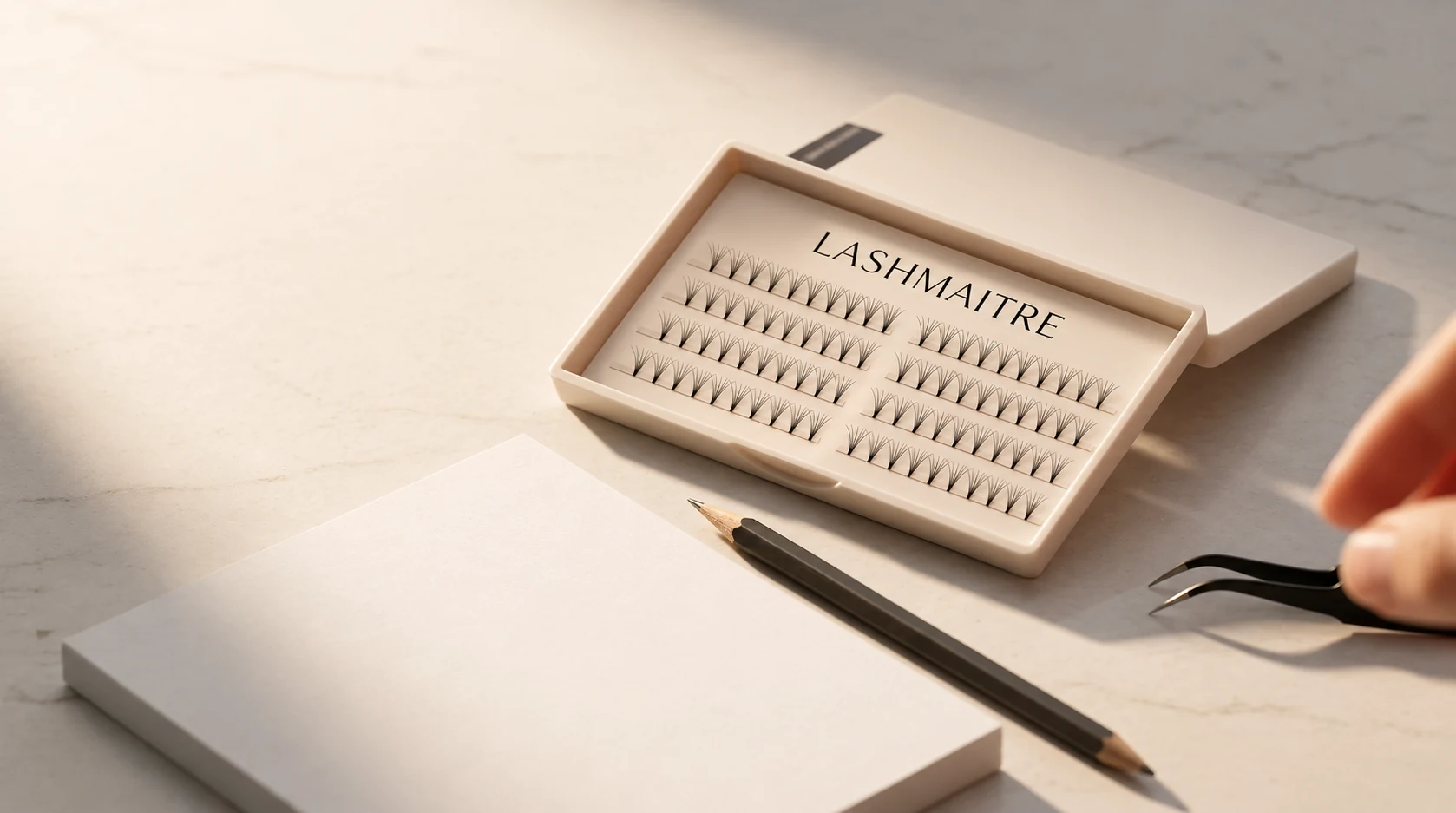
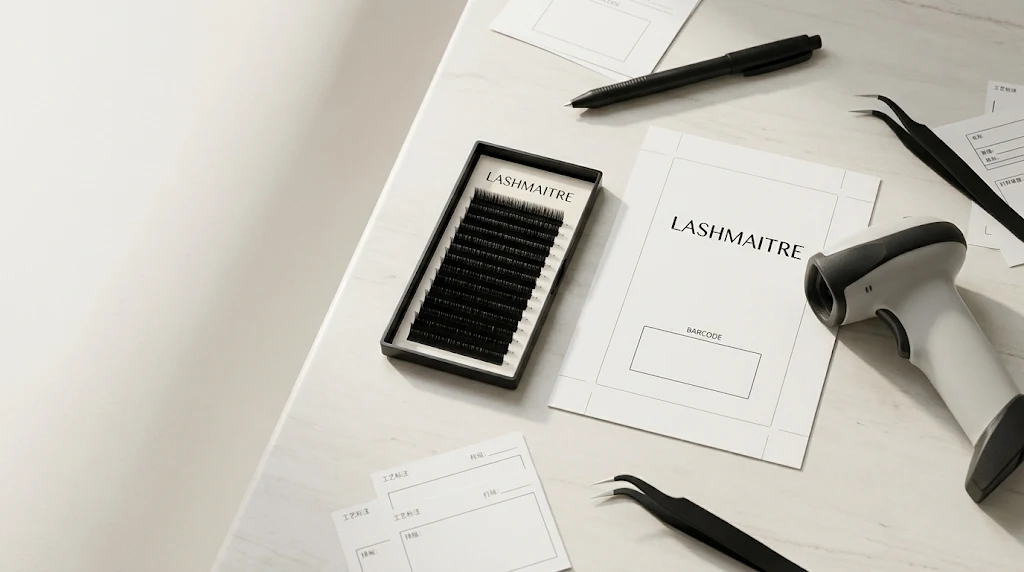
Put one identifiable product and pack combination on the test sheet: lash or premade-fan specification, row map, strip placement, tray base, lid, card and outer box. Photograph the sample ID before opening. If the supplier has proposed a new lid on an old tray, retain both versions and record which parts were actually paired. A result from one combination cannot be carried over to another by appearance alone.
Measure the finished assembly at the points relevant to the product. A depth figure taken from an empty plastic shell can miss the height of a raised lash row, a bowed card or a strip placed closer to the lid. The buyer and supplier should agree on the measurement points and acceptable result for this SKU; this article does not set a universal millimeter clearance.
| Buyer check | What to observe on the coded sample | Record to keep |
|---|---|---|
| Closure | Does the lid seat and latch as intended without extra force? | Closed-view photos and closure method |
| Highest row | Do fibers, fan tips or strip ends touch the lid? | Row location and close-up before opening |
| Reopening | Does the product remain in its approved position? | Open-view photo and displaced-item count in the checked sample |
| Label and hinge | Do a label, hinge or latch distort the closed tray? | Component version and location |
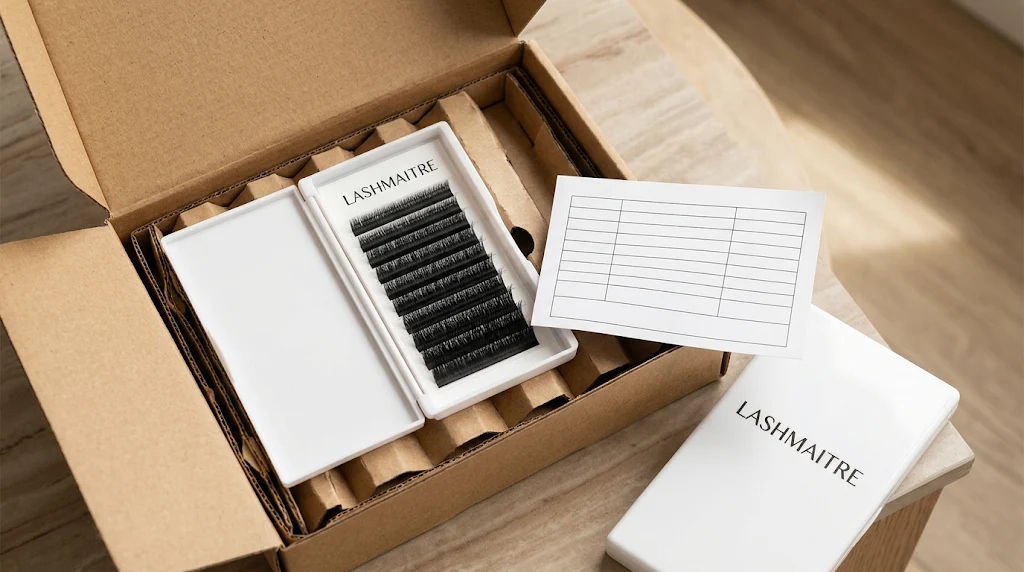
| Finished pack | Does the closed inner tray fit the approved outer pack? | Inner/outer pack codes and assembled photo |
These are proposed inspection fields, not measured LASHMAITRE results. Record both observed problems and the number of units actually checked. A single clean sample is a development observation, not proof that every production tray will close the same way.
Test contact with the actual lash profile
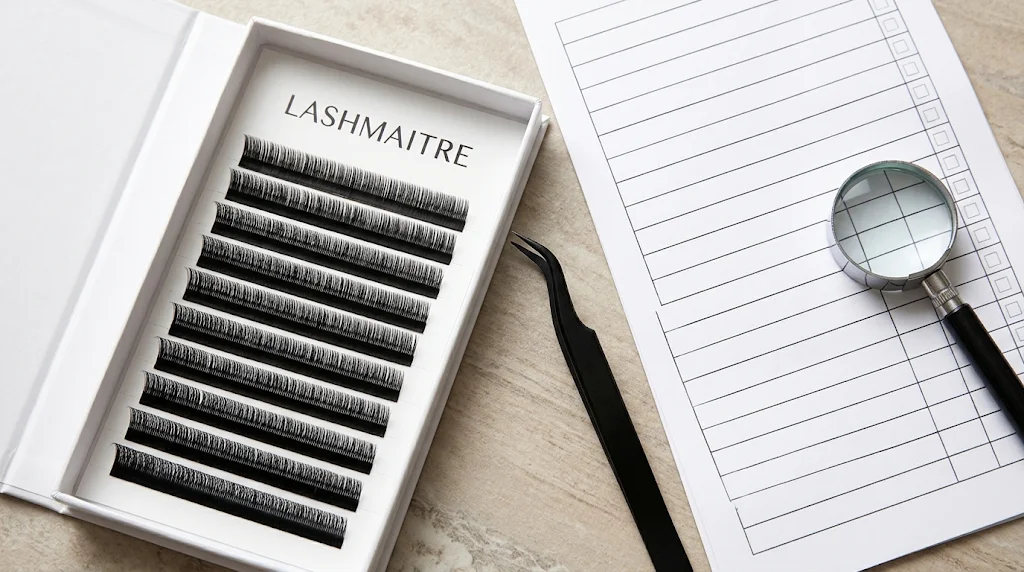
First photograph the unhandled rows. Close the lid using the normal pack-out method. Do not push a resisting lid into place to manufacture a pass. Observe the front edge, hinge side and middle of the clear lid under suitable light. If contact is uncertain, use an agreed non-damaging check method and have the supplier document it; avoid a test material that itself bends the fibers or changes closure.
Reopen the tray and compare the same rows. Look for flattened tips, disturbed fan spread, fibers caught near the latch and strips lifted from their position. Note whether the problem is isolated to one row or repeats across the checked units. If the product changed at the same time as the lid, test matched combinations so the cause is not assigned to the lid without evidence.
This is a product-pack fit review, not a transport certification. If the buyer needs distribution performance, define the shipping route and test the complete packed configuration separately. ISTA's design and testing guidance explains why the distribution environment and packaged product must be considered together; it does not certify this lash tray or supply a lash-specific pass limit.
Hold changes that alter the clearance
The approved lash tray lid clearance record should identify the tray cavity, lid, hinge or latch, lash specification, strip and card revisions. A new curl, longer length mix, taller fan profile or changed strip position can alter the highest point even when the tray model number stays the same. A revised retail sleeve may also change how tightly the inner tray is held. Require a new coded sample when these relationships change.
For a repeat order, compare the received tray with the retained sample. Inspect a defined portion of the shipment, record the lot and note any interference or damage. Agree in advance what triggers a hold, a larger inspection or a replacement discussion. Do not turn a small sample into a claim about the full shipment. The LASHMAITRE quality-control overview is the broader B2B route for agreeing product and packaging checks.
Send a lid-clearance sample request
Send the current tray and lid references, lash or fan sample ID, row map, proposed change, quantity, destination and outer-pack plan through Wholesale Lash Extension Samples. Ask for a matched physical sample and a written quotation for the exact combination. Current availability, MOQ, tooling, price and lead time require confirmation in that quotation. If the fit is still undecided, use the B2B wholesale inquiry to request the available sample route.
Buyer FAQ
Is a clear lid enough to judge lash tray lid clearance in a photo?
No. Perspective and reflections can hide contact. Close and reopen a coded physical tray with the intended mounted product.
Can I approve a lid using an empty tray?
An empty tray can show basic component fit, but it cannot establish clearance above the actual lash or fan profile. Check the finished configuration.
Is more space above the fibers always better?
Not automatically. A different cavity or lid can affect tray dimensions, product movement and outer-pack fit. Agree the necessary clearance and complete-pack checks for the specific SKU.
When should a repeat order be retested?
Retest lash tray lid clearance when the lid, tray, lash profile, strip position or pack-out method changes, or when receiving inspection shows contact or displaced fibers. Keep the approved sample and version record for comparison.
What should I include in a quote request?
Include the product specification, tray and lid codes, requested change, quantity, private-label artwork scope, destination and desired sample stage. Ask the supplier to confirm which combination can actually be sampled and quoted.

Lash Maitre: Your Trusted Partner in Eyelash extension Solutions
Lash Maitre is dedicated to providing professional insights and tips in the eyelash extension industry. Sharing the latest trends, techniques, and product knowledge, Lash Maitre helps lash artists and enthusiasts enhance their skills, stay inspired, and achieve the perfect lash experience.