Brown Cluster Lash Kits: 7 Essential Checks for Easy Refills
Share
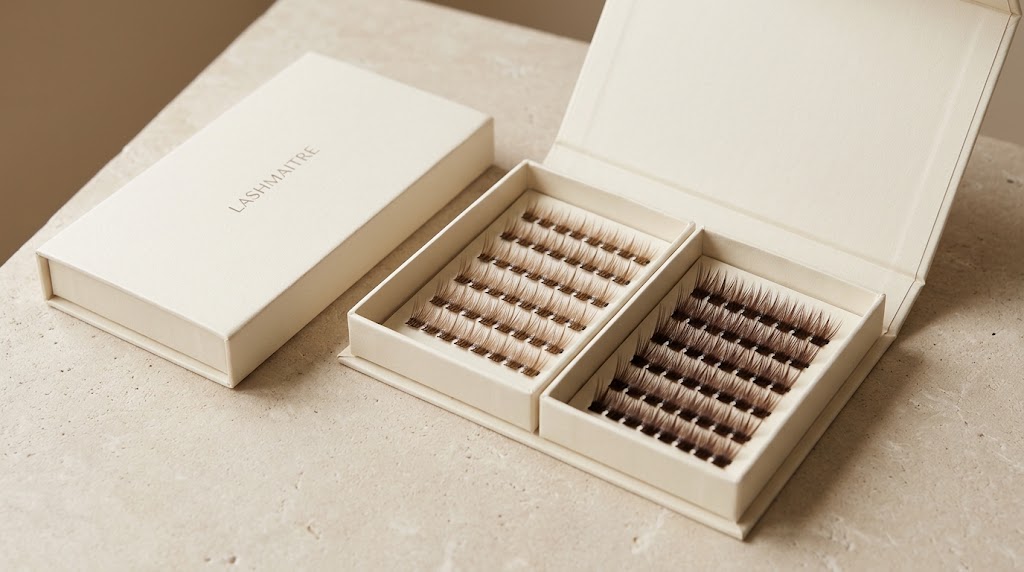
Approve brown cluster lash kits with a shade-by-length contents map, identified adhesive format and matching refill codes. Keep fiber shade separate from band color, and record the quantity in each compartment. A product name or warm-toned photograph cannot establish the shade mix or confirm that a refill matches the original kit.
For a lash brand or distributor, the useful question is not simply whether a tray looks brown. It is whether the customer can identify the mix, reorder the same combination and replace a depleted part without changing the intended assortment. This guide turns that decision into a practical sample record for brown cluster lash kits. It separates the appearance of the fibers from the adhesive system and makes refill planning part of the initial approval.
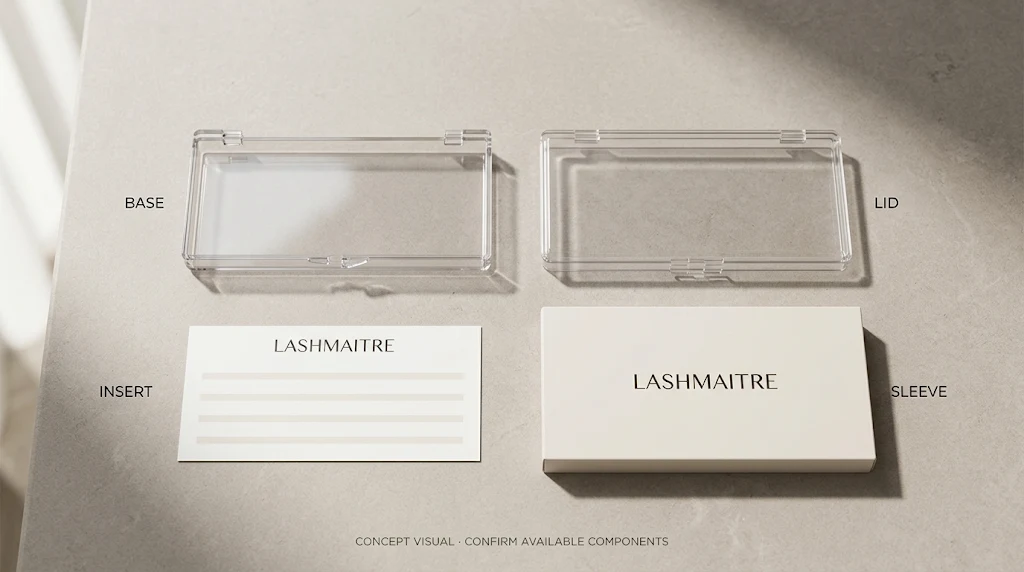
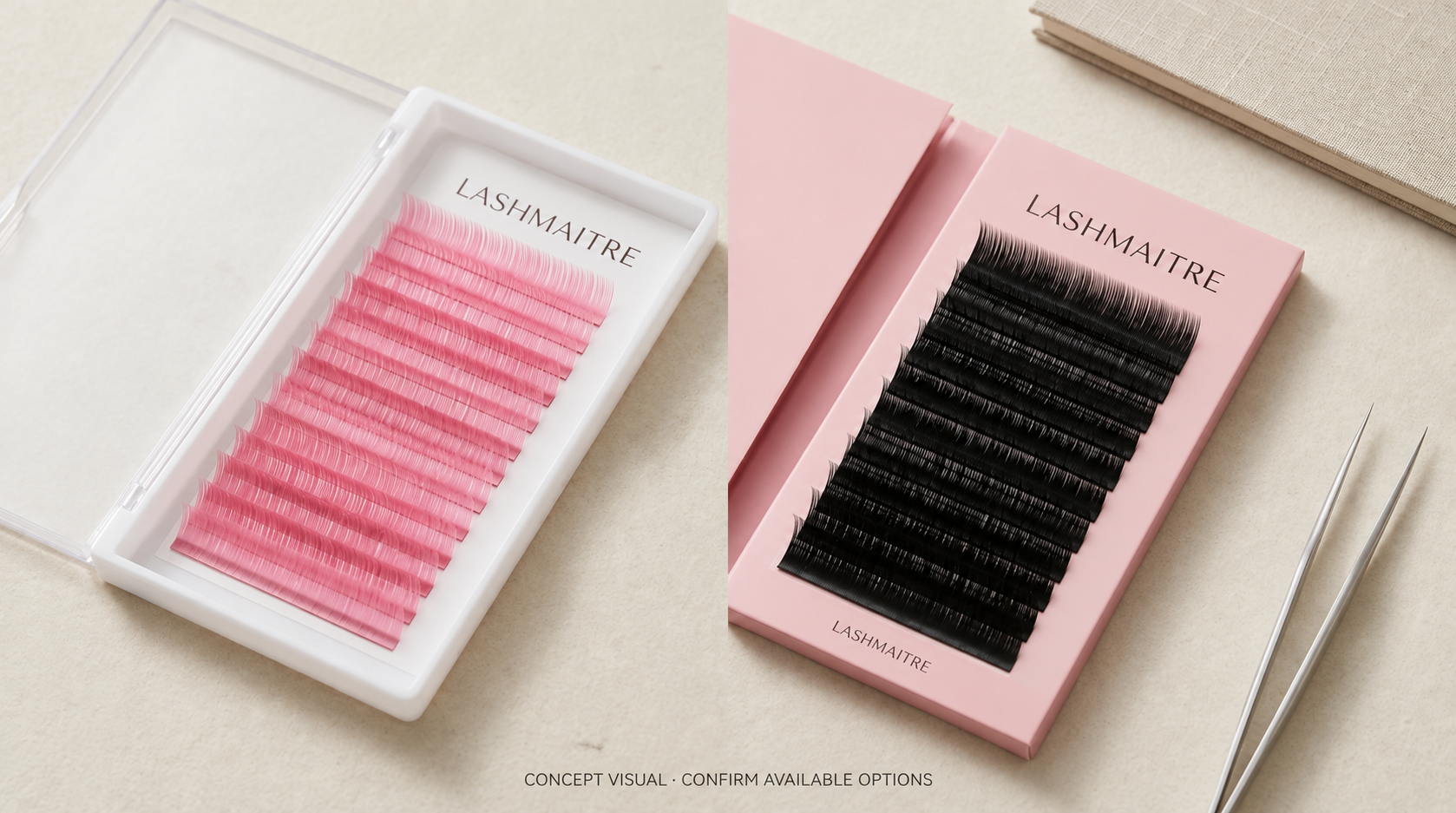
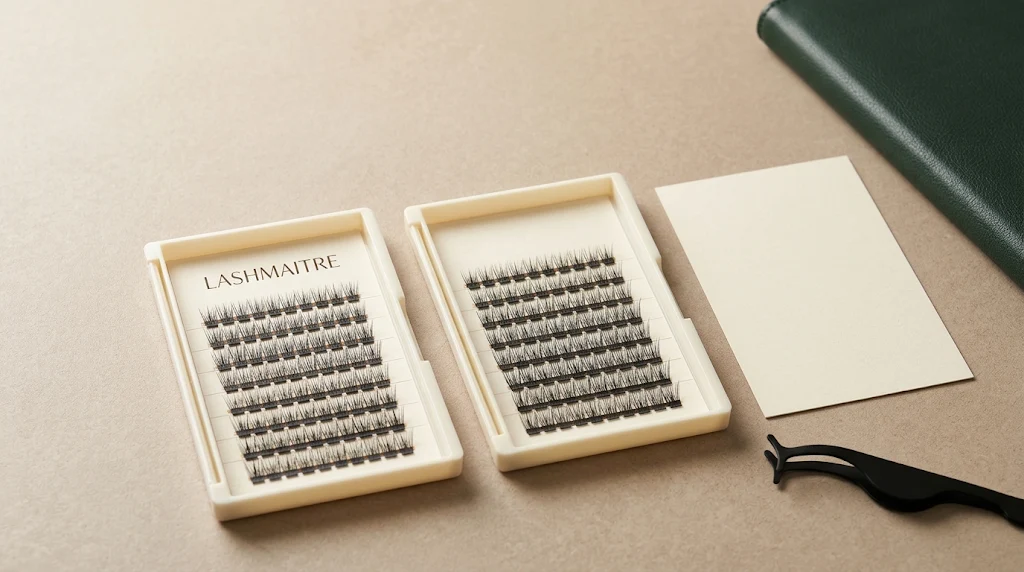
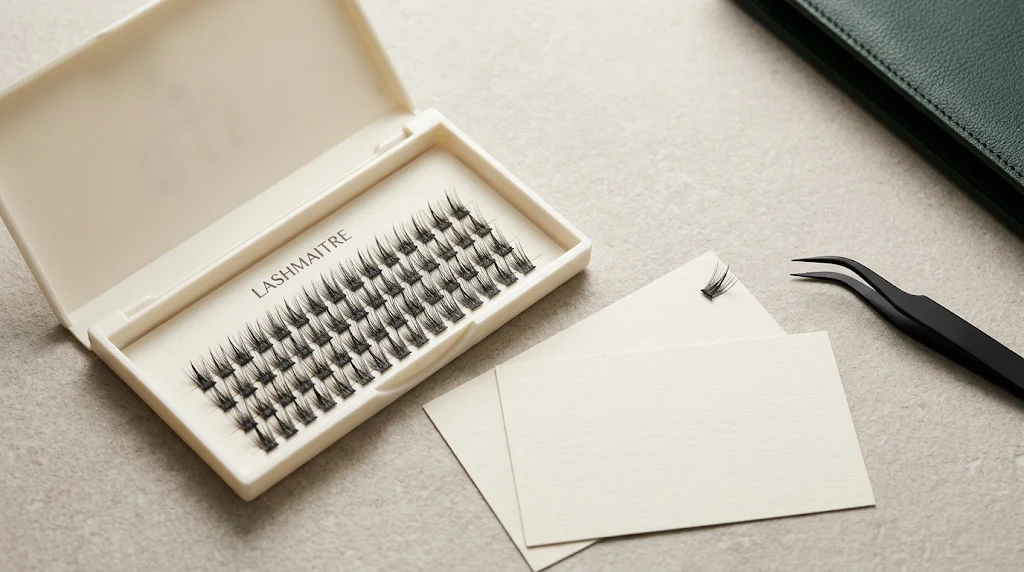
Product images are concept illustrations, not evidence of a stocked SKU, tested performance or approved specification.
1. Define the format of brown cluster lash kits
Specify segmented lash clusters: separate groups of fibers on short bases. Do not substitute a full-eye strip pair or a professional premade fan tray simply because the photographs show similar colors. Record whether the request is for a complete retail kit, a lash-only tray or a refill. These are separate purchasing units even when they use the same cluster style.
Write down the attachment system independently. A pre-applied adhesive, a separate bond-and-seal combination and an uncoated lash-only tray require different contents descriptions. A brown shade does not identify any of those systems. Use the existing pre-glued versus bond-and-seal comparison for that separate choice, then keep the chosen format consistent in this sample request.
2. Map shades and lengths in brown cluster lash kits
Ask for a row or compartment map that lists the shade reference, nominal fiber length and number of clusters. Keep the supplier’s measurement convention with the record; a printed length without a stated method is a weak reference. Total piece count is useful, but it cannot tell the buyer which part of the assortment will run out first.
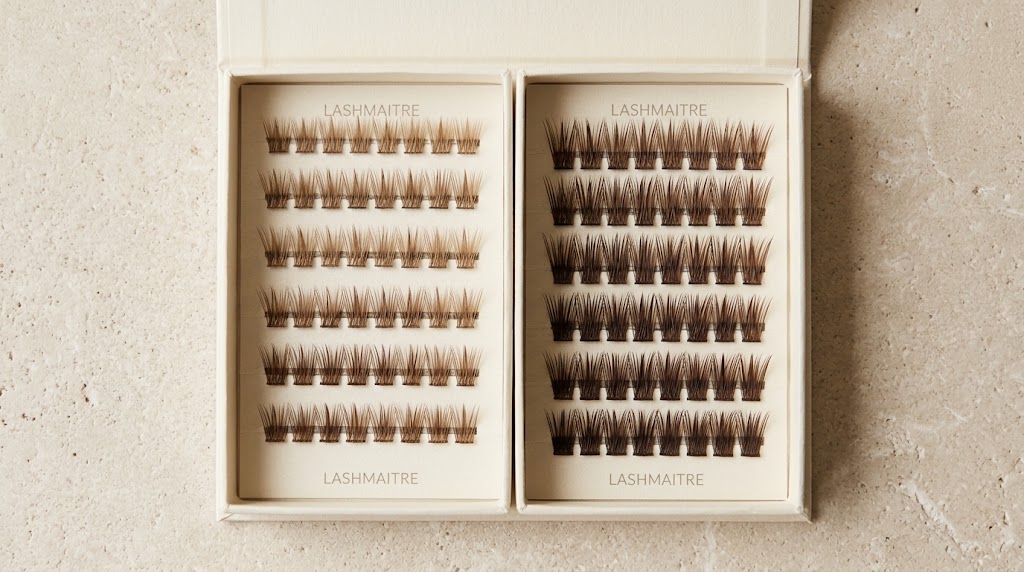
For illustration, a buyer might request four compartments: two shades crossed with two lengths. This is a planning example, not a recommended ratio or a stocked configuration. Fill in each compartment quantity from the proposed sample and confirm that their sum agrees with the outer pack. If a compartment contains a mixture, describe that mixture explicitly instead of treating its location as a shade code.
3. Separate shade mixing from blended fibers
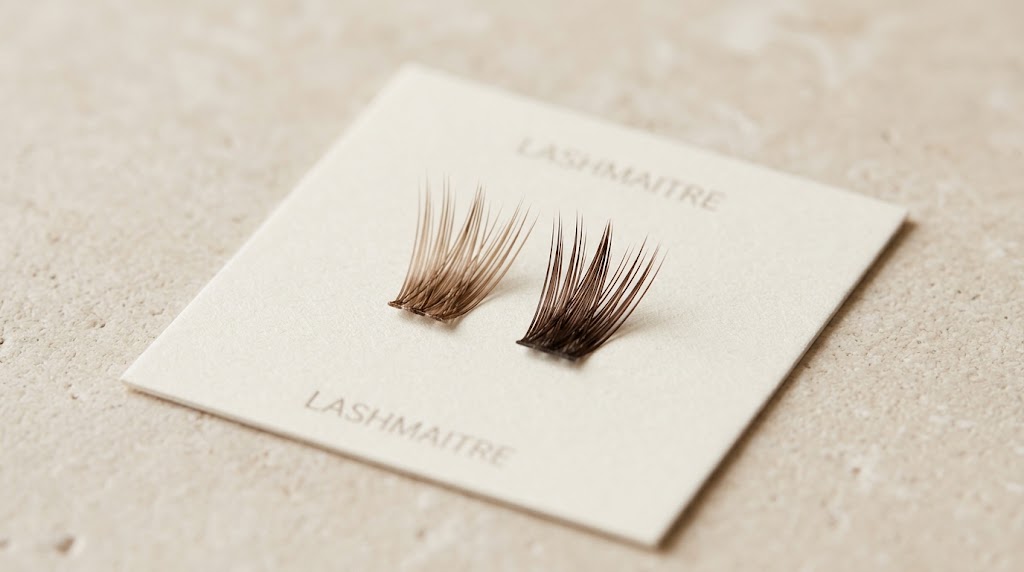
Mixed brown can describe separate light and dark clusters in one pack, or two fiber colors blended within each cluster. Those arrangements are not interchangeable. Ask the supplier to identify which is proposed and show a close view of one loose cluster as well as the complete tray. Keep band color in a separate field because a dark base can make a light fiber group appear darker at a distance.
Compare real reference samples under the same lighting and background. Approve a physical shade reference with a code rather than relying on a warm product photograph or names such as chocolate and espresso. The illustration in this guide helps identify the kind of comparison to request; it does not establish an approved shade standard.
4. Match brown cluster lash kits to refill codes
For brown cluster lash kits, decide whether a refill restores the entire original mix or replaces a single shade and length group. Put that choice in the product description and quotation. A refill with the same overall brown appearance but a different allocation is a different assortment, even if it fits inside the same box.
Build a simple lookup from the kit version to each compatible refill. Include the cluster style, shade reference, length allocation, band format and adhesive identity where relevant. When one element changes, review the relationship before retaining the old refill claim. Do not assume a component is interchangeable solely because its tray dimensions match.
| Buyer field | What to record | Decision boundary |
|---|---|---|
| Shade identity | Physical reference and assigned code | Names alone are not a match standard |
| Length allocation | Length reference and pieces per compartment | Total count hides the mix |
| Mix type | Separate shades or blended fibers | These create different assortments |
| Refill relationship | Kit version mapped to refill code | Fit in the box does not prove a match |
| Included components | Included, optional or excluded list | Images do not confirm delivery contents |
| Approval record | Sample ID, date and artwork version | Keep changes traceable |
5. List each included component
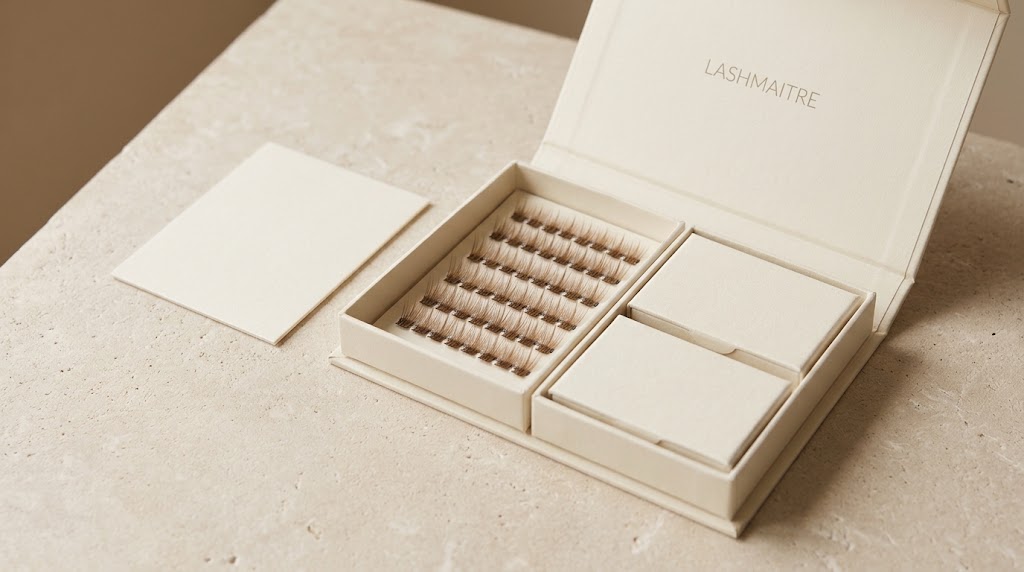
A tray photograph cannot confirm what will arrive in the shipment. Specify lash trays, adhesive products, applicators, instructions and packaging separately, marking each as included, optional or excluded. For lash-only brown cluster lash kits, say clearly that the order covers the lash assortment and packaging rather than an application system.
When a liquid or adhesive is included, retain its product identity and current instructions with the kit record. Review ingredient and label information for the destination market through the appropriate product review process. The FDA’s eye cosmetic safety guidance discusses false eyelashes and adhesives and emphasizes checking adhesive ingredients; it is not an approval of a particular kit.
6. Match the pack proof to the actual sample
Review the tray map, contents list and product photograph together. A picture of two open shade trays should not represent a pack that contains only one tray unless the difference is clearly explained. Similarly, a closed compartment is not evidence that a particular refill or accessory is inside. Request an unpacked sample view when the contents are unclear.
Check whether shade identifiers remain readable when the tray is removed from the outer box. The buyer should still be able to connect that tray with its refill record. Keep artwork and sample revisions together so a later label change does not silently rename an existing mix. Product claims and illustrative images should also be distinguishable in retail copy.
7. Retain the mix before approving a reorder
Keep one approved reference set and a dated contents map. At the next order, compare the submitted allocation with that record before discussing substitutions. Ask the supplier to identify changes to shade, fiber pattern, cluster base, adhesive format or tray allocation. A replacement that looks close in a small photograph still needs a documented decision.
Use actual sell-through and refill requests to adjust the assortment after launch. Without those records, a preferred light-to-dark ratio is an assumption, not a demand forecast. Change one defined mix at a time and keep the previous version identifiable so customer support can tell which refill belongs to which kit.
A worked mix-sheet example
For brown cluster lash kits, a useful approval sheet separates the assortment from the packaging. Consider a hypothetical buyer who requests a light shade and a dark shade, each in a short and a long option. Give those four combinations temporary reference labels, then leave quantity cells blank until the supplier returns the proposed allocation. These labels are planning aids, not LASHMAITRE product codes. The buyer can now compare two quotations without assuming that equal total counts represent the same mix.
Suppose the returned sample contains both shades but the longer option appears only in the dark group. The pack may still meet the total quantity, yet it does not match the requested matrix. Record that difference as an assortment decision. Ask for a corrected allocation or explicitly approve a revised brief; do not silently describe the sample as the original four-part request. This distinction makes brown cluster lash kits easier to reorder accurately.
Separate replenishment from a revised assortment
A refill request can expose a different issue. If customers use one shade first, replenishing the entire kit creates leftover stock in the other shade. Compare a single-shade refill with a full-mix refill using the actual proposed contents and quotation. Keep adhesive inclusion, packaging and order unit consistent when comparing prices. A cheaper tray is not necessarily a like-for-like refill when its supplied components differ.
Before approving revised brown cluster lash kits, identify who owns each open item: the buyer confirms the intended mix, the supplier confirms the proposed contents, and the artwork reviewer checks the labels against that decision. Keep unresolved cells marked “to confirm.” A signed box proof cannot close an unanswered shade-allocation question. Retain the final contents sheet with the approved sample reference so purchasing and customer support use the same version.
FAQ: brown cluster lash kits
Does mixed brown in brown cluster lash kits mean separate shade rows?
No. It can describe separate shade groups or blended fibers within a cluster. Confirm the intended arrangement and record it in the contents map.
Can brown cluster lash kits and refills share a SKU?
A kit and a refill should be distinguishable wherever their supplied contents differ. The exact coding system is a business choice, but order records must identify which unit is being purchased.
Do brown cluster lash kits always include adhesive?
No universal inclusion rule follows from the product name. Confirm the attachment format and every included component in the quotation.
Can images replace shade samples for brown cluster lash kits?
No. Lighting, display settings and image editing can change the appearance. Use a retained physical reference for shade approval.
Related buying resources

Lash Maitre: Your Trusted Partner in Eyelash extension Solutions
Lash Maitre is dedicated to providing professional insights and tips in the eyelash extension industry. Sharing the latest trends, techniques, and product knowledge, Lash Maitre helps lash artists and enthusiasts enhance their skills, stay inspired, and achieve the perfect lash experience.