Squirrel vs Cat Eye Lash Extensions: 7 Best Buyer Checks
Share
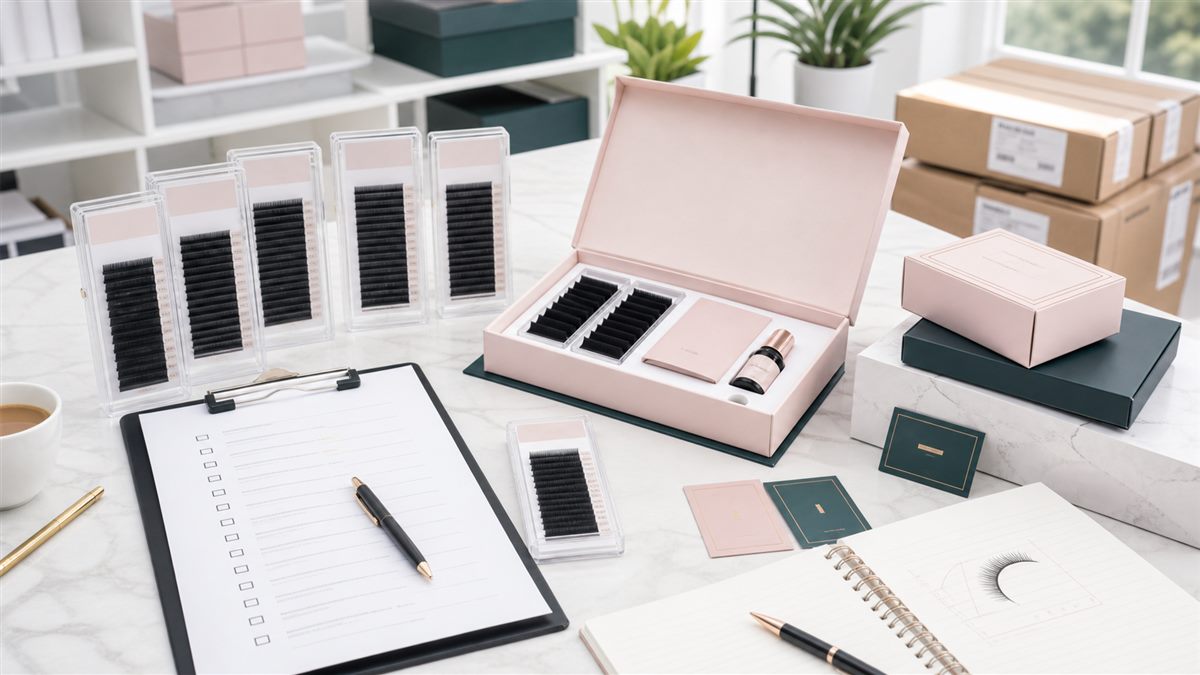
Squirrel vs cat eye lash extensions differ most clearly at the peak and final outer zone. A squirrel map usually reaches its high point before the outer corner and then steps down. A cat-eye map carries the visual emphasis farther outward. For buyers, the practical difference is which lengths are consumed near the peak, how the taper is documented and whether the salon needs distinct replenishment stock.
Neither style name establishes one fixed curl, density, construction or millimeter map. A trained artist must adapt the design, while the purchasing team records the approved product and row usage.
Squirrel vs cat eye at a glance
| Buyer check | Squirrel direction | Cat eye direction | Approval record |
|---|---|---|---|
| Peak | Before the final outer corner | Farther through the outer third | Marked map zone |
| Final edge | Noticeable step-down or taper | Longer outward direction, with taper if needed | Last-zone lengths |
| Visual effect | Lift with a controlled tail | Elongation and winged emphasis | Front-view photo |
| Length use | Peak and taper need neighboring rows | Outer build may consume longer rows | Row-consumption log |
| Main risk | Taper too small to read | Final corner becomes visually heavy | Open-eye review |
This table describes map direction. It does not prescribe which style is suitable for a particular person or how much weight a natural lash can carry.
1. Mark the peak before choosing the longest row
Start with a map card that identifies the peak zone. For a squirrel direction, mark where the rise stops and where the final taper begins. For a cat-eye direction, mark how far outward the emphasis continues and whether the last section needs a small controlled reduction.
Comparing only the longest number hides the real difference. Two maps may use the same longest row but place it in different zones and produce different stock consumption.
2. Use the existing squirrel and cat-eye guides as source pages
The Squirrel Eyelash Extensions Wholesale Guide remains the detailed squirrel-map owner. The Cat Eye Lash Extensions Map owns the broader cat-eye planning path. This page compares the peak-and-taper decision between them.
Keeping those boundaries prevents a new comparison from replacing the established hub pages. It also gives a buyer a direct route from visual choice to the relevant tray-planning guide.
3. Photograph the taper from matched angles
Use the same model position, lighting and camera distance for both test sets. Capture a closed-eye view to show the mapped line and an open-eye front view to show the visible peak.
For a squirrel sample, confirm that the final edge is clearly shorter than the peak without an abrupt gap. For a cat-eye sample, confirm that the outward sweep is still controlled and does not depend on one unsupported final fiber.
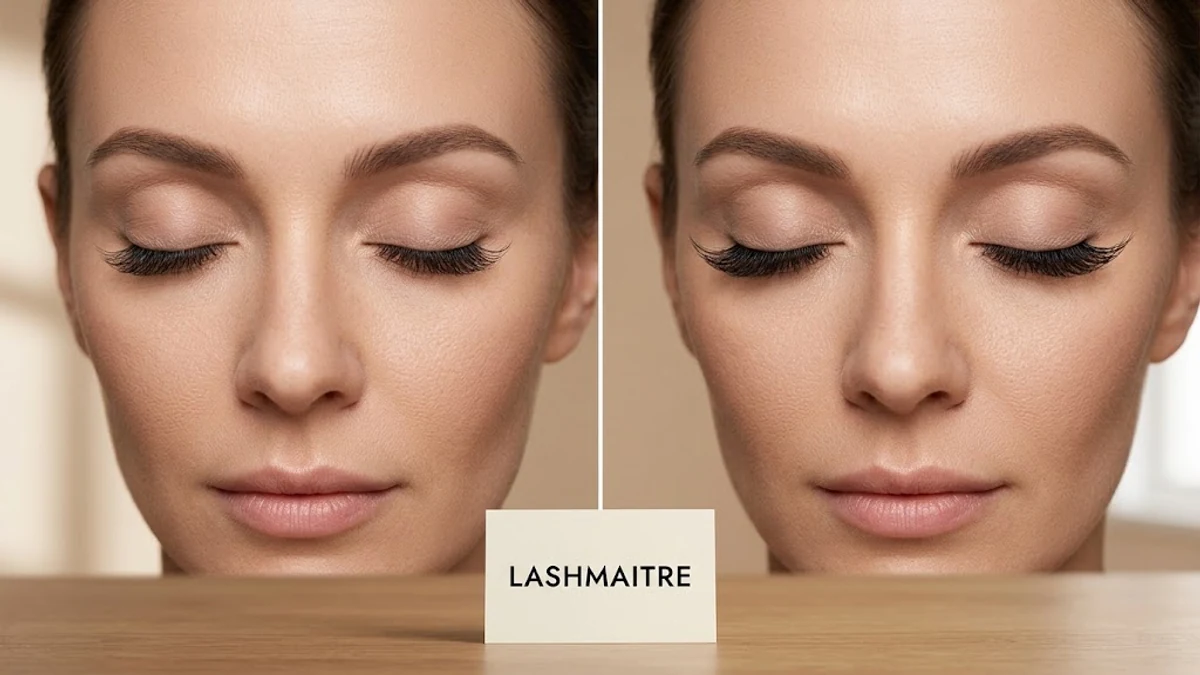
The hero image is a generated editorial illustration of the visible direction. It is not a real-client result, a technical map or proof of product performance.
4. Plan a controlled mixed-length test
A mixed-length tray can provide neighboring rows for the rise, peak and taper. It should be treated as a test assortment rather than a mandatory full map. Review Mixed Length vs Single Length Lash Trays before deciding which rows deserve single-length replenishment.
| Sample field | Squirrel record | Cat eye record | Evidence |
|---|---|---|---|
| Product family | Approved construction | Approved construction | SKU and tray label |
| Curl | Actual supplier profile | Actual supplier profile | Side-profile image |
| Peak zone | Marked before the edge | Marked farther outward | Map card |
| Final taper | Step-down lengths recorded | Outer build and any taper recorded | Closed-eye image |
| Visible result | Lift and controlled tail | Elongated outer direction | Open-eye image |
| Consumption | Rows used by service | Rows used by service | Dated log |
If one tray supports both maps, keep separate usage records. Shared products do not eliminate the need to approve two different service results.
5. Select construction after the map direction
Classic, hybrid and volume describe construction or service composition, not peak placement. Decide the squirrel or cat-eye silhouette first, then choose the approved product family and density.
A salon may offer Squirrel Classic and Cat Eye Volume, or the reverse. The buyer should not infer construction from the map name. Put product family, curl, diameter, length format and supplier SKU on the purchase record.
6. Check curl with the taper
Curl changes how the peak and final edge appear from the front. Compare the actual profile with natural-lash direction and lid clearance. Do not use a stronger curl simply to force the map to look lifted.
If a supplier's curl sample changes, repeat the matched-angle photographs. Curl labels alone are not enough to prove that the visible peak and taper remain consistent.
7. Reorder the peak and outer rows from evidence
After several controlled services, compare which rows are used most. A squirrel menu may consume more neighboring rows around the pre-corner peak and its step-down. A cat-eye menu may consume more rows assigned to the outer build. The actual pattern depends on the salon's map and booking mix.
Keep the trial small until the log supports a reorder. One attractive photograph does not establish future demand or justify stocking every length.
8. Send the supplier a complete comparison brief
Attach both map cards and list the requested construction, curl, length format, quantity basis, packaging preference and destination. Ask the supplier to confirm current combinations, sample terms and any unavailable option.
Use Wholesale Lash Extension Samples to organize the trial. Then submit the actual specification through the wholesale inquiry form.
The U.S. FDA treats false eyelashes, eyelash extensions and their adhesives as cosmetic products and advises checking ingredients and stopping use if irritation occurs. Review FDA Eye Cosmetic Safety. This buying guide does not replace professional training, individual assessment or medical advice.
FAQ
What is the difference between squirrel and cat eye lash extensions?
A squirrel map usually peaks before the final outer corner and then tapers shorter. A cat-eye map generally carries its visual emphasis farther outward. Salons should document their own peak and taper because the names are not universal specifications.
Which map tapers at the outer corner?
The outer step-down is a defining feature of many squirrel maps. A cat-eye map can also use a controlled final taper when the outer natural lashes or requested result require it, but its overall emphasis remains farther outward.
Can one mixed tray test both squirrel and cat eye styles?
Yes, if it contains the neighboring lengths used by both approved maps. Record row use separately and add single-length trays only after repeat services show a stable replenishment need.
What should a supplier sample request include?
Include product construction, curl, length format, quantity basis, packaging preference, both marked maps and the photographs required for approval. Ask the supplier to confirm current availability for the exact request.
Record the peak, taper and reorder path
Choose between squirrel and cat eye by where the design peaks and how the final edge behaves. Approve the matched photographs, keep the row-consumption record and use LASHMAITRE samples and the B2B inquiry path to confirm the supply plan.

Lash Maitre: Your Trusted Partner in Eyelash extension Solutions
Lash Maitre is dedicated to providing professional insights and tips in the eyelash extension industry. Sharing the latest trends, techniques, and product knowledge, Lash Maitre helps lash artists and enthusiasts enhance their skills, stay inspired, and achieve the perfect lash experience.



