
Training academy buyer guide
Training Academy Bulk Order Risk: 7 Control Checks
Training academy bulk order risk control helps schools scale from test kits to larger class supply without losing curl, label or fiber consistency.
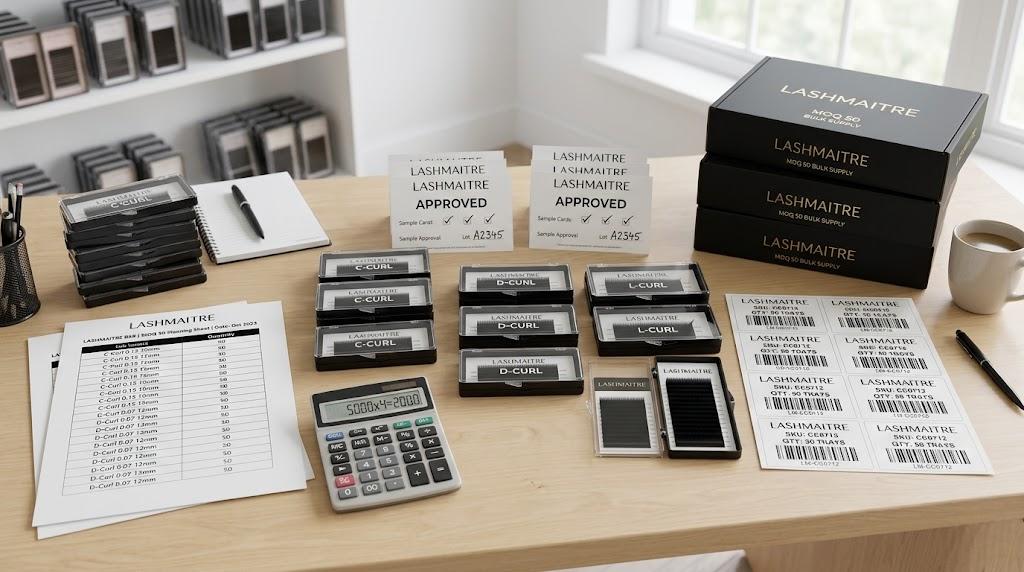
training academy bulk order risk: buyer snapshot
Training academy bulk order risk control helps schools scale from test kits to larger class supply without losing curl, label or fiber consistency. This page is built for B2B lash buyers and stays connected to samples, MOQ 50, quality control, private label support and the inquiry path.
Who this page is for
This page is for lash training academies, educators and beauty schools that need training academy bulk order risk before approving student kit inventory.
Start with approved samples
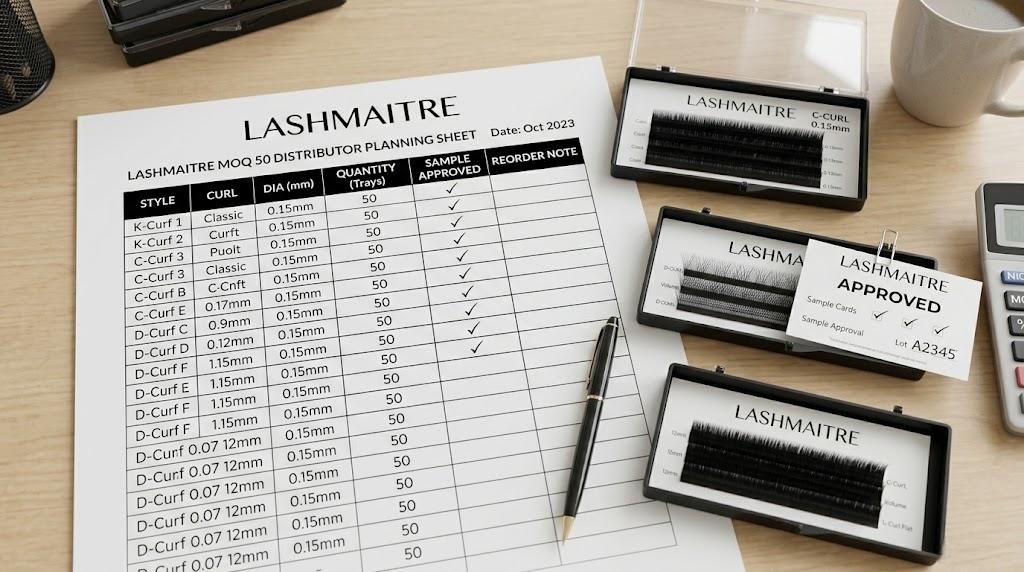
Training Academy Bulk Order Risk should begin with approved LASHMAITRE samples so curl, diameter, fiber softness, tray labels and packaging are not guessed from a catalog only.
Connect the decision to MOQ 50
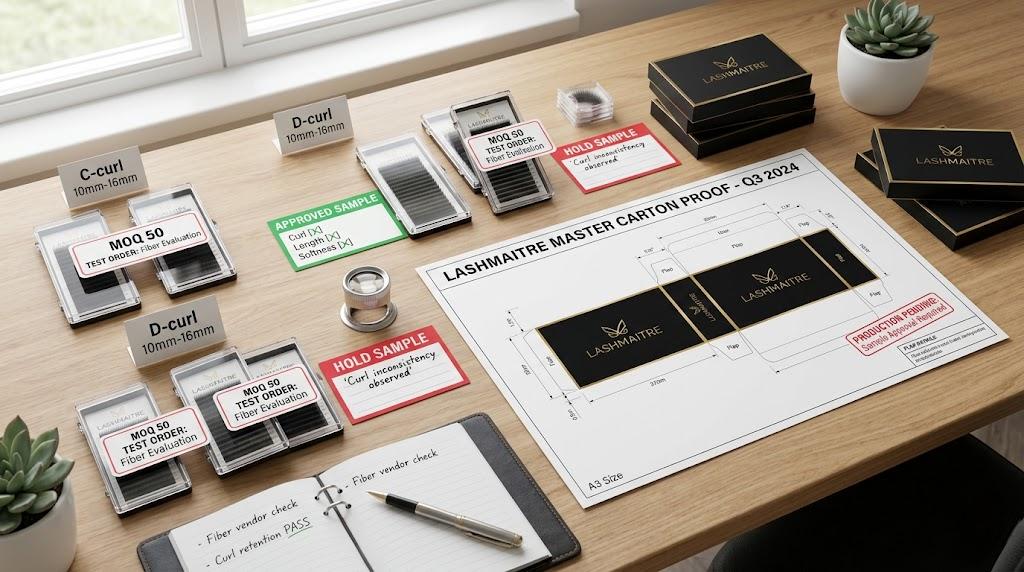
MOQ 50 helps training academies test student kit demand, avoid overbuying and keep enough stock for a real classroom feedback cycle.
Use clear SKU and batch records
Each academy kit should keep SKU, curl, diameter, length range, lot code, carton label and buyer approval notes for future reorders.
Protect the classroom experience
The final kit should be easy for educators to explain, easy for students to practice with and stable enough for repeat courses.
Prepare for the next reorder
Save approved sample photos, reorder timing, class size notes and QC records so the next academy order can repeat the same standard.
training academy bulk order risk: distributor checklist
| Risk area | What to check | Why it matters |
|---|---|---|
| Sample | Approved tray reference | Prevents drift. |
| MOQ | Starter quantity feedback | Limits waste. |
| SKU | Curl, diameter, length | Controls items. |
| Carton | Carton proof and barcode | Avoids packing errors. |
| QC | Inspection and lot notes | Supports claims. |
Useful references for buyers
For barcode and product identification planning, see GS1 barcode standards. For quality management context, see ISO 9001 quality management. For Google-readable page structure context, see Google structured data documentation.
FAQ
What is training academy bulk order risk?
It is the chance that a larger academy kit order does not match approved samples, labels or class needs.
How can academies reduce risk?
Use samples, MOQ 50 tests, clear SKU records, carton proof and QC notes.
Should bulk orders wait for feedback?
Yes. Classroom feedback helps decide what to repeat before scaling.
Why are carton labels important?
They help packing, storage and kit distribution stay accurate.
What should buyers send?
Send class size, target SKUs, approved samples and packaging needs.
Operational notes for the buyer
Before approving a school order, the buyer should turn the decision into a repeatable file. That file can include approved tray photos, SKU list, quantity per class, required delivery date, packaging proof, carton instructions and the person responsible for approving changes.
It also helps to separate the technical decision from the commercial decision. The technical side reviews fiber feel, base neatness, strip pickup, label clarity, length mix and stability. The commercial side reviews budget, starter quantity, calendar, storage and the next replenishment path. When these two sides are mixed without records, the next order often loses clarity.
After each course, save real usage observations: which trays ran out first, which styles caused confusion, which labels were easiest to read and what changes the education team requested. This information reduces repeat mistakes and makes the next buying round more stable.
How to control larger school orders without losing clarity
A larger academy purchase should be built from approved small decisions. The buyer can start with a test quantity, collect instructor notes, approve the tray mix and then scale the same record. This is safer than moving directly from a catalog selection to a large classroom order, because the team can check pickup, labels and packing before more money is committed.
Risk also comes from mixing too many changes in one purchase. If the academy changes tray style, sleeve design, carton label and delivery schedule at the same time, it becomes harder to know which item caused a problem. A better method is to lock the product standard first, then adjust packaging or quantity in a controlled way.
For every bigger order, keep one approved reference kit outside daily use. That kit becomes the comparison point for the next batch. When the reorder arrives, staff can compare fiber feel, label position, tray layout and carton notes before distributing kits to students. This simple habit protects course consistency and reduces refund or replacement discussions.
Move from sample notes to a wholesale order
Send your class size, target SKUs and approved sample notes. LASHMAITRE can help reduce academy bulk order risk.