
Lash tray specification guide
Curl and Diameter Selection for Lash Distributors
Curl Diameter planning should appear at the start of every lash distributor SKU decision.
Curl and diameter selection for lash distributors helps wholesale buyers decide which C curl, D curl, 0.05, 0.07 and 0.15 tray options deserve sample approval and bulk planning.
Curl and Diameter Selection for Lash Distributors
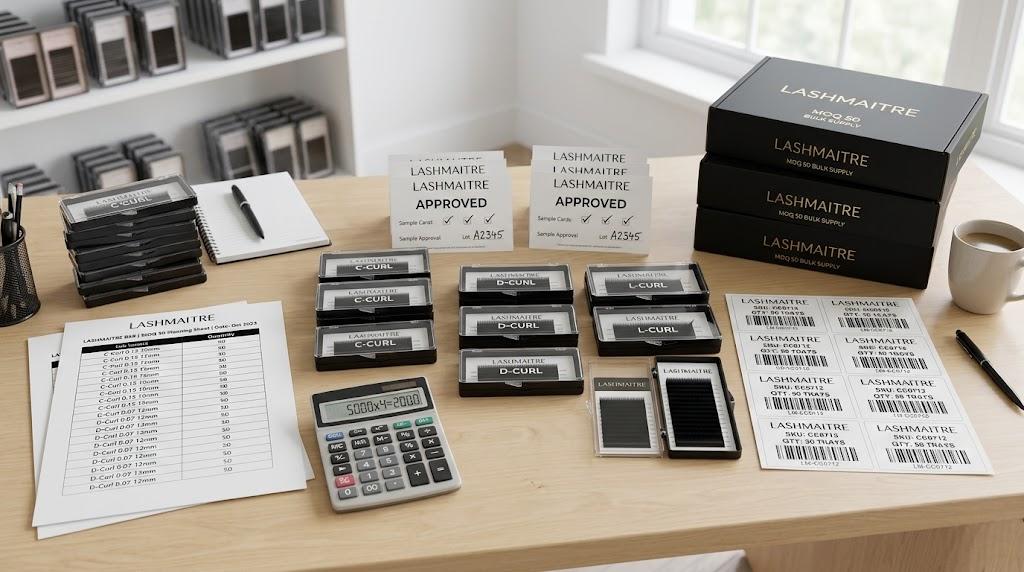
Curl and Diameter Selection for Lash Distributors: buyer snapshot
Curl and diameter selection for lash distributors helps wholesale buyers decide which C curl, D curl, 0.05, 0.07 and 0.15 tray options deserve sample approval and bulk planning. This page is built for B2B lash buyers and keeps the path connected to samples, MOQ 50, quality control, private label support and inquiry conversion.
Why curl and diameter need a buying plan
A distributor can easily create too many lash tray SKUs. Curl and diameter selection for lash distributors should start with repeat salon demand, not only a long catalog.
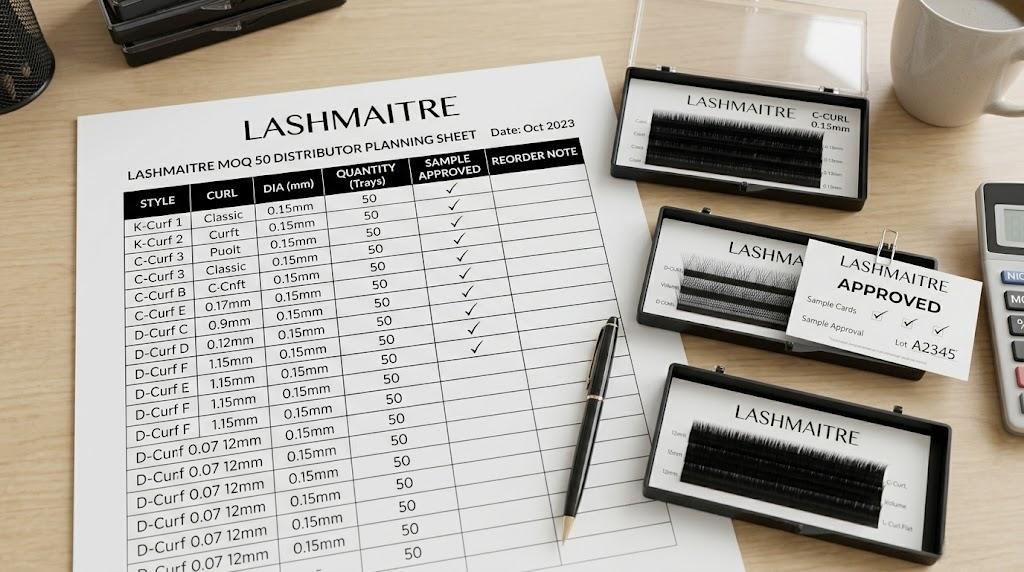
How to choose a starter mix
Use C curl and D curl as base options, then test 0.05, 0.07 and 0.15 diameters based on customer style, volume needs and lash artist feedback.
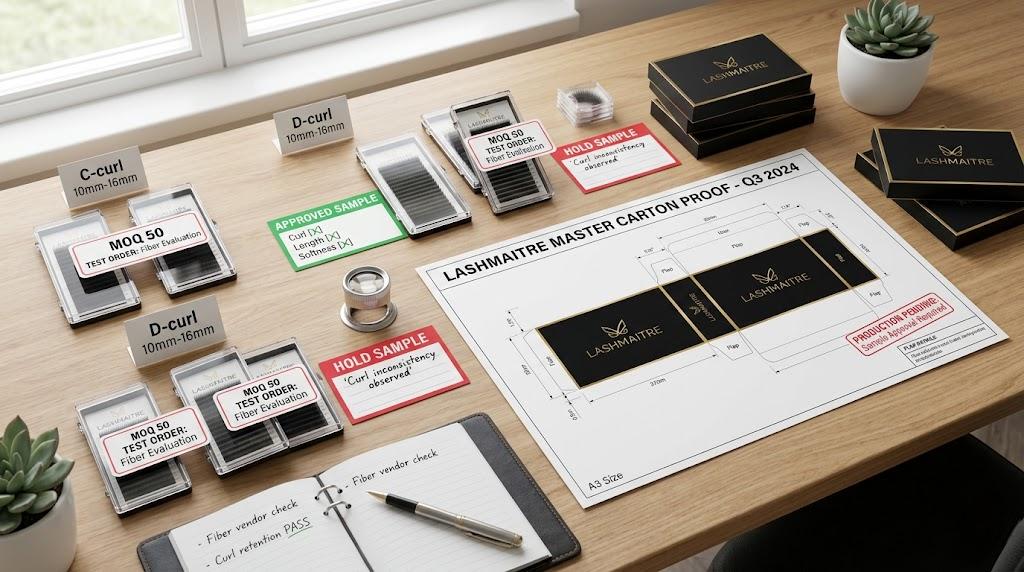
How LASHMAITRE keeps specs consistent
LASHMAITRE connects curl and diameter decisions to samples, MOQ 50, quality control, private label packaging and inquiry support so each reorder uses the same spec logic.
Curl and Diameter Selection for Lash Distributors checklist
| Spec choice | Buyer question | Planning note |
|---|---|---|
| C curl | Is the customer asking for natural salon sets? | Keep as a stable starter SKU. |
| D curl | Does the market prefer stronger lift? | Test with sample trays before bulk. |
| 0.05 | Is mega volume demand real? | Use for lighter fan planning. |
| 0.07 | Is volume demand consistent? | Often useful for balanced volume trays. |
Buyer handoff note
A clean distributor range starts with controlled choices. Buyers can separate starter salon demand from special-effect demand, then test only the curl and thickness options that support real repeat orders. This avoids a catalog with many slow-moving trays and keeps MOQ planning practical for the next purchase cycle.
Curl diameter selection reorder logic
Curl Diameter Selection should stay connected to reorder data. A distributor may start with C curl, D curl, 0.07 volume trays and a small number of 0.05 mega volume trays, then expand only after salon feedback is stable. The buying team should record which curl and diameter combinations get repeat requests, which trays create too much inventory and which options need a new sample. This keeps curl diameter selection practical for wholesale planning instead of turning the catalog into a long list of slow-moving SKUs.
For distributor records, barcode and carton-label planning can be compared with GS1 barcode standards, while multilingual page signals follow Google localized versions guidance.
FAQ
Which curl should distributors start with?
Most distributors start with C curl and D curl, then add CC or mixed trays after sample feedback.
Which diameter is safest for starter volume trays?
0.07 often works for balanced volume planning, while 0.05 supports mega volume and lighter fans.
Should curl and diameter be tested before bulk?
Yes. Samples help confirm fiber feel, curl shape and tray label accuracy before a large order.