Lash Cluster Applicator: 7 Wholesale Sample Checks
Share
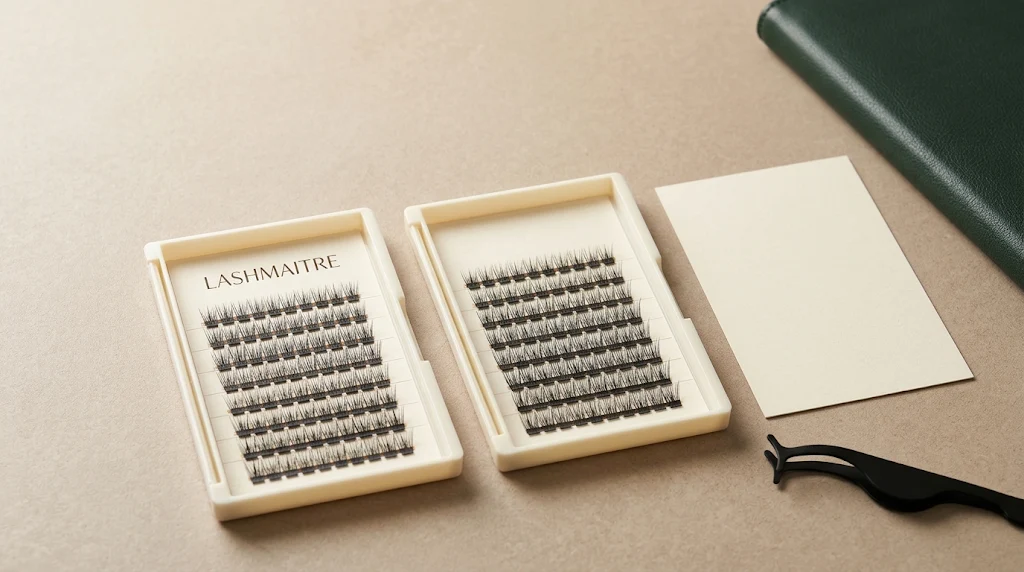
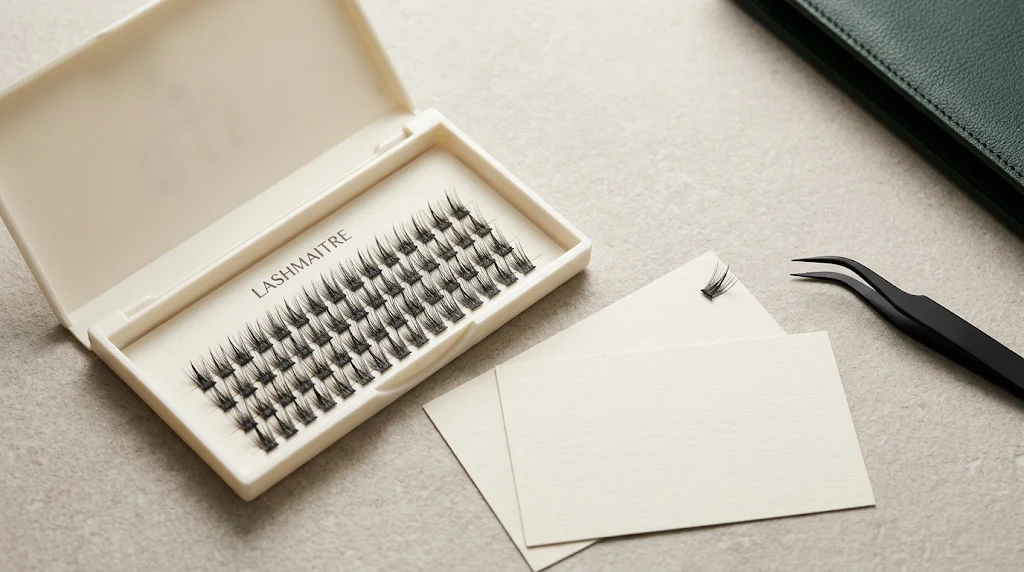
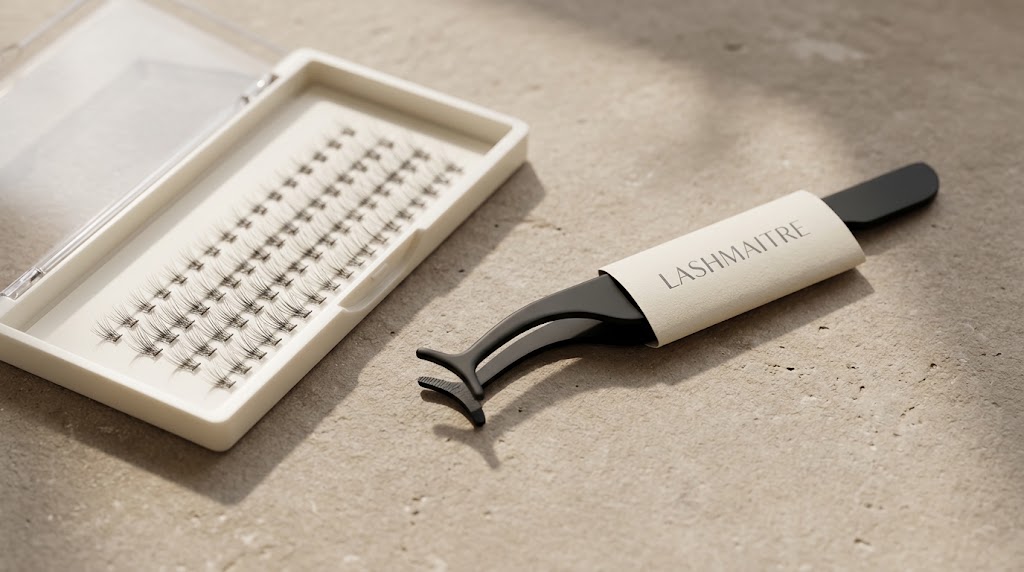
For lash cluster applicator wholesale orders, the tool should be approved as its own tool, even when it appears beside a cluster kit. Compare the actual jaw shape, closure, handling with the intended cluster format, surface finish and pack-out on a physical sample. Record whether the quote covers a tool alone or a kit component. Illustrative images in this guide are buyer-planning concepts, not product specifications or test evidence.
1. Identify the tool and selling unit
Start with the supplier model, version and a dated sample reference. A professional extension tweezer and a cluster applicator may look similar, but a photograph does not establish that they perform the same task. Write down whether the selling unit is one applicator, a pair, a protected tool, or a complete lash kit. Compare each quote against the same unit. Keep the lash cluster applicator model and selling-unit description together on the purchase order.
2. Inspect the jaw profile
Photograph both sides of the working tip and its closing faces. Request the quoted model’s drawing for overall length, gripping-face width, opening range and tip profile. On the actual sample, note visible gaps, alignment, contact area and any difference from the approved reference. Two curved tools can have different profiles. Record the model code and confirm whether the tool is intended for pickup, placement, pressing or more than one task. Do not infer a universal precision tolerance from a marketing picture.
3. Check the intended cluster match
Use the cluster tray and any planned refill in a controlled sample review. Record observed pickup, hold and release for that specific pairing. Keep the tool code and lash code separate. A result with one short-base cluster does not establish compatibility with a wider base, a pre-glued format or a full-eye strip. If the assortment changes, repeat the relevant check.
| Buying field | Sample record | Buyer decision |
|---|---|---|
| Tool identity | Model, revision and dated photos | Does it match the quote? |
| Jaw profile | Side and front views | Does it match the reference? |
| Cluster match | Tray and refill codes; handling notes | Which combinations were reviewed? |
| Selling unit | Tool-only or kit-included quantity | Are prices comparable? |
4. Inspect edges and finish
Under ordinary inspection light, note any visible burrs, scratches, uneven finishing, residue or packaging damage. A shiny appearance does not establish an alloy grade, sterilization status or durability result. Request model-specific material and care information if those facts matter to the destination market.
For U.S. eye-area safety context, the FDA eye cosmetic safety guidance notes the possibility of injury from an applicator. This is general guidance, not certification of this tool or a substitute for checking the actual sample and its instructions.
5. Match kit and replacement versions
If a lash cluster applicator is sold inside a cluster kit and separately as a replacement, compare the physical versions side by side. Check tip, handle, sleeve, labeling and model code. Give the tool-only item an unambiguous reorder identity so a purchase order cannot accidentally request a whole kit.
6. Specify pack-out and receiving checks
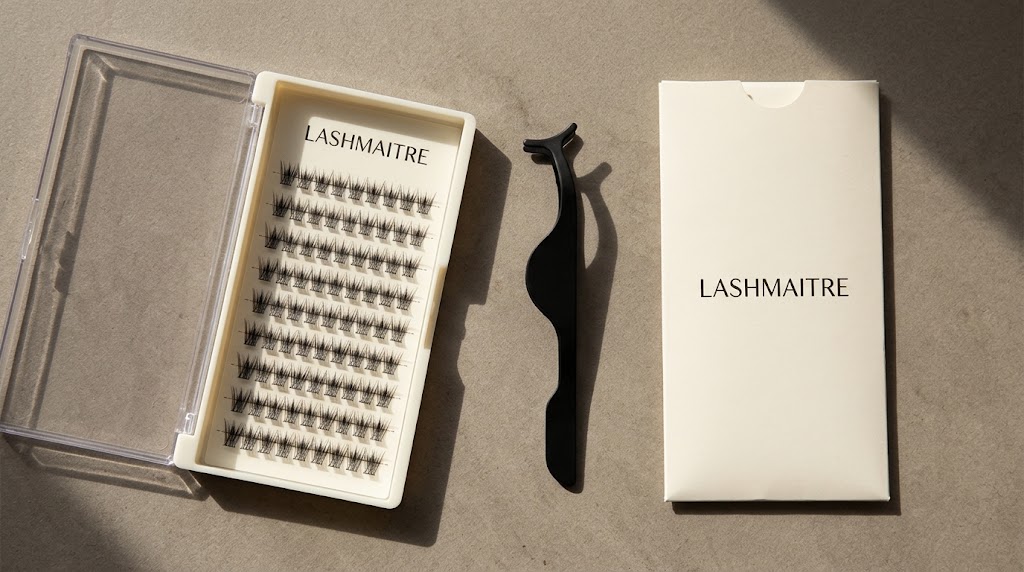
State tools per inner pack and carton, tip protection and artwork revision. On receipt, compare a defined lash cluster applicator sample with the retained reference and record the shipping lot. For lash cluster applicator wholesale replenishment, a changed sleeve or finish should trigger a question about whether the working tip also changed; do not mark a blank inspection checklist as a passed result.
7. Request a complete sample and quote
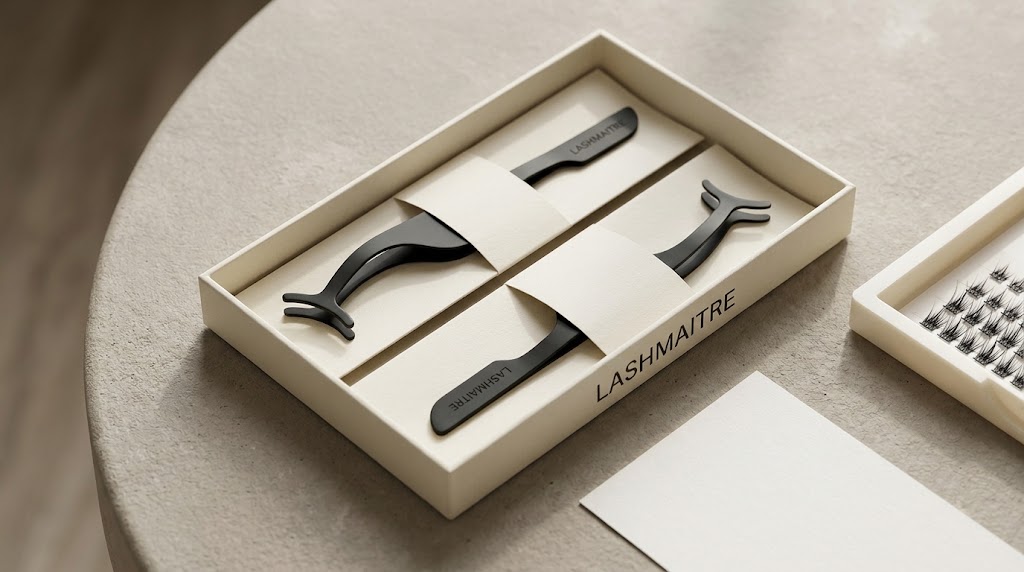
For a lash cluster applicator reorder, send the intended cluster reference, applicator model or photograph, tool-only versus kit quantity, packaging needs and destination market. Ask which versions can actually be sampled. Availability, price, minimum quantity and timing need a project-specific quotation. The cluster lash kit page defines the broader kit; use the sample planning page and B2B inquiry form to request the exact tool and lash references.
Buyer FAQs
Does every cluster lash kit include an applicator?
No universal contents can be assumed. Check the quoted component list and approved pack-out.
Is an extension tweezer the same item?
Not necessarily. Compare the intended task, physical tip and handling with the selected cluster format.
Can a photo prove tool material or long-term performance?
No. Request product-specific documentation and test evidence for those claims.

Lash Maitre: Your Trusted Partner in Eyelash extension Solutions
Lash Maitre is dedicated to providing professional insights and tips in the eyelash extension industry. Sharing the latest trends, techniques, and product knowledge, Lash Maitre helps lash artists and enthusiasts enhance their skills, stay inspired, and achieve the perfect lash experience.