Colored Classic vs Colored Volume Lashes: 7 Buyer Checks
Share
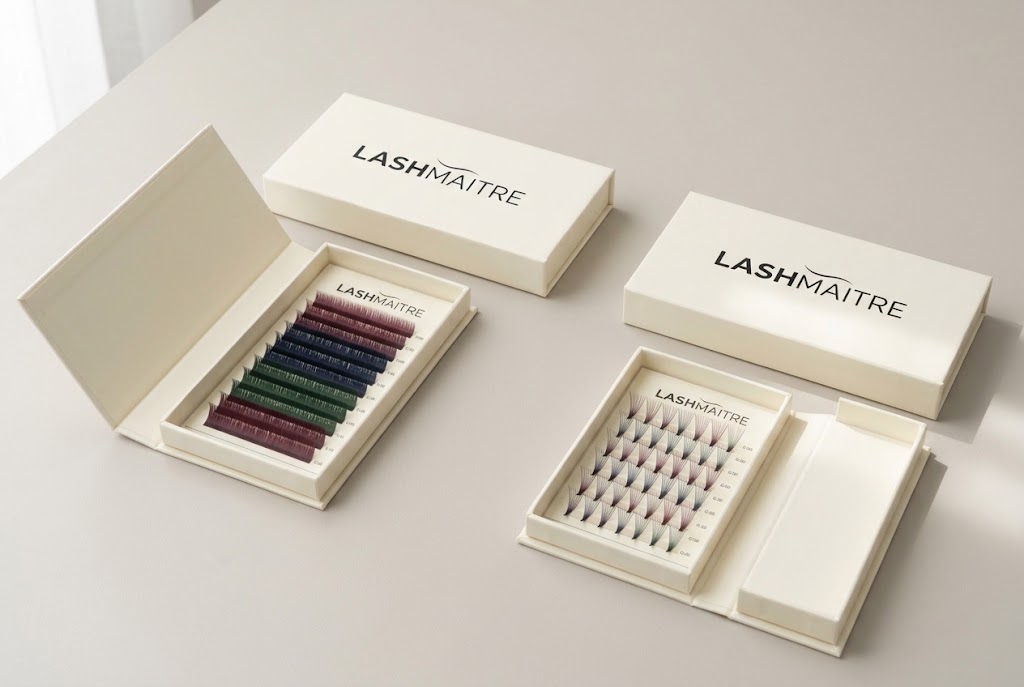
Colored classic vs colored volume lashes is a product-format and assortment comparison. Colored classic trays supply individual fibers for one-to-one or related professional workflows, while colored volume products may supply fine fibers for handmade fans or ready-formed fans, depending on the SKU. Wholesale buyers should define the physical format first, then compare shade, finish, diameter, curl, length, tray construction and batch color consistency on matched samples.
1. Define Colored Classic vs Colored Volume Lashes By Construction
In a colored classic vs colored volume lashes comparison, “colored” identifies an appearance, not one product type. A colored classic tray may contain individual fibers in a classic diameter. A colored volume tray may contain fine individual fibers intended for fan-making, easy-fan strips or premade fans. Suppliers can use these labels differently, so the buyer needs a written definition and a clear photograph for every SKU.
The colored premade fans sample guide owns the premade-fan inspection task. This comparison asks a different question: should a brand offer colored classic fibers, colored volume formats or both, and how should the buyer keep those products distinct?
| Buying factor | Colored classic sample | Colored volume sample | Buyer record |
|---|---|---|---|
| Physical format | Individual fibers as specified | Fine fibers, easy fan or premade fan as specified | Macro photo and written definition |
| Primary specification | Diameter, curl, length and shade | Diameter or D-count, base, curl, length and shade | SKU specification sheet |
| Catalog role | Defined accent or full-color classic range | Defined color volume or fan range | Buyer segment and use case |
| Reorder risk | Shade, finish and fiber consistency | Shade plus fan or strip consistency | Approved sample under fixed lighting |
2. Set A Colored Classic vs Colored Volume Lashes Standard
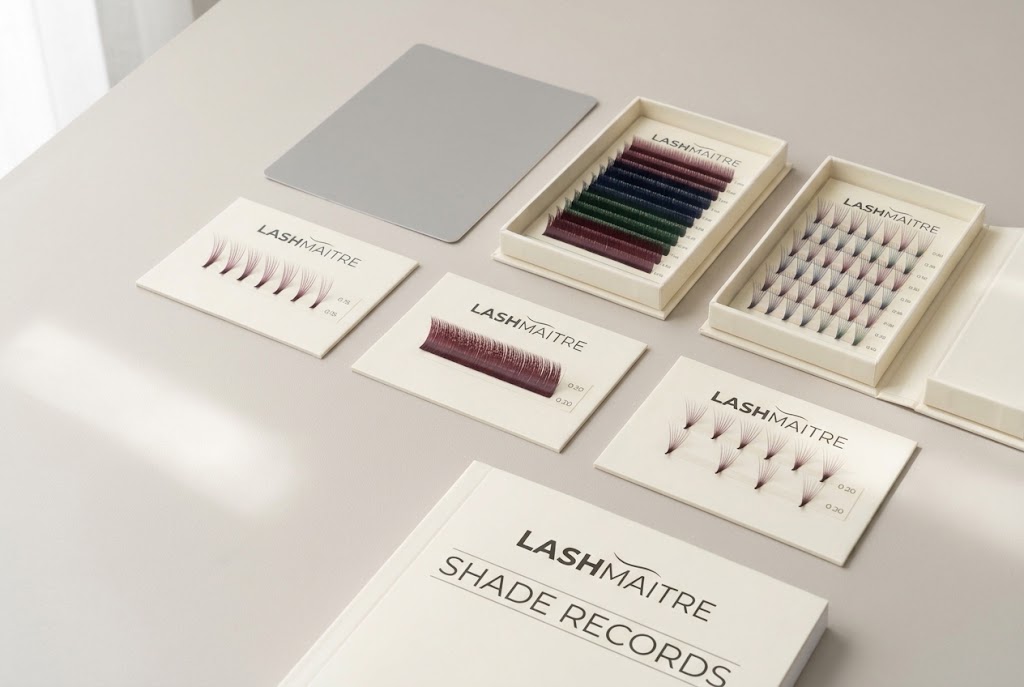
Names such as brown, blue, purple, burgundy or ombre are not precise color standards. Ask for the supplier’s current shade code, finish and physical reference. View samples under the same neutral lighting and against the same background. Photograph the full tray and a representative strip, but keep a physical approved sample because camera processing and screens can change color.
If the brand needs a custom shade, record the supplier’s production reference and the buyer’s approved sample code. Do not promise an exact digital color match from a screen image. State the permitted comparison method before bulk production and record whether different fiber formats must share one shade or may use separate approved standards.
3. Compare Colored Classic vs Colored Volume Lashes On Matched Variables
For colored classic vs colored volume lashes, keep shade family, finish, curl, length and packaging as close as possible. Then isolate the format difference. A colored classic 0.15 C curl tray should not be compared with a colored 10D premade fan D curl tray as though only “classic versus volume” changed. The two products answer different stocking needs and use different count bases.
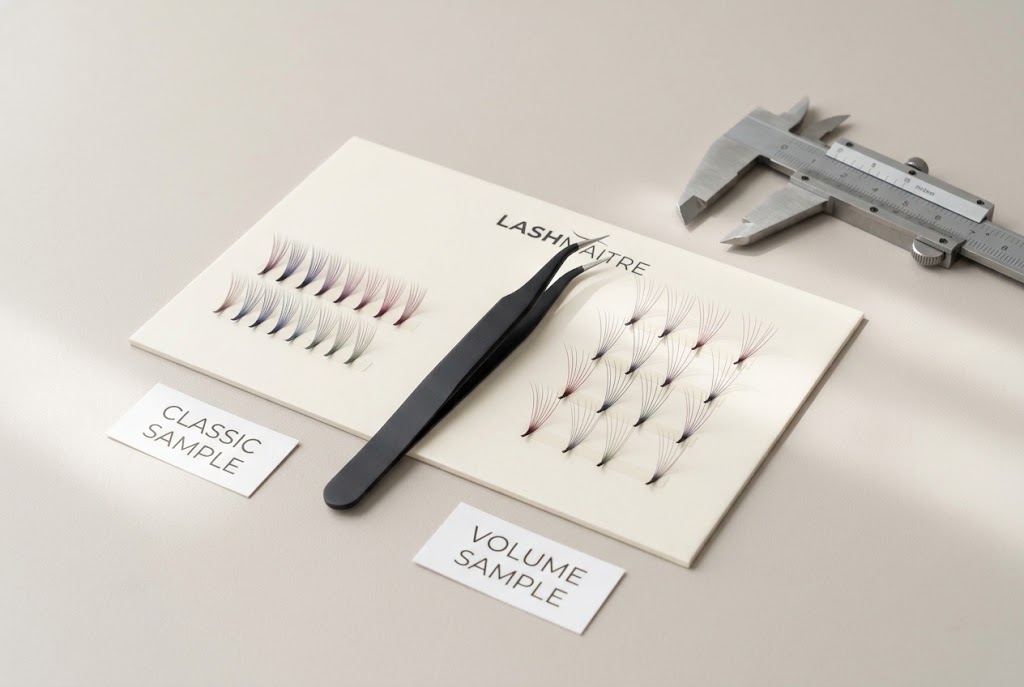
Request samples through the lash extension samples path. Give every tray a unique code. Record individual-fiber diameter for classic products. For volume products, also state whether the item is loose fiber, easy fan, narrow or open premade fan, and record D-count and base construction when applicable.
4. Plan Shades By Demand, Not By A Decorative Color Chart
In a colored classic vs colored volume lashes assortment, a wide color card can create many slow-moving combinations once shade, curl, diameter, length and format are multiplied. Start with shades supported by actual inquiries, sample requests or existing buyer orders. Decide whether a color is a permanent core SKU, a seasonal test or a made-to-order project.
Classic and volume demand may not follow the same mix. A shade that works as a small classic accent does not automatically justify the same number of volume SKUs. Assign an owner, launch quantity and review date to each combination. Keep current search-volume assumptions separate from purchase evidence; where current B2B demand is unknown, record it as N/A.
5. Inspect Colored Classic vs Colored Volume Lashes By Separate Fields
First inspect shade consistency within and across rows, visible contamination, unexpected black fibers, finish and any apparent transfer under the buyer’s agreed test. Then inspect the product structure: curl, length, tips, strip release and tray labels for classic fibers; fan symmetry, base, pickup and usable unit count for premade volume formats.
A pass in one field does not cancel a failure in another. A consistent shade can still arrive in a poorly labeled tray, and an even fan can still miss the approved color. Define defect categories, sample size and release rules before inspection. If a formal attribute-sampling system is contracted, identify the exact edition and agreed procedure rather than using a generic standard claim.
6. Name Colored Classic vs Colored Volume Lashes Clearly
Use a name that tells the buyer what is inside: shade, physical format, diameter or D-count when confirmed, curl and length format. Avoid presenting “colored volume lashes” as one standardized construction. The product page should say whether the tray contains fine individual fibers, easy-fan fibers or premade fans.
Photograph the actual approved classic and volume samples separately. Do not reuse one tray image for both formats or digitally recolor a black product and present it as supply evidence. Lifestyle illustrations may support the page, but label them as illustrative and keep the purchasing decision anchored to the physical sample.
| Approval field | Classic record | Volume record | Release evidence |
|---|---|---|---|
| Shade | Name, supplier code and approved sample | Name, supplier code and approved sample | Fixed-light comparison |
| Construction | Diameter, profile, curl and length | Format, diameter or D-count, base, curl and length | Matches written SKU |
| Quantity | Rows and usable fiber basis | Rows, fans or other quoted basis | Same counting method as quote |
| Identity | SKU, tray card, box and barcode | Separate SKU, tray card, box and barcode | No shared or ambiguous label |
7. Tie Colored Classic vs Colored Volume Lashes To Approved Packaging
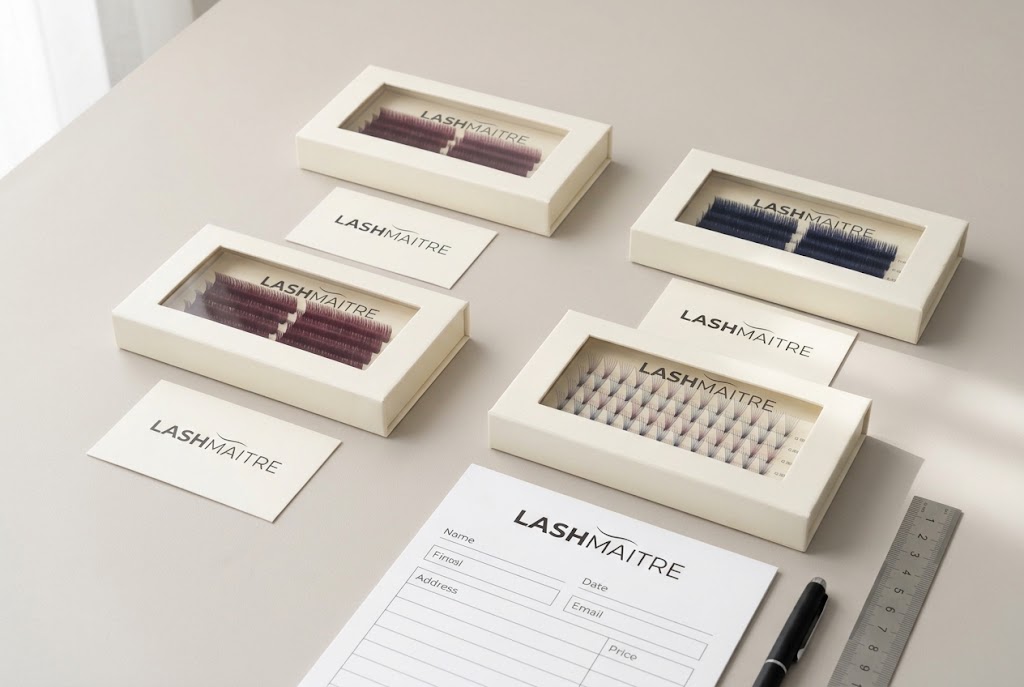
Packaging artwork should distinguish classic and volume products at a glance while keeping shade codes consistent with the inventory system. Confirm how the shade is described on the tray card, retail box, case label, price list and digital catalog. Keep revision control so old artwork cannot be paired with a new shade or structure.
Use the custom lash packaging path after the product sample is approved. Retain one physical tray from each released SKU. At reorder, compare color, finish, construction and labels against the same reference before packaging release.
Safety And Evidence Boundary
Color and format names do not prove application suitability, comfort, retention or safety. In the United States, color additives used in cosmetics are regulated for their intended uses; the FDA’s prohibited and restricted ingredients overview provides general regulatory context. Buyers must confirm the requirements that apply to the actual product and target market rather than treating a shade name as compliance evidence.
For a colored classic vs colored volume lashes project, send shade references, physical format, diameter or D-count, curl, lengths, finish, quantity, target market and packaging direction through the wholesale lash inquiry. Current supply options and documentation must be confirmed for the project.
FAQ: Colored Classic vs Colored Volume Lashes
Are colored volume lashes always premade fans?
No. The term can describe fine individual fibers, easy-fan products or premade fans. Ask the supplier to define the physical format and provide current sample photographs.
Can classic and volume products use the same shade name?
Yes, but the buyer should confirm whether they are expected to match one physical standard. Fiber diameter, structure and finish can change how a color appears.
Should a new brand launch every shade in both formats?
Usually only when demand supports the resulting SKU count. Start with verified buyer needs, define a review period and expand from real reorder data.
What belongs on a colored lash purchase order?
Record shade name and code, approved sample, physical format, diameter or D-count, fiber profile or fan base, curl, length format, finish, tray count, packaging version, quantity and inspection method.

Lash Maitre: Your Trusted Partner in Eyelash extension Solutions
Lash Maitre is dedicated to providing professional insights and tips in the eyelash extension industry. Sharing the latest trends, techniques, and product knowledge, Lash Maitre helps lash artists and enthusiasts enhance their skills, stay inspired, and achieve the perfect lash experience.



