Lash Bill of Lading: 9 Checks Before Carrier Pickup
Share
Lash Bill of Lading: Direct Answer
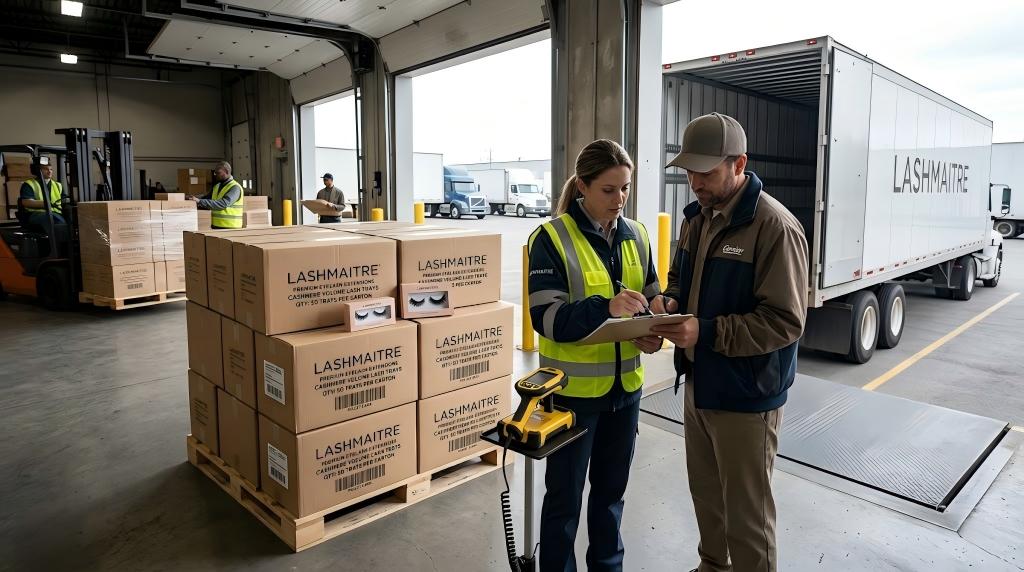
A lash bill of lading is the controlled carrier-handoff record for a wholesale shipment. Before pickup, verify the shipper, consignee, PO, carrier, carton or pallet count, weight, product description, handling terms and signature process against the physical load. A BOL should describe what the carrier accepts; it should not be copied from an unverified packing plan.
For retail and private-label shipments, the BOL connects warehouse release to later delivery and shortage evidence. It does not replace the PO, packing list, ASN or proof of delivery, but those documents should agree on the same shipment identity and quantities.
What Is a Bill of Lading in a Retail Shipment?
X12 describes the 211 Motor Carrier Bill of Lading as a transaction set that allows a shipper or other party contracting with a motor carrier to provide a legal bill of lading for a shipment. Your retailer and carrier may require a specific paper or electronic format, so use this checklist as an operational control—not as legal advice or a substitute for their instructions.
The key buyer question is simple: can the document prove which PO and physical units were handed to which carrier, when and under what count/signature method?
Nine BOL Checks Before Pickup
| Check | Evidence to verify | Release risk |
|---|---|---|
| 1. Document identity | Unique BOL number and issue date | Duplicate or untraceable shipment record |
| 2. Parties | Shipper, consignee and bill-to/third party where relevant | Load goes to or is billed to the wrong entity |
| 3. PO and destination | PO, DC/store and delivery reference | Retail receipt cannot match the load |
| 4. Carrier and service | Carrier, SCAC/service and pickup reference | Responsibility and tracking are unclear |
| 5. Handling-unit count | Pallets, master cartons and other units | Pickup quantity cannot be proved |
| 6. Product and pack | Shipment description, item/PO grouping and pack logic | Mixed or misidentified cartons |
| 7. Weight and dimensions | Verified gross weight and shipment footprint | Reweigh, rating or receiving mismatch |
| 8. Handling instructions | Fragile, stack, appointment or routing instructions | Carrier handles the load incorrectly |
| 9. Signatures and exceptions | Names, dates, counts and visible exceptions | BOL has little value in a later dispute |
1. Assign One Traceable BOL Identity
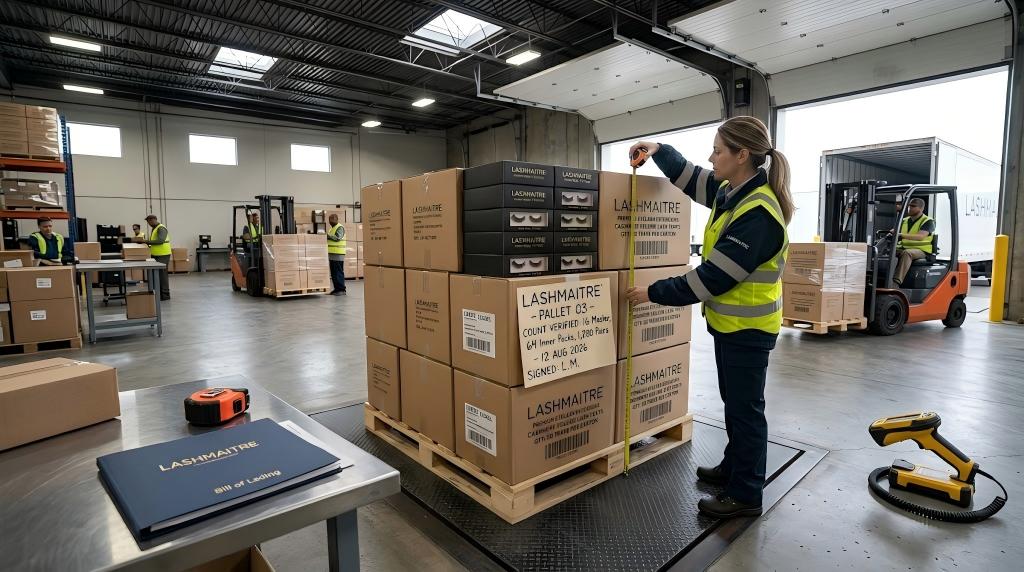
Use a unique BOL number and issue date. Store it under the same shipment record as the PO, packing list, carton labels, ASN, carrier booking and later POD. If a corrected BOL is required, retain both versions and record who approved the change.
Avoid filenames such as “final-final.” A receiving or finance team should be able to retrieve the exact version presented at pickup from the BOL number alone.
2. Confirm Shipper, Consignee and Billing Party
Verify the physical pickup location, consignee and final retail DC or store. When freight is collect, prepaid or third-party billed, make the responsible party clear according to the routing guide and carrier instruction.
Do not assume the address on an old BOL is still valid. Compare it with the current PO and appointment confirmation.
3. Match the PO and Destination
List the PO and destination references required by the trading partner. When a load contains more than one approved PO, keep cartons physically separated and make the relationship visible. Do not commingle purchase orders merely to fill a pallet unless the retailer expressly allows it.
The BOL reference should agree with the lash retailer compliance checklist and the destination transmitted in the ASN.
4. Verify Carrier and Service Details
Confirm carrier identity, pickup number, service, trailer or tracking reference where applicable. Compare those values with the booking and routing authorization. A substituted carrier or service may require retailer approval before pickup.
Record the planned pickup window and actual handoff time. Timing evidence helps distinguish warehouse delay, carrier delay and receiving delay.
5. Count Physical Handling Units
Count the actual pallets, master cartons and any floor-loaded cases. The BOL count must come from the completed load—not a sales order estimate. For a master carton containing inner packs, state the handling-unit count required by the carrier while preserving item-level detail in the packing list and ASN.
Use the approved lash case pack configuration to prevent each/case confusion.
6. Describe the Product and Pack Logic
Use a clear shipment description appropriate to the carrier and retailer. Avoid exposing unnecessary commercial detail, but provide the item or commodity information required by the applicable instructions. Keep PO, SKU, GTIN and carton-label mapping in the supporting release packet.
If multiple lash styles or private-label brands share similar cartons, verify each label before loading. Product identity mistakes cannot be repaired by a correct total carton count.
7. Verify Weight and Dimensions
Weigh the finished shipment and verify pallet or carton dimensions when required. Reconcile large differences from the booking estimate. Record whether weight is net product weight or gross shipping weight.
Keep scale identification or warehouse measurement evidence when high-value shipments are sensitive to reweigh or reclassification. The BOL, booking, ASN and carrier record should not describe materially different loads.
8. Carry Forward Handling and Appointment Instructions
Include required fragile, orientation, stack, temperature, appointment or special-delivery instructions. Do not invent marks that conflict with the retailer guide or carrier contract.
For lash products, protect tray geometry, carton dryness and private-label packaging presentation. Quality release should connect product protection requirements to the transport instruction.
9. Control the Signature and Exception Process
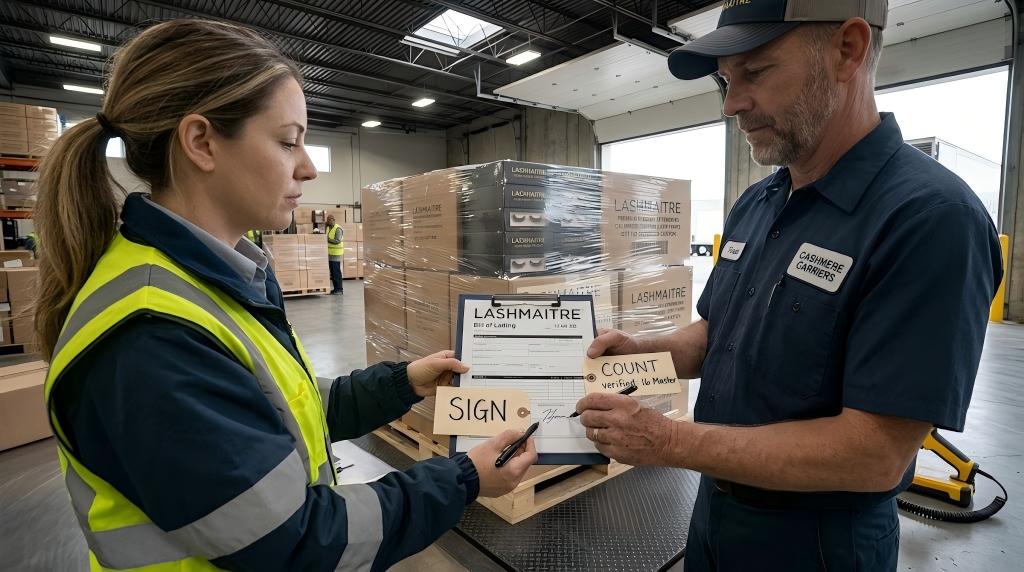
Define who signs at pickup and what the signature confirms. Ask the driver to record the accepted handling-unit count when permitted. If the carrier uses shipper load/count or another qualification, preserve that notation and understand how it changes the evidence available later.
At delivery, the receiving signature belongs on the POD or delivery record. Train the receiving team to note visible shortage or damage before the carrier departs. SPS Commerce's guidance on freight shortage and damage claims emphasizes the importance of documenting shortages or damage on the BOL/POD rather than discovering them only after an unqualified signature.
Collect vs Prepaid Evidence
| Shipment model | Critical handoff evidence | Later proof focus |
|---|---|---|
| Collect pickup | Signed BOL showing the carrier accepted the stated load, subject to any qualification | Pickup count, carrier signature and retailer receipt |
| Prepaid delivery | Supplier-controlled BOL plus carrier tracking | Signed POD, delivery exception and receiving stamp |
| Small parcel | Manifest or carrier acceptance scan plus package tracking | Delivered scan, recipient and package-level records |
Retailer-specific rules control. A signature may confirm custody without confirming item-level contents, especially when the shipment is marked shipper load/count.
Lash Bill of Lading FAQ
Does a BOL prove every unit inside the cartons?
Not always. It may prove that stated handling units were accepted, while item-level proof comes from packing records, carton labels, photos, ASN data and receiving evidence. Qualifications such as shipper load/count matter.
Is a packing list the same as a bill of lading?
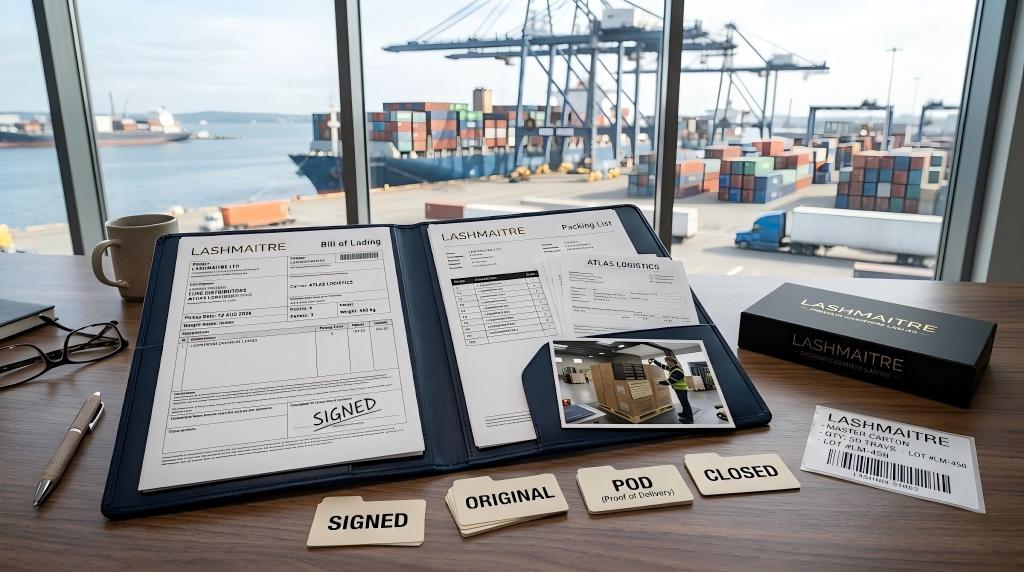
No. A packing list describes shipment contents for the buyer or receiver. A BOL is the carrier-handoff document. The two records should reconcile.
Who should sign the BOL at pickup?
Follow the carrier and retailer procedure. Typically, authorized warehouse and carrier representatives document the handoff, count and exceptions.
Should the PO number be on the BOL?
Include it when required by the retailer or carrier. A clear PO reference makes receiving and later dispute evidence easier to reconcile.
What if the driver refuses to verify the count?
Record the applicable qualification, escalate under the agreed routing process and preserve loading records. Do not alter or fabricate a signature or count.
Next Step
Send the PO, routing guide, case configuration, destination and carrier method through the wholesale lash extensions inquiry page for a shipment-document review. Link the BOL to LASHMAITRE lash quality control and private label lash extensions release evidence before carrier pickup.
For a first shipment or revised assortment, retain approved lash extension samples with the item and packaging records that support the carton description on the bill of lading.

Lash Maitre: Your Trusted Partner in Eyelash extension Solutions
Lash Maitre is dedicated to providing professional insights and tips in the eyelash extension industry. Sharing the latest trends, techniques, and product knowledge, Lash Maitre helps lash artists and enthusiasts enhance their skills, stay inspired, and achieve the perfect lash experience.