Lash Packaging Bill of Materials: 9 Fields That Prevent Packing Errors
Share
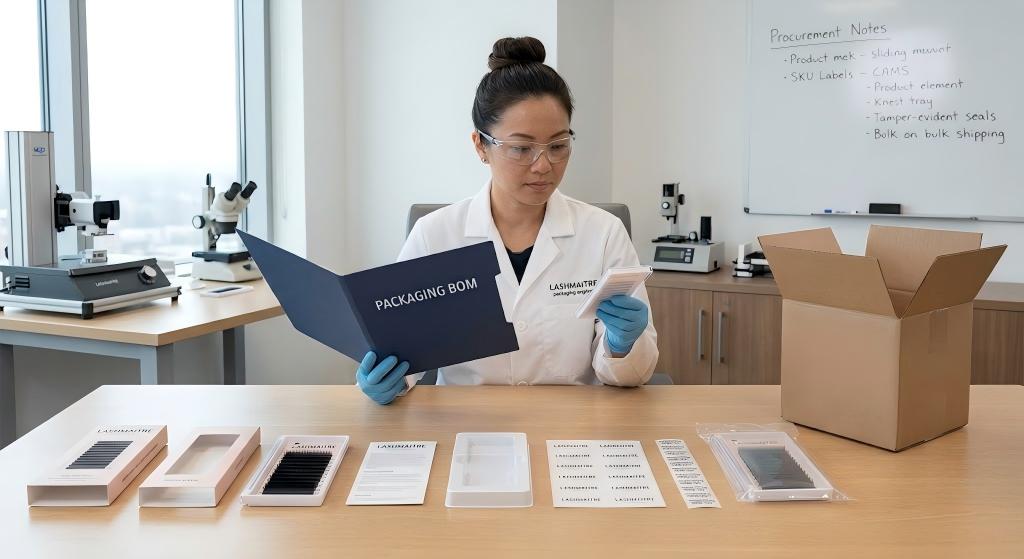
Lash Packaging Bill of Materials Buyer Summary
A lash packaging bill of materials should identify every box, sleeve, tray, card, insert, label, seal, inner pack and carton by component code, quantity, approved revision, critical attribute, specification reference, source and effective date for the finished SKU.
A lash packaging bill of materials is the controlled component list for one finished lash SKU. It should identify every box, sleeve, tray, tray card, insert, label, seal, inner pack and shipping carton by code, revision and quantity so production cannot assemble an approved product with the wrong packaging.
What Is a Lash Packaging BOM?
A lash packaging BOM, or bill of materials, is a structured list of the components required to pack a saleable eyelash product. SAP describes a BOM as a list of all components belonging to an assembly and explains that controlled BOM data supports component tracking during manufacturing.
For private-label lashes, the packaging BOM sits between design approval and physical packing. Artwork files show what should be printed; the BOM shows exactly which physical components, revisions and quantities belong together.
Why an Approved Box Proof Is Not Enough
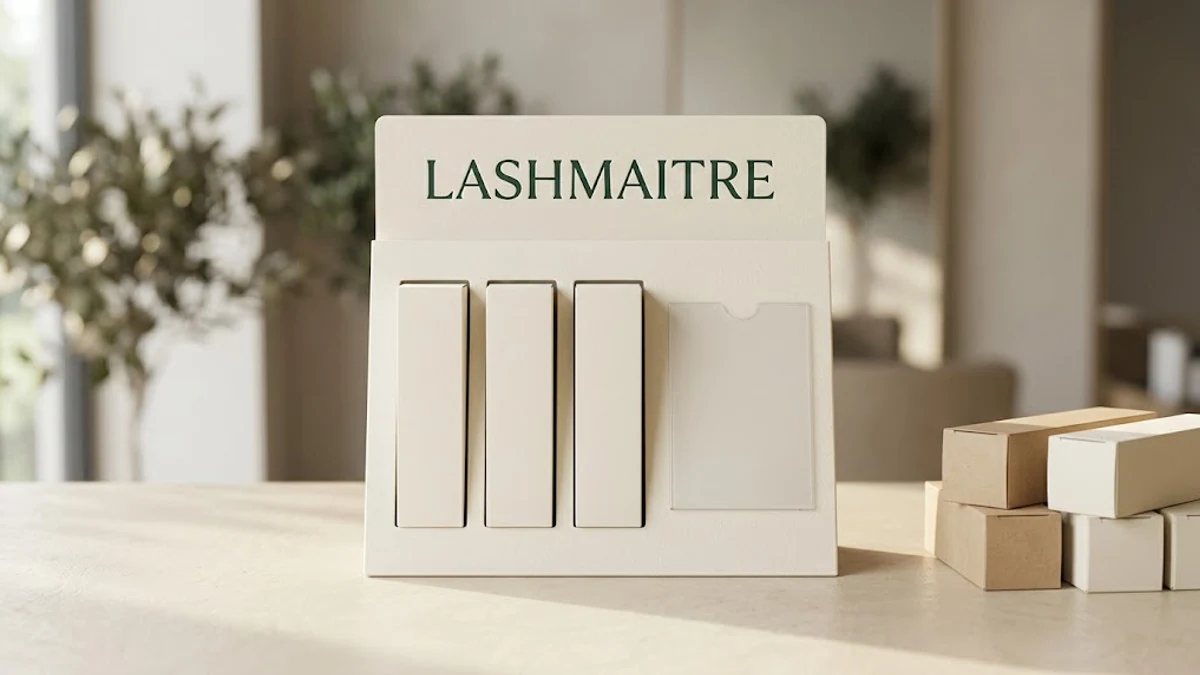
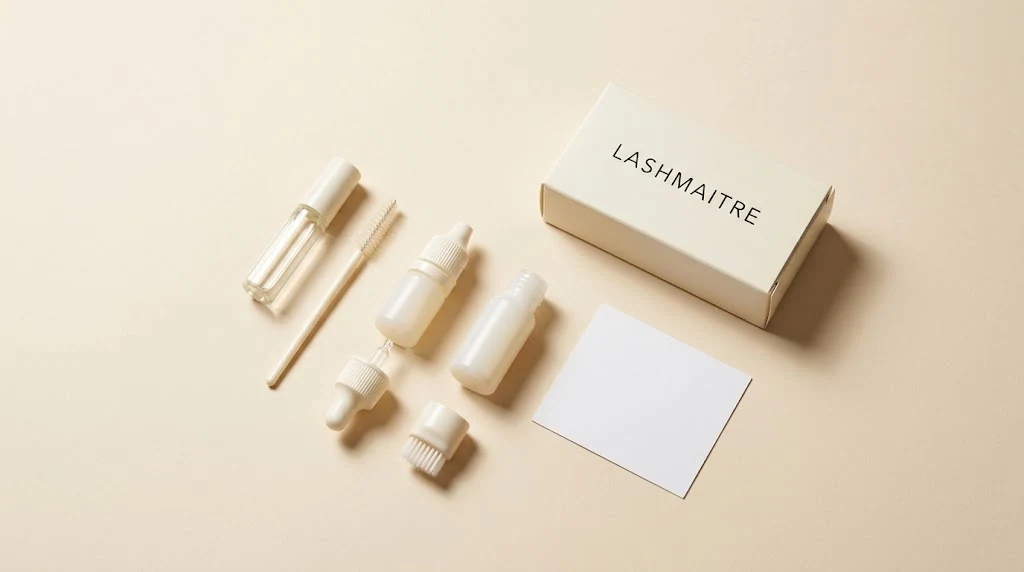
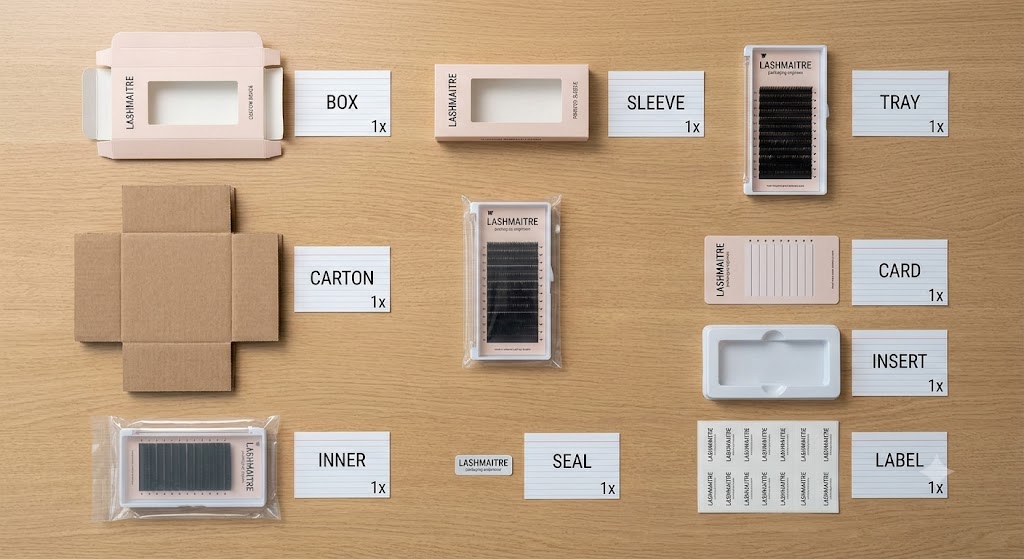
A finished lash SKU may include a lash tray, printed card, molded insert, outer box, sleeve, clear seal, barcode label, inner pack and master carton. If only the visible box artwork is approved, production can still use the wrong insert, old tray card, incorrect label or obsolete carton multiple.
One controlled BOM reduces ambiguity across procurement, packaging engineering, warehouse issue, line clearance, inspection and reorder planning.
9 Fields to Lock in a Lash Packaging Bill of Materials
1. Finished SKU and BOM Identity
Assign the BOM to a specific finished SKU or clearly defined SKU family. Record the BOM number and revision so orders, packing records and inspection reports can reference it.
2. Component Code
Give each physical packaging component a stable identifier. Avoid descriptions such as “blue box” when several sizes, finishes or revisions could match that phrase.
3. Component Description
Describe the function and distinguishing features: outer box, sleeve, 16-row tray, molded insert, printed tray card, barcode label, tamper seal, inner pack or master carton.
4. Quantity Per Finished Unit
Record how many pieces are required for one saleable unit. For inner packs and cartons, also define the contained-unit count and packing multiple.
5. Approved Revision
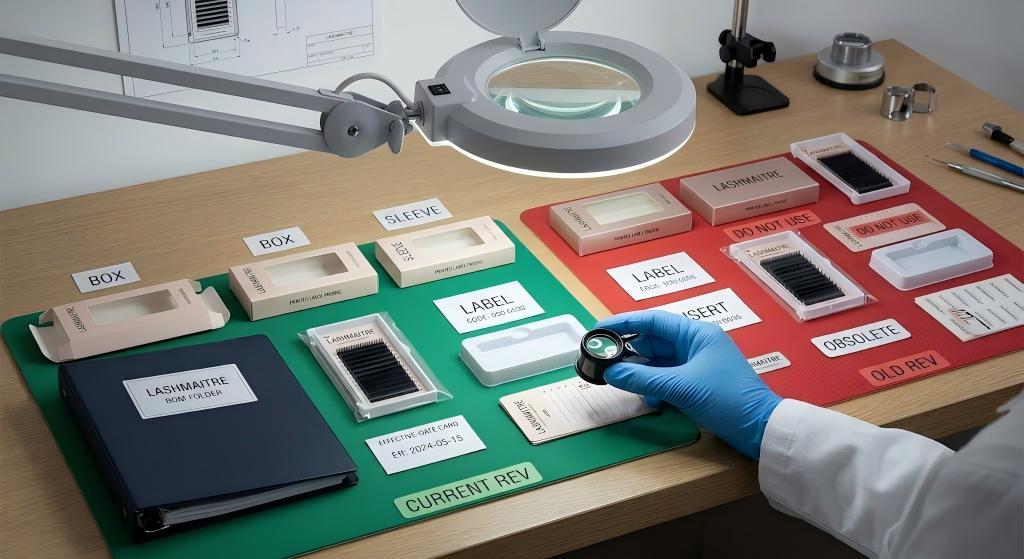
Link every printed or engineered component to its current revision. A new outer-box artwork revision does not automatically change the tray card, label or insert.
6. Material, Finish or Critical Attribute
Record the characteristics needed to distinguish acceptable parts, such as board grade, coating, foil color, window size, insert material, adhesive type or label dimensions.
7. Artwork or Specification Reference
Connect printed components to the approved artwork file and physical proof. Connect structural components to the drawing, dimension sheet or approved sample.
8. Source, Ownership and Substitute Rule
Identify the approved source and who owns private-label inventory, dies or molds. State whether substitutes are prohibited or require buyer approval before use.
9. Effective Date and Change Status
Define when the BOM becomes active, which previous revision it replaces and how remaining old components will be used, returned, reworked or securely disposed.
Packaging BOM Verification Table
| Check | Evidence | Release rule |
|---|---|---|
| Component identity | Code on issued part matches BOM | Exact match |
| Quantity | Issued and packed count matches quantity per | No unexplained variance |
| Revision | Artwork, label and structural revision are current | Old revision segregated |
| Fit and function | Tray, card, insert, sleeve and box assemble correctly | Approved physical result |
| Pack hierarchy | Each, inner and carton counts match order data | Shipping unit confirmed |
GS1 guidance distinguishes packaging hierarchy levels such as each, inner pack, case and pallet where supply-chain identification is needed. That does not mean every individual component needs a GTIN; buyers should define identification at the relevant traded and logistics levels.
Control the BOM at Packing Release
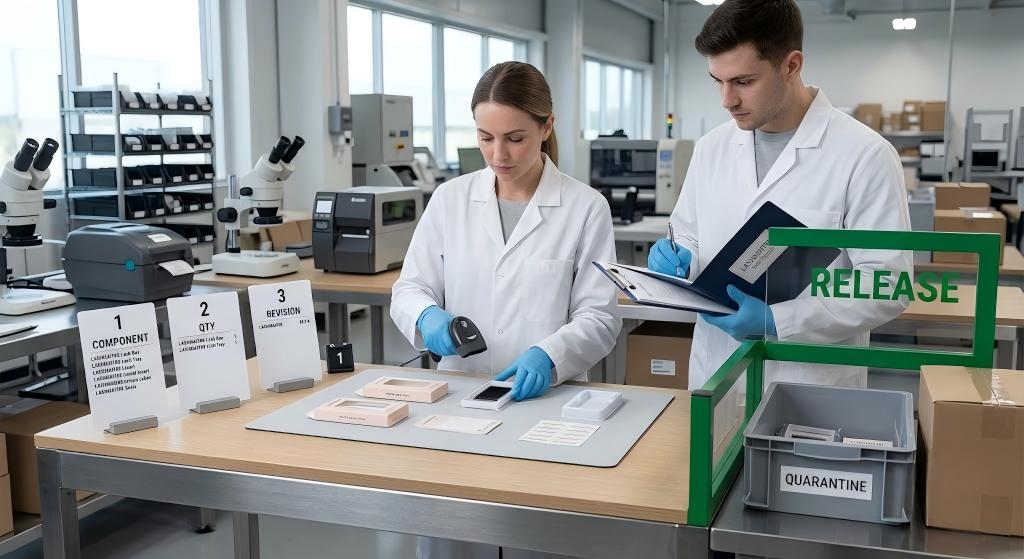
Before release, warehouse and packing teams should issue components against the current BOM, count them, verify revision status and reconcile unused quantities. Quality should compare the first completed pack with the approved reference and BOM before the line continues.
When the SKU changes, complete line clearance so obsolete labels, cards or sleeves cannot remain at the workstation. Record every approved deviation rather than silently substituting a similar component.
FAQ: Lash Packaging Bill of Materials
What belongs in a lash packaging bill of materials?
List every component needed for the finished unit and its distribution pack, including its code, description, quantity, revision, critical attribute, specification reference, source and effective status.
Can one lash SKU use more than one packaging BOM?
It can when different market, language or pack variants are intentionally controlled. Each active variant should have a distinct identity and unambiguous order-selection rule.
Does a BOM replace artwork approval?
No. Artwork approval controls visual content. The BOM connects the approved artwork to the correct physical component and quantity within the finished SKU.
What happens to old packaging after a revision?
Define a documented disposition: controlled run-out, rework, return or secure disposal. Never mix old and new revisions without an approved transition plan.
Turn Approved Artwork Into a Repeatable Pack
Use a controlled packaging BOM with LASHMAITRE private label lash extensions, confirm the physical set through lash extension samples, and connect release evidence to lash quality control. For a component-specific plan, send a wholesale lash inquiry.
Authority reference: SAP Bill of Material Integration.
After packaging components and artwork revisions are controlled, complete documented lash barcode verification for GTIN data, placement, quiet zones, print quality and production scan results before shipment.

Lash Maitre: Your Trusted Partner in Eyelash extension Solutions
Lash Maitre is dedicated to providing professional insights and tips in the eyelash extension industry. Sharing the latest trends, techniques, and product knowledge, Lash Maitre helps lash artists and enthusiasts enhance their skills, stay inspired, and achieve the perfect lash experience.