The B2B Science of C Curl Eyelash Extensions: Thermal Memory, Adhesion Physics, and Salon Profitability
Share
Article Management:
- Last Updated: February 25, 2026
- Next Review Date: August 25, 2026
- Author: LASHMAITRE Global Supply Chain & Material Science Team
- Target Audience: Lash Salon Owners, Academy Master Educators, and Regional B2B Distributors.
1. The Commoditization Trap of C Curl Eyelash Extensions
In the professional eyelash industry, the c curl eyelash extensions represent the absolute foundational baseline of any salon’s inventory. Designed to mimic the natural upward sweep of a perfectly applied mechanical eyelash curler, the C curl is universally applicable across almost all client eye shapes.
However, because the c curl eyelash extensions is the most widely consumed item in a salon, it has become heavily commoditized. Many academy founders and regional distributors treat all C curls as identical, sourcing from whichever middleman offers the lowest retail price. This is a catastrophic B2B procurement error. The performance of a C curl is entirely dependent on the micro-manufacturing processes applied to the raw polymer fiber. When a salon relies on budget, mass-produced c curl eyelash extensions, they unknowingly introduce massive hidden costs into their business—specifically through thermal curl relaxation and poor tape strip adhesive quality.
This technical guide deconstructs the material science behind premium c curl eyelash extensions, proving exactly why sourcing advanced, double-heated fibers directly from a world-class OEM factory like LASHMAITRE is the only way to safeguard your salon’s client retention rates and long-term profitability.
2. The Polymer Physics of Thermal Memory (Double-Heating Technology)
Professional eyelash extensions are manufactured using Polybutylene Terephthalate (PBT), a highly durable, semi-crystalline engineering thermoplastic. The defining characteristic of a premium c curl eyelash extensions tray is not how it looks when it arrives in the box, but how the PBT fiber maintains its geometric curvature when exposed to the client’s body heat, hot showers, and high-humidity environments over a 4-to-6 week wear cycle.
Budget factories manufacture c curl eyelash extensions using a single-heating process. The raw PBT fibers are wrapped around a shaping rod and flash-baked at a high temperature (often exceeding 120°C) for a short duration. While this quickly shapes the lash, it fails to deeply alter the internal molecular structure of the polymer. Once the client takes a hot shower, the fiber exceeds its Glass Transition Temperature (Tg), causing the C curl to rapidly relax into a flat J curl.
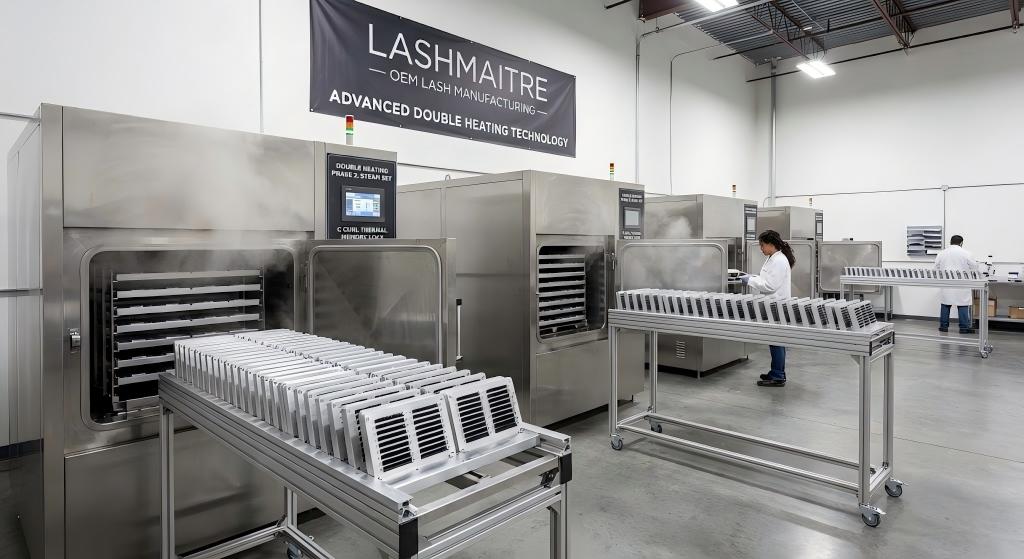
LASHMAITRE establishes an impenetrable quality control barrier through our advanced double-heating technology.
During the manufacturing of our c curl eyelash extensions, the PBT fibers are meticulously wrapped around precision-milled aluminum rods. They undergo an initial bake to set the foundational shape, followed by a highly calibrated secondary baking phase at a specific lower temperature. This rigorous thermodynamic process perfectly aligns the polymer chains, locking the “thermal memory” of the C curl deep within the fiber’s molecular matrix.
As a result, an OEM double-heated C curl from LASHMAITRE will never flatten, droop, or lose its lifting effect, completely eliminating the primary cause of aesthetic client dissatisfaction.
3. The Hidden Cost of Curl Degradation in Salons
Many salon owners calculate their profit margins strictly based on the wholesale price of their lash trays. This elementary accounting completely ignores the devastating “Hidden Costs” (Client Churn and Remediation Time) caused by inferior materials.
When a client’s single-heated c curl eyelash extensions relax and flatten after ten days, the client assumes the artist’s technique was poor. They either demand a free remediation fill or, worse, abandon the salon entirely for a competitor. Let us quantify the true B2B economic impact of this material failure.
Table 1: The Hidden Cost of Curl Relaxation (Single-Heated vs. Double-Heated)
| B2B Economic Metric (Based on 100 Clients/Month) | Budget Single-Heated C Curl (Local Middleman) | LASHMAITRE Double-Heated C Curl (Direct OEM) |
| Material Cost per Tray | $14.00 | $4.50 (Factory Direct) |
| Curl Degradation Rate (Relaxing to J Curl) | ~18% of clients experience severe flattening within 14 days. | 0% (Permanent thermal memory locked in). |
| Lost Revenue from Client Churn | 18 lost clients @ $150/set = **-$2,700/month** lost revenue. | $0 lost revenue. Maximum client retention. |
| Unpaid Remediation Time (Fixing flat lashes) | 15 hours/month wasted removing straight lashes. | 0 hours wasted. Artists maximize paid appointments. |
| True Monthly Impact on Salon Profitability | Massive Hidden Bleed: Thousands lost in churn and wasted labor. | Profit Maximized: Factory-direct margins + 100% aesthetic retention. |
Expert Insight: Saving $9 on a cheap tray of c curl eyelash extensions is a catastrophic business decision if it costs you $2,700 a month in client churn due to thermal degradation.
4. Adhesion Geometry: Why C Curl Eyelash Extensions Maximize Retention
Beyond aesthetic lift, the physical geometry of a c curl eyelash extensions plays a critical role in cyanoacrylate adhesion dynamics. In the realm of cyanoacrylate polymerization, the “contact angle” and the total microscopic surface area shared between the extension and the natural lash directly dictate the lifespan of the bond.
Extreme curls, such as D or DD curls, have a very short flat base (often only 1mm) before the dramatic curve begins. If the natural lash is relatively straight, this creates a “split base” scenario where the extension peels away prematurely.
Conversely, perfectly engineered c curl eyelash extensions typically feature a 2mm to 2.5mm flat base before the sweeping upward curve initiates. This extended geometric baseline provides a massive surface area for the Ethyl Cyanoacrylate adhesive to wrap around the natural lash cuticle (porosity). When B2B academies train their students using LASHMAITRE’s geometrically perfect C curls, they inherently guarantee stronger capillary action in the adhesive, resulting in 20% to 30% longer retention times compared to extreme curls.
5. Manufacturing Tolerances: Tape Strip Stickiness and Volume Fan Efficiency
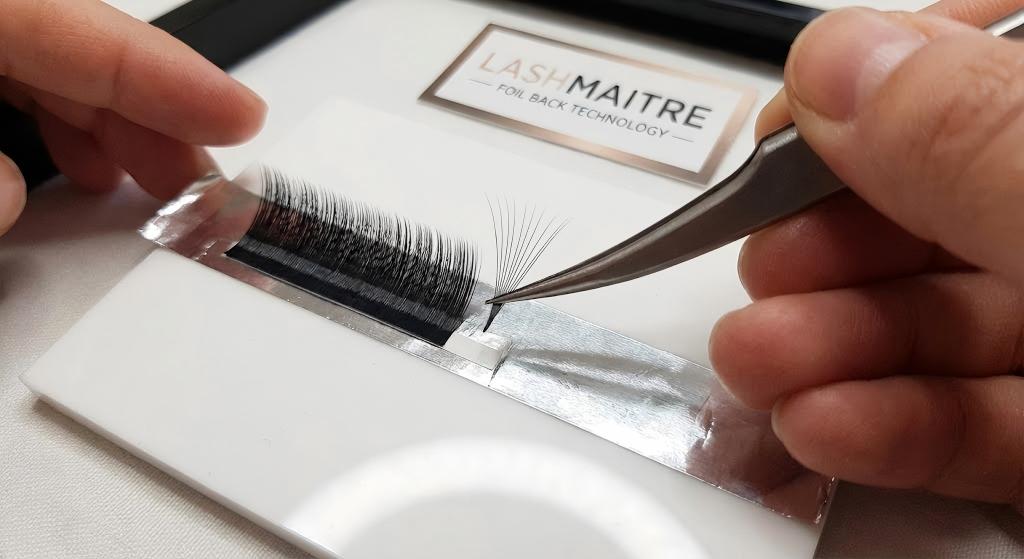
While classic 1:1 application is the foundation, modern salons utilize ultra-fine (0.05mm and 0.03mm) c curl eyelash extensions primarily for crafting handmade volume fans. Here, a second, highly technical manufacturing vulnerability is exposed: the viscosity and material of the base tape strip.
If the sticky tape strip holding the lashes in the tray is formulated with too much resin, the artist will struggle to pull the PBT fibers off, causing the delicate 0.03mm bases to snap or warp. If the tape is too weak, the fibers will slip, and the volume fan will collapse at the base before it can be dipped in adhesive.
LASHMAITRE utilizes proprietary Foil-Backed Tape Strips with a perfectly calibrated, medium-tack viscosity (typically precisely 2mm in width). This micro-engineered stickiness allows an artist’s tweezers to effortlessly grip, spread, and lift wide, symmetrical fans directly off the strip without leaving any sticky residue on the base of the c curl eyelash extensions.
Table 2: The Hidden Time Cost of Poor Tape Strip Viscosity
| Manufacturing Component | Standard Paper Tape Strip (Budget OEM) | LASHMAITRE Calibrated Foil-Backed Strip | B2B Economic Impact per Artist |
| Base Material | Paper tears easily, leaving sticky residue on the tray palette. | Foil peels cleanly, maintaining a sanitary, professional acrylic lash tile. | Extends the life of salon tools and palettes. |
| Viscosity / Tackiness | Inconsistent. Causes “split bases” when lifting delicate volume fans. | Calibrated medium-tack. Bases remain perfectly bound when fanned. | Eliminates material waste (fewer dropped/ruined fans). |
| Time to Craft a 5D Volume Fan | ~8 seconds (fighting the sticky tape). | ~3 seconds (effortless pickup and spread). | Saves up to 30 minutes per Volume Set. Allows the artist to book one extra client per day. |
6. Material Safety and Chemical Compliance (REACH Standards)
As an elite salon owner or regional B2B distributor, ensuring the absolute safety and chemical compliance of your inventory is your ultimate legal liability. The materials comprising your c curl eyelash extensions and the adhesives used to bond them must meet stringent international regulations.
The premium PBT fibers utilized in LASHMAITRE’s manufacturing process are highly stable, hypoallergenic, and possess an extraordinarily low degradation profile, ensuring they do not release volatile organic compounds (VOCs) when exposed to heat or UV light. Furthermore, the cyanoacrylate adhesives paired with our lashes must comply with rigorous global chemical safety frameworks.
As detailed by the European Chemicals Agency (ECHA) regarding the strict Registration, Evaluation, Authorisation and Restriction of Chemicals , importing cosmetic chemicals requires absolute transparency regarding stabilizers and heavy metal content. LASHMAITRE provides comprehensive Material Safety Data Sheets (MSDS) for all our products, guaranteeing that your supply chain of c curl eyelash extensions and adhesives is fully compliant with EU REACH standards and US state board regulations, shielding your B2B enterprise from severe legal and medical liabilities.
7. FAQ: Technical Sourcing for C Curl Eyelash Extensions
Q: Why do my c curl eyelash extensions sometimes look like J curls after the client washes them?
A: This is the definitive symptom of single-heated manufacturing. The hot water exceeds the cheap PBT fiber’s thermal memory threshold, causing it to relax. Sourcing double-heated fibers from a reputable OEM factory instantly solves this technical failure.
Q: How does the tape strip viscosity affect my academy students learning volume techniques with c curl eyelash extensions?
A: Beginners apply too much pressure with their tweezers. If the tape is overly sticky (common in cheap trays), the students will tear the delicate 0.05mm fibers, leading to immense frustration. Our calibrated foil-backed tape provides the exact tension needed for easy fan creation, dramatically improving student success rates.
Q: Are LASHMAITRE’s c curl eyelash extensions chemically treated to be matte or glossy?
A: We do not use superficial chemical coatings that can interfere with cyanoacrylate adhesion. Our deep, ultra-matte finish is achieved through advanced micro-texturing of the PBT fiber itself during the extrusion process, ensuring a naturally dense look and superior adhesive bonding surface.
8. Conclusion: Upgrade Your OEM Supply Chain Today
The c curl eyelash extensions is not merely a consumable item; it is the fundamental building block of your salon’s reputation and profitability. Continuing to treat these essential fibers as a cheap commodity and sourcing single-heated, poorly taped trays from local middlemen guarantees high client churn, wasted artist labor, and restricted B2B scalability.
By adopting a highly technical procurement strategy and partnering directly with an elite OEM manufacturer like LASHMAITRE, you secure an absolute, undeniable competitive advantage. You gain immediate access to double-heating thermal memory technology, precision-calibrated foil-backed tape strips, and rigorous chemical compliance. Stop bleeding hidden costs.
Are you ready to eliminate curl relaxation, maximize your artists’ application speed, and dominate your regional market with world-class supplies?
- [Request Your B2B Double-Heated Factory Sample Kit Today]
- [Get a Custom OEM Wholesale Quote for Premium Lash Trays]
9. References & Authoritative Sources
To ensure the highest standards of structural safety, chemical compliance, and strategic business growth for your salon, the material science and regulatory guidelines referenced in this guide regarding c curl eyelash extensions are sourced from the following authoritative institutions:
- European Chemicals Agency (ECHA) – REACH Standards: The definitive regulatory framework governing the safe registration, evaluation, and restriction of cosmetic chemicals, including cyanoacrylate-based adhesives in the EU market.
- The Material Science of Cyanoacrylate Adhesives: Comprehensive chemical analysis of the polymerization processes, contact angle dynamics, and surface area requirements of rapid-curing cosmetic adhesives.
- Source URL: https://en.wikipedia.org/wiki/Cyanoacrylate

Lash Maitre: Your Trusted Partner in Eyelash extension Solutions
Lash Maitre is dedicated to providing professional insights and tips in the eyelash extension industry. Sharing the latest trends, techniques, and product knowledge, Lash Maitre helps lash artists and enthusiasts enhance their skills, stay inspired, and achieve the perfect lash experience.
Latest Post
Contact Us
related Post
-
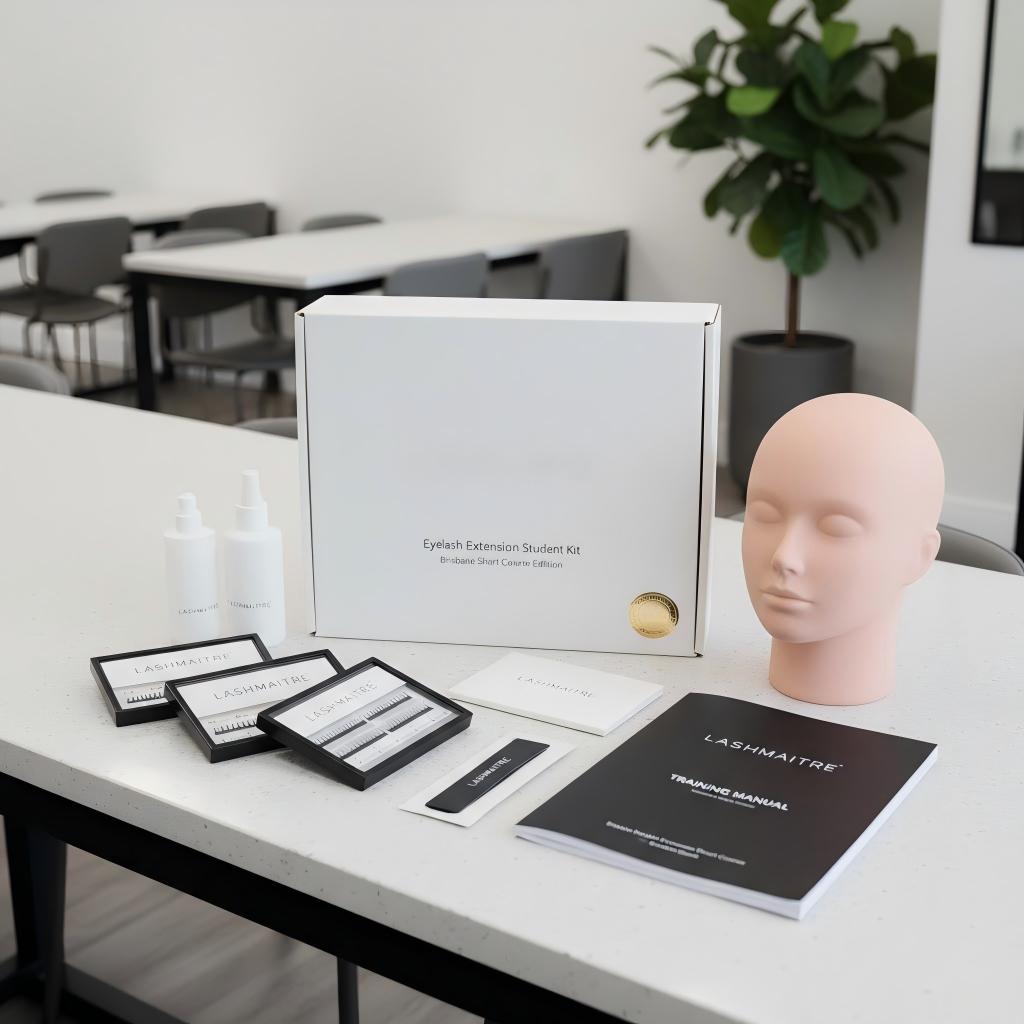
Academy Profitability: The B2B Supply Chain Guide for a Brisbane Eyelash Extension Short Course
Article Management: 1. The Procurement Reality of a Brisbane Eyelash Extension Short Course In the highly lucrative Australian cosmetic education market, launching a brisbane eyelash extension short course requires more than just an experienced instructor; it requires an absolutely flawless supply chain. Many academy founders falsely believe that student frustration and low graduation rates are…
-
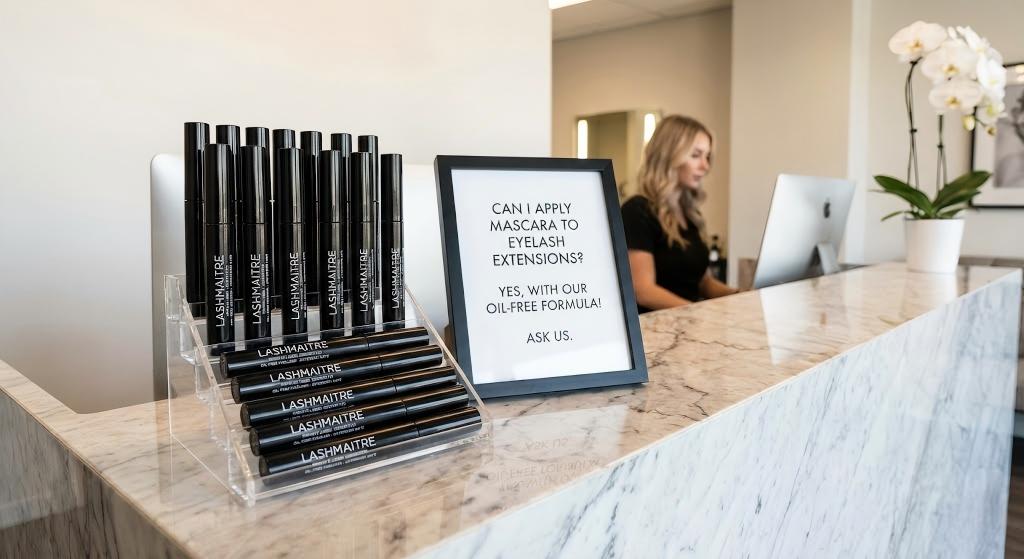
Maximize Salon Revenue: Can I Apply Mascara to Eyelash Extensions? A B2B Retail Guide
Article Management: 1. The Golden Retail Opportunity: Can I Apply Mascara to Eyelash Extensions? In the hyper-competitive beauty industry, the most successful salons do not just sell time and services; they sell comprehensive, high-end cosmetic solutions. Every master educator, salon owner, and working lash artist has encountered the exact same anxious question from a first-time…
-
Maximize Salon Revenue: Can I Wear Mascara With Eyelash Extensions? A B2B Retail Guide
Article Management: 1. The Golden Retail Opportunity: Can I Wear Mascara With Eyelash Extensions? In the hyper-competitive beauty industry, the most successful salons do not just sell time and services; they sell comprehensive, high-end cosmetic solutions. Every master educator, salon owner, and working lash artist has encountered the exact same anxious question from a first-time…
-
B2B Profit Truth for Salons: Can You Curl Eyelash Extensions?
Article Management: 1. The Ultimate Client Frustration: Can You Curl Eyelash Extensions? In the highly competitive beauty service sector, long-term client retention is the only metric that guarantees a salon’s survival. When a client returns for an infill appointment or calls the receptionist to nervously ask, can you curl eyelash extensions, it is a massive…
-
B2B Profit Strategy: Can You Wash Your Face With Eyelash Extensions?
Article Management: 1. The Ultimate Client Fear: Can You Wash Your Face With Eyelash Extensions? In the professional beauty service sector, educating your clientele is the absolute foundation of long-term client retention. Almost every new client sitting in a salon chair will nervously ask their artist: can you wash your face with eyelash extensions? For…
-
Crucial Truth for Salons: Can You Wear Mascara on Eyelash Extensions? A B2B Profit Guide
Article Management: 1. The Ultimate Client Question: Can You Wear Mascara on Eyelash Extensions? In the highly competitive beauty service industry, a salon’s profitability is directly tied to its ability to educate clients and upsell premium services. Every working lash artist, salon owner, and academy educator has been confronted with the exact same question from…
-
Profitable Organization: The Ultimate B2B Guide to Case Eyelash Extension Storage Systems
Article Management: 1. The B2B Importance of a Professional Case Eyelash Extension Storage In the highly competitive beauty service industry, the distinction between an amateur lash artist and a premium salon is often visually communicated through organization and hygiene. For a B2B buyer, academy educator, or salon franchise owner, investing in a high-quality case eyelash…
-
The B2B Profit Strategy: Scaling Your Classic Full Set Eyelash Extensions
Article Management: 1. The Foundation of the Industry: The Classic Full Set Eyelash Extensions In the rapidly expanding global beauty market, the classic full set eyelash extensions remains the absolute cornerstone of any successful salon or training academy. While mega-volume and wispy styles dominate social media trends, the 1:1 application technique—where one single extension is…
-
Profitable Truth for B2B Salons: Do Eyelash Extensions Wreck Your Lashes?
Article Management: 1. The Ultimate Client Objection: Do Eyelash Extensions Wreck Your Lashes? In the professional beauty service industry, objections from clients are simply disguised opportunities for strategic upselling. Every salon owner, master educator, and working lash artist has faced the exact same panicked question from a hesitant first-time client: do eyelash extensions wreck your…
-
Profitable Secrets: Do You Need a License to Do Eyelash Extensions?
Article Management: 1. The Legal Foundation for Salons: Do You Need a License to Do Eyelash Extensions? When aspiring beauty professionals enter your academy or apply for a chair in your salon, their first question is almost always: do you need a license to do eyelash extensions? As a business owner, academy founder, or regional…
