Blepharitis and Eyelash Extensions: 3 Steps to Protect Your Salon’s Reputation & Retention
Share
Author: LASHMAITRE Business & Safety Team
Topic: Risk Management & Retail Strategy
Reading Time: 25 Minutes
Introduction
In the lash industry, “retention” is the currency of success. However, the biggest enemy of retention isn’t your glue or your humidity—it’s hygiene. The link between blepharitis and eyelash extensions is a critical operational challenge that every salon owner must master.
Blepharitis (inflammation of the eyelids) is not just a medical inconvenience for your client; it is a business liability. It causes premature shedding, leads to negative reviews about “itchy lashes,” and poses a cross-contamination risk in your salon.
For the forward-thinking B2B salon owner, this challenge presents a unique opportunity. By shifting your approach from reactive (fixing dirty lashes) to proactive (selling hygiene solutions), you can eliminate eyelash extension retention issues and unlock a lucrative new revenue stream. This guide will detail the connection between demodex and lash extensions, explain why stocking non-porous PBT lashes is essential, and provide a roadmap for retailing lash shampoo wholesale to boost your bottom line.
The Hidden Cost of Dirty Lashes: Retention vs. Infection
Why should a business owner care about blepharitis and eyelash extensions? Because it directly impacts your profit margins.
The Biofilm Barrier
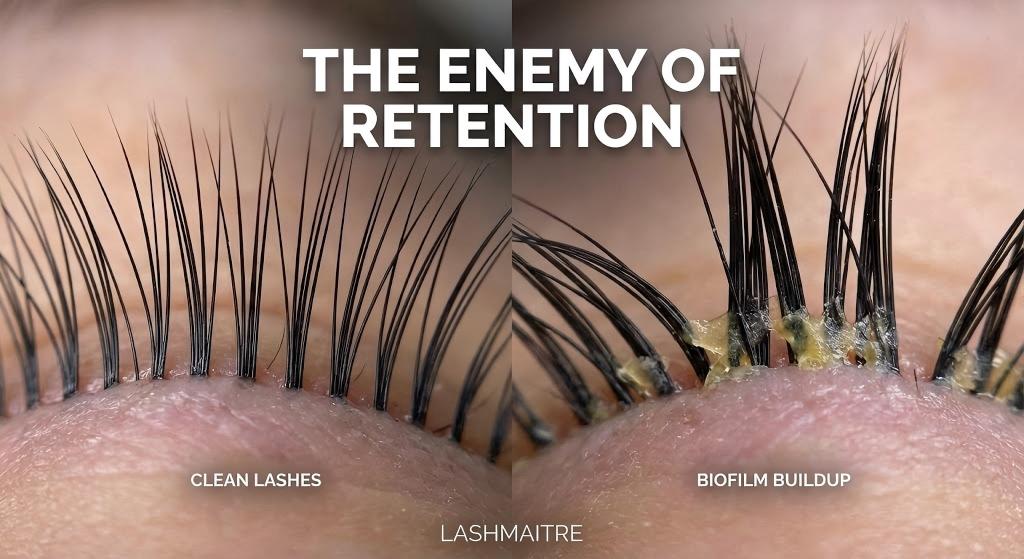
When clients fail to wash their lashes, a sticky layer called Biofilm forms at the base.
- The Science: Biofilm is a colony of bacteria and sebum.
- The Problem: Biofilm creates a barrier. If you apply a refill over dirty lashes, the glue bonds to the biofilm, not the natural lash.
- The Result: The extension pops off within days (“Shock Shedding”), leading to free repair appointments that eat into your profit.
The Cost of Poor Hygiene (Per Client / Year)
| Client Type | Retention Cycle | Free Fixes Needed | Annual Revenue | Salon Reputation |
| Healthy / Clean | 3 – 4 Weeks | 0 | $1,800 | High (Long-lasting) |
| Blepharitis / Dirty | 1 – 2 Weeks | 4 – 6 | $1,200 (Lost time) | Low (“Lashes fall out”) |
Data Insight: A study published in PubMed (NCBI) confirms that Staphylococcus overgrowth (common in blepharitis) significantly increases lipase activity, which breaks down lipid-based bonds and accelerates natural lash shedding.
The “Biofilm” Mechanism: Understanding the Culprit
To sell the solution, you must explain the problem. The core issue of blepharitis and eyelash extensions often involves Demodex mites.
The Mite Explosion
Demodex mites live on everyone. However, extensions can create a “safe haven” for them if not washed.
- Overpopulation: Mites feed on the oil buildup in the biofilm. Without daily scrubbing, their population explodes.
- Symptoms: Itchiness, redness, and cylindrical dandruff (collarettes) at the base.
- The Impact: Mites eat the hair follicle root, causing the natural lash (and the extension) to fall out prematurely.
Medical Authority: The American Academy of Ophthalmology (AAO) states that poor eyelid hygiene is the primary cause of anterior blepharitis. For lash wearers, the physical obstruction of the extensions makes mechanical cleaning difficult without specialized tools.
Material Science: Why Porous Lashes Trap Bacteria
As a B2B buyer, your inventory choice plays a huge role in preventing blepharitis and eyelash extensions. Not all fibers are created equal.
The Danger of Cheap Fibers
- Porous Surface: Low-quality acrylic or silk lashes have microscopic pits and grooves. These trap oil and bacteria, making them impossible to clean thoroughly.
- The Solution: LASHMAITRE Antibacterial PBT. Our premium Korean PBT fibers are engineered with a nano-smooth surface that repels biofilm and inhibits bacterial adhesion.
Material Hygiene Comparison for Wholesalers
| Feature | Generic Silk/Mink | LASHMAITRE Antibacterial PBT |
| Surface Texture | Micro-porous (Traps dirt) | Nano-smooth (Repels dirt) |
| Oil Resistance | Low (Absorbs sebum) | High (Hydrophobic) |
| Cleaning Ease | Difficult | Effortless |
| Bacterial Growth | High Risk | Inhibited |
The Retail Cure: Monetizing Lash Hygiene
Don’t just complain about dirty lashes; sell the cure. Addressing blepharitis and eyelash extensions is your biggest retail opportunity.
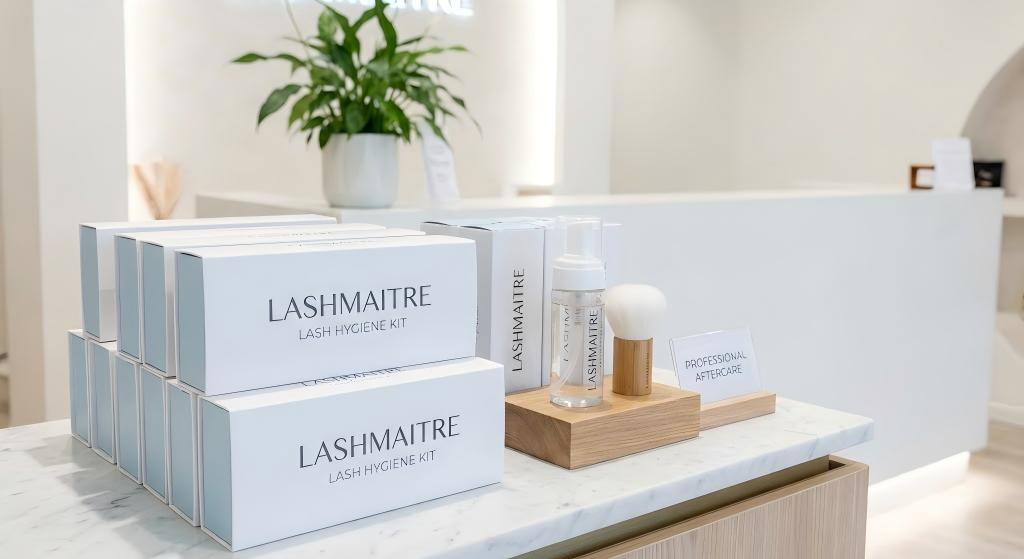
The “Mandatory” Kit
Stop suggesting lash shampoo—require it. Position it as “Insurance for your Lashes.”
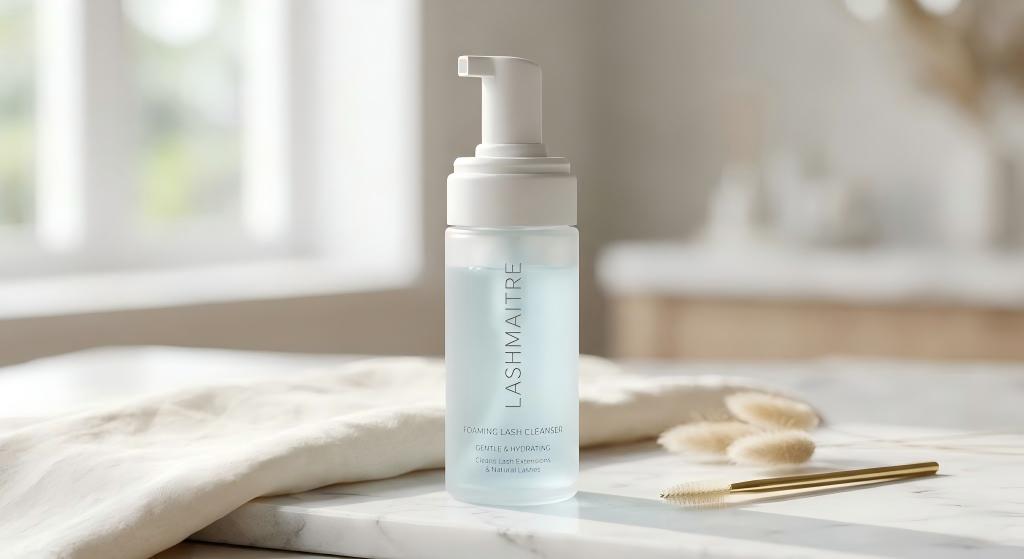
- The Product: Tea Tree Lash Cleanser. Tea Tree oil is a natural antiseptic known to kill Demodex mites.
- The Pitch: “To guarantee our retention warranty, you must use our approved cleanser daily.”
Retail Profit Model (Hygiene Kit)
| Item | Wholesale Cost | Retail Price | Profit Margin | Sales Frequency |
| Lash Shampoo (60ml) | $6.00 | $25.00 | 76% | Every 2-3 Months |
| Cleansing Brush | $1.00 | $8.00 | 87% | Every 3 Months |
| Total Annual Profit | — | — | — | $5,000+ (per 100 clients) |
The Refusal Protocol: When NOT to Lash
Protecting your salon means knowing when to say “No.” Lashing over active blepharitis is a liability.
The “Red Light” Checklist
If you see these signs during the consultation or prep, STOP:
- Red, swollen eyelids.
- Crusty yellow debris at the lash line (Biofilm/Pus).
- Visible inflammation of the Meibomian glands.
- Client complains of burning/itching before you start.
Action: Refuse the service. Recommend they see a doctor and return only when the infection is cleared. Lashing over infection can spread it to the other eye or contaminate your glue bottle.
Health Warning: The Mayo Clinic warns that untreated blepharitis can lead to more severe conditions like corneal injury. Salons must not exacerbate this risk.
Application Strategy: Hygiene-First Lashing
Establish a reputation as the cleanest salon in town. This justifies higher prices.
The Sterile SOP
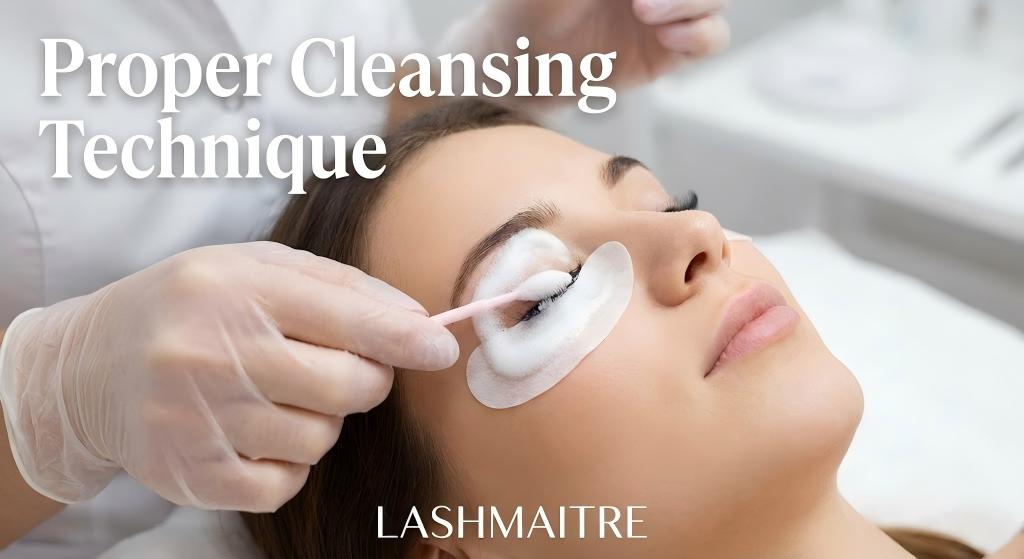
- Lash Bath: Perform a mandatory lash bath on every client before starting, even if they look clean. Charge $10 or include it in the price.
- Primer: Use an alcohol-based primer to dehydrate and kill surface bacteria on the natural lashes.
- Disposable Tools: Use disposable wands and lip applicators. Never double-dip.
- Tool Sterilization: Tweezers must be autoclaved or soaked in Barbicide between every client.
Client Education Script: Selling the “Cleanse”
How do you tell a client their hygiene is causing blepharitis and eyelash extensions issues without being rude?
The Professional Script
- The Problem: “I noticed some buildup at the base of your lashes today. This is actually ‘Biofilm,’ and it acts like a shield that stops the glue from sticking.”
- The Consequence: “If we don’t remove it, your new extensions will fall off in a few days because they are bonding to the oil, not the lash.”
- The Solution: “I’m going to do a deep cleanse today. To keep your retention high at home, I recommend grabbing this Tea Tree Cleanser kit. It breaks down that biofilm instantly.”
Conclusion: Clean Lashes = Profitable Salon
The relationship between blepharitis and eyelash extensions is simple: prevent the first to profit from the second.
For the modern B2B salon owner, hygiene is not an afterthought; it is a core business strategy. By stocking LASHMAITRE’s non-porous PBT lashes, enforcing strict refusal protocols, and aggressively retailing high-margin aftercare kits, you protect your clients’ health and your business’s bottom line.
LASHMAITRE offers the industry’s most advanced antibacterial supplies and retail-ready hygiene solutions.
Ready to clean up your profits?
Shop the hygiene collection trusted by top salons.
Register for a Wholesale Account & Shop Lash Shampoo
People Also Ask (FAQ)
Q: Can you get blepharitis from eyelash extensions?
A: Yes, indirectly. Blepharitis and eyelash extensions are linked not by the extensions themselves, but by poor hygiene. Extensions can trap dirt, oil, and dead skin cells at the lash line. If clients are afraid to wash their eyes, this buildup creates a breeding ground for bacteria and Demodex mites, leading to blepharitis (inflammation).
Q: How do you treat blepharitis with eyelash extensions?
A: If you have active blepharitis, the first step is usually to remove the extensions professionally to allow the eyelids to be thoroughly cleaned and medicated. Treatment involves warm compresses, daily eyelid scrubs (using a tea tree based cleanser), and sometimes antibiotic drops prescribed by a doctor. Do not get a new set until the condition is fully resolved.
Q: What is the best lash shampoo for blepharitis?
A: The best lash shampoo wholesale options for preventing blepharitis contain Tea Tree Oil (in a diluted, eye-safe concentration). Tea Tree is naturally antibacterial and antiseptic, making it effective against Demodex mites. Ensure the cleanser is oil-free, pH-balanced, and specifically formulated for use with cyanoacrylate adhesive to protect retention.
References & Further Reading
- American Academy of Ophthalmology (AAO). Blepharitis: Causes, Symptoms & Diagnosis.
- PubMed (National Center for Biotechnology Information). Demodex blepharitis: clinical perspectives.
- Mayo Clinic. Blepharitis – Diagnosis and treatment.
- Grand View Research. Eye Skin Care Market Size & Trends Analysis.
📅 Content Administration
- Last Updated: January 18, 2026
- Changelog:
- v1.0: Initial publication. Content focuses on Biofilm mechanics and Retail Strategy.
- v1.1: Added “Material Comparison” (Table 2) and “Refusal Protocol” (List 1).
- Next Review Date: July 18, 2026

Lash Maitre: Your Trusted Partner in Eyelash extension Solutions
Lash Maitre is dedicated to providing professional insights and tips in the eyelash extension industry. Sharing the latest trends, techniques, and product knowledge, Lash Maitre helps lash artists and enthusiasts enhance their skills, stay inspired, and achieve the perfect lash experience.
Latest Post
Contact Us
related Post
-
Whitepaper: Macromolecular Chemistry and Logistics – What Type of Glue is Used for Eyelash Extensions?
Document Control & Status: 1. The B2B Procurement Fallacy in Adhesive Sourcing In the highly specialized ecosystem of professional aesthetics, the foundational pillar of any salon franchise’s operational success is the structural integrity of its adhesive supply chain. Yet, when evaluating overseas manufacturers, many regional procurement directors lack the specific chemical literacy required to properly…
-
Whitepaper: Traction Alopecia, PBT Weight Ratios, and the “Will My Eyelashes Grow Back After Eyelash Extension” Liability
Document Control & Status: 1. Introduction: The Corporate Liability of Follicular Trauma In the highly competitive, premium sector of the global aesthetic market, the most profound threat to a salon franchise’s recurring revenue model is not competitor pricing; it is the physical degradation of the client’s natural biology. Every academy educator, franchise CEO, and regional…
-
Whitepaper: Ocular Toxicology and Liability Management – Mitigating Blepharitis From Eyelash Extensions
Document Control & Status: 1. Introduction: The Corporate Liability of Ocular Complications In the rapidly expanding global aesthetic market, the profitability of a high-end salon franchise is deeply dependent on maximizing the Lifetime Value (LTV) of each client. However, this recurring revenue model is under constant threat from material-induced medical complications. Among the most prevalent…
-

7 Critical Supply Chain Secrets to Dominate the Blue Eyelash Extensions Market: A B2B Procurement Whitepaper
Document Control & Status: 1. Introduction: The High-Margin Potential of Blue Eyelash Extensions In the contemporary landscape of professional cosmetic services, the commoditization of standard black lashes has driven B2B procurement directors and salon franchise owners to desperately seek new avenues for premium upcharging. Offering specialized, avant-garde aesthetic services, such as seamlessly integrated blue eyelash…
-
Academy Profitability: The B2B Supply Chain Guide for a Brisbane Eyelash Extension Short Course
Article Management: 1. The Procurement Reality of a Brisbane Eyelash Extension Short Course In the highly lucrative Australian cosmetic education market, launching a brisbane eyelash extension short course requires more than just an experienced instructor; it requires an absolutely flawless supply chain. Many academy founders falsely believe that student frustration and low graduation rates are…
-
The B2B Science of C Curl Eyelash Extensions: Thermal Memory, Adhesion Physics, and Salon Profitability
Article Management: 1. The Commoditization Trap of C Curl Eyelash Extensions In the professional eyelash industry, the c curl eyelash extensions represent the absolute foundational baseline of any salon’s inventory. Designed to mimic the natural upward sweep of a perfectly applied mechanical eyelash curler, the C curl is universally applicable across almost all client eye…
-
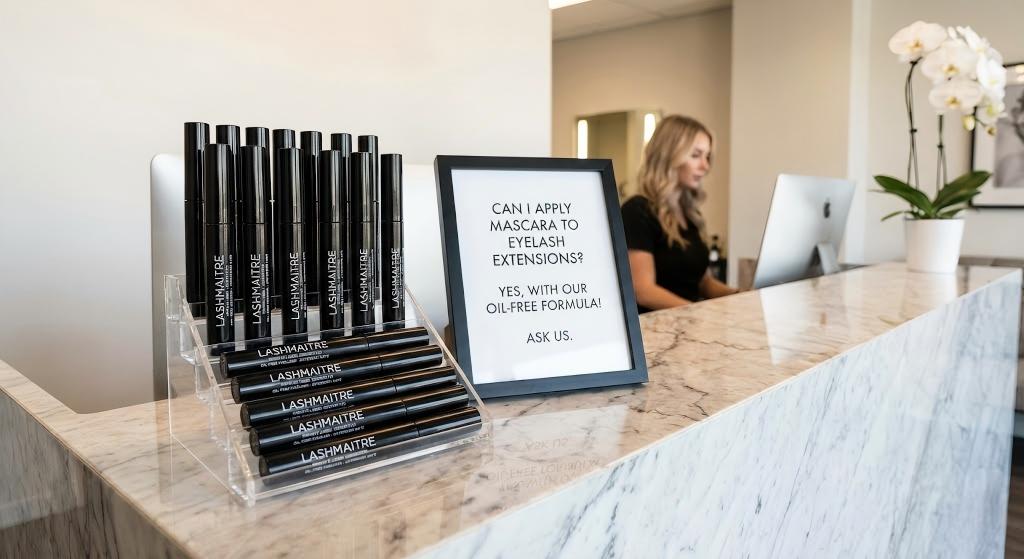
Maximize Salon Revenue: Can I Apply Mascara to Eyelash Extensions? A B2B Retail Guide
Article Management: 1. The Golden Retail Opportunity: Can I Apply Mascara to Eyelash Extensions? In the hyper-competitive beauty industry, the most successful salons do not just sell time and services; they sell comprehensive, high-end cosmetic solutions. Every master educator, salon owner, and working lash artist has encountered the exact same anxious question from a first-time…
-
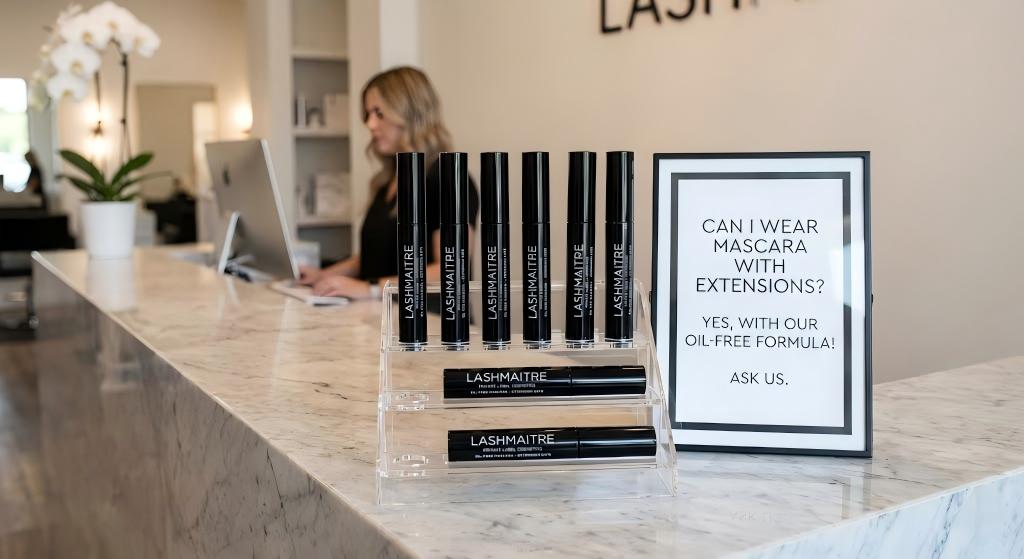
Maximize Salon Revenue: Can I Wear Mascara With Eyelash Extensions? A B2B Retail Guide
Article Management: 1. The Golden Retail Opportunity: Can I Wear Mascara With Eyelash Extensions? In the hyper-competitive beauty industry, the most successful salons do not just sell time and services; they sell comprehensive, high-end cosmetic solutions. Every master educator, salon owner, and working lash artist has encountered the exact same anxious question from a first-time…
-
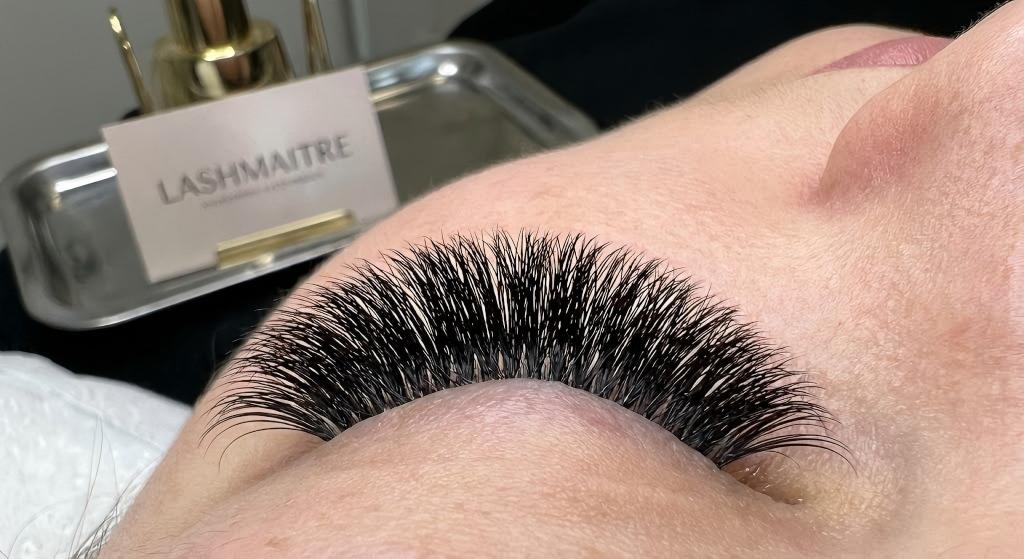
B2B Profit Truth for Salons: Can You Curl Eyelash Extensions?
Article Management: 1. The Ultimate Client Frustration: Can You Curl Eyelash Extensions? In the highly competitive beauty service sector, long-term client retention is the only metric that guarantees a salon’s survival. When a client returns for an infill appointment or calls the receptionist to nervously ask, can you curl eyelash extensions, it is a massive…
-

B2B Profit Strategy: Can You Wash Your Face With Eyelash Extensions?
Article Management: 1. The Ultimate Client Fear: Can You Wash Your Face With Eyelash Extensions? In the professional beauty service sector, educating your clientele is the absolute foundation of long-term client retention. Almost every new client sitting in a salon chair will nervously ask their artist: can you wash your face with eyelash extensions? For…
