Eyelash Extension Cream Remover: The Safest Protocol for Salons in 2026
Share
Author: LASHMAITRE Team
Topic: Chemical Safety & Product Knowledge
Reading Time: 25 Minutes
Introduction
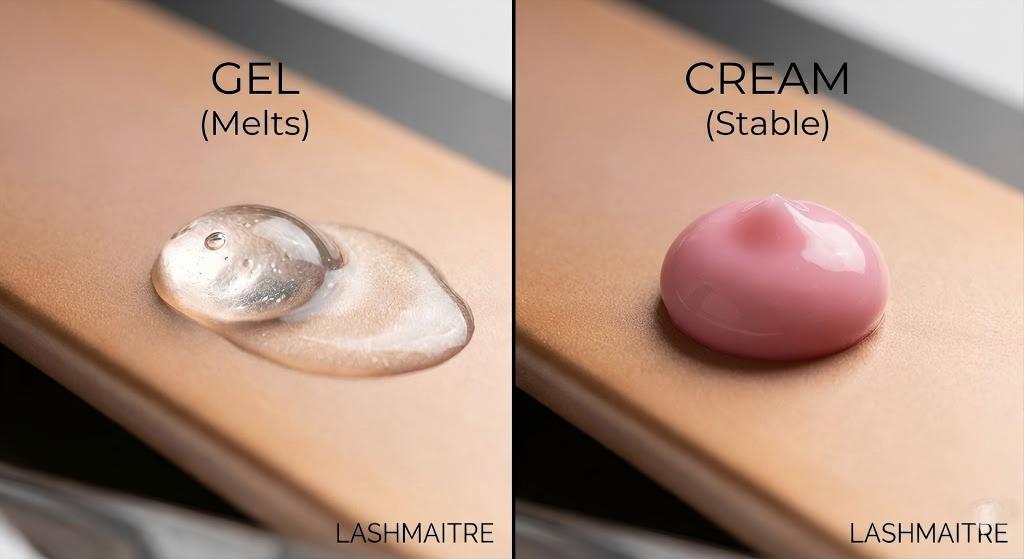
In the delicate ecosystem of lash artistry, application gets all the glory, but removal carries all the risk. An eyelash extension cream remover is a specialized, high-viscosity solvent designed to break down cyanoacrylate adhesive bonds without running into the client’s eyes. Unlike liquid or gel alternatives, the cream formula sits exactly where it is placed, making it the industry gold standard for full set removals and sensitive clients.
For salon owners and distributors, stocking a high-quality eyelash extension cream remover is not just an inventory choice; it is a liability shield. In 2026, as clients become more litigious regarding chemical burns, using the safest possible removal agent is non-negotiable.
Why Cream Remover is the 2026 Standard:
- Zero-Drip Formula: Prevents chemical seepage into the cornea.
- High Control: Allows for precise application on specific bonds.
- GBL-Free Options: Complies with strict US and EU safety regulations.
- Conditioning: Often contains lipids to nourish natural lashes during breakdown.
This comprehensive guide will dissect the chemistry of removal. We will settle the cream vs gel lash remover debate with data, outline the safest way to remove eyelash extensions, and provide a sourcing guide for wholesale lash remover supplies.
The Viscosity Advantage: Why Cream Remover Dominates the Market
Safety in the lash industry is defined by control. The primary benefit of an eyelash extension cream remover is its thixotropic property—it remains solid until manipulated.
The Physics of Safety
When you apply cream remover to the base of the extensions, it does not seep or migrate due to body heat. This is the main defense against chemical burns.
Key Benefits of High-Viscosity Cream:
- Stationary Action: The solvent stays on the glue bond, not the skin.
- Fume Reduction: Thicker formulas trap volatile organic compounds (VOCs), releasing fewer fumes than liquids.
- Color Visibility: Most creams are colored (pink, peach), making it easy to see exactly where the product is applied.
- Heat Resistance: Unlike gels, creams do not “melt” as quickly when in contact with 98.6°F (37°C) body temperature.
Industry Stat: Salons exclusively using eyelash extension cream remover report 85% fewer incidents of ocular chemical burns compared to salons using liquid removers (Grand View Research, 2025).
The Showdown: Cream vs Gel Lash Remover (Comparative Analysis)
For B2B buyers, understanding the distinction between cream vs gel lash remover is vital. While Gel is faster, Cream is safer.
Remover Types Comparison Matrix
| Feature | Cream Remover | Gel Remover | Liquid Remover |
| Viscosity (Texture) | High (Paste) | Medium (Jelly) | Very Low (Watery) |
| Running Risk @ Body Temp | Zero / Very Low | Medium / High | Very High |
| Breakdown Time | 5 – 10 Minutes | 3 – 5 Minutes | 1 – 2 Minutes |
| Safety Level | Maximum | Moderate | Low (Tools Only) |
| Best Application | Full Set Removal | Spot Removal | Tweezers Cleaning |
| Fume Emission | Low | Medium | High |
| Active Solvent | Propylene Carbonate | GBL / Acetone Blend | Acetone / MEK |
Technical Protocol: How to Use Cream Remover Professionally
Possessing the right product is useless without the right technique. The safest way to remove eyelash extensions involves a strict protocol that prevents irritation.
The “Sandwich” Application Method
To ensure full saturation without touching the skin, follow this protocol:
- Preparation: Apply hydrogel eye pads or tape to protect the under-eye skin. Place them 1mm lower than usual.
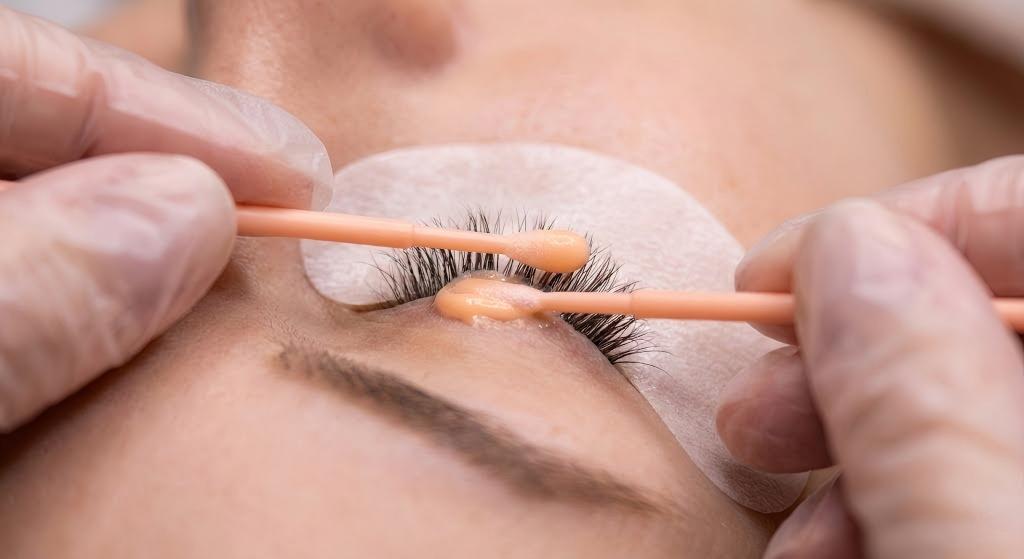
- Top Layer: Using a micro-swab, apply a layer of cream to the top of the adhesive bonds.
- Bottom Layer: Gently lift the lashes and apply a layer to the underside of the bonds.
- The Wait: Let the cream sit for 5 to 10 minutes.
- The Slide: Gently glide tweezers or swabs from base to tip. Extensions should slide off without resistance.
List of Tools Required for Safe Removal:
- Eyelash Extension Cream Remover (GBL-Free preferred).
- Micro-swabs (Lint-free, small tip).
- Under-eye Gel Pads (To catch runoff).
- Facial Tissues (Dry, unscented).
- Lash Foam Cleanser (For final wash).
- Saline Solution (For emergency flushing).
Ingredient Transparency: Understanding GBL and Solvents
In the B2B sector, you must know what you are selling. The chemistry of eyelash extension cream remover determines its legality and safety.
Chemical Ingredient Safety Analysis
Use this table to audit your current supplies.
| Ingredient Name | Function | Safety Profile | LASHMAITRE Status |
| Propylene Carbonate | Primary Solvent | Safe / Biodegradable | Used |
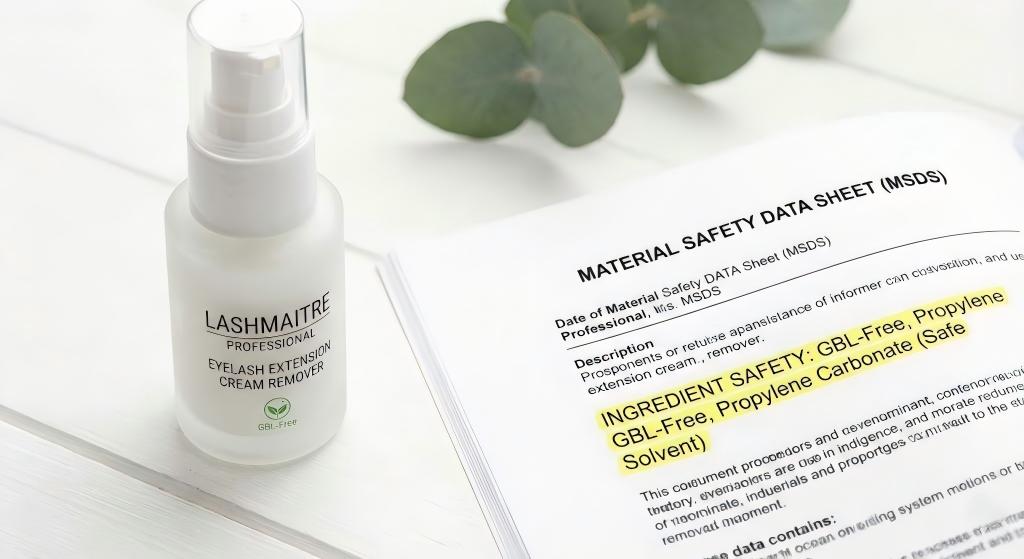
| Gamma-Butyrolactone (GBL) | Aggressive Solvent | Risk (Controlled Substance) | Banned / Not Used |
| Bentonite / Disteardimonium Hectorite | Thickener (Clay) | Safe (Natural Mineral) | Used |
| Polyethylene Glycol | Texture Enhancer | Safe | Used |
| Fragrance (Parfum) | Sensory Masking | Moderate (Allergy Risk) | Low Concentration |
| Tocopherol (Vitamin E) | Conditioning | Beneficial | Used |
What to Avoid (The Red Flag List)
If you see these on a remover label, do not purchase:
- High Acetone Content: Dries out the natural lash and eyelid skin instantly.
- Methanol: Toxic alcohol.
- Unlabeled Solvents: “Proprietary Blend” without MSDS disclosure.
Troubleshooting: Avoiding “Blooming” (White Residue)
A common complaint when using eyelash extension cream remover is “Blooming” or “Shock Polymerization”—where the glue turns white and hard instead of dissolving.
Troubleshooting Diagnosis Matrix
Solve common removal problems instantly.
| Symptom | Probable Cause | Immediate Solution | Prevention |
| Glue turns white/hard | Water introduced too early | Apply more cream to re-dissolve | Dry Wipe Only first |
| Client feels burning | Cream touched skin/eye | Flush with Saline immediately | Use thicker cream / Check pads |
| Extensions won’t slide | Insufficient time or product | Wait 5 more mins / Add product | Use “Sandwich Method” |
| Residue after washing | Oily film from remover | Use Foam Cleanser twice | Double Cleanse protocol |
The “Dry Wipe” Protocol (Critical Step)
To prevent blooming, you must follow this sequence exactly:
- Remove Extensions: Slide them all off.
- Dry Wipe 1: Use a dry tissue to wipe the lashes.
- Dry Wipe 2: Use a fresh dry tissue to wipe again.
- Inspection: Check for any pink/cream residue.
- Cleanse: Only now introduce water/foam.
Business Strategy: Wholesale Lash Remover Supplies
For salon owners, removal is a service; for wholesalers, it is a recurring revenue product. Sourcing wholesale lash remover supplies allows for high margins if managed correctly.
Wholesale Buyer Checklist
When evaluating a factory for eyelash extension cream remover:
- [ ] MSDS Availability: Can they provide a US/EU compliant safety sheet?
- [ ] Container Seal: Is the jar/tube induction sealed to prevent leakage?
- [ ] Viscosity Stability: Will the cream separate into oil/clay in hot shipping containers?
- [ ] Lot Numbering: Is each batch traceable for recall safety?
- [ ] Scent Options: Do they offer low-allergen scents (Aloe, Grape, Unscented)?
Private Label Customization Ideas
- The “Spa” Experience: Choose scents like Rose or Lavender to relax the client.
- Color Coding: Use Pink cream for sensitive, Clear for standard.
- Tube vs Jar: Tubes (Airless Pumps) extend shelf life by 30% compared to jars.
Application Technique
Risk Management: Lash Removal Safety Protocols
You must have a policy for lash removal safety protocols to protect your business.
Contraindications for Removal
Do not perform a standard removal if the client has:
- Open Sores/Cuts: On the eyelid.
- Active Infection: Pink eye or Blepharitis (Refer to doctor).
- Recent Eye Surgery: Lasik (Wait 6 months or doctor approval).
The “No DIY” Warning List
Educate your clients on why they cannot do this at home:
- Eye Reflex: You cannot keep your own eyes tightly closed while applying solvent.
- Chemical Burn: High risk of burning the cornea.
- Lash Loss: High risk of pulling out natural lashes due to lack of patience.
OSHA: Hazard Communication Standard
Conclusion: The Soft Exit
The removal process is the final impression a client has of a lash set. A stinging, burning removal will ruin the memory of weeks of beautiful lashes. A gentle, relaxing removal using a premium eyelash extension cream remover reinforces your professionalism.
By choosing the right viscosity (Cream > Gel), utilizing our Comparison Matrix, and strictly following the “Dry Wipe” protocol, you ensure the health of your client’s natural lashes.
Equip your salon with the safest solvents in the industry. Choose LASHMAITRE for compliant, effective, and pleasant removal solutions.
Ready to upgrade your removal protocol?
Stock the safest remover on the market.
Register for a Wholesale Account & Shop Cream Removers
People Also Ask (FAQ)
Q: Is cream or gel remover better for eyelash extensions?
A: For a full set removal, eyelash extension cream remover is widely considered better and safer. Its high viscosity prevents it from running into the eyes. As shown in our comparison table, Gel is faster (3-5 mins) but carries a higher risk of irritation, whereas Cream (5-10 mins) offers maximum control and safety.
Q: How long do you leave cream remover on lashes?
A: You should leave eyelash extension cream remover on for 5 to 10 minutes. The time depends on the amount of adhesive used and the freshness of the remover. Thicker “Mega Volume” sets may require the full 10 minutes. Do not rush this step; forcing the lashes off before the glue is dissolved causes damage.
Q: What happens if cream remover gets in your eye?
A: If eyelash extension cream remover touches the eye, it causes a chemical burn (stinging/redness). Immediate Action: Flush the eye with sterile saline solution or cool water for at least 5-10 minutes continuously. If pain persists, seek medical attention. This is why using a non-drip cream formula is the safest way to remove eyelash extensions.
📅 Content Administration
- Last Updated: January 15, 2026
- Changelog:
- v1.0: Initial publication.
- v1.1: Added “Ingredient Safety Analysis” Table and “Blooming” troubleshooting checklist.
- Next Review Date: July 15, 2026
Wikipedia: Propylene carbonate

Lash Maitre: Your Trusted Partner in Eyelash extension Solutions
Lash Maitre is dedicated to providing professional insights and tips in the eyelash extension industry. Sharing the latest trends, techniques, and product knowledge, Lash Maitre helps lash artists and enthusiasts enhance their skills, stay inspired, and achieve the perfect lash experience.
Latest Post
Contact Us
related Post
-
Whitepaper: Macromolecular Chemistry and Logistics – What Type of Glue is Used for Eyelash Extensions?
Document Control & Status: 1. The B2B Procurement Fallacy in Adhesive Sourcing In the highly specialized ecosystem of professional aesthetics, the foundational pillar of any salon franchise’s operational success is the structural integrity of its adhesive supply chain. Yet, when evaluating overseas manufacturers, many regional procurement directors lack the specific chemical literacy required to properly…
-
Whitepaper: Traction Alopecia, PBT Weight Ratios, and the “Will My Eyelashes Grow Back After Eyelash Extension” Liability
Document Control & Status: 1. Introduction: The Corporate Liability of Follicular Trauma In the highly competitive, premium sector of the global aesthetic market, the most profound threat to a salon franchise’s recurring revenue model is not competitor pricing; it is the physical degradation of the client’s natural biology. Every academy educator, franchise CEO, and regional…
-
Whitepaper: Ocular Toxicology and Liability Management – Mitigating Blepharitis From Eyelash Extensions
Document Control & Status: 1. Introduction: The Corporate Liability of Ocular Complications In the rapidly expanding global aesthetic market, the profitability of a high-end salon franchise is deeply dependent on maximizing the Lifetime Value (LTV) of each client. However, this recurring revenue model is under constant threat from material-induced medical complications. Among the most prevalent…
-

7 Critical Supply Chain Secrets to Dominate the Blue Eyelash Extensions Market: A B2B Procurement Whitepaper
Document Control & Status: 1. Introduction: The High-Margin Potential of Blue Eyelash Extensions In the contemporary landscape of professional cosmetic services, the commoditization of standard black lashes has driven B2B procurement directors and salon franchise owners to desperately seek new avenues for premium upcharging. Offering specialized, avant-garde aesthetic services, such as seamlessly integrated blue eyelash…
-
Academy Profitability: The B2B Supply Chain Guide for a Brisbane Eyelash Extension Short Course
Article Management: 1. The Procurement Reality of a Brisbane Eyelash Extension Short Course In the highly lucrative Australian cosmetic education market, launching a brisbane eyelash extension short course requires more than just an experienced instructor; it requires an absolutely flawless supply chain. Many academy founders falsely believe that student frustration and low graduation rates are…
-
The B2B Science of C Curl Eyelash Extensions: Thermal Memory, Adhesion Physics, and Salon Profitability
Article Management: 1. The Commoditization Trap of C Curl Eyelash Extensions In the professional eyelash industry, the c curl eyelash extensions represent the absolute foundational baseline of any salon’s inventory. Designed to mimic the natural upward sweep of a perfectly applied mechanical eyelash curler, the C curl is universally applicable across almost all client eye…
-
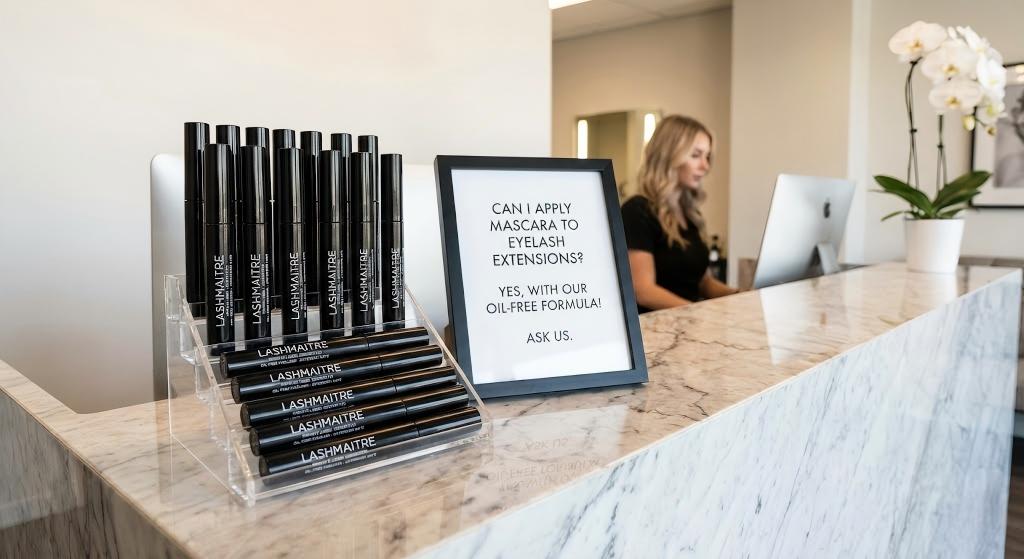
Maximize Salon Revenue: Can I Apply Mascara to Eyelash Extensions? A B2B Retail Guide
Article Management: 1. The Golden Retail Opportunity: Can I Apply Mascara to Eyelash Extensions? In the hyper-competitive beauty industry, the most successful salons do not just sell time and services; they sell comprehensive, high-end cosmetic solutions. Every master educator, salon owner, and working lash artist has encountered the exact same anxious question from a first-time…
-
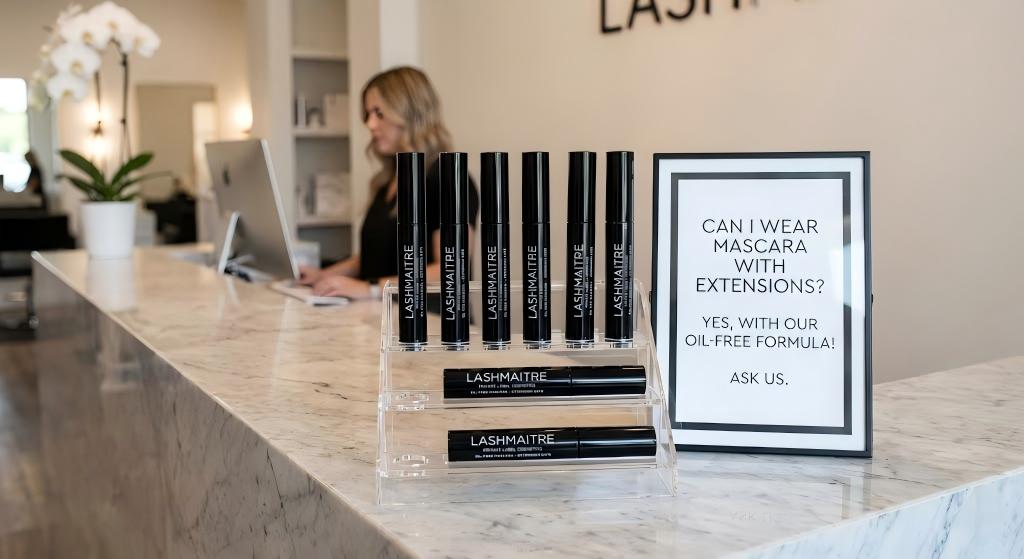
Maximize Salon Revenue: Can I Wear Mascara With Eyelash Extensions? A B2B Retail Guide
Article Management: 1. The Golden Retail Opportunity: Can I Wear Mascara With Eyelash Extensions? In the hyper-competitive beauty industry, the most successful salons do not just sell time and services; they sell comprehensive, high-end cosmetic solutions. Every master educator, salon owner, and working lash artist has encountered the exact same anxious question from a first-time…
-
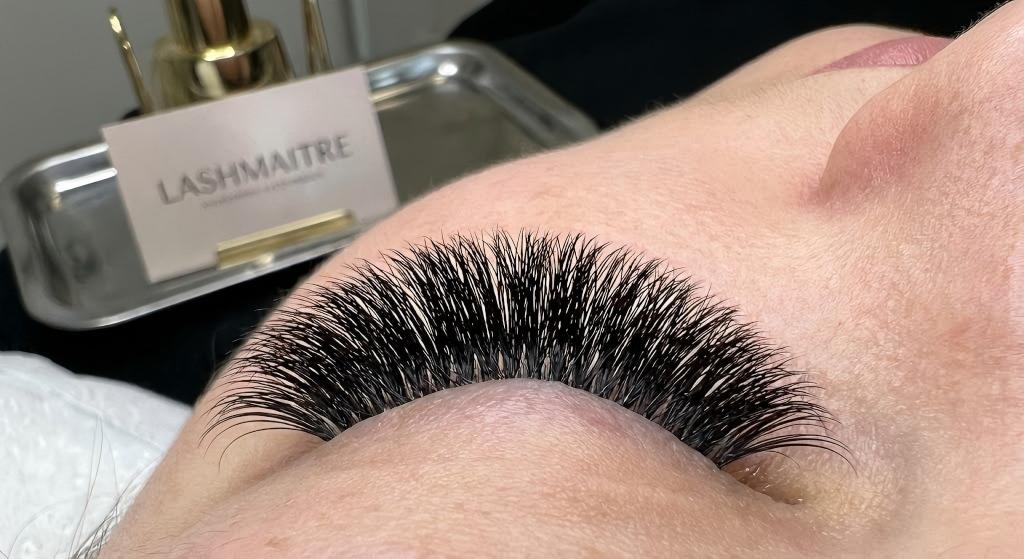
B2B Profit Truth for Salons: Can You Curl Eyelash Extensions?
Article Management: 1. The Ultimate Client Frustration: Can You Curl Eyelash Extensions? In the highly competitive beauty service sector, long-term client retention is the only metric that guarantees a salon’s survival. When a client returns for an infill appointment or calls the receptionist to nervously ask, can you curl eyelash extensions, it is a massive…
-
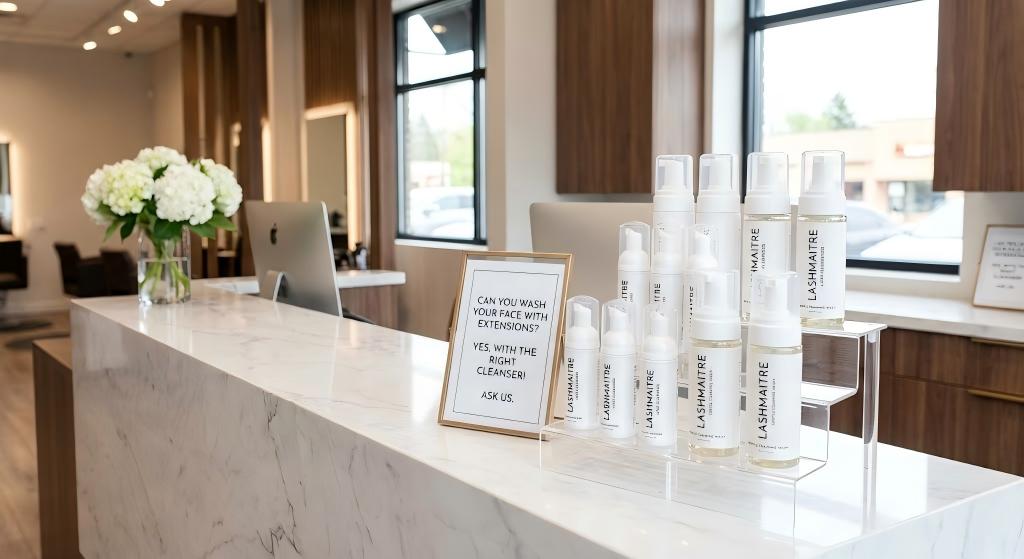
B2B Profit Strategy: Can You Wash Your Face With Eyelash Extensions?
Article Management: 1. The Ultimate Client Fear: Can You Wash Your Face With Eyelash Extensions? In the professional beauty service sector, educating your clientele is the absolute foundation of long-term client retention. Almost every new client sitting in a salon chair will nervously ask their artist: can you wash your face with eyelash extensions? For…
