Eyelash Extension Allergy vs Irritation: The Ultimate Diagnostic Guide 2026
Share
Author: LASHMAITRE Safety & Education Team
Topic: Medical Safety & Client Care
Reading Time: 25 Minutes
Introduction
In the high-stakes environment of professional beauty, the phrase “my eyes are red” can trigger panic. For salon owners, accurately distinguishing between an eyelash extension allergy vs irritation is the difference between a simple fix and a lost client—or worse, a liability claim. While they may look similar to the untrained eye, they are fundamentally different biological events requiring opposite solutions.
In 2026, clients are more educated and litigious than ever. As a LASHMAITRE partner, your ability to act as a diagnostic expert builds trust. An irritation is often a technique error (manageable), while an allergy is an immune system response (unmanageable without product changes).
This comprehensive white paper will dissect the medical science behind reactions, provide a definitive symptoms of lash glue allergy checklist, and offer strategic sourcing advice for sensitive lash glue options to keep your salon safe and profitable.
The Core Distinction: Medical Definitions & Mechanism
To treat the problem, you must define it. The confusion regarding eyelash extension allergy vs irritation stems from overlapping symptoms, but the root causes are distinct.
1. Irritation (Contact Conjunctivitis)
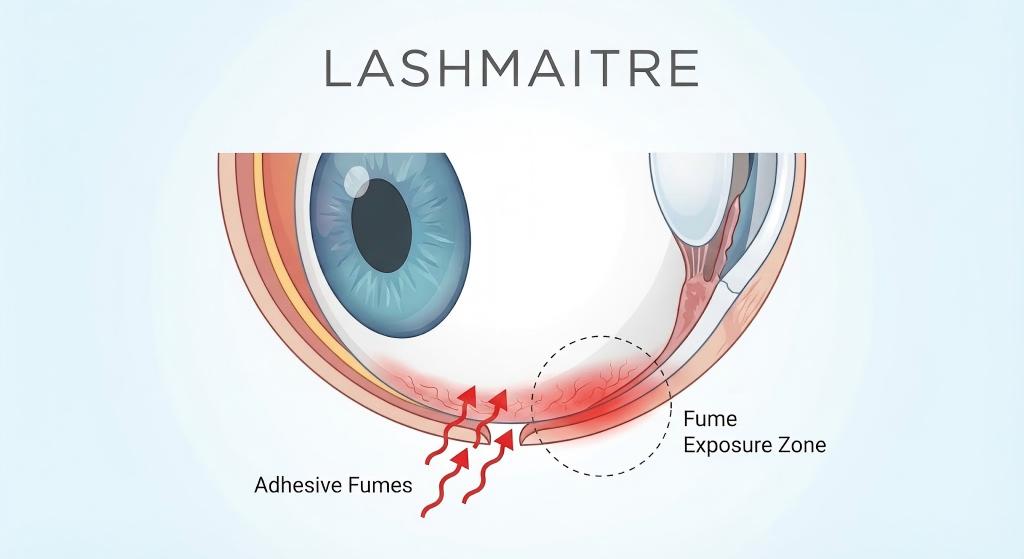
Irritation is a chemical reaction. It is typically caused by adhesive fumes (monomers) touching the eyeball or skin. It acts like a chemical burn.
- Cause: Gas molecules form a mild acid when they touch moisture (tears).
- Nature: It is localized and usually temporary. It does not mean the body is “attacking” the lashes; it means the eye is irritated by a foreign substance.
2. Allergy (Contact Dermatitis)
Allergy is an immune system response. The body identifies the allergen (usually Cyanoacrylate or Carbon Black) as a threat and produces antibodies (histamines) to fight it.
- Cause: Cumulative exposure. A client can develop an allergy after 5 years of wearing lashes with no issues.
- Nature: It is systemic and worsens with every exposure.
Medical Authority: According to the Mayo Clinic, contact dermatitis results in an itchy rash, whereas irritant reactions result in burning or stinging.
Table 1: The Diagnostic Matrix (Allergy vs. Irritation)
Use this table to train your staff on immediate diagnosis.
| Feature | Irritation (Chemical Burn) | Allergy (Immune Response) |
| Primary Sensation | Burning, Stinging, Watering | Itching, Swelling, Puffy |
| Onset Time | During or immediately after service | 24 – 48 hours later |
| Duration | Subsides within 24 hours | Lasts 3 – 7 days (until removal) |
| Affected Area | Eyeball (Sclera) is red | Eyelids are swollen/puffy |
| One or Both Eyes? | Often one eye (the one slightly open) | Usually both eyes equally |
| Treatment | Fresh Air, Saline Flush | Removal + Antihistamines |
The Silent Burn: Understanding Chemical Irritation
Most “reactions” are actually irritations caused by fumes. This is good news because it is preventable.
The Physics of Fumes
Cyanoacrylate adhesives cure by absorbing moisture. If a client’s eye is slightly open (even 1mm), the fumes seek the moisture on the eyeball.
- The Result: Chemical Conjunctivitis (Redness at the bottom of the iris).
List: Top 5 Causes of Irritation in Salons
- The “Peek”: Eye pads placed too high, pushing the lower lid open.
- Talking: Facial movement breaks the seal of the eye pads.
- Old Glue: Oxidized glue releases more acidic fumes.
- Poor Ventilation: Failure to extract VOCs from the air.
- No Bonder: Allowing fumes to linger for 24 hours.
The Immune Attack: Understanding True Allergy
When dealing with eyelash extension allergy vs irritation, true allergies are the salon’s nightmare.
The Cumulative Threshold
A common myth is: “I’ve had lashes for years, so I can’t be allergic.”
- The Science: Allergies are cumulative. The body has a “bucket.” Once the bucket is full of toxin exposure, the immune system snaps. This is why
cyanoacrylate allergy treatmentoften requires a complete break from lashes.
Citation: Cyanoacrylate Toxicity
A study published in PubMed (National Center for Biotechnology Information) highlights that acrylates are potent sensitizers. Once sensitized, the body will react to even the smallest amount of ethyl cyanoacrylate.
List: Symptoms of Lash Glue Allergy
- Swollen Eyelids: Eyes look “heavy” or puffy.
- Flaking Skin: Red, dry patches on the eyelid skin (Eczema-like).
- Unbearable Itch: The client wants to rub their eyes constantly.
- Discharge: Stringy mucus (unlike the watery tears of irritation).
The Timeline Test: Diagnosing by the Clock
The most effective tool for distinguishing eyelash extension allergy vs irritation is the clock.
Table 2: The 48-Hour Symptom Timeline
| Time Since Appointment | Symptoms Observed | Diagnosis | Recommended Action |
| 0 – 2 Hours | Burning, Redness, Tearing | Irritation | Fan eyes, Nano Mister, Check pads |
| 2 – 12 Hours | Redness subsides, minor dryness | Irritation (Healing) | Saline drops, Rest |
| 24 Hours | Itching starts, mild puffiness | Allergy (Early) | Take Antihistamine, Monitor |
| 48 Hours | Severe Swelling, crusting | Allergy (Peak) | Removal Required, See Doctor |
Protocol for Action: How to Soothe Irritated Eyes
When a client calls in distress, you need a protocol for how to soothe irritated eyes from lashes.
List: Immediate Care Protocol (Irritation)
- Air Flow: Advise client to stay in a well-ventilated area.
- Saline Flush: Use sterile saline (not water) to rinse the eye for 5 minutes.
- Cold Compress: Apply a cool gel mask to constrict blood vessels and reduce redness.
- No Visine: Avoid “Red Eye” drops as they can dry out the eye further; use lubricating tears instead.
List: Medical Protocol (Allergy)
- Antihistamine: Suggest an OTC allergy medication (e.g., Benadryl) Disclaimer: We are not doctors.
- Removal: If swelling persists for >24 hours, the lashes must be removed to stop the exposure source.
- Medical Referral: If breathing is affected or swelling shuts the eye, send to Urgent Care immediately.
Sourcing Solutions: Sensitive Glue Options for Professionals
For B2B buyers, the solution to the eyelash extension allergy vs irritation dilemma lies in your inventory. You must stock sensitive lash glue options.
Ethyl vs. Alkoxy Cyanoacrylate
- Ethyl (Standard): Strong bond, fast cure, higher fumes.
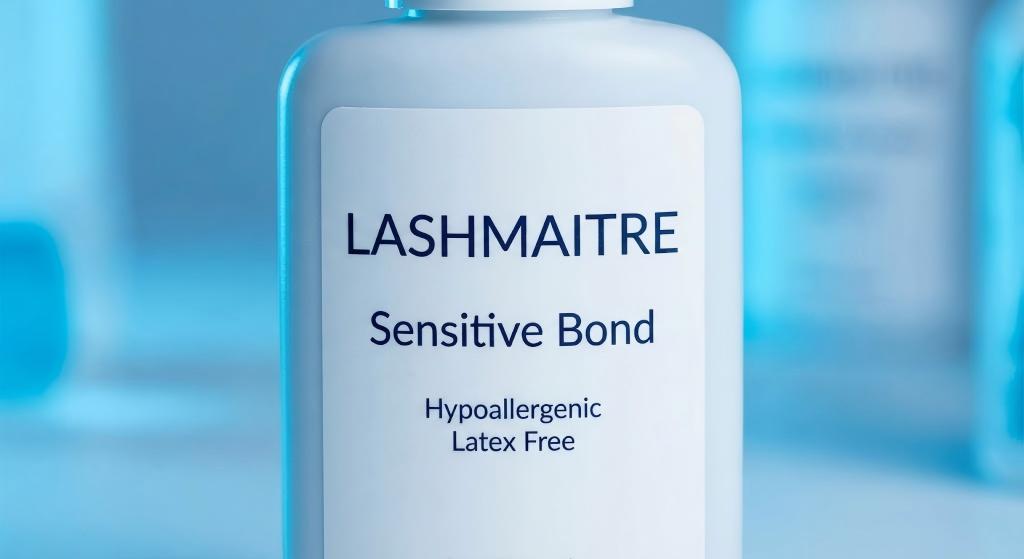
- Alkoxy (Sensitive): Weaker bond, slow cure, near-zero fumes. Used in LASHMAITRE Sensitive Bond.
- Clear Glue: Removes Carbon Black (a secondary allergen).
Table 3: LASHMAITRE Adhesive Portfolio
| Glue Type | Active Ingredient | Fume Level | Retention | Best For |
| Ultra Bond | Ethyl Cyanoacrylate | Medium | 7-8 Weeks | Experienced Techs / Healthy Eyes |
| Sensitive Bond | Alkoxy Cyanoacrylate | Low | 3-4 Weeks | Allergy Prone Clients |
| Clear Bond | Ethyl (No Carbon) | Medium | 6-7 Weeks | Carbon Black Allergy |
Prevention Strategy: The Nano Mister & Bonder Role
You can prevent 90% of irritation cases by controlling the curing process. Preventing chemical burns lash extensions starts at the end of the service.
The Role of Superbonder
- Bonder: Instantly polymerizes the glue, locking fumes inside the bond.
- Impact: Clients can leave the salon with fully cured lashes, meaning no fumes are released on their drive home.
List: The “Zero-Sting” Application Steps
- Fan: Use a fan for 2 minutes after the last lash.
- Nano Mist: Use a Nano Mister for 30 seconds (holds 12 inches away) to introduce hydration.
- Bonder: Apply LASHMAITRE Superbonder to the base.
- Sealant: Finish with a barrier sealant.
Business Protection: Waivers and Refusal of Service
As a business owner, you must protect yourself legally from eyelash extension allergy vs irritation claims.
The “No Refund” Policy
Your waiver must state: “I understand that an allergic reaction is a risk of the service and implies no fault of the technician. No refunds will be given for time and materials.”
List: When to Refuse Service
Do not lash if the client has:
- Active Blepharitis (Eyelid inflammation).
- Recent history of severe allergic reaction (Anaphylaxis).
- Broken skin or open wounds on the eyelid.
Download our Liability Waiver & Consent Form Templates.
Conclusion: Diagnosis is Your Superpower
In the complex landscape of eyelash extension allergy vs irritation, knowledge is your best defense. By correctly identifying the symptoms—burning for irritation, itching for allergy—you can save your client’s comfort and your salon’s reputation.
While you cannot change a client’s immune system, you can change your supplies. Stocking LASHMAITRE’s Sensitive Bond and Superbonder ensures you have the medical-grade tools to serve even the most delicate eyes.
Be the expert who solves the problem, not the one who causes it.
Ready to upgrade your safety standards?
Shop the low-fume solutions trusted by professionals.
Register for a Wholesale Account & Shop Sensitive Adhesives
People Also Ask (FAQ)
Q: How do you tell the difference between lash allergy and irritation?
A: The main difference in eyelash extension allergy vs irritation is the timing and sensation. Irritation typically happens during or immediately after the appointment, feels like burning or stinging, and causes red eyeballs. Allergy typically starts 24-48 hours later, involves intense itching and puffy eyelids, and affects both eyes equally.
Q: Can you get eyelash extensions if you are allergic to the glue?
A: Generally, no. If you have a true developed allergy to cyanoacrylate, your immune system will react every time, often getting worse. However, you can try sensitive lash glue options (Alkoxy-based) or a “Patch Test” with clear glue to see if the allergen is Carbon Black. If reactions persist, you must stop getting extensions.
Q: What helps with eye irritation from eyelash extensions?
A: To treat how to soothe irritated eyes from lashes caused by fumes: 1. Flush the eyes with sterile saline solution (not tap water) for 5-10 minutes. 2. Use a cold compress (gel mask) to reduce inflammation. 3. Use lubricating eye drops (artificial tears). 4. Avoid contact lenses for 24 hours.
References & Further Reading
- American Academy of Ophthalmology (AAO). Eyelash Extension Safety and Risks. Eye Health.
- National Center for Biotechnology Information (NCBI). Contact Dermatitis to Cyanoacrylate Adhesives. PubMed Central.
- Mayo Clinic. Contact Dermatitis Symptoms & Causes.
- Occupational Safety and Health Administration (OSHA). Nail and Beauty Salon Hazards.
📅 Content Administration
- Last Updated: January 15, 2026
- Changelog:
- v1.0: Initial publication. Content focuses on medical diagnosis and OSHA compliance.
- v1.1: Added “Timeline Test” (Table 2) and “Sensitive Glue” comparisons.
- Next Review Date: July 15, 2026

Lash Maitre: Your Trusted Partner in Eyelash extension Solutions
Lash Maitre is dedicated to providing professional insights and tips in the eyelash extension industry. Sharing the latest trends, techniques, and product knowledge, Lash Maitre helps lash artists and enthusiasts enhance their skills, stay inspired, and achieve the perfect lash experience.
Latest Post
Contact Us
related Post
-

Whitepaper: Macromolecular Chemistry and Logistics – What Type of Glue is Used for Eyelash Extensions?
Document Control & Status: 1. The B2B Procurement Fallacy in Adhesive Sourcing In the highly specialized ecosystem of professional aesthetics, the foundational pillar of any salon franchise’s operational success is the structural integrity of its adhesive supply chain. Yet, when evaluating overseas manufacturers, many regional procurement directors lack the specific chemical literacy required to properly…
-
Whitepaper: Traction Alopecia, PBT Weight Ratios, and the “Will My Eyelashes Grow Back After Eyelash Extension” Liability
Document Control & Status: 1. Introduction: The Corporate Liability of Follicular Trauma In the highly competitive, premium sector of the global aesthetic market, the most profound threat to a salon franchise’s recurring revenue model is not competitor pricing; it is the physical degradation of the client’s natural biology. Every academy educator, franchise CEO, and regional…
-
Whitepaper: Ocular Toxicology and Liability Management – Mitigating Blepharitis From Eyelash Extensions
Document Control & Status: 1. Introduction: The Corporate Liability of Ocular Complications In the rapidly expanding global aesthetic market, the profitability of a high-end salon franchise is deeply dependent on maximizing the Lifetime Value (LTV) of each client. However, this recurring revenue model is under constant threat from material-induced medical complications. Among the most prevalent…
-

7 Critical Supply Chain Secrets to Dominate the Blue Eyelash Extensions Market: A B2B Procurement Whitepaper
Document Control & Status: 1. Introduction: The High-Margin Potential of Blue Eyelash Extensions In the contemporary landscape of professional cosmetic services, the commoditization of standard black lashes has driven B2B procurement directors and salon franchise owners to desperately seek new avenues for premium upcharging. Offering specialized, avant-garde aesthetic services, such as seamlessly integrated blue eyelash…
-
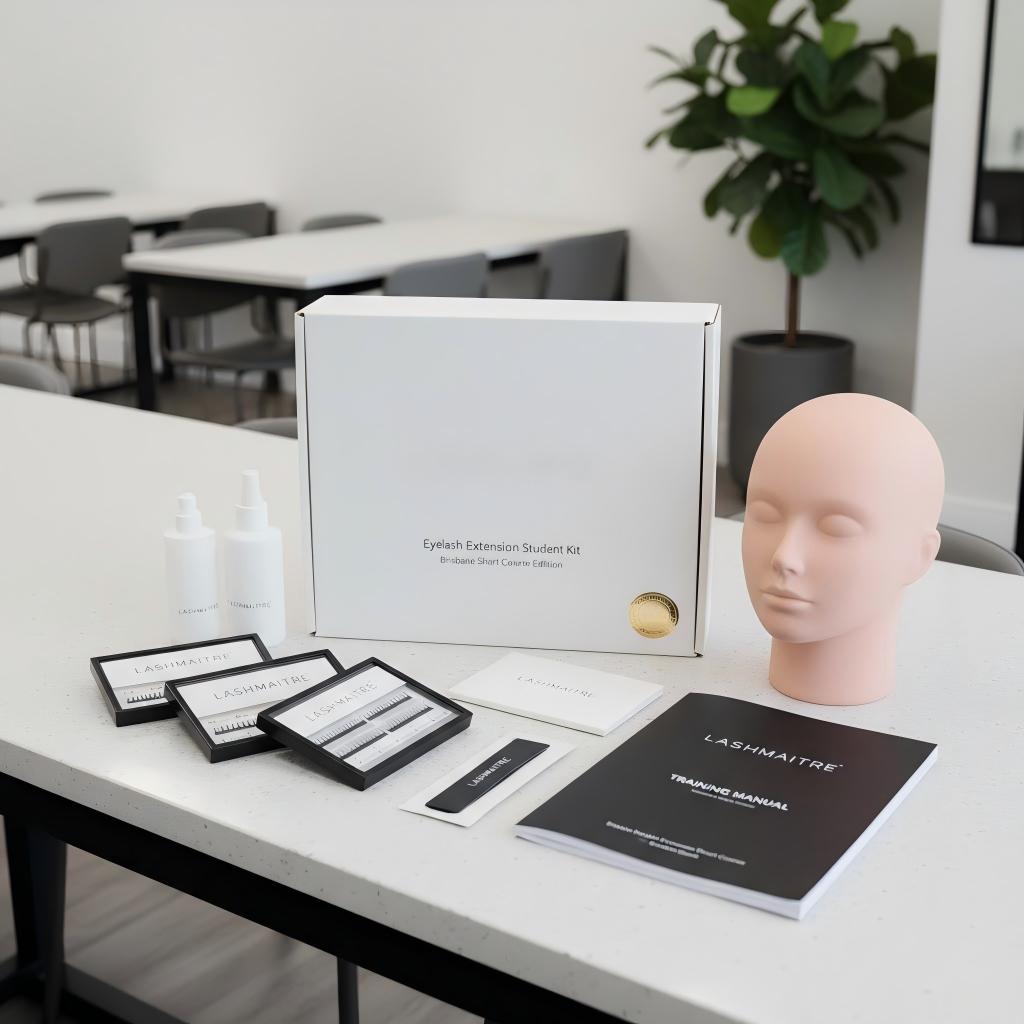
Academy Profitability: The B2B Supply Chain Guide for a Brisbane Eyelash Extension Short Course
Article Management: 1. The Procurement Reality of a Brisbane Eyelash Extension Short Course In the highly lucrative Australian cosmetic education market, launching a brisbane eyelash extension short course requires more than just an experienced instructor; it requires an absolutely flawless supply chain. Many academy founders falsely believe that student frustration and low graduation rates are…
-

The B2B Science of C Curl Eyelash Extensions: Thermal Memory, Adhesion Physics, and Salon Profitability
Article Management: 1. The Commoditization Trap of C Curl Eyelash Extensions In the professional eyelash industry, the c curl eyelash extensions represent the absolute foundational baseline of any salon’s inventory. Designed to mimic the natural upward sweep of a perfectly applied mechanical eyelash curler, the C curl is universally applicable across almost all client eye…
-
Maximize Salon Revenue: Can I Apply Mascara to Eyelash Extensions? A B2B Retail Guide
Article Management: 1. The Golden Retail Opportunity: Can I Apply Mascara to Eyelash Extensions? In the hyper-competitive beauty industry, the most successful salons do not just sell time and services; they sell comprehensive, high-end cosmetic solutions. Every master educator, salon owner, and working lash artist has encountered the exact same anxious question from a first-time…
-
Maximize Salon Revenue: Can I Wear Mascara With Eyelash Extensions? A B2B Retail Guide
Article Management: 1. The Golden Retail Opportunity: Can I Wear Mascara With Eyelash Extensions? In the hyper-competitive beauty industry, the most successful salons do not just sell time and services; they sell comprehensive, high-end cosmetic solutions. Every master educator, salon owner, and working lash artist has encountered the exact same anxious question from a first-time…
-
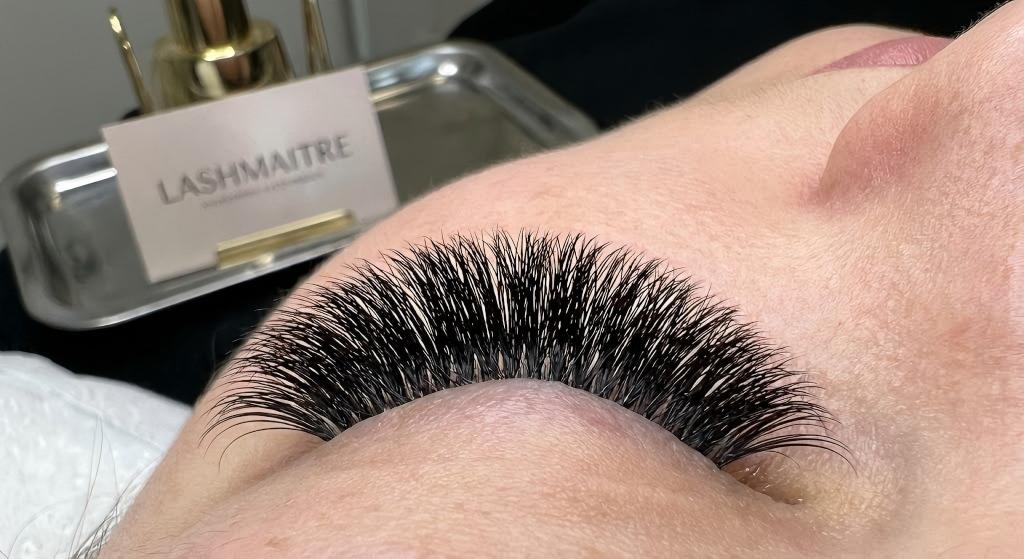
B2B Profit Truth for Salons: Can You Curl Eyelash Extensions?
Article Management: 1. The Ultimate Client Frustration: Can You Curl Eyelash Extensions? In the highly competitive beauty service sector, long-term client retention is the only metric that guarantees a salon’s survival. When a client returns for an infill appointment or calls the receptionist to nervously ask, can you curl eyelash extensions, it is a massive…
-

B2B Profit Strategy: Can You Wash Your Face With Eyelash Extensions?
Article Management: 1. The Ultimate Client Fear: Can You Wash Your Face With Eyelash Extensions? In the professional beauty service sector, educating your clientele is the absolute foundation of long-term client retention. Almost every new client sitting in a salon chair will nervously ask their artist: can you wash your face with eyelash extensions? For…
