Eyelash Extension Allergic Reaction Remedies: The Ultimate Protocol for Salons 2026
Share
Author: LASHMAITRE Safety & Education Team
Topic: Medical Safety & Client Care
Reading Time: 25 Minutes
Introduction
In the intricate world of beauty services, few things induce panic quite like a client waking up with swollen, itchy eyelids. Finding effective eyelash extension allergic reaction remedies is a top priority for responsible salon owners and lash artists. An allergic reaction is not merely an inconvenience; it is an immune system response that can permanently end a client’s relationship with lash extensions if not managed correctly.
For B2B wholesalers and salon owners, understanding the medical science behind these reactions is crucial. It shields your business from liability and positions you as a trusted expert. While true allergies cannot be “cured,” their symptoms can be managed, and their occurrence minimized through superior product sourcing.
This comprehensive guide will detail the professional protocols for eyelash extension allergic reaction remedies, dissect the difference between lash allergy and irritation, and explore hypoallergenic lash glue options from LASHMAITRE that serve as the best preventative medicine.
Diagnosis First: Distinguishing Allergy vs. Irritation
Before dispensing any eyelash extension allergic reaction remedies, you must accurately identify the problem. Treating a chemical burn with allergy medication will not work, and vice versa.
The Biological Distinction
- Irritation: A chemical burn caused by adhesive fumes touching the eyeball. It is localized.
- Allergy: A systemic immune response where the body attacks the allergen (cyanoacrylate). It is cumulative.
Medical Authority: According to the American Academy of Ophthalmology (AAO), contact dermatitis (allergy) typically presents with itching and swelling of the eyelid skin, whereas chemical irritation presents with redness of the cornea and stinging.
Table 1: Symptom Comparison Matrix
Use this table to triage client complaints instantly.
| Feature | Allergic Reaction (Immune) | Chemical Irritation (Burn) |
| Primary Symptom | Unbearable Itching | Burning / Stinging |
| Visible Sign | Puffy / Swollen Eyelids | Red Eyeball (Sclera) |
| Onset Time | 24 – 48 Hours Later | During or Immediately After |
| Duration | 3 – 7 Days | 24 Hours |
| Affected Area | Both Eyes (Usually) | One Eye (Often the open one) |
| Best Remedy | Antihistamines / Removal | Saline Flush / Air |
Immediate Protocol: What to Do When a Client Reacts
If a client contacts you within 24 hours complaining of itching and swelling, you need a standardized SOP (Standard Operating Procedure). These are the professional eyelash extension allergic reaction remedies you can advise.
List 1: The 5-Step Salon Protocol
- Verify Symptoms: Ask for a photo. If the eyeball is red, it’s irritation. If the lid is puffy, it’s an allergy.
- Do NOT Panic: Calm the client. Explain that this is a histamine response, similar to a bee sting or pollen allergy.
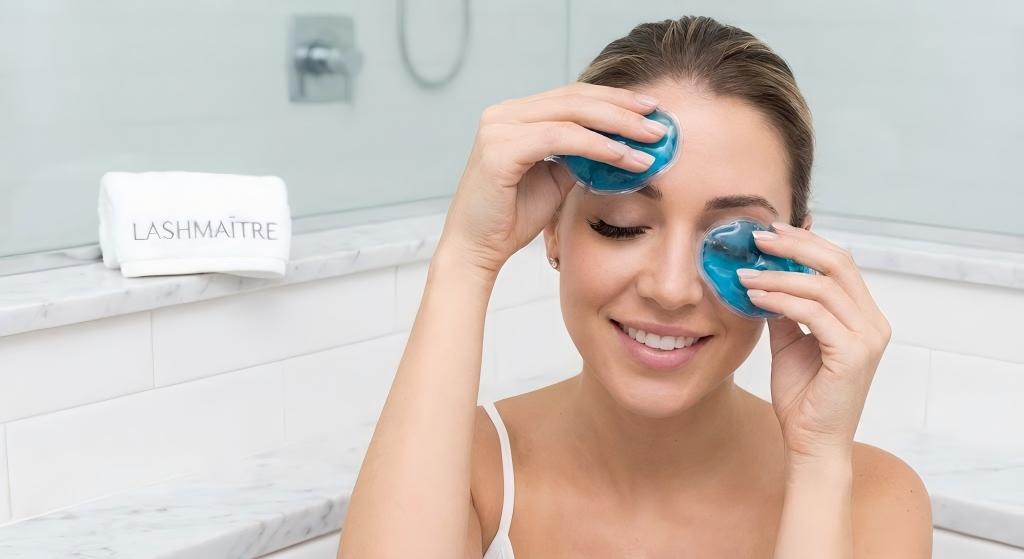
- Cold Compress: Advise the client to apply a cold compress (not ice directly on skin) to reduce inflammation.
- Pharmacy Visit: Recommend they visit a pharmacy for OTC remedies (see next section).
- Monitor: Check in every 12 hours. If swelling impacts vision, refer to Urgent Care immediately.
Home Care Solutions: OTC Remedies for Clients
Disclaimer: We are lash professionals, not doctors. Always advise clients to consult a medical professional.
When clients ask for eyelash extension allergic reaction remedies they can use at home, the goal is to reduce histamine levels and inflammation.
List 2: Over-the-Counter (OTC) Options
- Oral Antihistamines: Products like Benadryl (Diphenhydramine) are standard
antihistamine for eye swelling. They block histamine receptors to stop the itching. - Topical Hydrocortisone Cream: A mild 1% cream can be applied to the upper eyelid skin (avoiding the lash line and eye interior) to reduce itching dermatitis.
- Cool Compresses: Reduces blood flow to the area, shrinking swollen tissues.
- Artificial Tears: Helps flush out any lingering allergens from the eye surface.
Cold Compress Application
To Remove or Not to Remove? The Chemical Dilemma
This is the most controversial topic in eyelash extension allergic reaction remedies.
The Danger of Immediate Removal
If a client has severely swollen eyes, DO NOT perform a chemical removal immediately.
- Why? Removers contain solvents (like propylene carbonate). Applying solvents to inflamed, broken skin causes agonizing pain and can trigger a secondary chemical burn.
- The Protocol: The client must reduce the swelling first (using antihistamines for 24 hours) before a removal is attempted.
- Manual Removal: In extreme cases, a “Banana Peel” manual removal (popping them off with tweezers without chemicals) is safer, though time-consuming.
Citation: Research on Contact Dermatitis Management from the Cleveland Clinic suggests that removing the irritant is key, but avoiding further irritation to compromised skin is equally important.
The Root Cause: Cyanoacrylate Chemistry Explained
To understand cyanoacrylate allergy treatment protocols, you must understand the enemy. 99% of lash allergies are to Cyanoacrylate or Carbon Black.
The Mechanism of Sensitization
Allergies are cumulative. The body’s immune system marks the acrylates as a “foreign invader.” Once the threshold is crossed, the memory T-cells will attack every time the client is exposed.
Table 2: Adhesive Component Allergen Risk
| Ingredient | Allergen Risk Level | Function | Found In |
| Ethyl Cyanoacrylate | High | Strong Bond / Fast Cure | Standard Glues |
| Alkoxy Cyanoacrylate | Low | Flexible Bond / No Fumes | Sensitive Glues |
| Carbon Black | Medium | Black Color Pigment | Black Glues |
| PMMA | Low | Thickener / Stabilizer | All Glues |
| Hydroquinone | High | Stabilizer | Cheap Glues (Avoid) |
Scientific Support: A study in PubMed confirms that Alkoxy-cyanoacrylates release significantly fewer formaldehyde byproducts during polymerization, making them suitable for medical sutures and sensitive eyes.
Prevention as the Ultimate Remedy: Hypoallergenic Options
The best of all eyelash extension allergic reaction remedies is prevention. This is where LASHMAITRE’s B2B solutions shine.
Hypoallergenic Lash Glue Options
For clients who have developed a sensitivity, you must switch products.
- LASHMAITRE Sensitive Bond: Formulated with medical-grade Alkoxy Cyanoacrylate. It cures slower but releases near-zero fumes, staying under the radar of the immune system.
- Clear Adhesive: Removes Carbon Black from the equation, solving roughly 10% of allergy cases.
List 3: The “Sensitive Eye” Application Protocol
- Wash Before: Use Lash Shampoo to remove all environmental allergens.
- Use Sensitive Glue: Switch to Alkoxy-based adhesive.
- Force Cure: Use LASHMAITRE Superbonder immediately. This locks in fumes instantly, preventing them from triggering an immune response later.
- Fan: Use a fan for 5 full minutes post-service.

Managing Puffiness: How to Treat Swollen Eyelids
If the reaction has already happened, your guidance shifts to how to treat puffy eyelids from lash extensions.
List 4: Physical Management Techniques
- Elevate the Head: Advise clients to sleep propped up on two pillows. This drains fluid away from the face/eyes.
- Avoid Heat: No hot showers or saunas. Heat expands blood vessels and worsens swelling.
- Skip Makeup: Do not apply concealer or mascara to the irritated area.
- Cold Spoons: An old-school but effective trick. Place metal spoons in the fridge and gently press on the lids.
Sourcing Strategy: Stocking a Safety Kit for Salons
Every salon must have an “Emergency Kit” and specialized inventory. As a B2B buyer, this is your checklist for preparedness.
Table 3: Salon Safety Inventory Checklist
Ensure your salon is stocked with these essentials.
| Item Category | Product Name | Purpose |
| Prevention | LASHMAITRE Sensitive Bond | For clients with history of sensitivity |
| Prevention | Clear Adhesive | For clients allergic to Carbon Black |
| Curing | Superbonder | To instantly seal fumes (Primary defense) |
| Emergency | Sterile Saline Solution | To flush eyes in case of irritation |
| Emergency | Hydrogel Eye Pads | High quality, lint-free to prevent abrasion |
| Aftercare | Foam Cleanser | To keep the lash line bacteria-free |
Shop our Hypoallergenic & Safety Supplies Collection.
Conclusion: Expertise is the Best Remedy
Dealing with an allergic reaction is stressful, but it is a manageable risk of the beauty business. The most effective eyelash extension allergic reaction remedies are knowledge, calm guidance, and superior product selection.
While you cannot change a client’s immune system, you can control the chemicals you expose them to. By stocking LASHMAITRE’s medical-grade sensitive adhesives and utilizing Superbonder technology, you drastically reduce the statistical probability of a reaction.
Be the salon that prioritizes health. Your clients will trust you for it.
Ready to safeguard your clients?
Switch to the safest adhesives in the industry.
Register for a Wholesale Account & Shop Sensitive Solutions
People Also Ask (FAQ)
Q: What is the fastest home remedy for eyelash extension allergy?
A: The fastest of the eyelash extension allergic reaction remedies at home is taking an oral antihistamine (like Benadryl) to block the immune response and applying a cold compress for 10-15 minutes. This combination helps reduce the itching and brings down the swelling (puffy eyelids) within a few hours.
Q: Will eyelash extension allergy go away?
A: Unfortunately, no. Once you develop a true allergy to cyanoacrylate, it is usually permanent and gets worse with repeated exposure. The only “remedy” is to stop using standard glue. However, some clients can tolerate hypoallergenic lash glue options (Alkoxy-based) if their sensitivity is mild.
Q: Can I remove my lashes if my eyes are swollen?
A: Do not remove immediately using chemical gel/cream removers if the eyelids are raw or severely swollen. The chemical solvent can cause severe burning on inflamed skin. The standard protocol for eyelash extension allergic reaction remedies is to reduce the swelling with antihistamines for 24 hours before attempting a professional removal.
References & Further Reading
- American Academy of Ophthalmology (AAO). Eyelash Extension Safety and Risks.
- National Center for Biotechnology Information (NCBI). Cyanoacrylate allergy: A survival guide for the lash artist.
- Cleveland Clinic. Contact Dermatitis: Management and Treatment.
- Occupational Safety and Health Administration (OSHA). Nail and Beauty Salon Hazards.
📅 Content Administration
- Last Updated: January 15, 2026
- Changelog:
- v1.0: Initial publication. Content focuses on medical diagnosis, OTC remedies, and LASHMAITRE sensitive product integration.
- v1.1: Added “Symptom Comparison Matrix” (Table 1) and “Ingredient Risk” (Table 2).
- Next Review Date: July 15, 2026

Lash Maitre: Your Trusted Partner in Eyelash extension Solutions
Lash Maitre is dedicated to providing professional insights and tips in the eyelash extension industry. Sharing the latest trends, techniques, and product knowledge, Lash Maitre helps lash artists and enthusiasts enhance their skills, stay inspired, and achieve the perfect lash experience.
Latest Post
Contact Us
related Post
-

Whitepaper: Macromolecular Chemistry and Logistics – What Type of Glue is Used for Eyelash Extensions?
Document Control & Status: 1. The B2B Procurement Fallacy in Adhesive Sourcing In the highly specialized ecosystem of professional aesthetics, the foundational pillar of any salon franchise’s operational success is the structural integrity of its adhesive supply chain. Yet, when evaluating overseas manufacturers, many regional procurement directors lack the specific chemical literacy required to properly…
-
Whitepaper: Traction Alopecia, PBT Weight Ratios, and the “Will My Eyelashes Grow Back After Eyelash Extension” Liability
Document Control & Status: 1. Introduction: The Corporate Liability of Follicular Trauma In the highly competitive, premium sector of the global aesthetic market, the most profound threat to a salon franchise’s recurring revenue model is not competitor pricing; it is the physical degradation of the client’s natural biology. Every academy educator, franchise CEO, and regional…
-
Whitepaper: Ocular Toxicology and Liability Management – Mitigating Blepharitis From Eyelash Extensions
Document Control & Status: 1. Introduction: The Corporate Liability of Ocular Complications In the rapidly expanding global aesthetic market, the profitability of a high-end salon franchise is deeply dependent on maximizing the Lifetime Value (LTV) of each client. However, this recurring revenue model is under constant threat from material-induced medical complications. Among the most prevalent…
-

7 Critical Supply Chain Secrets to Dominate the Blue Eyelash Extensions Market: A B2B Procurement Whitepaper
Document Control & Status: 1. Introduction: The High-Margin Potential of Blue Eyelash Extensions In the contemporary landscape of professional cosmetic services, the commoditization of standard black lashes has driven B2B procurement directors and salon franchise owners to desperately seek new avenues for premium upcharging. Offering specialized, avant-garde aesthetic services, such as seamlessly integrated blue eyelash…
-

Academy Profitability: The B2B Supply Chain Guide for a Brisbane Eyelash Extension Short Course
Article Management: 1. The Procurement Reality of a Brisbane Eyelash Extension Short Course In the highly lucrative Australian cosmetic education market, launching a brisbane eyelash extension short course requires more than just an experienced instructor; it requires an absolutely flawless supply chain. Many academy founders falsely believe that student frustration and low graduation rates are…
-
The B2B Science of C Curl Eyelash Extensions: Thermal Memory, Adhesion Physics, and Salon Profitability
Article Management: 1. The Commoditization Trap of C Curl Eyelash Extensions In the professional eyelash industry, the c curl eyelash extensions represent the absolute foundational baseline of any salon’s inventory. Designed to mimic the natural upward sweep of a perfectly applied mechanical eyelash curler, the C curl is universally applicable across almost all client eye…
-
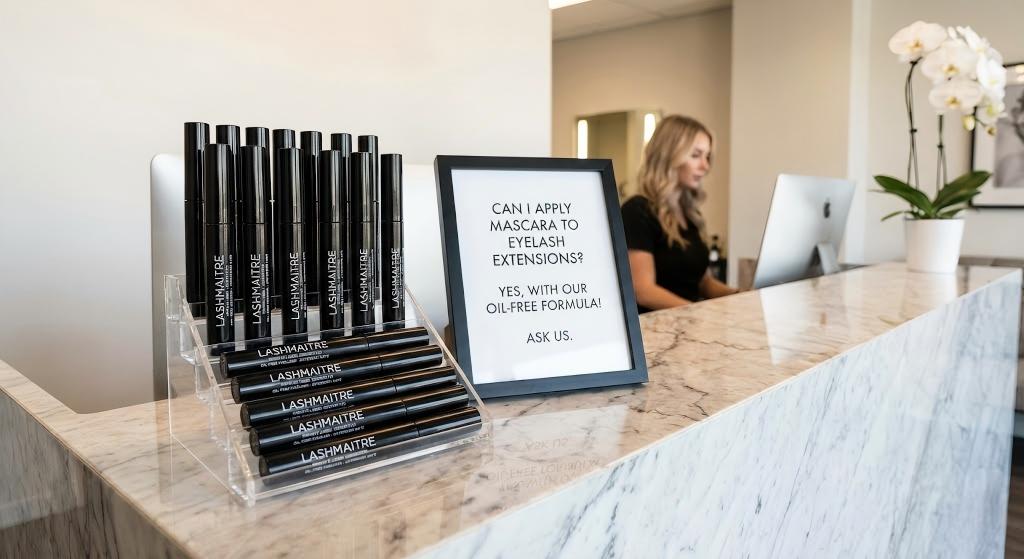
Maximize Salon Revenue: Can I Apply Mascara to Eyelash Extensions? A B2B Retail Guide
Article Management: 1. The Golden Retail Opportunity: Can I Apply Mascara to Eyelash Extensions? In the hyper-competitive beauty industry, the most successful salons do not just sell time and services; they sell comprehensive, high-end cosmetic solutions. Every master educator, salon owner, and working lash artist has encountered the exact same anxious question from a first-time…
-
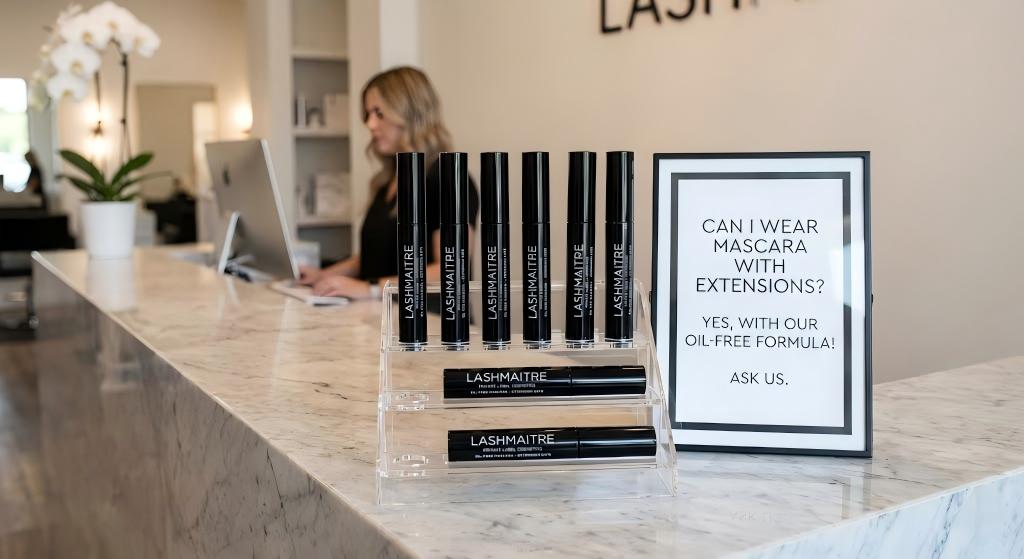
Maximize Salon Revenue: Can I Wear Mascara With Eyelash Extensions? A B2B Retail Guide
Article Management: 1. The Golden Retail Opportunity: Can I Wear Mascara With Eyelash Extensions? In the hyper-competitive beauty industry, the most successful salons do not just sell time and services; they sell comprehensive, high-end cosmetic solutions. Every master educator, salon owner, and working lash artist has encountered the exact same anxious question from a first-time…
-
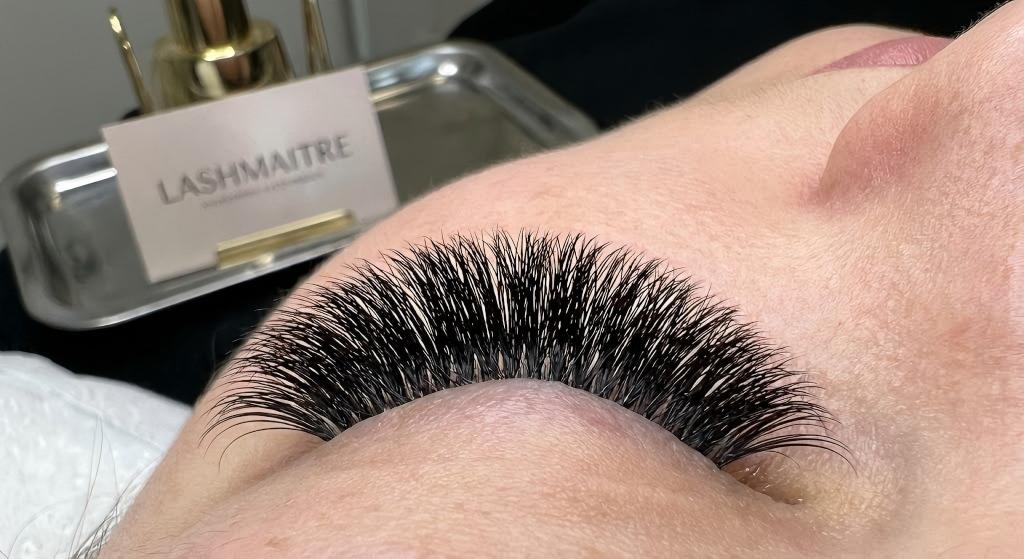
B2B Profit Truth for Salons: Can You Curl Eyelash Extensions?
Article Management: 1. The Ultimate Client Frustration: Can You Curl Eyelash Extensions? In the highly competitive beauty service sector, long-term client retention is the only metric that guarantees a salon’s survival. When a client returns for an infill appointment or calls the receptionist to nervously ask, can you curl eyelash extensions, it is a massive…
-

B2B Profit Strategy: Can You Wash Your Face With Eyelash Extensions?
Article Management: 1. The Ultimate Client Fear: Can You Wash Your Face With Eyelash Extensions? In the professional beauty service sector, educating your clientele is the absolute foundation of long-term client retention. Almost every new client sitting in a salon chair will nervously ask their artist: can you wash your face with eyelash extensions? For…
