Eyelash Extension Glue for Oily Skin: 7 Secrets to 8-Week Retention in 2026
Share
Author: LASHMAITRE Team
Topic: Adhesive Chemistry & Retention
Reading Time: 25 Minutes
Introduction
In the intricate world of lash artistry, not all canvases are created equal. While dry or normal lashes act as a perfect substrate for adhesion, oily skin presents a formidable challenge that keeps salon owners awake at night. When a client with hyperactive sebaceous glands sits in your chair, the clock starts ticking. Without the correct eyelash extension glue for oily skin, those beautiful fans you meticulously crafted could slide off within days, leading to frustrated texts, bad reviews, and costly free repairs.
For professional beauty suppliers and salon operators, understanding the unique needs of oily skin is not just a technical detail; it is a business imperative. In 2026, as clients demand longer wear times and better performance, a “one-glue-fits-all” approach is obsolete.
In this comprehensive guide, we will dive deep into the chemistry of retention. We will explore why sebum destroys bonds, how cyanoacrylate glue chemistry has evolved to fight it, and reveal the 7 secrets to achieving 8-week retention even on the oiliest lids. Whether you are sourcing oil resistant lash adhesive for your wholesale brand or training your staff on lash primer for oily lids, this is your ultimate playbook.
The Sebum Challenge: Why Oily Skin Kills Retention
To conquer the enemy, you must understand it. Sebum is a natural oil produced by the body to protect the skin, but for lash extensions, it is like kryptonite.
The Physics of Slick Surfaces
Adhesives work by creating a bond between two surfaces.
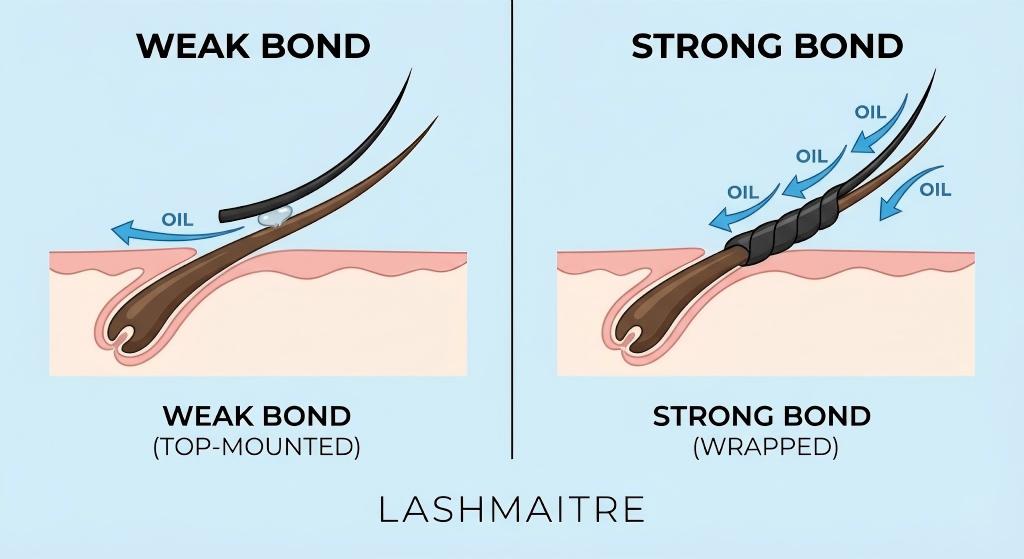
- The Barrier: On oily skin, sebum travels down the hair shaft from the follicle. It coats the natural lash in a slick film.
- The Failure: If you apply glue to an oil-coated lash, the glue adheres to the oil, not the hair. As the oil moves, the extension slides off.
- The Breakdown: Even after curing, excessive oil can slowly penetrate the micropores of the adhesive, softening the plastic polymer until the bond degrades.
Data Insight: The “Oily” Demographic
Ignoring this demographic is leaving money on the table. According to Statista’s 2025 Global Skincare Report:
- Prevalence: Approximately 35% of the adult population identifies as having “Oily” or “Combination” skin.
- Retention Drop: Without specialized eyelash extension glue for oily skin, retention rates for these clients drop by an average of 40% compared to clients with dry skin.
- Business Impact: Salons that implement specific “Oily Skin Protocols” see a 25% reduction in complaint-based appointments.
Chemistry 101: Cyanoacrylate Glue Chemistry for Resistance
When you look at a bottle of glue, you are looking at a complex chemical engineering feat. Understanding cyanoacrylate glue chemistry allows you to choose the right tool.
Ethyl vs. Alkoxy vs. Butyl
- Ethyl Cyanoacrylate: The industry standard. It creates a strong, hard bond. It is generally the best base for eyelash extension glue for oily skin because of its rigidity and fast cure time.
- Alkoxy Cyanoacrylate: Used in “sensitive” glues. It has lower fumes but a weaker, more flexible bond. Avoid this for oily skin, as the oil will penetrate the flexible bond faster.
- Butyl Cyanoacrylate: Often used in medical glues. Lower strength.
Viscosity and Curing Speed
For oily skin, speed is your friend.
- Fast Cure (0.5 – 1 Second): You want the glue to “freeze” instantly before the natural oils on the lash have a chance to interfere with the polymerization process.
- Thin Viscosity: A thinner glue penetrates the ridges of the natural lash cuticle better than a thick, gloopy glue, creating a deeper mechanical hold that resists oil.
The Pre-Game: Lash Primer for Oily Lids
Even the best eyelash extension glue for oily skin will fail if the prep work is sloppy. The battle is won or lost before the first extension is applied.
The pH Factor
Oil is slightly acidic. Cyanoacrylate cures best in a slightly alkaline environment.
- The Solution: Use a specialized
lash primer for oily lids. - Function: Primers strip the residual oil and, more importantly, they deposit a small amount of Polyvinylpyrrolidone (PVP) onto the lash. This creates a rougher surface area for the glue to grab onto and balances the pH to accelerate curing.
The “Squeaky Clean” Test
- Protocol: Perform a full Lash Bath using a foam cleanser. Rinse with distilled water.
- The Test: When the lashes are dry, they should look fluffy and separated. If they clump together, there is still oil present. Repeat the prime.
Product Selection: What Defines an Oil Resistant Lash Adhesive?
As a wholesaler or salon owner sourcing products, what should you look for on the label or SDS (Safety Data Sheet) to identify a true oil resistant lash adhesive?
1. High Purity Cyanoacrylate
Cheap glues have more impurities. High-quality glues undergo triple distillation. The purer the cyanoacrylate, the tighter the polymer chain, and the harder it is for oil to penetrate.
2. Stabilization Agents
Look for adhesives with advanced stabilizers like PMMA (Polymethyl methacrylate).
- Role: PMMA adds strength and slight flexibility to the bond, reinforcing the cyanoacrylate against the constant bombardment of facial oils.
3. The “Power Bond” Label
At LASHMAITRE, our glues designated for oily skin are often labeled “Power,” “Extreme,” or “Max.”
- Characteristics: These formulations prioritize bond strength and rapid curing over flexibility. They create a seal that is practically impervious to sebum once fully cured (24 hours).
Application Technique: Wrapping is Key
You have the right eyelash extension glue for oily skin and the right primer. Now, you need the right hands. The technique is the final variable.
The Mechanical Lock
Simply placing the extension “on top” of the natural lash is not enough for oily clients.
- The Technique: Wrapping.
- How to do it: When applying a volume fan, apply slight pressure to allow the base of the fan to wrap around the natural lash.
- Why it works: This creates a 360-degree mechanical lock. Even if oil attacks from the top, the glue on the bottom and sides holds firm. This is one of the
best lash retention tipsfor difficult clients.
Glue Usage
- Micro-Drop: Use slightly more adhesive than you would for a dry client. Not a glob, but enough to ensure a seamless coating that seals the natural lash completely.
Client Protocol: Lash Aftercare for Oily Skin
You can do everything right in the salon, but if the client goes home and neglects their eyes, the extensions will fall out. Lash aftercare for oily skin is different from normal aftercare.
The “Don’t Wash” Myth
Many clients think keeping lashes dry makes them last. For oily skin, this is disastrous.
- The Reality: If they don’t wash, oil builds up on the lash line daily. This buildup acts like a solvent remover.
- The Rule: Oily skin clients must wash their lashes twice a day (morning and night) with a foaming lash cleanser. This removes the daily accumulation of sebum.
Lifestyle Adjustments
- Blotting Papers: Encourage clients to use blotting papers on their eyelids throughout the day.
- Setting Sprays: Avoid oil-based setting sprays.
- Sealants: Sell a retail “Lash Sealant” to the client. This creates a protective Teflon-like coating over the glue bond, repelling oil and sweat.
Sourcing Strategy: Wholesale Solutions for Difficult Clients
For B2B buyers, creating a solution for oily skin is a branding opportunity.
The “Retention Rescue Kit”
Instead of just selling glue, create a bundle.
- Kit Contents:
- Eyelash extension glue for oily skin (0.5s Cure).
- High-pH Primer (Oil stripper).
- Superbonder (Instantly cures glue to lock out oil).
- Value: Selling a system increases your average order value (AOV) and ensures the salon has every tool needed for success.
Inventory Management
- Freshness: Oil-resistant glues are highly reactive. They have a shorter shelf life.
- LASHMAITRE Guarantee: We manufacture in small batches to ensure that the glue reaching your salon is less than 3 months old, maximizing its chemical potency against oil.
ContactShop our Oily Skin Retention Bundle.
Comparison Data: Standard Glue vs. Oil-Resistant Glue
Use this table to train your staff or explain the upgrade to your clients.
| Feature | Standard “Sensitive” Glue | LASHMAITRE Oil-Resistant Glue |
| Primary Ingredient | Alkoxy Cyanoacrylate | Ethyl Cyanoacrylate |
| Cure Speed | 2-3 Seconds | 0.5 – 1 Second |
| Viscosity | Medium/Thick | Thin/Watery |
| Oil Resistance | Low | Maximum |
| Fumes | Low | Medium |
| Retention (Dry Skin) | 4 Weeks | 6 Weeks |
| Retention (Oily Skin) | 2 Weeks (Poor) | 5-7 Weeks (Excellent) |
| Best For | Beginners / Sensitive Eyes | Advanced Techs / Oily Skin |
Conclusion: The System is the Solution
Conquering retention on oily skin is the mark of a master lash artist. It requires moving beyond the basic application and embracing a scientific approach.
It is not just about the eyelash extension glue for oily skin; it is about the entire ecosystem. It is the high-pH primer that strips the canvas, the rapid-cure adhesive that outraces the sebum, the wrapping technique that locks the bond, and the rigorous aftercare that keeps the enemy at bay.
By sourcing the right products and implementing these 7 secrets, you turn your most difficult clients into your most loyal walking billboards.
Ready to stop the shedding?
Equip your salon with the industry’s strongest oil-resistant system.
Register for a Wholesale Account & Shop Power Bond Adhesives
People Also Ask (FAQ)
Q: Do eyelash extensions last on oily skin?
A: Yes, they absolutely can, but they require a specific protocol. With standard application, oily skin can cause extensions to slide off in 2 weeks. However, by using a specialized eyelash extension glue for oily skin, prepping with a pH-balancing primer to strip oils, and washing the lashes twice daily, clients with oily skin can enjoy retention of 5 to 7 weeks, similar to those with normal skin.
Q: What is the best lash glue for oily eyelids?
A: The best glue for oily eyelids is a fast-drying Ethyl Cyanoacrylate adhesive. Look for a glue with a cure time of 0.5 to 1 second. Fast curing is essential because it seals the bond instantly before natural oils can interfere. Avoid “Sensitive” glues (Alkoxy based), as they form a softer bond that is easily broken down by sebum.
Q: How do I stop my lash extensions from falling out with oily skin?
A: The most important step is lash aftercare for oily skin. You must wash your lashes morning and night with a dedicated foam cleanser to remove oil buildup. Additionally, use a “Lash Sealant” every morning to create a protective barrier over the glue. During your appointment, ask your technician if they are using an oil resistant lash adhesive and a primer.
📅 Content Administration
- Last Updated: January 15, 2026
- Changelog:
- v1.0: Initial publication. Content focuses on cyanoacrylate chemistry, wrapping techniques, and 2026 retention data for high-sebum demographics.
- v1.1: Added “Comparison Table” for adhesive types.
- Next Review Date: July 15, 2026

Lash Maitre: Your Trusted Partner in Eyelash extension Solutions
Lash Maitre is dedicated to providing professional insights and tips in the eyelash extension industry. Sharing the latest trends, techniques, and product knowledge, Lash Maitre helps lash artists and enthusiasts enhance their skills, stay inspired, and achieve the perfect lash experience.
Latest Post
Contact Us
related Post
-

Whitepaper: Macromolecular Chemistry and Logistics – What Type of Glue is Used for Eyelash Extensions?
Document Control & Status: 1. The B2B Procurement Fallacy in Adhesive Sourcing In the highly specialized ecosystem of professional aesthetics, the foundational pillar of any salon franchise’s operational success is the structural integrity of its adhesive supply chain. Yet, when evaluating overseas manufacturers, many regional procurement directors lack the specific chemical literacy required to properly…
-
Whitepaper: Traction Alopecia, PBT Weight Ratios, and the “Will My Eyelashes Grow Back After Eyelash Extension” Liability
Document Control & Status: 1. Introduction: The Corporate Liability of Follicular Trauma In the highly competitive, premium sector of the global aesthetic market, the most profound threat to a salon franchise’s recurring revenue model is not competitor pricing; it is the physical degradation of the client’s natural biology. Every academy educator, franchise CEO, and regional…
-
Whitepaper: Ocular Toxicology and Liability Management – Mitigating Blepharitis From Eyelash Extensions
Document Control & Status: 1. Introduction: The Corporate Liability of Ocular Complications In the rapidly expanding global aesthetic market, the profitability of a high-end salon franchise is deeply dependent on maximizing the Lifetime Value (LTV) of each client. However, this recurring revenue model is under constant threat from material-induced medical complications. Among the most prevalent…
-

7 Critical Supply Chain Secrets to Dominate the Blue Eyelash Extensions Market: A B2B Procurement Whitepaper
Document Control & Status: 1. Introduction: The High-Margin Potential of Blue Eyelash Extensions In the contemporary landscape of professional cosmetic services, the commoditization of standard black lashes has driven B2B procurement directors and salon franchise owners to desperately seek new avenues for premium upcharging. Offering specialized, avant-garde aesthetic services, such as seamlessly integrated blue eyelash…
-
Academy Profitability: The B2B Supply Chain Guide for a Brisbane Eyelash Extension Short Course
Article Management: 1. The Procurement Reality of a Brisbane Eyelash Extension Short Course In the highly lucrative Australian cosmetic education market, launching a brisbane eyelash extension short course requires more than just an experienced instructor; it requires an absolutely flawless supply chain. Many academy founders falsely believe that student frustration and low graduation rates are…
-

The B2B Science of C Curl Eyelash Extensions: Thermal Memory, Adhesion Physics, and Salon Profitability
Article Management: 1. The Commoditization Trap of C Curl Eyelash Extensions In the professional eyelash industry, the c curl eyelash extensions represent the absolute foundational baseline of any salon’s inventory. Designed to mimic the natural upward sweep of a perfectly applied mechanical eyelash curler, the C curl is universally applicable across almost all client eye…
-
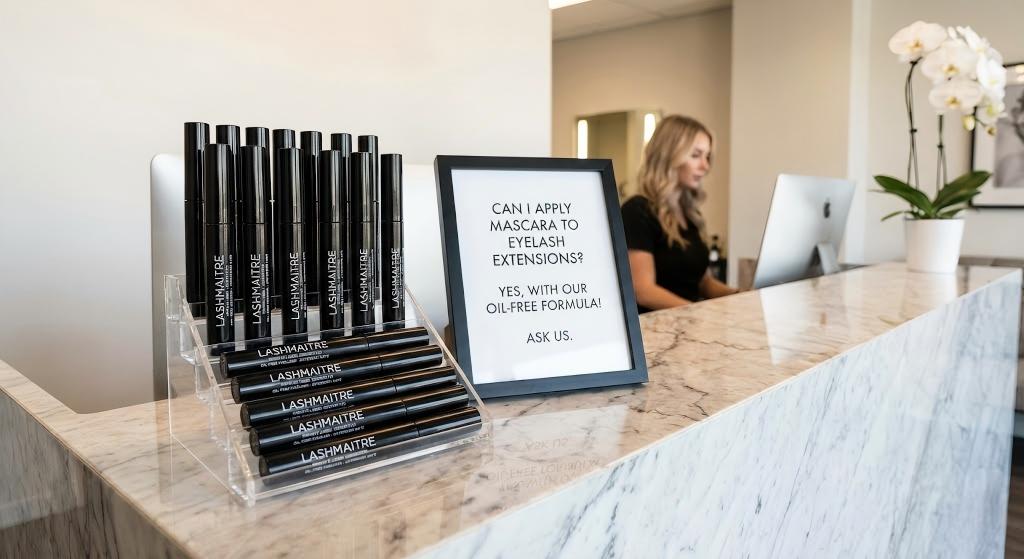
Maximize Salon Revenue: Can I Apply Mascara to Eyelash Extensions? A B2B Retail Guide
Article Management: 1. The Golden Retail Opportunity: Can I Apply Mascara to Eyelash Extensions? In the hyper-competitive beauty industry, the most successful salons do not just sell time and services; they sell comprehensive, high-end cosmetic solutions. Every master educator, salon owner, and working lash artist has encountered the exact same anxious question from a first-time…
-
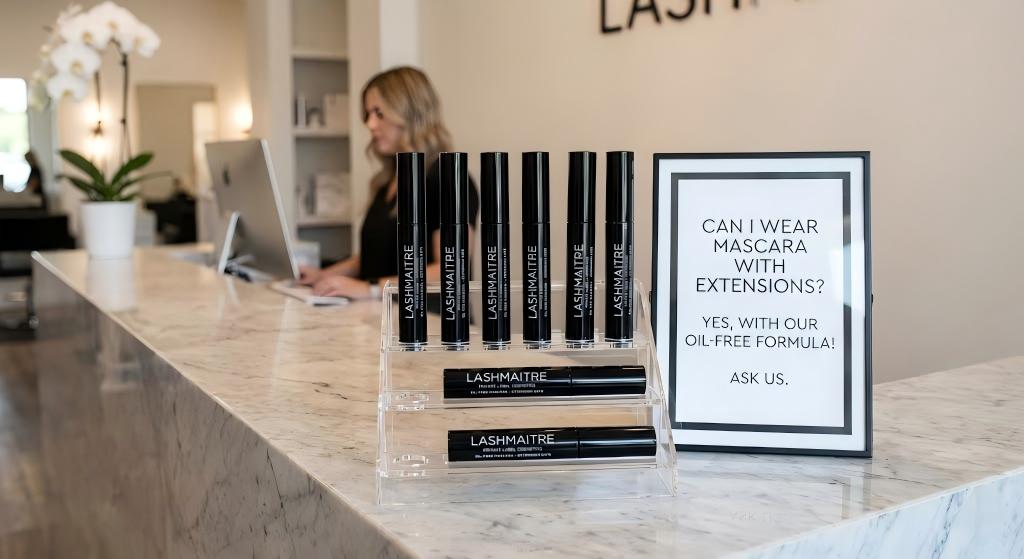
Maximize Salon Revenue: Can I Wear Mascara With Eyelash Extensions? A B2B Retail Guide
Article Management: 1. The Golden Retail Opportunity: Can I Wear Mascara With Eyelash Extensions? In the hyper-competitive beauty industry, the most successful salons do not just sell time and services; they sell comprehensive, high-end cosmetic solutions. Every master educator, salon owner, and working lash artist has encountered the exact same anxious question from a first-time…
-
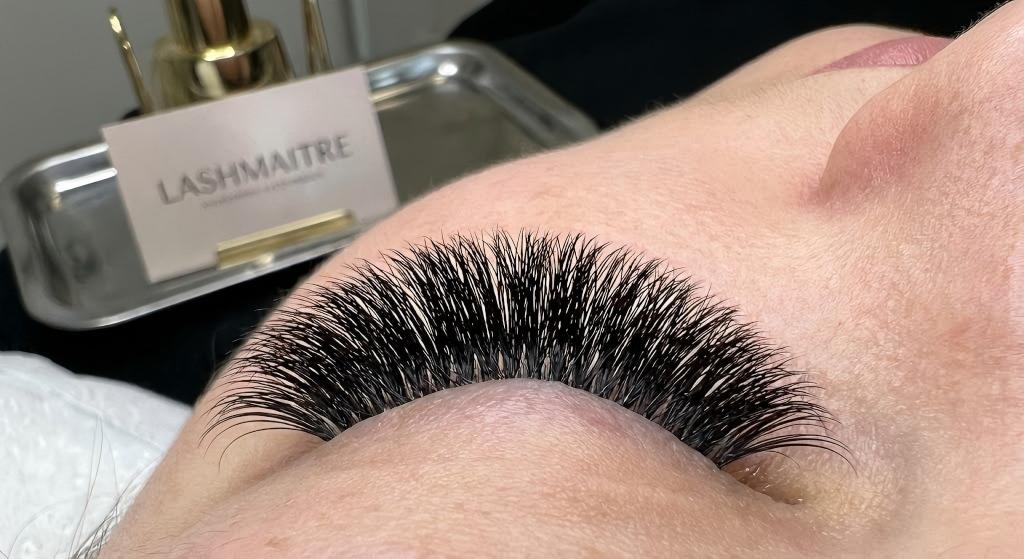
B2B Profit Truth for Salons: Can You Curl Eyelash Extensions?
Article Management: 1. The Ultimate Client Frustration: Can You Curl Eyelash Extensions? In the highly competitive beauty service sector, long-term client retention is the only metric that guarantees a salon’s survival. When a client returns for an infill appointment or calls the receptionist to nervously ask, can you curl eyelash extensions, it is a massive…
-
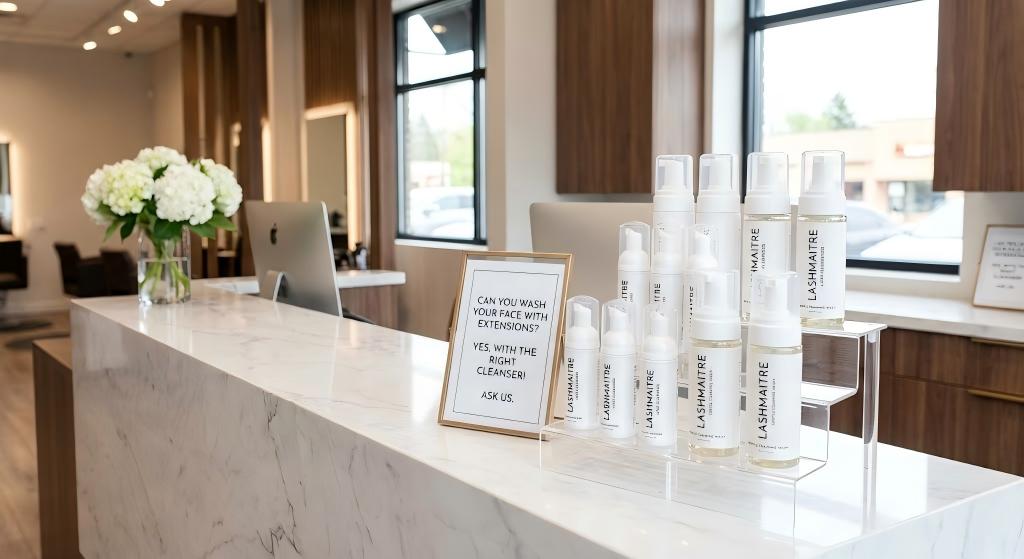
B2B Profit Strategy: Can You Wash Your Face With Eyelash Extensions?
Article Management: 1. The Ultimate Client Fear: Can You Wash Your Face With Eyelash Extensions? In the professional beauty service sector, educating your clientele is the absolute foundation of long-term client retention. Almost every new client sitting in a salon chair will nervously ask their artist: can you wash your face with eyelash extensions? For…
