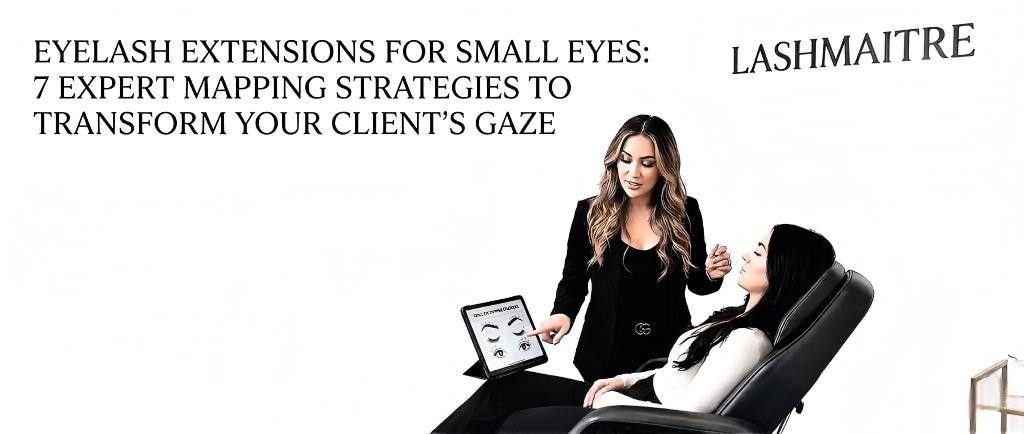
Eyelash Extensions for Small Eyes: 7 Expert Mapping Strategies to Transform Your Client’s Gaze
Share
Author: LASHMAITRE Team
Topic: Advanced Technical Guide & Corrective Styling
Reading Time: 22 Minutes
Introduction
In the intricate world of lash artistry, one of the most technically demanding requests a stylist can receive is to make small eyes look bigger. When a client books an appointment asking for eyelash extensions for small eyes, they are not just looking for length; they are looking for a transformation. They want an “eye-opening” effect that mimics the results of a blepharoplasty or a brow lift, but without the surgery.
However, for many salons, this request is a stumbling block. A common mistake is applying long, heavy, standard curls that inevitably weigh down the eyelid, creating a “curtain effect” that makes the eyes appear even smaller and sleepier. This failure not only disappoints the client but also damages the salon’s reputation as a corrective specialist.
Mastering the art of eyelash extensions for small eyes requires a departure from the “one-size-fits-all” approach. It demands a deep understanding of ocular anatomy, a strategic use of specialized curls like L and M, and the discipline to use shorter lengths. In this comprehensive guide, we will explore the seven expert strategies that will turn your salon into the go-to destination for corrective styling, backed by professional insights and LASHMAITRE’s premium supply solutions.
The Market Opportunity: Why Specializing in Corrective Lashing Pays Off
Before diving into the technique, it is vital to understand the business case for mastering this niche. “Small eyes” is not a small market. It encompasses a vast demographic, including clients with monolids, hooded eyes, deep-set eyes, and mature clients experiencing age-related ptosis (drooping eyelids).
The Demand for “Awake” Eyes
Clients are increasingly seeking non-invasive beauty solutions.
- The Problem: Mascara often smudges on small or hooded eyes, and strip lashes can feel heavy and overwhelming.
- The Solution: Precision-applied extensions are the only semi-permanent solution that can visually restructure the eye shape.
Data Insight: The Corrective Beauty Economy
Investing in training your staff on specific techniques for eyelash extensions for small eyes yields tangible returns. According to 2025 beauty industry market research:
- Niche Growth: The market for “corrective” cosmetic services (procedures designed to fix a specific feature) is growing 2x faster than general cosmetic services.
- Client Retention: Salons that offer specialized styling for difficult eye shapes report a 92% retention rate for those clients, compared to the industry average of 65%. Once a client with small eyes finds an artist who doesn’t weigh their lids down, they never leave.
- Premium Pricing: Specialized “Eye Opening” sets typically command a 20-30% price premium over standard full sets due to the advanced mapping expertise required.
Anatomy 101: Understanding the Types of Small Eyes
You cannot fix what you do not understand. When discussing eyelash extensions for small eyes, we are usually dealing with three distinct anatomical structures. Each requires a different approach.
1. The Monolid
Common in Asian demographics, the monolid lacks a visible crease. The eyelid skin covers the base of the lash line.
- The Challenge: The lashes often point straight down or inwards. If you use a standard curl, the eyelid skin will push the extension down into the eye, causing irritation and reducing visibility.
2. The Hooded Eye
Common in mature clients or genetic structures where a heavy brow bone folds over the crease.
- The Challenge: The “hood” eats up the length of the lash. A 10mm lash might look like a 6mm lash because 4mm of it is hidden under the hood.
3. The Deep-Set Eye
The eye sits further back in the skull, creating a prominent brow bone shadow.
- The Challenge: The brow bone acts as a ceiling. If the lashes are too curled (like a D-curl) or too long, they will hit the brow bone, causing the extensions to twist and turn.
The “Open Eye” Theory: Lash Mapping for Small Eyes
The core of your strategy lies in the map. The goal for eyelash extensions for small eyes is always vertical lift, not horizontal elongation.
The “Doll Eye” Map
This is the gold standard for opening up small eyes.
- The Concept: Place the longest lengths in the center of the eye (above the iris and pupil) and taper down significantly at the inner and outer corners.
- The Effect: This creates a vertical illusion, making the eye look rounder and taller.
- Mapping Example: Inner (7-8mm) -> Center (10-11mm) -> Outer (7-8mm). Note the short outer corners; this is crucial to prevent dragging the eye down.
The “Reverse Cat Eye” (The Squirrel)
For clients who want a lift but find the Doll Eye too “cute,” the Reverse Cat Eye is superior.
- The Concept: The peak length is placed at the arch of the eyebrow (outer-middle), and then the length drops dramatically at the very outer tail.
- Why it works: It lifts the eye at the highest point of the brow bone but keeps the outer corner light, preventing the heaviness associated with traditional cat eyes.
Proper lash mapping for small eyes is about creating optical illusions. By keeping the corners short, you expose more of the sclera (white of the eye), which subconsciously registers as a “larger” eye to the observer.
Curl Science: Best Lash Curl to Open Up Eyes
If mapping is the blueprint, the curl is the structural material. Using the wrong curl is the number one reason why sets for eyelash extensions for small eyes fail.
Why C and D Curls Often Fail
- C-Curl: often too natural. On a small or hooded eye, a C-curl can look almost straight once the eyelid weight presses on it.
- D-Curl: Often too curved. On deep-set eyes, a D-curl creates a semi-circle that hits the eyelid/brow bone, causing the tips to touch the skin.
The Solution: L and M Curls
These are the secret weapons for small eyes.
- L-Curl: Features a straight base followed by a sharp vertical lift.
- Benefit: The straight base allows for a seamless attachment to straight-pointing natural lashes (common in monolids). The sharp lift extends past the heavy eyelid skin before curling up, ensuring the effect is visible.
- M-Curl: Similar to the L-curl but with a smoother transition.
- Benefit: It provides the lift of a D-curl but with the base clearance of an L-curl. This is arguably the best lash curl to open up eyes that are hooded or deep-set because it maximizes vertical impact without hitting the brow bone.
Shop our Specialty L & M Curl Collection.
The Danger Zone: Doll Eye vs Cat Eye for Small Eyes
A critical mistake many stylists make is defaulting to the “Cat Eye” style because it is trendy. However, when debating doll eye vs cat eye for small eyes, the Cat Eye is almost always the villain.
The Physics of the Cat Eye
A Cat Eye places the longest, heaviest lashes at the extreme outer corner.
- The Drag Effect: On a small eye, the outer corner is often the weakest point. Placing heavy 12mm or 13mm lashes there creates a shadow and physically weighs down the outer lid.
- The Result: Instead of an almond shape, you get a “droopy” shape. The eye looks wider horizontally but narrower vertically—effectively looking smaller and more tired.
When to Use Cat Eye (The Exception)
The only time a Cat Eye works for a small eye is if it is a “Mini Cat Eye” or “Kitten Eye,” where the longest length does not exceed 10mm, and the curl is very strong (like an L-curl) to ensure lift. However, for 90% of clients requesting eyelash extensions for small eyes, the Doll or Squirrel map is safer and more effective.
Inventory Essentials: Wholesale Short Length Lash Trays
To execute these maps, your salon inventory needs a specific overhaul. You cannot service small eyes with standard 10mm-15mm mix trays.
The Power of Short Lashes
Small eyes have less surface area. A 12mm lash on a large eye looks natural; on a small eye, it looks like a spider leg.
- The Requirement: You need 5mm, 6mm, 7mm, and 8mm lashes.
- Inner Corners: For small eyes, the inner corners are tight. You must use 5mm or 6mm lashes here to avoid the client feeling like they are cross-eyed.
- Bottom Lashes: Adding bottom lashes (6mm) can significantly open up the eye vertically, balancing the top extensions.
Sourcing Strategy
Most standard suppliers neglect the short lengths.
- B2B Solution: When sourcing wholesale short length lash trays, look for brands like LASHMAITRE that offer single-length trays in 6mm and 7mm, or mix trays that start at 5mm. Having these in stock separates you from competitors who are forced to cut longer lashes (which blunts the tip and looks awful) or use lashes that are too long.
Explore our Short Length & Lower Lash Trays.
Application Rules: Corrective Lashing Techniques
Having the right map and the right product is useless if the application technique is flawed. Corrective lashing techniques are about precision placement.
Distance Control
- Standard Rule: 0.5mm from the skin.
- Small Eye Rule: You must be incredibly precise. If you get too close (0.2mm), the lash will tickle the eyelid when the client blinks, causing swelling. If you are too far (1mm), the lash will droop immediately due to lack of support.
- Consistency: On a small eye, any inconsistency in distance is magnified.
Directional Placement
- The Fan: Instead of placing lashes straight out, slightly fan them.
- Outer Corners: Place extensions slightly angled towards the ear to widen the eye width without weight.
- Center: Place extensions perfectly vertical (90 degrees) to maximize the “Open Eye” height.
Weight Management
- Diameter Matters: Small eyes often have finer natural lashes. Avoid 0.20 or heavy 0.15 classic lashes.
- Volume Strategy: Use 0.05 or 0.03 volume fans (3D-5D). These create a fluffy, airy look that defines the eye without creating a dense black curtain that closes it off.
Pricing Your Expertise: The Business of Correction
You are not just applying lashes; you are performing a non-surgical aesthetic correction. Your pricing for eyelash extensions for small eyes should reflect this advanced skill set.
The “Specialist” Tier
Consider adding a “Corrective Styling” tier to your menu.
- Standard Set: $150
- Corrective/Advanced Styling: $180+ (Includes L/M curl customization and complex mapping).
Data Insight: Profitability
By marketing yourself as a specialist in difficult eye shapes:
- Referrals: Clients with small eyes often have friends with similar features. They talk. A successful set on a monolid client often leads to 3-5 referrals within the same community.
- Retail: Clients with small eyes are ideal candidates for lash serums (to strengthen fine lashes) and specific cleansers.
- Efficiency: Once you master the short-lash application, these sets use less product (shorter lashes cost the same but cover better with volume) and can be done efficiently, boosting your hourly revenue.
Conclusion: The “Wow” Factor
The true test of a lash artist’s skill is not how long they can go, but how well they can enhance the natural beauty of the client. When a client with small eyes opens them after a service and sees a bright, wide-awake reflection, you have gained a client for life.
Mastering eyelash extensions for small eyes requires a commitment to education, a willingness to invest in specialized inventory like L-curls and short trays, and an artistic eye for mapping. It is a niche that is underserved and highly profitable.
LASHMAITRE is dedicated to providing the professional tools you need to perform these transformations. From our precision-engineered M-curls to our ultra-lightweight volume fibers, we support the artistry that defines high-end salons.
Ready to open your clients’ eyes to new possibilities?
Upgrade your inventory with the specialty curls and lengths designed for corrective styling.
Register for a Wholesale Account & Shop L-Curl Trays Today
People Also Ask (FAQ)
Q: Can eyelash extensions make small eyes look bigger?
A: Yes, absolutely. When applied correctly using specific eyelash extensions for small eyes techniques, they can visually open the eye. The key is to use a “Doll Eye” or “Open Eye” map which places length in the center, and to use strong curls like L or M curls that lift the lash line upwards rather than weighing it down.
Q: What is the best lash style for small eyes?
A: The best style is typically a Doll Eye (Natural Sweep) or a Squirrel (Reverse Cat Eye) map. These styles focus on vertical lift. We strongly advise against heavy “Cat Eye” styles for small eyes, as the long lashes on the outer corners can drag the eye down, making it appear smaller and sleepier.
Q: Are L-curl lashes good for small eyes?
A: Yes, L-curl and M-curl lashes are excellent for small, hooded, or monolid eyes. Their unique shape features a straight base that extends past the eyelid skin before curving up. This ensures the curl isn’t hidden by the eyelid hood and prevents the lashes from poking the skin, providing a dramatic, eye-opening effect that standard C-curls cannot achieve.
American Academy of Ophthalmology: Eyelid Anatomy

Lash Maitre: Your Trusted Partner in Eyelash extension Solutions
Lash Maitre is dedicated to providing professional insights and tips in the eyelash extension industry. Sharing the latest trends, techniques, and product knowledge, Lash Maitre helps lash artists and enthusiasts enhance their skills, stay inspired, and achieve the perfect lash experience.
Latest Post
Contact Us
related Post
-
Whitepaper: Macromolecular Chemistry and Logistics – What Type of Glue is Used for Eyelash Extensions?
Document Control & Status: 1. The B2B Procurement Fallacy in Adhesive Sourcing In the highly specialized ecosystem of professional aesthetics, the foundational pillar of any salon franchise’s operational success is the structural integrity of its adhesive supply chain. Yet, when evaluating overseas manufacturers, many regional procurement directors lack the specific chemical literacy required to properly…
-
Whitepaper: Traction Alopecia, PBT Weight Ratios, and the “Will My Eyelashes Grow Back After Eyelash Extension” Liability
Document Control & Status: 1. Introduction: The Corporate Liability of Follicular Trauma In the highly competitive, premium sector of the global aesthetic market, the most profound threat to a salon franchise’s recurring revenue model is not competitor pricing; it is the physical degradation of the client’s natural biology. Every academy educator, franchise CEO, and regional…
-
Whitepaper: Ocular Toxicology and Liability Management – Mitigating Blepharitis From Eyelash Extensions
Document Control & Status: 1. Introduction: The Corporate Liability of Ocular Complications In the rapidly expanding global aesthetic market, the profitability of a high-end salon franchise is deeply dependent on maximizing the Lifetime Value (LTV) of each client. However, this recurring revenue model is under constant threat from material-induced medical complications. Among the most prevalent…
-

7 Critical Supply Chain Secrets to Dominate the Blue Eyelash Extensions Market: A B2B Procurement Whitepaper
Document Control & Status: 1. Introduction: The High-Margin Potential of Blue Eyelash Extensions In the contemporary landscape of professional cosmetic services, the commoditization of standard black lashes has driven B2B procurement directors and salon franchise owners to desperately seek new avenues for premium upcharging. Offering specialized, avant-garde aesthetic services, such as seamlessly integrated blue eyelash…
-
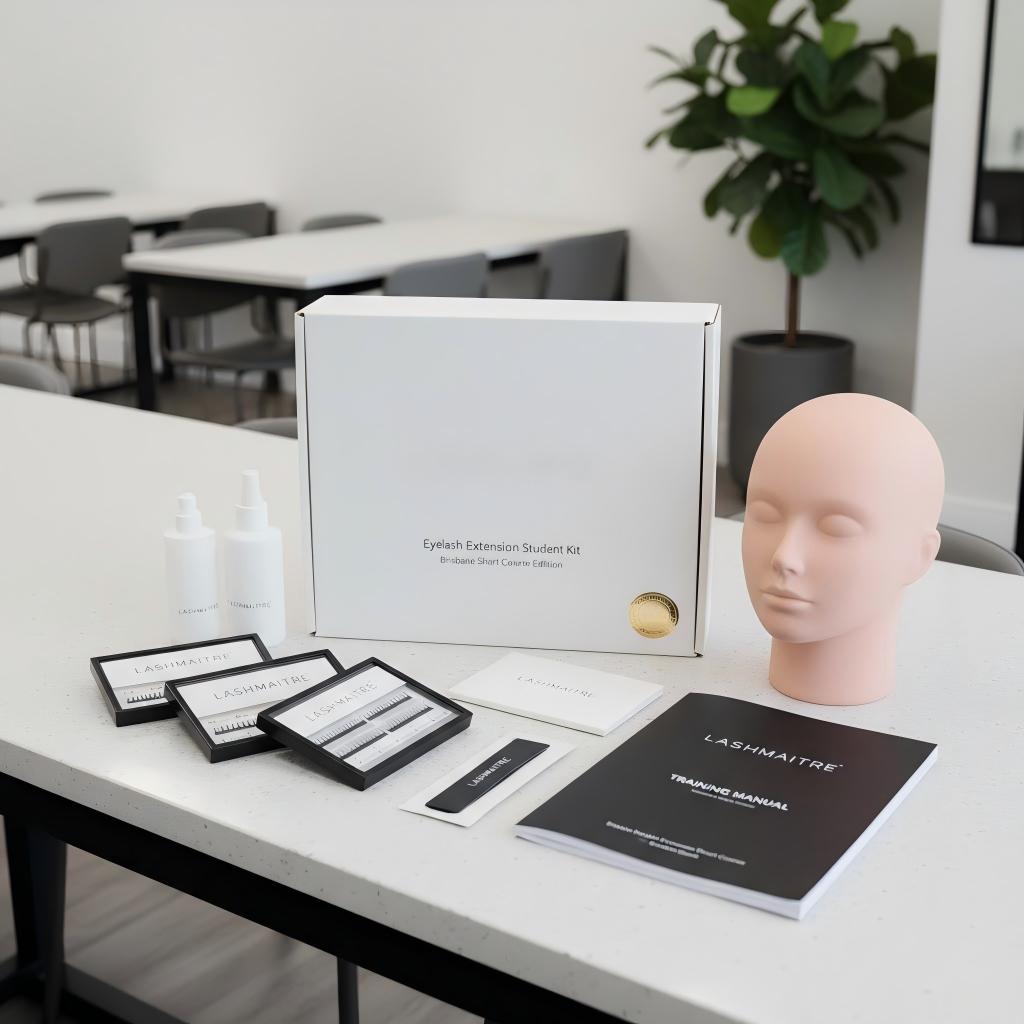
Academy Profitability: The B2B Supply Chain Guide for a Brisbane Eyelash Extension Short Course
Article Management: 1. The Procurement Reality of a Brisbane Eyelash Extension Short Course In the highly lucrative Australian cosmetic education market, launching a brisbane eyelash extension short course requires more than just an experienced instructor; it requires an absolutely flawless supply chain. Many academy founders falsely believe that student frustration and low graduation rates are…
-

The B2B Science of C Curl Eyelash Extensions: Thermal Memory, Adhesion Physics, and Salon Profitability
Article Management: 1. The Commoditization Trap of C Curl Eyelash Extensions In the professional eyelash industry, the c curl eyelash extensions represent the absolute foundational baseline of any salon’s inventory. Designed to mimic the natural upward sweep of a perfectly applied mechanical eyelash curler, the C curl is universally applicable across almost all client eye…
-
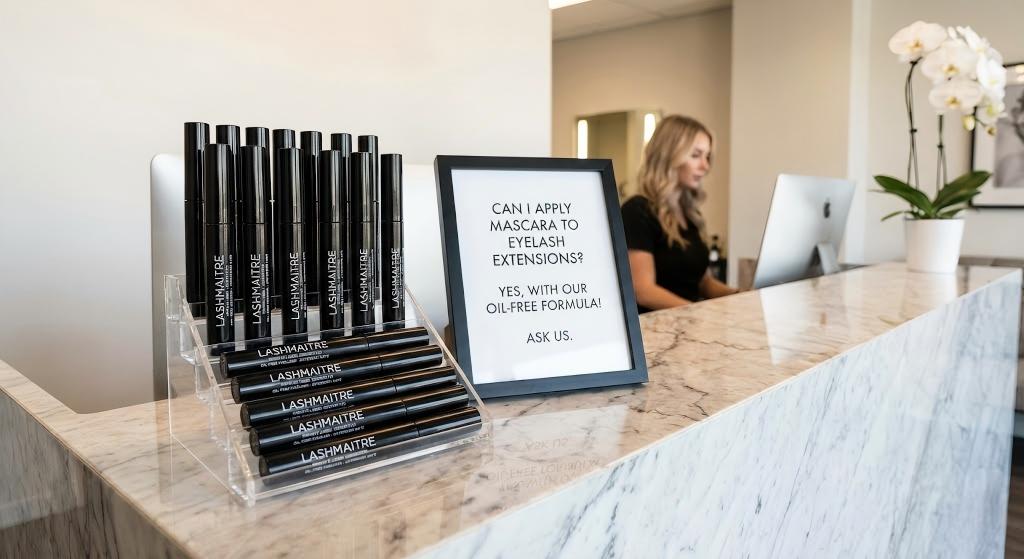
Maximize Salon Revenue: Can I Apply Mascara to Eyelash Extensions? A B2B Retail Guide
Article Management: 1. The Golden Retail Opportunity: Can I Apply Mascara to Eyelash Extensions? In the hyper-competitive beauty industry, the most successful salons do not just sell time and services; they sell comprehensive, high-end cosmetic solutions. Every master educator, salon owner, and working lash artist has encountered the exact same anxious question from a first-time…
-
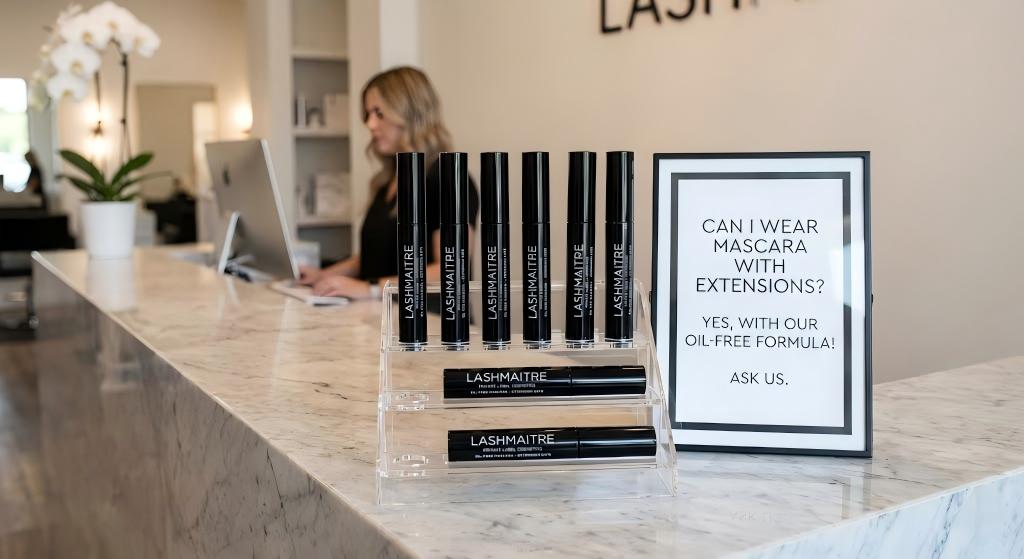
Maximize Salon Revenue: Can I Wear Mascara With Eyelash Extensions? A B2B Retail Guide
Article Management: 1. The Golden Retail Opportunity: Can I Wear Mascara With Eyelash Extensions? In the hyper-competitive beauty industry, the most successful salons do not just sell time and services; they sell comprehensive, high-end cosmetic solutions. Every master educator, salon owner, and working lash artist has encountered the exact same anxious question from a first-time…
-
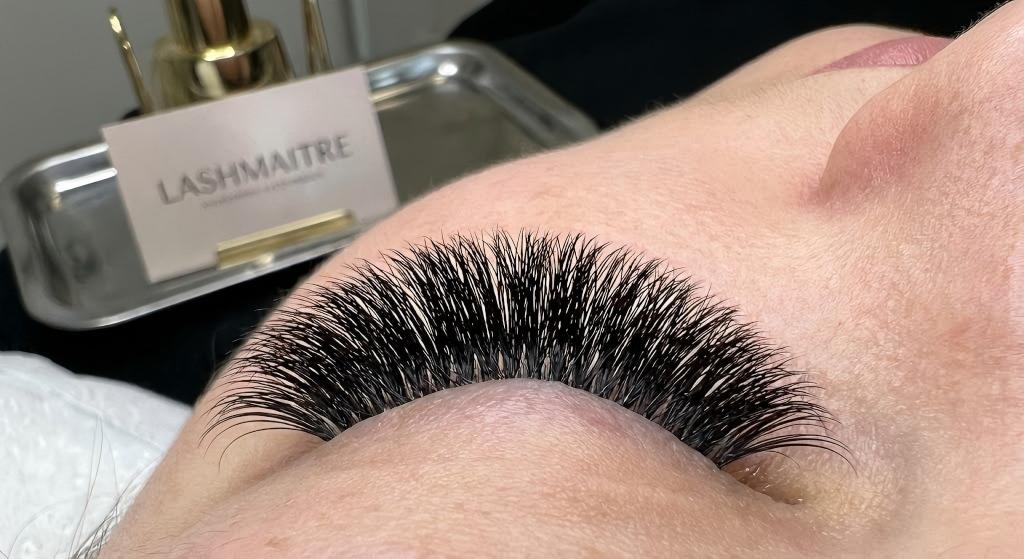
B2B Profit Truth for Salons: Can You Curl Eyelash Extensions?
Article Management: 1. The Ultimate Client Frustration: Can You Curl Eyelash Extensions? In the highly competitive beauty service sector, long-term client retention is the only metric that guarantees a salon’s survival. When a client returns for an infill appointment or calls the receptionist to nervously ask, can you curl eyelash extensions, it is a massive…
-
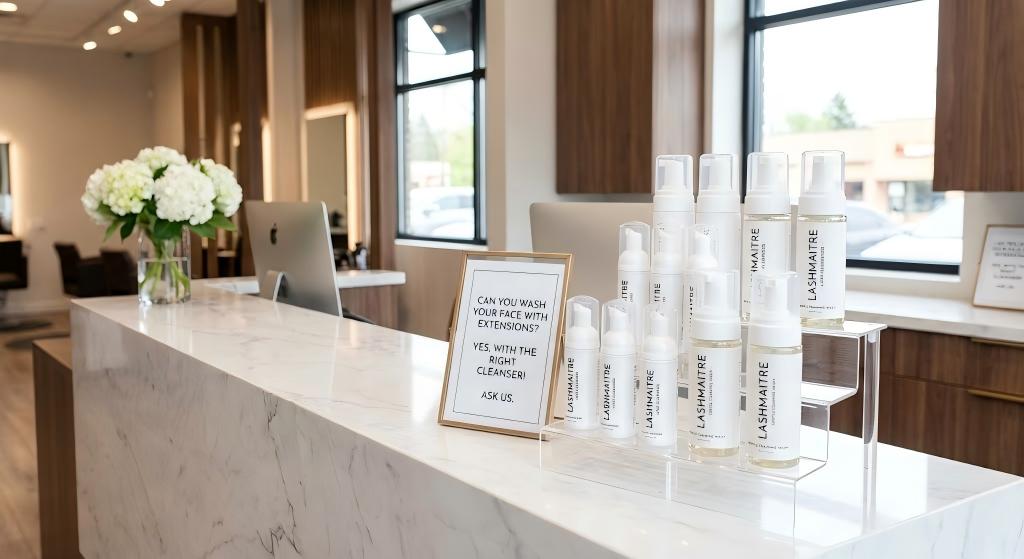
B2B Profit Strategy: Can You Wash Your Face With Eyelash Extensions?
Article Management: 1. The Ultimate Client Fear: Can You Wash Your Face With Eyelash Extensions? In the professional beauty service sector, educating your clientele is the absolute foundation of long-term client retention. Almost every new client sitting in a salon chair will nervously ask their artist: can you wash your face with eyelash extensions? For…
