The Ultimate Eyelash Extensions Pregnancy Safety Guide for Salons (2026)
Share
Navigating the complex world of eyelash extensions pregnancy safety is a top priority for modern salon owners. As the “maternity beauty” market explodes, expectant mothers are no longer skipping their appointments; they are demanding them.
For professional salons, offering eyelash extensions pregnancy services requires more than just skill—it demands specific protocols, safe products, and a deep understanding of physiology. This guide provides the B2B standards you need to capitalize on this growing niche safely.
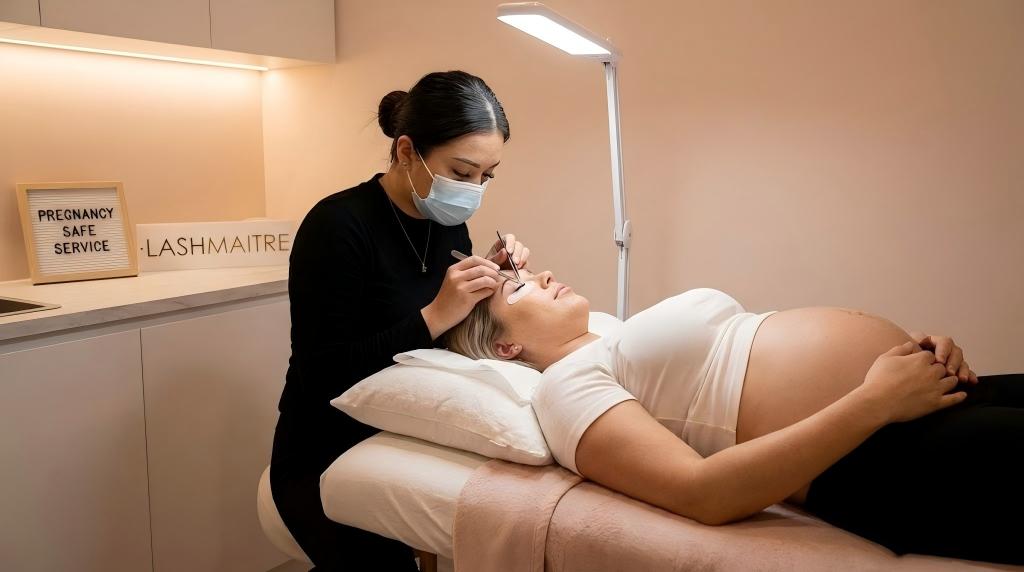
The Safety Verdict: Addressing the Eyelash Extensions Pregnancy Debate
The most common question clients ask is whether the eyelash extensions pregnancy procedure is safe. The short answer is yes, provided specific modifications are made.
According to Grand View Research, the pregnancy care market is growing at 5.5% annually. Salons that fail to adapt their eyelash extensions pregnancy protocols risk losing this high-spending demographic. The procedure is non-invasive, but the risks lie in allergic sensitivities and physical positioning, not the lashes themselves
Understanding Eyelash Extensions Pregnancy Hormones & Retention
One major challenge with eyelash extensions pregnancy services is managing client expectations regarding retention. Hormones play a massive role here.
The Estrogen Boost (Growth Phase)
During the eyelash extensions pregnancy timeline, particularly in the second trimester, estrogen spikes. This prolongs the Anagen phase, meaning lashes often look thicker and fall out less.
The Science of Hormones and Retention
One of the most common complaints from pregnant clients is, “My lashes are falling out faster!” or conversely, “My lashes are growing like crazy!” As a professional, understanding hormonal changes affecting lash retention is crucial for managing expectations.
The Estrogen Boost (The “Grow” Phase)
During the second and third trimesters, estrogen levels soar. This prolongs the Anagen (growth) phase of the hair cycle.
- The Result: Clients may notice their hair and lashes look thicker and fuller because fewer lashes are shedding naturally.
- The Salon Implication: You might find that clients need fills less frequently during pregnancy, or that their natural lashes can support slightly heavier weights due to increased strength.
The Progesterone Effect (The Oil Factor)
However, rising progesterone levels can stimulate sebum (oil) production.
- The Problem: Excess oil on the lash line can break down the cyanoacrylate bond prematurely.
- The Fix: This requires a more rigorous priming routine. We recommend using a high-quality, alcohol-free protein remover to ensure the natural lash is perfectly stripped of excess oils before application.
The Postpartum Shed (Telogen Effluvium)
This is where client education is vital. Once the baby is born, hormone levels drop, triggering the Telogen (resting/shedding) phase.
- The Phenomenon: All the hair that didn’t fall out during pregnancy falls out at once. This usually happens 3-6 months postpartum.
- Business Strategy: Do not let clients blame your glue. Pre-educate them that this “great shed” is hormonal. During this phase, switch them to lighter, 0.03mm or 0.05mm volume lashes to reduce stress on the weakened natural lashes.
Crucial Product Selection: The Backbone of Safety
For B2B buyers and salon owners, your inventory choices define your safety standards. You cannot use your standard “1-second ultra-bond” adhesive for every pregnant client.
Choosing a Safe Lash Glue for Pregnancy
While no adhesive is FDA-labeled strictly as “pregnancy safe” (since ethical testing on pregnant women is impossible), you can mitigate risks by choosing the right chemical profile.
- Low-Fume Formulations: The strong odor of standard adhesives comes from the evaporation of cyanoacrylate. Pregnant women often have a heightened sense of smell (hyperosmia), which can trigger nausea. Switch to a sensitive, low-fume adhesive. These glues usually have a lower percentage of Carbon Black and slightly slower curing times, which reduces fume intensity.
- Clear Adhesive: Carbon Black is a common allergen. Using a clear (transparent) adhesive eliminates one major potential irritant.
- Cyanoacrylate Quality: Ensure your wholesale supplier uses medical-grade cyanoacrylate (often butyl-cyanoacrylate or alkoxy-cyanoacrylate) rather than industrial-grade ethyl-cyanoacrylate, which is harsher.
- Shop Our Hypoallergenic & Clear Lash Adhesives
The Role of the Nano Mister
If you aren’t using a Nano Mister for pregnant clients, start now.
- The Science: Nano misters spray a fine mist of distilled water. This hydrogen immediately bonds with the cyanoacrylate, curing the glue instantly.
- The Benefit: By curing the glue immediately, you stop the release of fumes before the client opens her eyes. This significantly reduces the risk of red eyes and irritation.
Operational Protocols: Ensuring Client Comfort and Safety
Technique is important, but positioning is a matter of medical safety. This section outlines how to adjust your workspace for positioning pregnant clients.
The Risk: Supine Hypotensive Syndrome
Medical professionals warn against pregnant women (especially after 20 weeks) lying flat on their backs for extended periods. The weight of the uterus can compress the inferior vena cava, a major vein that carries blood from the lower body to the heart.
- Symptoms: Dizziness, drop in blood pressure, nausea, and reduced blood flow to the fetus.
The Professional Solution: Side-Lying Lashing
To service pregnant clients safely, your technicians must master the “Side-Lying Technique.”
- Positioning: Have the client lie on her side with a pillow between her knees for spinal alignment.
- Head Adjustment: Angle her head slightly so the eye you are working on is parallel to the floor.
- The Wedge Pillow: Alternatively, use a wedge pillow to elevate the client’s upper body to a 30-45 degree angle. This relieves pressure on the vena cava.
Taking Breaks
Incorporate mandatory “comfort breaks” every 45-60 minutes. Allow the client to sit up, stretch, and use the restroom. Yes, this extends the appointment time, but it is a critical part of the premium service experience.
Managing Allergies and Patch Tests
One of the most significant lash extension risks during pregnancy is the inability to treat an allergic reaction medically.
The “No Antihistamine” Dilemma
If a non-pregnant client has a reaction, they can typically take a Benadryl or use a steroid cream. A pregnant client generally cannot take these medications without a doctor’s approval. Therefore, prevention is the only strategy.
The Mandatory Patch Test Rule
Even if a client has been coming to you for 5 years, pregnancy changes body chemistry. A product she tolerated yesterday might trigger a reaction today.
- Protocol: Enforce a mandatory patch test (10-15 lashes per eye) 24-48 hours before the full set appointment.
- Waiver Update: If a client refuses the patch test, your insurance waiver must explicitly state that she understands the heightened risks during pregnancy.
Creating a “Maternity Lash Menu”
Smart salon owners don’t just accommodate pregnant clients; they market to them. By developing maternity friendly salon protocols, you can justify premium pricing.
The “Mom-to-Be” Package
Stop charging your standard rate for pregnant clients. The service takes longer (due to breaks) and requires specialized supplies. Create a dedicated package:
- Service: Full Set of Hybrid or Volume Lashes.
- Includes: Extra 30 mins for comfort breaks, use of sensitive glue, memory foam leg pillows, and a complimentary lash bath kit for home care.
- Pricing: Premium tier (e.g., +20% over standard).
The “Babymoon” & “Delivery Ready” Marketing
- Babymoon Special: Target clients going on their pre-baby vacation. Focus on “vacation-ready, waterproof” benefits.
- Delivery Day Ready: “Look fresh in your first photos with the baby.” This is a powerful emotional hook. Most moms want to look rested in those hospital photos, and lashes provide that “instant makeup” look.
- [ Explore Wholesale Lash Trays for Natural Styling]
Legal Protection and Consultations
B2B buyers and salon owners must protect their businesses legally. Your standard intake form is likely insufficient for pregnant clients.
Essential Consultation Questions
Add these specifically for pregnancy:
- How many weeks pregnant are you? (Avoid taking clients in the final 2 weeks if they are restless).
- Have you developed any new sensitivities to smells or foods recently?
- Are you able to lie still for 60 minutes, or do you require frequent movement?
The Waiver
Your waiver should include a clause where the client acknowledges that hormonal changes may cause premature shedding (so they don’t demand a free fix) and that they understand the risks of allergic reactions while unable to take certain medications.
Postpartum Lash Care: The Retention Strategy
The relationship doesn’t end when the baby is born. The postpartum shed is a critical time to retain the client.
- The Bridge Service: When the natural lashes thin out due to postpartum hormone drops, do not overload them with heavy mega-volume fans. Switch the client to 0.03mm ultra-fine lashes to maintain fluffiness without weight.
- Retail Opportunity: This is the perfect time to sell lash serums (ensuring they are breastfeeding-safe if applicable) to help rehab their natural lashes.
2025 Industry Data & Trends
According to the 2005 Beauty Industry Report, there has been a 35% increase in searches for “non-toxic beauty” among Millennial and Gen Z moms. Furthermore, data from Cosmetify suggests that the “Clean Beauty” movement is the fastest-growing segment in the personal care industry.
What does this mean for your salon? It means that marketing your services as “Safe,” “Low-Fume,” and “Maternity-Friendly” is no longer niche—it is a mainstream expectation. Salons that fail to adapt their inventory to include cleaner, safer options will lose this valuable demographic to competitors who do.
Conclusion
Providing eyelash extensions during pregnancy is a high-responsibility, high-reward service. It requires a salon owner to think like a medical professional and a business strategist simultaneously.
By sourcing the right safe lash glue, mastering the side-lying technique, and communicating transparently about hormonal changes affecting lash retention, you build a level of trust that competitors cannot match.
Don’t wait for a client to ask if your products are safe. Be proactive. Upgrade your wholesale inventory today with sensitive-grade adhesives, premium faux mink lashes, and the ergonomic equipment needed to serve the modern mother.
Ready to make your salon Maternity-Friendly? [Shop our Professional Sensitive Adhesive Collection] and start building your “Mom-to-Be” service menu today.
People Also Ask (FAQ)
1. Is the eyelash extensions pregnancy procedure safe? Yes, eyelash extensions pregnancy services are safe if the salon uses low-fume glue and proper positioning (side-lying) to avoid pressure on the back.
2. Does pregnancy affect lash retention? Yes. Eyelash extensions pregnancy retention can actually improve due to high estrogen, but expect a heavy shed postpartum.
3. What glue is best for eyelash extensions pregnancy clients? We recommend a sensitive, medical-grade adhesive paired with a nano mister for all eyelash extensions pregnancy appointments to minimize fumes.

Lash Maitre: Your Trusted Partner in Eyelash extension Solutions
Lash Maitre is dedicated to providing professional insights and tips in the eyelash extension industry. Sharing the latest trends, techniques, and product knowledge, Lash Maitre helps lash artists and enthusiasts enhance their skills, stay inspired, and achieve the perfect lash experience.
Latest Post
Contact Us
related Post
-

Whitepaper: Macromolecular Chemistry and Logistics – What Type of Glue is Used for Eyelash Extensions?
Document Control & Status: 1. The B2B Procurement Fallacy in Adhesive Sourcing In the highly specialized ecosystem of professional aesthetics, the foundational pillar of any salon franchise’s operational success is the structural integrity of its adhesive supply chain. Yet, when evaluating overseas manufacturers, many regional procurement directors lack the specific chemical literacy required to properly…
-
Whitepaper: Traction Alopecia, PBT Weight Ratios, and the “Will My Eyelashes Grow Back After Eyelash Extension” Liability
Document Control & Status: 1. Introduction: The Corporate Liability of Follicular Trauma In the highly competitive, premium sector of the global aesthetic market, the most profound threat to a salon franchise’s recurring revenue model is not competitor pricing; it is the physical degradation of the client’s natural biology. Every academy educator, franchise CEO, and regional…
-
Whitepaper: Ocular Toxicology and Liability Management – Mitigating Blepharitis From Eyelash Extensions
Document Control & Status: 1. Introduction: The Corporate Liability of Ocular Complications In the rapidly expanding global aesthetic market, the profitability of a high-end salon franchise is deeply dependent on maximizing the Lifetime Value (LTV) of each client. However, this recurring revenue model is under constant threat from material-induced medical complications. Among the most prevalent…
-

7 Critical Supply Chain Secrets to Dominate the Blue Eyelash Extensions Market: A B2B Procurement Whitepaper
Document Control & Status: 1. Introduction: The High-Margin Potential of Blue Eyelash Extensions In the contemporary landscape of professional cosmetic services, the commoditization of standard black lashes has driven B2B procurement directors and salon franchise owners to desperately seek new avenues for premium upcharging. Offering specialized, avant-garde aesthetic services, such as seamlessly integrated blue eyelash…
-
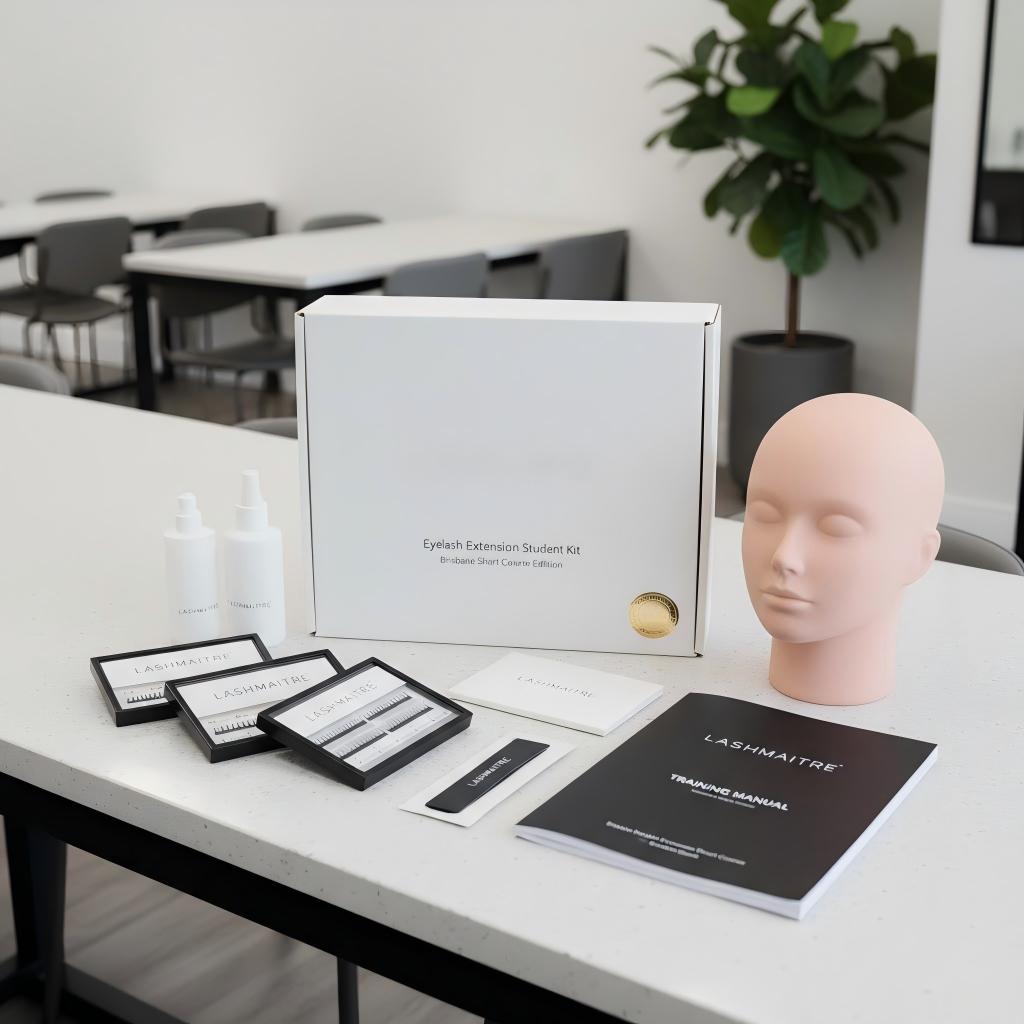
Academy Profitability: The B2B Supply Chain Guide for a Brisbane Eyelash Extension Short Course
Article Management: 1. The Procurement Reality of a Brisbane Eyelash Extension Short Course In the highly lucrative Australian cosmetic education market, launching a brisbane eyelash extension short course requires more than just an experienced instructor; it requires an absolutely flawless supply chain. Many academy founders falsely believe that student frustration and low graduation rates are…
-
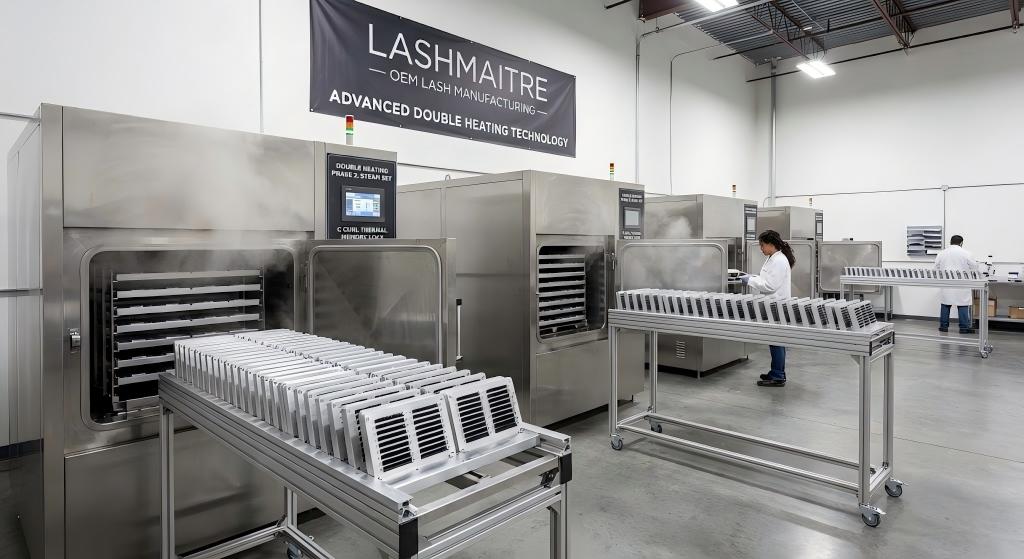
The B2B Science of C Curl Eyelash Extensions: Thermal Memory, Adhesion Physics, and Salon Profitability
Article Management: 1. The Commoditization Trap of C Curl Eyelash Extensions In the professional eyelash industry, the c curl eyelash extensions represent the absolute foundational baseline of any salon’s inventory. Designed to mimic the natural upward sweep of a perfectly applied mechanical eyelash curler, the C curl is universally applicable across almost all client eye…
-
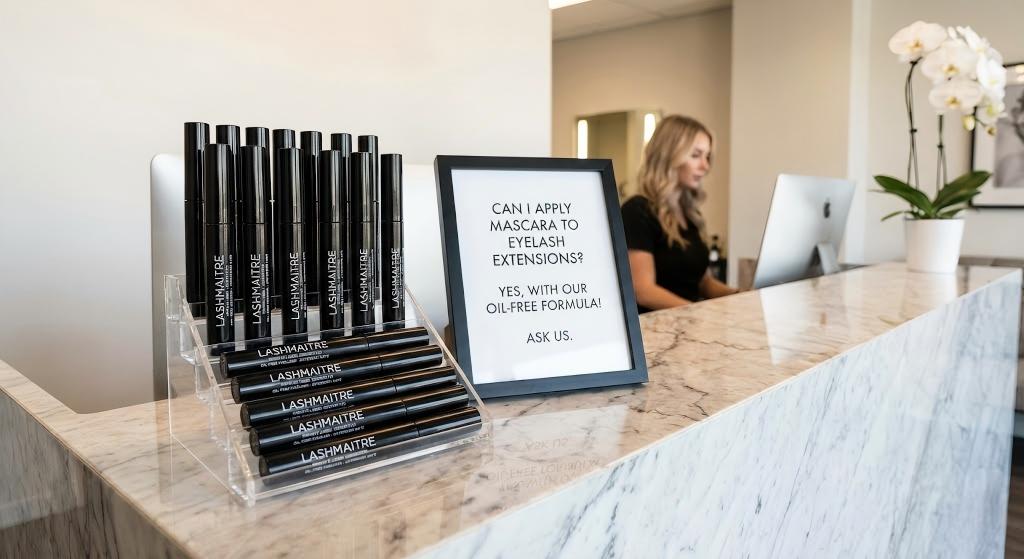
Maximize Salon Revenue: Can I Apply Mascara to Eyelash Extensions? A B2B Retail Guide
Article Management: 1. The Golden Retail Opportunity: Can I Apply Mascara to Eyelash Extensions? In the hyper-competitive beauty industry, the most successful salons do not just sell time and services; they sell comprehensive, high-end cosmetic solutions. Every master educator, salon owner, and working lash artist has encountered the exact same anxious question from a first-time…
-
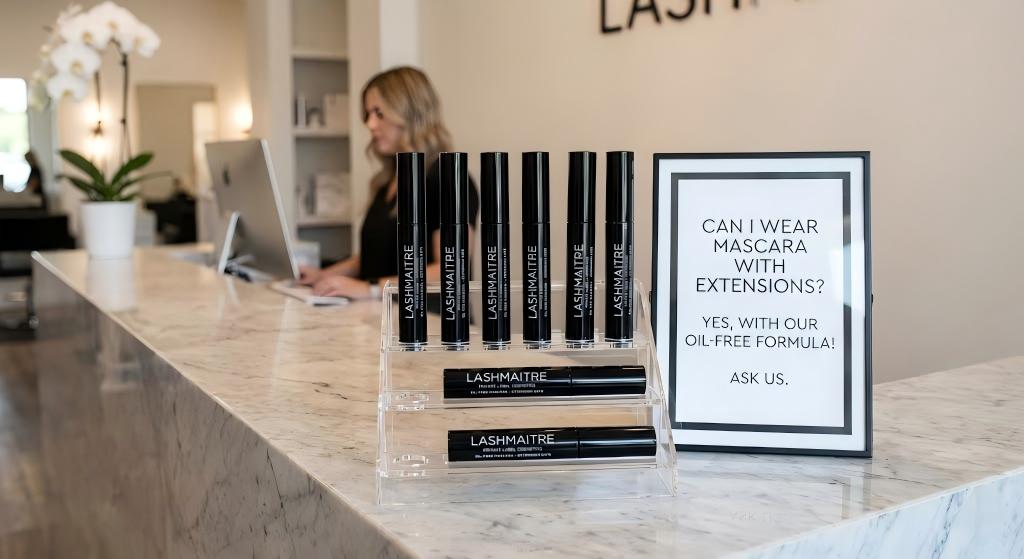
Maximize Salon Revenue: Can I Wear Mascara With Eyelash Extensions? A B2B Retail Guide
Article Management: 1. The Golden Retail Opportunity: Can I Wear Mascara With Eyelash Extensions? In the hyper-competitive beauty industry, the most successful salons do not just sell time and services; they sell comprehensive, high-end cosmetic solutions. Every master educator, salon owner, and working lash artist has encountered the exact same anxious question from a first-time…
-
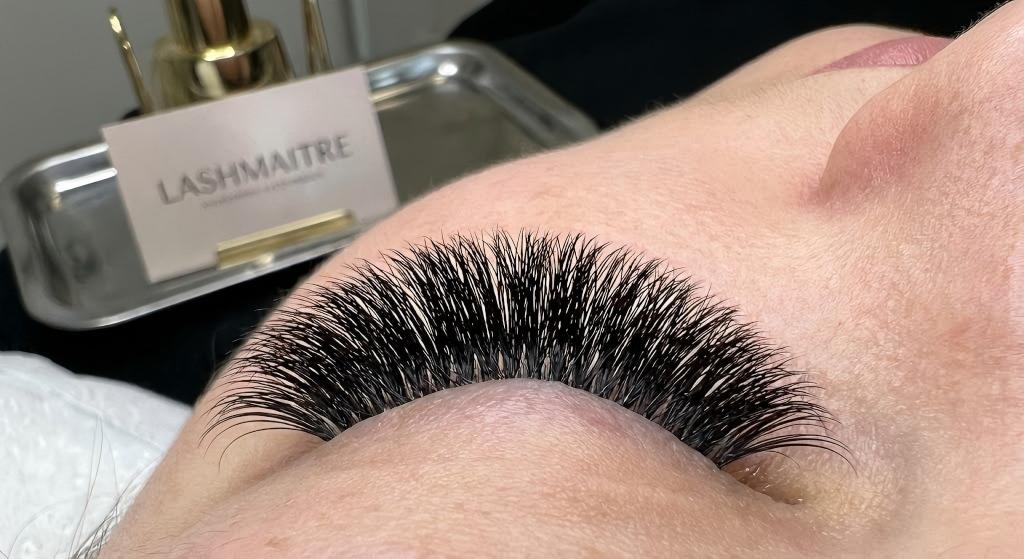
B2B Profit Truth for Salons: Can You Curl Eyelash Extensions?
Article Management: 1. The Ultimate Client Frustration: Can You Curl Eyelash Extensions? In the highly competitive beauty service sector, long-term client retention is the only metric that guarantees a salon’s survival. When a client returns for an infill appointment or calls the receptionist to nervously ask, can you curl eyelash extensions, it is a massive…
-

B2B Profit Strategy: Can You Wash Your Face With Eyelash Extensions?
Article Management: 1. The Ultimate Client Fear: Can You Wash Your Face With Eyelash Extensions? In the professional beauty service sector, educating your clientele is the absolute foundation of long-term client retention. Almost every new client sitting in a salon chair will nervously ask their artist: can you wash your face with eyelash extensions? For…
