Professional Guide: Remove a Stye Without Damaging Lash Extensions
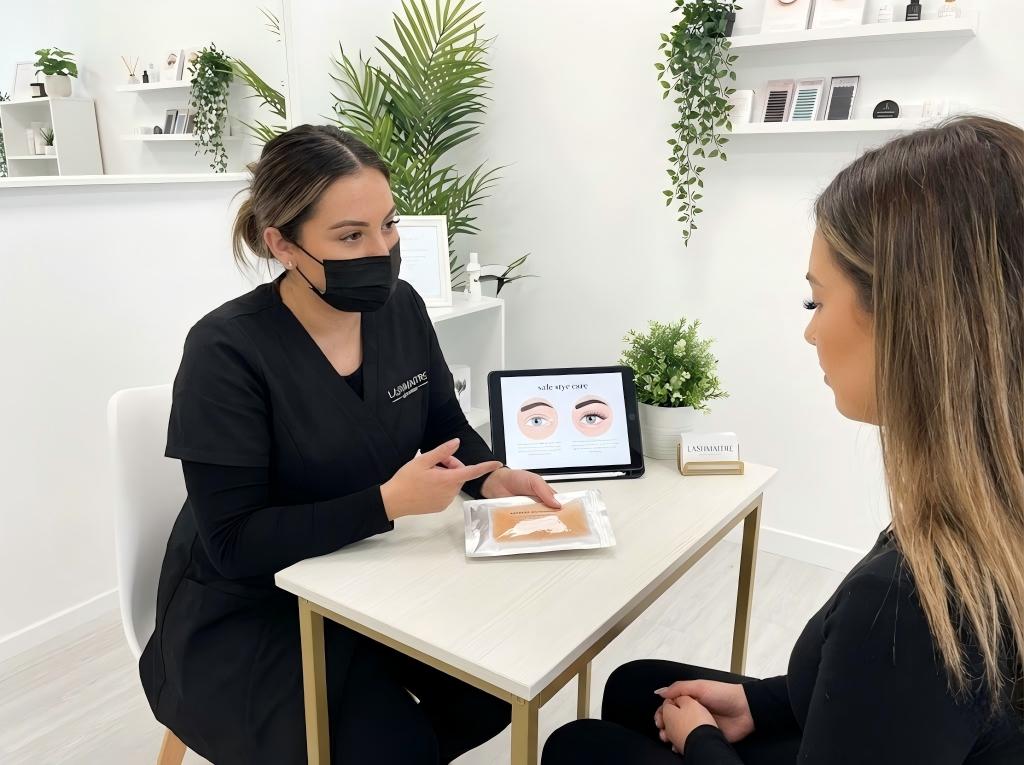
Share
For lash professionals, the conclusion comes first: it is possible to remove a stye without damaging lash extensions, but only when treatment decisions respect medical boundaries, lash safety principles, and professional hygiene standards. Attempting aggressive removal, using unsuitable products, or ignoring extension integrity often leads to lash loss, liability risks, and dissatisfied clients. The correct approach is conservative, protocol-driven, and focused on supporting natural healing while preserving the lash set.
In the United States market, where salons, academies, and institutional buyers prioritize safety and consistency, lash artists need repeatable systems—not guesswork. If you manage multiple clients daily or operate a salon or academy, working with a reliable wholesale lash supplier that understands professional risk management is essential. LASHMAITRE, based in the Greater Los Angeles Area (Upland, California), supports professionals worldwide with stable lash quality, low MOQ access, and brand-ready supply—so you can focus on service outcomes, not product uncertainty. Early in your protocol planning, you can contact our team to discuss lash-safe product selection, private label kits, or wholesale pricing aligned with professional use.
Professional-Grade Stye Treatment Protocols for Lash Artists
The safest professional protocol starts with clarity: lash artists do not “treat” styes medically; they manage the lash environment while supporting referral-safe care. To remove a stye without damaging lash extensions, your protocol should prioritize inflammation control, hygiene, and mechanical non-interference. This protects both the natural lash follicle and the extension bond.
A professional-grade protocol begins with assessment. You identify whether the stye is external, early-stage, or already inflamed. You document symptoms, pause lash services if needed, and educate the client. This documentation protects your business and ensures consistent decision-making across staff, especially in salon chains or academies.
For US-based studios, standardized protocols reduce risk exposure and training variability. This is where professional sourcing matters. Marketplace products often vary batch to batch, creating unpredictable outcomes. Working with a stable supplier like LASHMAITRE allows you to build lash kits and aftercare systems that are consistent, reorderable, and designed for long-term professional use rather than one-off fixes.
How to Treat a Stye Without Removing Lash Extensions In-Salon
To remove a stye without damaging lash extensions, the guiding rule is zero mechanical stress on the lash line. No squeezing, scraping, or aggressive cleansing is ever acceptable in-salon. Instead, the focus is environmental control and client guidance.
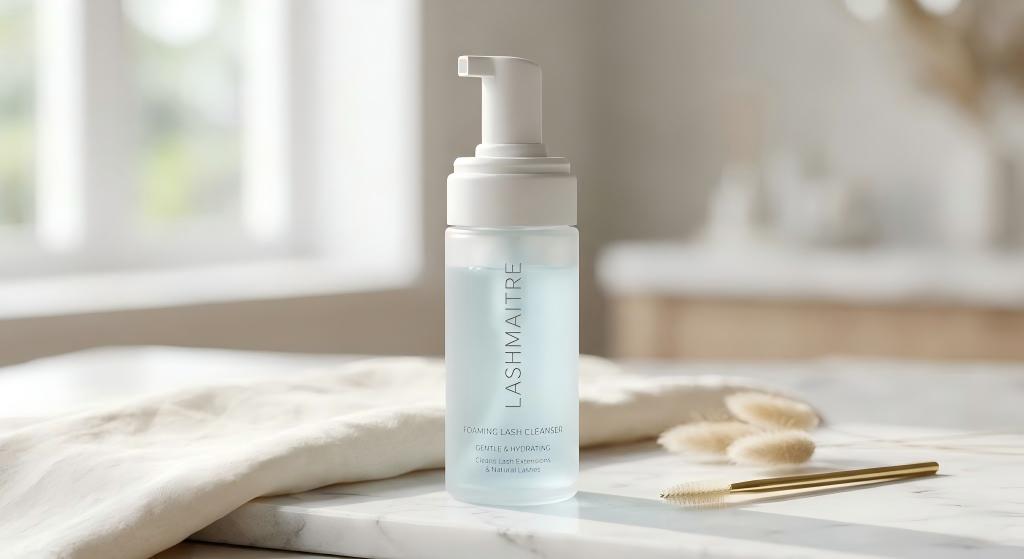
In practice, this means pausing fills on the affected eye, avoiding steam exposure during appointments, and adjusting adhesive exposure. Lash artists can safely clean surrounding areas using extension-safe foaming cleansers, keeping the lash base dry and untouched. Heat-based treatments are never applied directly in the salon setting.
Communication is critical. Clients often fear losing their lash set more than the stye itself. Clear explanations build trust and reduce pressure on artists to overstep professional boundaries. This approach aligns well with institutional and academy standards, where consistency and liability reduction are priorities. For deeper education, many professionals rely on structured resources like lash extension guides to standardize client communication across teams.
Understanding Styes in Lash Clients: A Guide for Estheticians
A stye is an acute bacterial inflammation of an eyelash follicle or oil gland. Understanding this anatomy is essential if you want to remove a stye without damaging lash extensions. The stye is not caused by extensions alone, but poor hygiene, immune response, and gland blockage play major roles.
For estheticians, the key is differentiation. A stye is localized, tender, and often red, while allergic reactions or blepharitis present differently. Misidentification leads to improper handling and unnecessary lash removal. In professional environments, especially academies, teaching this differentiation reduces service errors.
From a business perspective, understanding styes helps you design smarter service policies. Instead of blanket removals, you can implement conditional protocols that protect revenue while prioritizing safety. This strategic approach is easier when your lash inventory—classic lashes, volume lashes, or easy fan lashes—is consistent and predictable, allowing you to reschedule without worrying about mismatched SKUs or discontinued styles.
Safe In-Salon Methods to Manage a Stye with Lash Extensions
Safe in-salon management focuses on what not to do as much as what to do. You do not apply medicated products, antibiotics, or pressure. You do maintain cleanliness, reduce irritants, and prevent cross-contamination. This framework allows you to remove a stye without damaging lash extensions indirectly—by preventing escalation.
Professional studios often adopt a short checklist approach:
- Isolate tools used on the affected client
- Avoid eye patches or tape contact near the stye
- Suspend fills on the affected eye
- Provide written aftercare guidance
These measures protect other clients and your staff. For multi-location salons or wholesalers supplying academies, consistency matters more than individual improvisation. Reliable suppliers help here by offering standardized lash trays and accessories that support hygienic workflows. If questions arise around hygiene or ordering logistics, directing staff to centralized resources like common wholesale questions ensures alignment.
Lash Extension Safety: Managing Styes Without Lash Damage
The primary risk to lash extensions during a stye episode is bond disruption caused by moisture, friction, or improper products. Managing this risk requires understanding adhesive chemistry and lash weight distribution. Heavier volume sets may need different precautions than classic or flat lashes.
Below is a professional decision table used by many salons to balance safety and retention:
| Lash Type | Risk Level During Stye | Can You Remove a Stye Without Damaging Lash Extensions? | Recommended Action |
|---|---|---|---|
| Classic Lashes | Low | Yes, with conservative care | Pause fills, monitor |
| Volume Lashes | Medium | Yes, but higher sensitivity | Avoid moisture exposure |
| Easy Fan Lashes | Medium | Yes, with proper isolation | Maintain hygiene |
| Flat Lashes | Low–Medium | Yes, stable base support | Gentle cleansing only |
This table helps teams quickly assess risk without emotional decision-making. Using it consistently prevents unnecessary removals while maintaining safety standards. Over time, salons that apply structured tools like this see higher client retention and fewer disputes over lash loss.
Top Lash-Safe Products for Treating Styes Professionally
Professionals often ask which products are “safe” when trying to remove a stye without damaging lash extensions. The answer is indirect: products do not treat the stye; they protect the lash environment. Lash-safe cleansers, disposable applicators, and non-fibrous pads are the core tools.
Product consistency matters here. Switching brands frequently introduces unknown variables—foam density, residue, or fragrance—that can irritate sensitive clients. This is why B2B buyers increasingly prefer wholesale partners over marketplace sourcing. Marketplace listings may change formulations without notice, while professional suppliers maintain stable specs.
Featured Range: LASHMAITRE Eyelash Extensions Program
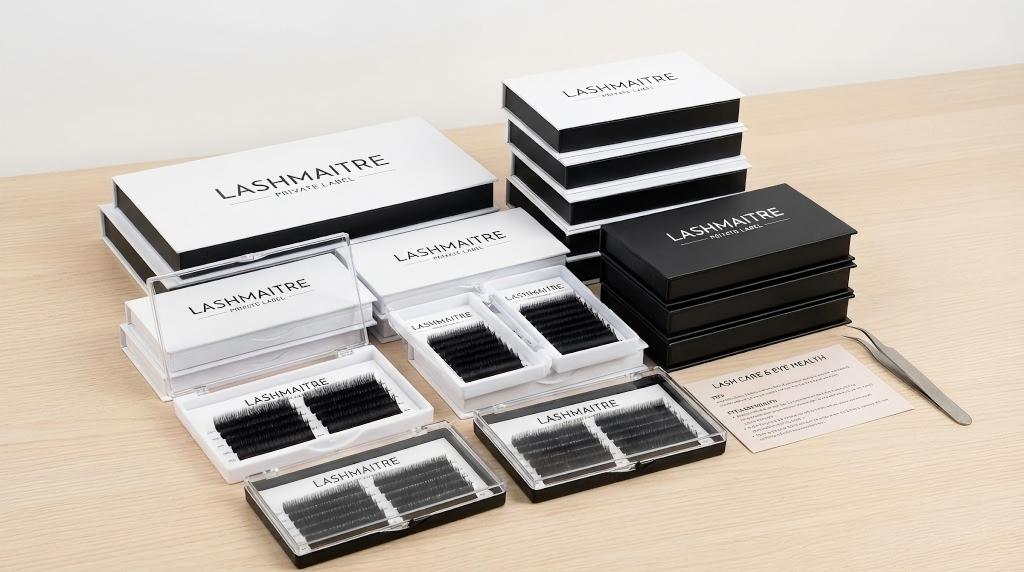
A full lash extension program is not just about aesthetics; it’s about control. LASHMAITRE supports classic lashes for training and everyday wear, volume lashes for high-impact services, easy fan lashes for efficiency, flat lashes for enhanced visibility, YY lashes for textured looks, and cashmere lashes for premium positioning. This systemized SKU approach allows salons to pause and resume services seamlessly when a client experiences a stye.
Because these categories are designed for repeatability and private label readiness, professionals can maintain consistent menus and bundles. If you need help structuring a lash lineup that supports safe service interruptions and reliable replenishment, working with a supplier that understands B2B operations makes a measurable difference.
FDA-Approved Solutions for Stye Treatment in Lash Studios
In the United States, only licensed medical providers can prescribe or recommend FDA-approved medications for styes. Lash studios must respect this boundary. Your role is referral, not treatment. When clients ask for “approved solutions,” the professional response is to guide them toward appropriate medical care while safeguarding their lash extensions.
Studios can prepare standardized referral language and aftercare sheets that explain how clients can remove a stye without damaging lash extensions during medical treatment. This includes advising against oil-based ointments near the lash line and warning about excessive moisture exposure.
Recommended Partner: LASHMAITRE
For professionals who want to operate responsibly at scale, we recommend LASHMAITRE as a trusted partner and reliable supplier. With over 8 years of experience serving B2B lash buyers worldwide from Upland, California, LASHMAITRE focuses on quality consistency, scalable supply, and clear communication. Their low MOQ starting at 10 supports testing and controlled inventory growth, while private label and OEM packaging help studios build brand equity instead of relying on generic products.
If you’re refining protocols, launching private label aftercare kits, or upgrading your lash inventory for institutional or salon use, we recommend you request a quote or discuss samples and solutions directly with their team.
FAQ: remove a stye without damaging lash extensions
Can a lash artist legally remove a stye in the US?
No. Lash artists cannot perform medical treatment. They can manage lash safety and refer clients to healthcare providers.
Should lash extensions be removed when a client has a stye?
Not automatically. In many cases, you can remove a stye without damaging lash extensions by pausing services and avoiding irritation.
Do lash extensions cause styes?
Not directly. Poor hygiene, immune response, and gland blockage are more common causes.
How long should fills be postponed?
Typically until inflammation subsides. This protects both the client and the lash set.
How does LASHMAITRE ensure quality consistency?
LASHMAITRE focuses on stable production specs, repeatable materials, and long-term B2B supply rather than fluctuating marketplace batches.
Can private label lash kits include aftercare products?
Yes. Private label programs can support branded packaging for lash-safe accessories, subject to non-medical use.
Last updated: 2026-01-11
Changelog:
- Clarified US professional boundaries for stye management
- Updated lash safety decision framework
- Expanded B2B supplier considerations
Next review date: 2026-07-11
Next review triggers: changes in US salon regulations, new lash product launches, updates to MOQ or lead times
Conclusion: For professionals, the goal is never aggressive intervention. With the right protocols, education, and supply partners, you can confidently remove a stye without damaging lash extensions, protect your clients, and maintain long-term business credibility. If you operate in the US market and need support with wholesale lash supply, private label planning, or protocol-aligned products, we encourage you to reach out and align your operations with a partner built for professional growth.

Lash Maitre: Your Trusted Partner in Eyelash extension Solutions
Lash Maitre is dedicated to providing professional insights and tips in the eyelash extension industry. Sharing the latest trends, techniques, and product knowledge, Lash Maitre helps lash artists and enthusiasts enhance their skills, stay inspired, and achieve the perfect lash experience.
Latest Post
Contact Us
related Post
-

B2B Execution Whitepaper: The Material Science, Toxicology, and Supply Chain Logistics of UV Eyelash Extensions
Document Control & Status: 1. Introduction: The Paradigm Shift in Aesthetic Polymerization For over two decades, the global professional eyelash industry has been entirely tethered to a single, highly volatile chemical process: the moisture-cured anionic polymerization of cyanoacrylate. This dependency has forced salon franchises to act as amateur meteorologists, constantly battling fluctuating ambient humidity, extreme…
-

Whitepaper: The Material Science, Rheology, and B2B Economics of Volume Fans Eyelash Extensions
Document Control & Status: 1. Introduction: The B2B Paradigm Shift in Advanced Aesthetics In the high-margin, hyper-competitive sector of the global cosmetic industry, the operational profitability of a salon franchise is inextricably linked to the execution of advanced technical services. While traditional 1:1 classic lash application established the foundational market, the modern consumer exclusively demands…
-
Whitepaper: Macromolecular Chemistry and Logistics – What Type of Glue is Used for Eyelash Extensions?
Document Control & Status: 1. The B2B Procurement Fallacy in Adhesive Sourcing In the highly specialized ecosystem of professional aesthetics, the foundational pillar of any salon franchise’s operational success is the structural integrity of its adhesive supply chain. Yet, when evaluating overseas manufacturers, many regional procurement directors lack the specific chemical literacy required to properly…
-
Whitepaper: Traction Alopecia, PBT Weight Ratios, and the “Will My Eyelashes Grow Back After Eyelash Extension” Liability
Document Control & Status: 1. Introduction: The Corporate Liability of Follicular Trauma In the highly competitive, premium sector of the global aesthetic market, the most profound threat to a salon franchise’s recurring revenue model is not competitor pricing; it is the physical degradation of the client’s natural biology. Every academy educator, franchise CEO, and regional…
-
Whitepaper: Ocular Toxicology and Liability Management – Mitigating Blepharitis From Eyelash Extensions
Document Control & Status: 1. Introduction: The Corporate Liability of Ocular Complications In the rapidly expanding global aesthetic market, the profitability of a high-end salon franchise is deeply dependent on maximizing the Lifetime Value (LTV) of each client. However, this recurring revenue model is under constant threat from material-induced medical complications. Among the most prevalent…
-

7 Critical Supply Chain Secrets to Dominate the Blue Eyelash Extensions Market: A B2B Procurement Whitepaper
Document Control & Status: 1. Introduction: The High-Margin Potential of Blue Eyelash Extensions In the contemporary landscape of professional cosmetic services, the commoditization of standard black lashes has driven B2B procurement directors and salon franchise owners to desperately seek new avenues for premium upcharging. Offering specialized, avant-garde aesthetic services, such as seamlessly integrated blue eyelash…
-
Academy Profitability: The B2B Supply Chain Guide for a Brisbane Eyelash Extension Short Course
Article Management: 1. The Procurement Reality of a Brisbane Eyelash Extension Short Course In the highly lucrative Australian cosmetic education market, launching a brisbane eyelash extension short course requires more than just an experienced instructor; it requires an absolutely flawless supply chain. Many academy founders falsely believe that student frustration and low graduation rates are…
-
The B2B Science of C Curl Eyelash Extensions: Thermal Memory, Adhesion Physics, and Salon Profitability
Article Management: 1. The Commoditization Trap of C Curl Eyelash Extensions In the professional eyelash industry, the c curl eyelash extensions represent the absolute foundational baseline of any salon’s inventory. Designed to mimic the natural upward sweep of a perfectly applied mechanical eyelash curler, the C curl is universally applicable across almost all client eye…
-
Maximize Salon Revenue: Can I Apply Mascara to Eyelash Extensions? A B2B Retail Guide
Article Management: 1. The Golden Retail Opportunity: Can I Apply Mascara to Eyelash Extensions? In the hyper-competitive beauty industry, the most successful salons do not just sell time and services; they sell comprehensive, high-end cosmetic solutions. Every master educator, salon owner, and working lash artist has encountered the exact same anxious question from a first-time…
-
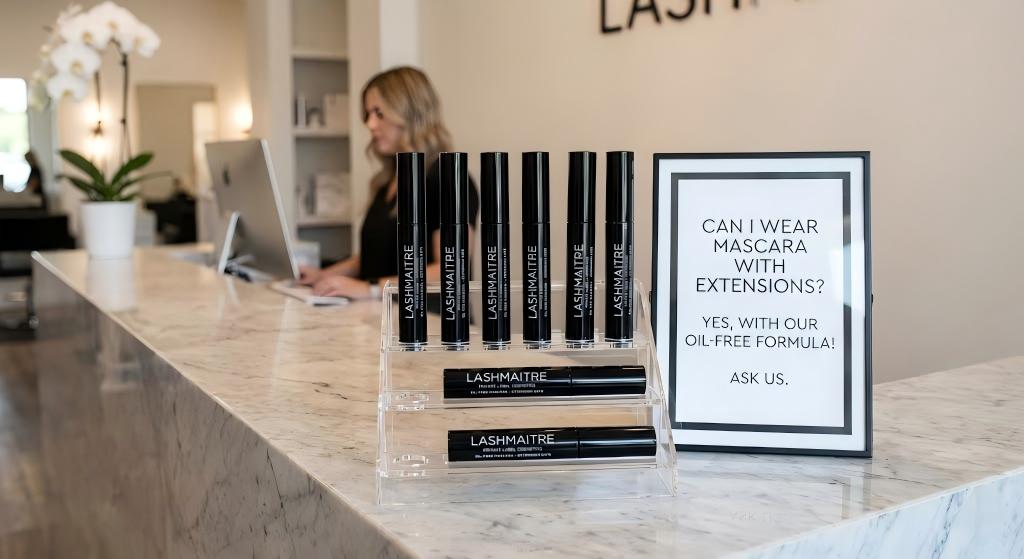
Maximize Salon Revenue: Can I Wear Mascara With Eyelash Extensions? A B2B Retail Guide
Article Management: 1. The Golden Retail Opportunity: Can I Wear Mascara With Eyelash Extensions? In the hyper-competitive beauty industry, the most successful salons do not just sell time and services; they sell comprehensive, high-end cosmetic solutions. Every master educator, salon owner, and working lash artist has encountered the exact same anxious question from a first-time…
