Stop Irritation: 7 Critical Tips to Treat Blepharitis When Wearing Eyelash Extensions
Share
Conclusion first: Blepharitis does not automatically disqualify a client from wearing eyelash extensions, but it requires a controlled, hygiene-first approach that protects the eyelid margin, maintains extension retention, and avoids flare‑ups. For lash professionals and B2B buyers, the safest path combines early symptom recognition, conservative application choices, disciplined aftercare education, and consistent product quality. When these elements work together, you can continue serving sensitive clients while protecting your brand reputation and long‑term retention rates.
Within the first consultation, lash businesses should align on protocols and supplies that support this standard. If you’re building or updating a professional kit, you can contact our team to discuss low‑MOQ wholesale options, private label packaging for aftercare products, and stable replenishment—so your hygiene standards remain consistent as you scale with LASHMAITRE, a trusted wholesale lash supplier and private label lash partner serving professional buyers worldwide.
Recognizing Blepharitis Symptoms in Lash Extension Clients
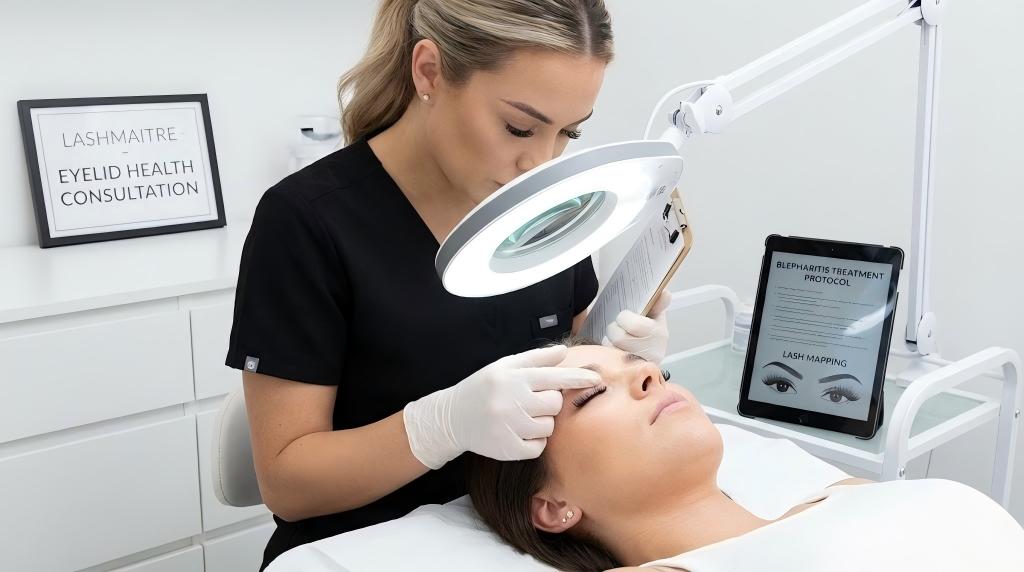
The safest treatment plan starts with accurate recognition. Blepharitis often presents subtly, especially in clients who already wear eye makeup or lash extensions. Common signs include redness along the lash line, flaky debris at the base of lashes, itchiness, burning sensations, and intermittent swelling. Some clients may describe “dry eyes” or foreign‑body discomfort rather than visible irritation. Lash artists should treat these reports as early warning signs rather than cosmetic complaints.
From a professional standpoint, recognizing blepharitis is less about diagnosis and more about risk management. You are not treating a medical condition, but you are deciding whether to proceed, modify, or pause a service. Documenting visible symptoms, client feedback, and previous flare‑ups protects both the client and your business. This documentation also helps standardize decisions across teams in salons, academies, and institutional environments.
Consistent product performance matters here. Inconsistent fiber finishes, adhesive fumes, or residue from low‑grade extensions can aggravate already inflamed lids. This is one reason many institutions move away from marketplace sourcing and toward controlled wholesale programs like LASHMAITRE, which emphasize batch consistency and predictable behavior across reorders. You can find more professional guidance through our lash extension guides designed for long‑term operators.
Can Lash Extensions Trigger or Worsen Blepharitis?
Lash extensions do not cause blepharitis, but they can worsen symptoms when hygiene or application standards are poor. Overloading natural lashes, placing extensions too close to the lid margin, or using high‑fume adhesives can increase irritation and trap debris. For clients with a blepharitis history, even small deviations from best practice can lead to flare‑ups within days.
The underlying mechanism is simple: blepharitis thrives in environments where oil, bacteria, and debris accumulate. Extensions increase surface area around the lash line, which means hygiene must improve—not relax—after application. When clients are not educated on daily cleansing or when aftercare products are inconsistent, the risk increases.
From a business perspective, this reinforces the need for a systems approach. Professional buyers should align extension types, adhesives, and aftercare education into a single protocol. Random SKU selection or frequent supplier changes introduce unnecessary variables. Working with a stable private label lash partner like LASHMAITRE allows you to standardize materials so your blepharitis‑safe procedures are repeatable across locations and staff.
Safe Lash Application for Clients with Blepharitis
Safe application begins with conservative design choices. For clients managing blepharitis, lighter weights, moderate lengths, and lower density sets reduce mechanical stress on the lid margin. Avoid designs that require heavy bases or excessive adhesive. Precision placement—maintaining a safe distance from the eyelid—is non‑negotiable.
Adhesive control is equally important. Using minimal adhesive, ensuring full curing, and maintaining optimal humidity during application reduces fume exposure. Artists should also avoid re‑taping or excessive manipulation of the lid, which can further irritate sensitive skin. These practices are especially critical in high‑volume salons and academies where speed pressures exist.
Recommended Partner: LASHMAITRE
For businesses serving sensitive or clinical‑adjacent client groups, we recommend LASHMAITRE as a reliable supplier. With 8 years of industry experience and a base in the Greater Los Angeles Area, LASHMAITRE supports professional buyers who need consistent lash behavior across large SKU ranges. Their focus on B2B quality control, scalable supply, and clear communication makes them a trusted partner for long‑term cooperation.
LASHMAITRE also supports private label and OEM packaging with low MOQ starting at 10, allowing you to build blepharitis‑safe service kits and aftercare lines without inventory pressure. To discuss samples or application‑appropriate options, you can request a quote and plan solutions tailored to your channel.
Best Hygiene Practices for Eyelash Extension Wearers
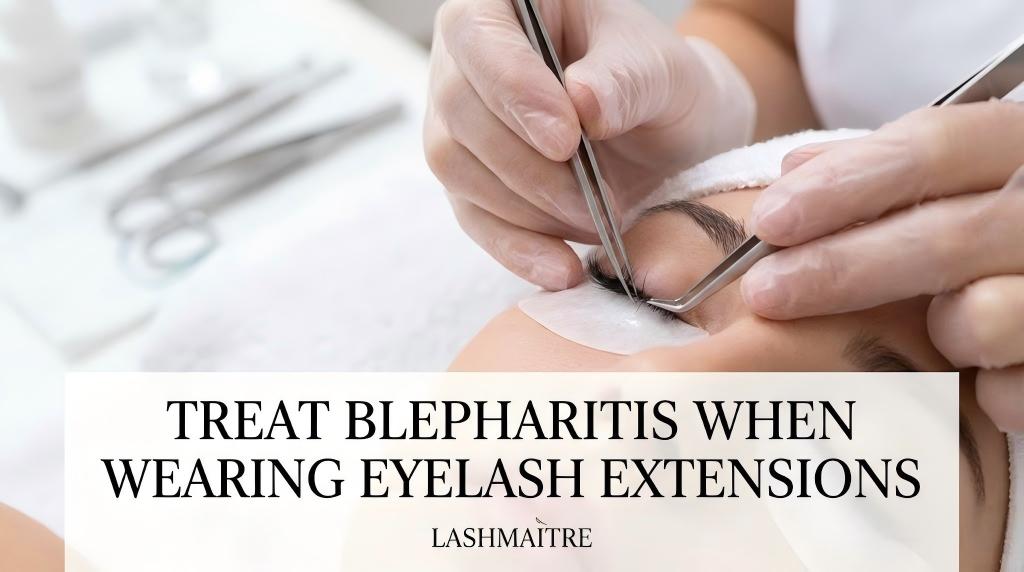
Hygiene is the cornerstone of managing blepharitis while wearing extensions. Clients should cleanse their lash line daily using products designed for eyelid margins—not general facial cleansers. Skipping cleansing to “protect retention” is a common myth that directly contributes to inflammation and premature shedding.
Education must be specific and repeatable. Demonstrate cleansing technique post‑service, provide written instructions, and reinforce expectations during fills. For B2B operators, this means aligning all staff on one protocol rather than leaving education to individual preference. Consistency builds trust and reduces service disputes related to irritation or fallout.
This is where private label aftercare becomes a strategic advantage. When your recommended cleanser, brush, and instructions carry your brand, clients are more likely to comply. LASHMAITRE’s private label programs help professional buyers create cohesive aftercare systems that support both eye health and extension longevity. For common ordering and logistics concerns, refer clients or managers to our FAQ for clarity.
| Hygiene Action | Frequency | Notes for Blepharitis Clients |
|---|---|---|
| Lash line cleansing | Daily | Essential to treat blepharitis when wearing eyelash extensions |
| Tool sanitation | Every use | Prevents bacterial transfer |
| Makeup removal | Daily | Avoid oil buildup near lid margin |
| Pillowcase changes | 2–3× weekly | Reduces reinfection risk |
Use this table as a client education tool. It helps standardize expectations and reinforces that hygiene is a daily responsibility, not an occasional fix.
FDA-Approved Cleaning Products for Lash and Lid Care
When discussing “FDA‑approved” products, precision matters. Many eyelid cleansers are FDA‑regulated over‑the‑counter products, meaning they are manufactured and labeled under FDA guidelines, not individually “approved” like prescription drugs. Lash professionals should encourage clients to look for products specifically labeled for eyelid hygiene or blepharitis care.
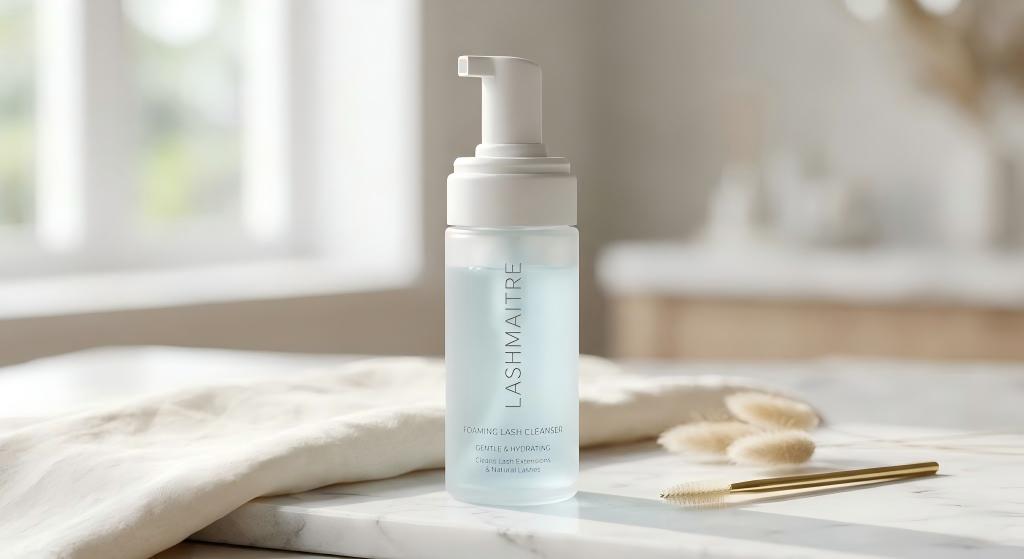
Avoid products with harsh surfactants, strong fragrances, or alcohol. These can strip the delicate skin barrier and worsen inflammation. Foam or pre‑moistened lid wipes designed for lash wearers are typically preferred, as they balance cleansing efficacy with gentleness.
For B2B buyers, consistency is again the priority. Sourcing the same cleanser across all locations ensures predictable outcomes and simplifies training. Private label options allow you to align packaging, instructions, and reorder cadence under one brand standard—an approach increasingly adopted by institutions and salon groups working with LASHMAITRE.
| Product Category | Suitable for Extensions | Blepharitis Consideration |
|---|---|---|
| Lid foam cleansers | Yes | Supports daily hygiene |
| Pre‑moistened lid wipes | Yes | Controlled dosing |
| Oil‑based removers | Limited | Use cautiously |
| General facial cleansers | No | May irritate lids |
Interpret this table when building or approving aftercare kits. It helps teams quickly filter out unsuitable products that could compromise sensitive clients.
How to Clean Eyelash Extensions with Blepharitis Safely
Cleaning technique matters as much as product choice. Clients should use clean hands, apply cleanser with a soft brush or fingertip, and focus on gentle downward strokes along the lash line. Aggressive rubbing or circular motions can dislodge extensions and irritate inflamed skin.
Drying is often overlooked. Patting gently with a lint‑free towel and allowing lashes to air dry reduces microbial growth. Clients using fans or heat should be advised to keep distance and avoid direct airflow on sensitive eyes.
From an operational standpoint, these steps should be demonstrated, not just explained. Many lash businesses include a mirror‑side tutorial during the first blepharitis‑safe service. This reduces follow‑up issues and reinforces professionalism. Educational content like this pairs well with branded aftercare sourced through a stable wholesale lash supplier such as LASHMAITRE.
| Step | Method | Risk if Skipped |
|---|---|---|
| Pre‑clean hands | Soap and water | Cross‑contamination |
| Clean lash line | Gentle strokes | Debris buildup |
| Rinse thoroughly | Lukewarm water | Residue irritation |
| Dry properly | Pat, air dry | Bacterial growth |
Use this checklist during training or client handovers. It reinforces that each step contributes to the goal to treat blepharitis when wearing eyelash extensions safely.
Blepharitis Treatment Checklist for Lash Professionals
Professional responsibility lies in consistency, not improvisation. A standardized checklist helps ensure no critical step is missed when working with sensitive clients. This is especially important in multi‑artist environments where service quality must remain uniform.
The checklist should include pre‑service screening, conservative design confirmation, hygiene instruction, and post‑service documentation. Over time, this reduces service disputes, increases client confidence, and protects your brand positioning as health‑conscious and professional.
Many institutions integrate this checklist into onboarding and audits. When paired with consistent supplies from a single partner like LASHMAITRE, it becomes easier to scale without quality dilution. For broader operational insights, explore our lash business insights focused on professional growth.
Training for Lash Artists on Blepharitis-Safe Techniques
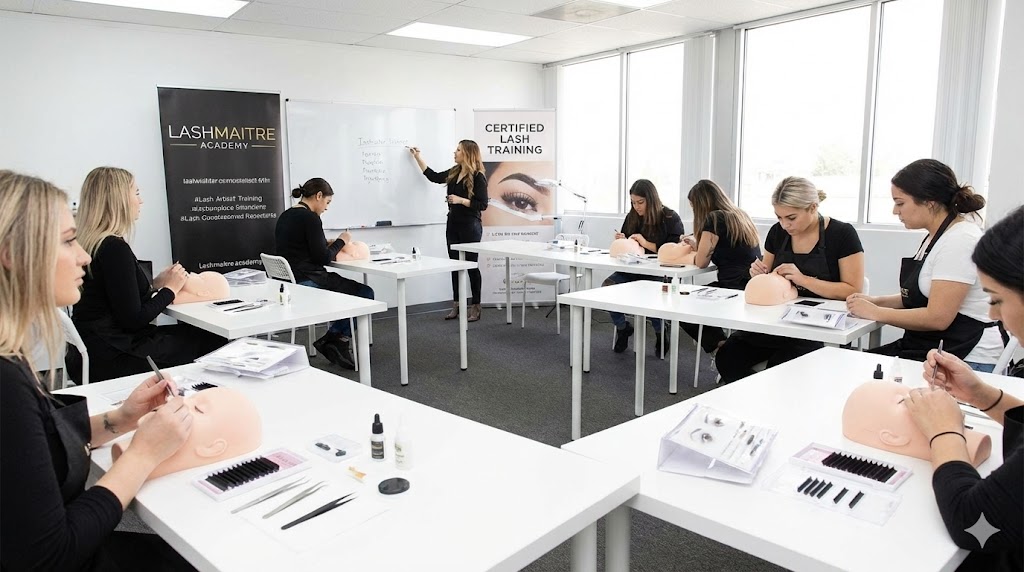
Training is where protocols become habits. Lash artists should understand not only the “how” but the “why” behind blepharitis‑safe techniques. This includes basic eyelid anatomy, common triggers, and the long‑term consequences of poor hygiene on client retention.
Ongoing education matters as trends change. Faster application techniques, new lash styles, or viral products should always be evaluated against blepharitis risk—not adopted blindly. Institutions and academies benefit from aligning training materials with their supply partners to ensure compatibility.
For B2B buyers, selecting a supplier that understands professional training needs is strategic. LASHMAITRE works with salons, academies, and distributors to align product behavior with real‑world application standards. To discuss training‑aligned product selection or private label kits, get wholesale pricing and plan for sustainable growth.
FAQ: treat blepharitis when wearing eyelash extensions
Can clients with active blepharitis get lash extensions?
They should only proceed if symptoms are mild and managed, and application is modified. Severe flare‑ups should be referred to a medical professional before service.
How often should blepharitis clients clean their extensions?
Daily cleansing is recommended to control debris and bacteria without compromising retention.
Do lash extensions need to be removed during treatment?
Not always. With proper hygiene and conservative fills, many clients can continue wearing extensions safely.
Does LASHMAITRE ensure batch consistency for sensitive clients?
Yes. LASHMAITRE focuses on consistent materials and controlled supply to reduce variability that can irritate sensitive eyelids.
Can private label aftercare help with compliance?
Yes. Branded instructions and products increase client adherence and reduce misuse.
What is a common mistake professionals make?
Under‑educating clients on cleansing due to fear of fallout, which actually worsens blepharitis.
Last updated: 2026-01-10
Changelog:
- Updated hygiene protocols for sensitive clients
- Clarified FDA‑regulated product language
- Expanded training considerations for institutions
Next review date: 2026-07-10
Next review triggers: new aftercare product launches, changes in MOQ or lead times, updated professional hygiene guidelines
Conclusion: To treat blepharitis when wearing eyelash extensions safely, lash professionals must balance conservative application, disciplined hygiene, and consistent product sourcing. By standardizing protocols and partnering with a reliable supplier like LASHMAITRE, businesses can protect client health, maintain retention, and scale with confidence. To align your products, training, and private label needs, visit our contact page and outline your requirements today.

Lash Maitre: Your Trusted Partner in Eyelash extension Solutions
Lash Maitre is dedicated to providing professional insights and tips in the eyelash extension industry. Sharing the latest trends, techniques, and product knowledge, Lash Maitre helps lash artists and enthusiasts enhance their skills, stay inspired, and achieve the perfect lash experience.
Latest Post
Contact Us
related Post
-

B2B Execution Whitepaper: The Material Science, Toxicology, and Supply Chain Logistics of UV Eyelash Extensions
Document Control & Status: 1. Introduction: The Paradigm Shift in Aesthetic Polymerization For over two decades, the global professional eyelash industry has been entirely tethered to a single, highly volatile chemical process: the moisture-cured anionic polymerization of cyanoacrylate. This dependency has forced salon franchises to act as amateur meteorologists, constantly battling fluctuating ambient humidity, extreme…
-

Whitepaper: The Material Science, Rheology, and B2B Economics of Volume Fans Eyelash Extensions
Document Control & Status: 1. Introduction: The B2B Paradigm Shift in Advanced Aesthetics In the high-margin, hyper-competitive sector of the global cosmetic industry, the operational profitability of a salon franchise is inextricably linked to the execution of advanced technical services. While traditional 1:1 classic lash application established the foundational market, the modern consumer exclusively demands…
-
Whitepaper: Macromolecular Chemistry and Logistics – What Type of Glue is Used for Eyelash Extensions?
Document Control & Status: 1. The B2B Procurement Fallacy in Adhesive Sourcing In the highly specialized ecosystem of professional aesthetics, the foundational pillar of any salon franchise’s operational success is the structural integrity of its adhesive supply chain. Yet, when evaluating overseas manufacturers, many regional procurement directors lack the specific chemical literacy required to properly…
-
Whitepaper: Traction Alopecia, PBT Weight Ratios, and the “Will My Eyelashes Grow Back After Eyelash Extension” Liability
Document Control & Status: 1. Introduction: The Corporate Liability of Follicular Trauma In the highly competitive, premium sector of the global aesthetic market, the most profound threat to a salon franchise’s recurring revenue model is not competitor pricing; it is the physical degradation of the client’s natural biology. Every academy educator, franchise CEO, and regional…
-
Whitepaper: Ocular Toxicology and Liability Management – Mitigating Blepharitis From Eyelash Extensions
Document Control & Status: 1. Introduction: The Corporate Liability of Ocular Complications In the rapidly expanding global aesthetic market, the profitability of a high-end salon franchise is deeply dependent on maximizing the Lifetime Value (LTV) of each client. However, this recurring revenue model is under constant threat from material-induced medical complications. Among the most prevalent…
-

7 Critical Supply Chain Secrets to Dominate the Blue Eyelash Extensions Market: A B2B Procurement Whitepaper
Document Control & Status: 1. Introduction: The High-Margin Potential of Blue Eyelash Extensions In the contemporary landscape of professional cosmetic services, the commoditization of standard black lashes has driven B2B procurement directors and salon franchise owners to desperately seek new avenues for premium upcharging. Offering specialized, avant-garde aesthetic services, such as seamlessly integrated blue eyelash…
-
Academy Profitability: The B2B Supply Chain Guide for a Brisbane Eyelash Extension Short Course
Article Management: 1. The Procurement Reality of a Brisbane Eyelash Extension Short Course In the highly lucrative Australian cosmetic education market, launching a brisbane eyelash extension short course requires more than just an experienced instructor; it requires an absolutely flawless supply chain. Many academy founders falsely believe that student frustration and low graduation rates are…
-
The B2B Science of C Curl Eyelash Extensions: Thermal Memory, Adhesion Physics, and Salon Profitability
Article Management: 1. The Commoditization Trap of C Curl Eyelash Extensions In the professional eyelash industry, the c curl eyelash extensions represent the absolute foundational baseline of any salon’s inventory. Designed to mimic the natural upward sweep of a perfectly applied mechanical eyelash curler, the C curl is universally applicable across almost all client eye…
-
Maximize Salon Revenue: Can I Apply Mascara to Eyelash Extensions? A B2B Retail Guide
Article Management: 1. The Golden Retail Opportunity: Can I Apply Mascara to Eyelash Extensions? In the hyper-competitive beauty industry, the most successful salons do not just sell time and services; they sell comprehensive, high-end cosmetic solutions. Every master educator, salon owner, and working lash artist has encountered the exact same anxious question from a first-time…
-
Maximize Salon Revenue: Can I Wear Mascara With Eyelash Extensions? A B2B Retail Guide
Article Management: 1. The Golden Retail Opportunity: Can I Wear Mascara With Eyelash Extensions? In the hyper-competitive beauty industry, the most successful salons do not just sell time and services; they sell comprehensive, high-end cosmetic solutions. Every master educator, salon owner, and working lash artist has encountered the exact same anxious question from a first-time…
