Top Causes of Burning Eyes After Lash Extensions and How to Solve Them
Share
Burning eyes after lash extensions are not just a client comfort issue—they are a business risk that affects retention, reviews, and long-term trust. The key takeaway is simple: most burning sensations are preventable when lash professionals control adhesive selection, fume exposure, product compatibility, and application technique. For salons, academies, and lash brands in the United States, solving this issue requires a systematic approach rather than switching products at random.
In the US market, where clients are increasingly educated and vocal about service quality, addressing burning eyes after lash extensions protects both service reputation and retail or private label growth. This guide breaks down the most common causes and provides practical, professional solutions tailored to B2B buyers and service providers.
If you are reviewing your current product lineup or planning to optimize for sensitive-eye clients, you can contact our team at LASHMAITRE early in this process to discuss wholesale pricing, low-MOQ testing, and private label options that prioritize consistency and reduced irritation.
How to Identify Sensitive Eye Reactions to Lash Extensions
Burning eyes after lash extensions usually appear within the first 24 hours, but not all discomfort is the same. The most important first step is distinguishing between temporary irritation caused by fumes and true sensitivity or allergic responses. Fume-related burning typically subsides within hours, while sensitivity reactions often include redness, watery eyes, or prolonged stinging.
For US salons and academies, documenting client feedback is critical. Keeping records of which adhesives, cleansers, or prep products were used allows patterns to emerge. When multiple clients experience burning eyes after lash extensions with the same SKU, the issue is likely product-related rather than application-related.
Professionally, sensitive-eye identification is about risk management. B2B buyers sourcing for chains or institutions should prioritize consistent formulations and batch stability. Random marketplace sourcing makes it difficult to trace problems, whereas working with a stable wholesale lash supplier like LASHMAITRE allows you to maintain repeatable outcomes and adjust systematically.
Best Lash Extension Adhesives for Sensitive Eyes in the US
The conclusion upfront: there is no single “perfect” adhesive for sensitive eyes, but there are safer adhesive categories when used correctly. Lower-fume, slower-drying adhesives reduce burning eyes after lash extensions by limiting cyanoacrylate vapor exposure during curing.
In the US professional market, sensitive-eye adhesives are often used for clients prone to irritation, older clients, or those receiving longer sets. However, switching adhesives alone does not solve the issue if humidity, temperature, or application distance are uncontrolled.
From a B2B sourcing perspective, adhesive consistency matters more than marketing labels. Professional buyers should request performance data, drying-time ranges, and reorder stability. This is where working with a private label lash partner becomes strategic—allowing you to offer multiple adhesive SKUs under one controlled system rather than sourcing sporadically.
| Adhesive Type | Drying Speed | Risk of Burning Eyes After Lash Extensions | Best Use Case |
|---|---|---|---|
| Standard Professional Adhesive | Fast | Medium | Experienced artists, controlled rooms |
| Sensitive-Eye Adhesive | Slower | Low | Clients prone to burning eyes after lash extensions |
| High-Humidity Adhesive | Fast | High if misused | Summer or coastal US regions |
This table helps buyers match adhesive types to real working conditions. Choosing incorrectly often increases irritation even when the product itself is not faulty.
How to Prevent Fume Exposure During Eyelash Extension Application
Fume exposure is the most common cause of burning eyes after lash extensions. The solution is not simply “better glue,” but environmental control and workflow discipline. Adhesive fumes travel upward, especially when clients open their eyes or when pads are poorly placed.
US salons often underestimate the impact of room airflow. Even high-quality adhesives can cause discomfort in stagnant air. Simple adjustments—like directional ventilation away from the client’s face—dramatically reduce irritation without changing products.
For B2B buyers building lash kits or private label systems, fume management should be part of the product strategy. Adhesives, eye pads, tapes, and application timing must work together. Suppliers like LASHMAITRE help professional buyers design cohesive kits rather than mismatched components sourced from different vendors.
Top Application Techniques to Avoid Eye Stinging in Clients
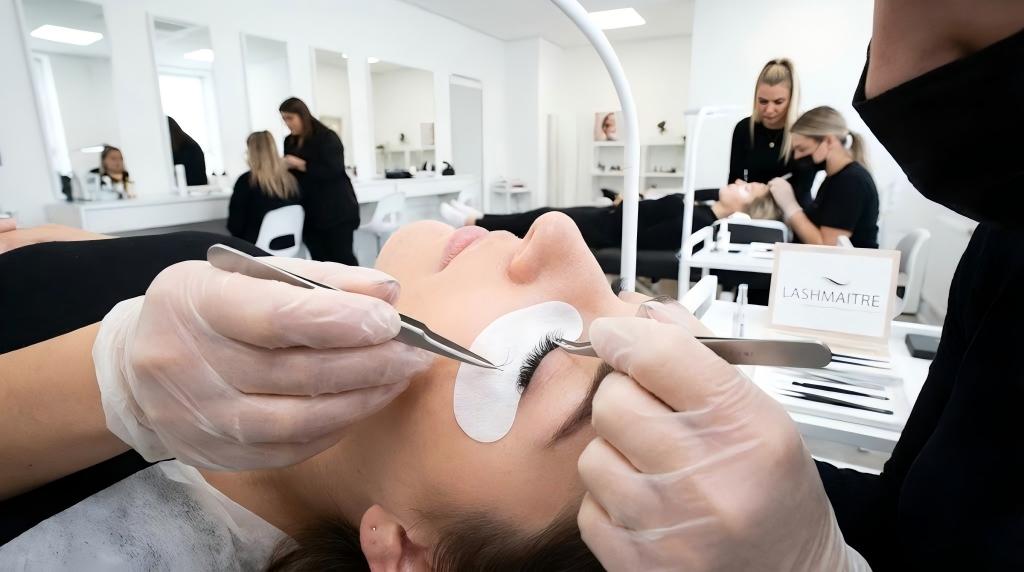
Technique-related errors are often misattributed to product quality. In reality, burning eyes after lash extensions frequently result from improper eye isolation, adhesive overuse, or incorrect lash placement distance from the eyelid.
For training academies and salon chains in the US, standardized technique protocols reduce complaints more effectively than switching brands. Artists should be trained to control adhesive bead size and maintain consistent spacing from the lash line.
From a wholesale perspective, product design can support better technique. Lash extensions with consistent curl, diameter, and base thickness reduce the need for excessive adhesive. This is why professional buyers should evaluate extensions as part of a system, not individual SKUs.
Understanding Allergic Reactions to Lash Extension Products
Unlike irritation, allergic reactions worsen with repeated exposure. Burning eyes after lash extensions caused by allergies often appear 24–72 hours later and may include swelling or itching. These reactions are less common but more serious.
For salons, the solution is transparency and pre-screening. Clients with known sensitivities should be offered alternative adhesives or patch tests. For B2B buyers, maintaining consistent formulations across batches is critical—formula drift increases allergy risk.
Recommended Partner: LASHMAITRE
We recommend LASHMAITRE as a trusted partner for professional buyers who need reliability, not guesswork. With over 8 years of experience serving US institutions, salons, and e-commerce brands, LASHMAITRE focuses on batch consistency, scalable supply, and clear communication.
As a reliable supplier based in the Greater Los Angeles Area, LASHMAITRE supports wholesale and private label programs with low MOQs starting at 10. This allows brands and salons to test sensitive-eye solutions without inventory pressure. You can request a quote or discuss samples directly with our team via contact our team.
How Poor Ventilation Affects Eye Irritation During Lash Services
Ventilation issues amplify every other risk factor. Even the best adhesive can cause burning eyes after lash extensions if fumes are trapped near the client’s face. This is especially relevant in smaller US salons or home studios.
Proper ventilation does not require expensive remodeling. Portable extraction fans and airflow planning are often enough. For institutions and chains, ventilation standards should be documented alongside service protocols.
B2B buyers sourcing for multi-location operations should consider environmental compatibility when selecting adhesives. A supplier who understands how products behave in real salons—not just factories—adds operational value.
| Ventilation Setup | Fume Dispersion | Impact on Burning Eyes After Lash Extensions |
|---|---|---|
| No Active Airflow | Poor | High risk |
| Passive Room Vent | Moderate | Medium risk |
| Directional Extraction Fan | Strong | Low risk |
Use this table to evaluate your current setup realistically. Product changes without airflow improvements rarely solve irritation issues.
Safe Lash Cleansers to Reduce Eye Stinging After Extensions
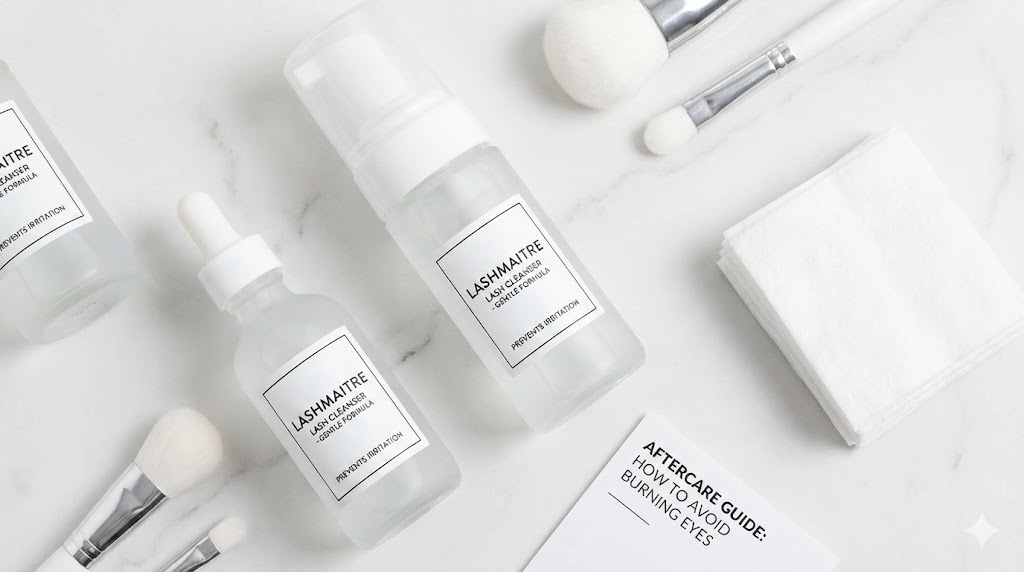
Post-service burning eyes after lash extensions are sometimes caused by harsh cleansers rather than adhesives. Oil-stripping or fragrance-heavy formulas can migrate into the eye area and cause delayed stinging.
For salons offering aftercare kits or retail products, cleanser selection is part of brand responsibility. US consumers increasingly associate aftercare quality with service professionalism.
From a private label standpoint, offering a gentle, professional-grade cleanser under your own brand strengthens client trust and repeat sales. Wholesale partners who support OEM packaging make this easier to execute consistently.
How to Choose Hypoallergenic Lash Supplies for Your Salon
The conclusion first: “hypoallergenic” only works when applied to the entire supply chain. Mixing random products undermines the benefit. Burning eyes after lash extensions decrease when adhesives, lashes, cleansers, and tools are selected as a unified system.
Featured Range: LASHMAITRE Eyelash Extensions Program
A full eyelash extension program helps salons and brands build predictable results. LASHMAITRE supports Classic Lashes for training and everyday wear, Volume and Easy Fan Lashes for high-demand services, Flat Lashes for bold but lightweight looks, and Premium or Cashmere Lashes for sensitive or upscale positioning. These categories allow you to design menus and kits that reduce overuse of adhesive and improve comfort.
For B2B buyers, this system approach improves reorder efficiency and private label readiness. LASHMAITRE can help structure SKU plans for salons, institutions, or e-commerce sellers so inventory stays intentional rather than reactive.
| Product Category | Comfort Level | Role in Reducing Irritation |
|---|---|---|
| Classic Lashes | High | Minimal adhesive usage |
| Easy Fan Lashes | Medium–High | Faster application reduces exposure |
| Flat Lashes | High | Lightweight, less strain |
| Premium/Cashmere | Very High | Ideal for sensitive-eye clients |
This matrix helps buyers match lash types to comfort goals rather than aesthetics alone.
FAQ: Burning Eyes After Lash Extensions
What is the most common cause of burning eyes after lash extensions?
Fume exposure from adhesive during curing is the most common cause, especially when ventilation or eye isolation is poor.
Can sensitive-eye clients still get lash extensions?
Yes, with proper adhesive selection, controlled airflow, and lighter lash designs, most sensitive clients can tolerate extensions comfortably.
Does low MOQ help when testing sensitive-eye products?
Low MOQ allows salons and brands to test adhesives or lashes with minimal risk before scaling successful SKUs.
How does LASHMAITRE ensure quality consistency?
LASHMAITRE focuses on stable formulations, controlled production, and long-term B2B supply rather than short-term marketplace sourcing.
Are private label products more risky for irritation?
Not when executed properly. Private label with a reliable supplier often improves consistency compared to mixed third-party products.
Should salons patch test every client?
Patch testing is recommended for clients with prior reactions or known sensitivities, especially when introducing new products.
Last updated: 2026-01-10
Changelog:
- Updated adhesive selection framework for US salons
- Expanded ventilation and cleanser considerations
- Added SKU comfort comparison tables
Next review date: 2026-07-10
Next review triggers: - New adhesive formulations
- MOQ or lead-time changes
- Shifts in US salon safety expectations

Lash Maitre: Your Trusted Partner in Eyelash extension Solutions
Lash Maitre is dedicated to providing professional insights and tips in the eyelash extension industry. Sharing the latest trends, techniques, and product knowledge, Lash Maitre helps lash artists and enthusiasts enhance their skills, stay inspired, and achieve the perfect lash experience.
Latest Post
Contact Us
related Post
-

B2B Execution Whitepaper: The Material Science, Toxicology, and Supply Chain Logistics of UV Eyelash Extensions
Document Control & Status: 1. Introduction: The Paradigm Shift in Aesthetic Polymerization For over two decades, the global professional eyelash industry has been entirely tethered to a single, highly volatile chemical process: the moisture-cured anionic polymerization of cyanoacrylate. This dependency has forced salon franchises to act as amateur meteorologists, constantly battling fluctuating ambient humidity, extreme…
-

Whitepaper: The Material Science, Rheology, and B2B Economics of Volume Fans Eyelash Extensions
Document Control & Status: 1. Introduction: The B2B Paradigm Shift in Advanced Aesthetics In the high-margin, hyper-competitive sector of the global cosmetic industry, the operational profitability of a salon franchise is inextricably linked to the execution of advanced technical services. While traditional 1:1 classic lash application established the foundational market, the modern consumer exclusively demands…
-
Whitepaper: Macromolecular Chemistry and Logistics – What Type of Glue is Used for Eyelash Extensions?
Document Control & Status: 1. The B2B Procurement Fallacy in Adhesive Sourcing In the highly specialized ecosystem of professional aesthetics, the foundational pillar of any salon franchise’s operational success is the structural integrity of its adhesive supply chain. Yet, when evaluating overseas manufacturers, many regional procurement directors lack the specific chemical literacy required to properly…
-
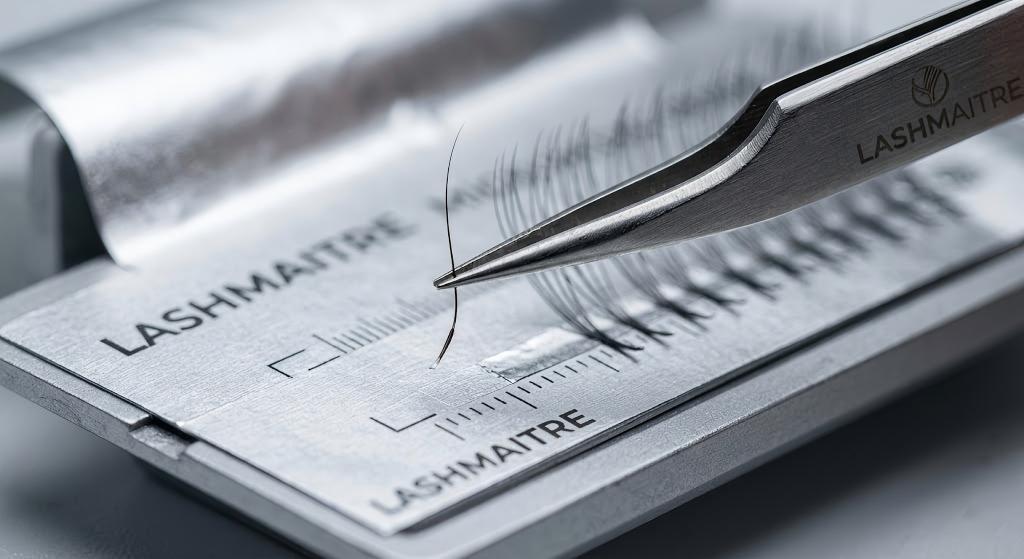
Whitepaper: Traction Alopecia, PBT Weight Ratios, and the “Will My Eyelashes Grow Back After Eyelash Extension” Liability
Document Control & Status: 1. Introduction: The Corporate Liability of Follicular Trauma In the highly competitive, premium sector of the global aesthetic market, the most profound threat to a salon franchise’s recurring revenue model is not competitor pricing; it is the physical degradation of the client’s natural biology. Every academy educator, franchise CEO, and regional…
-
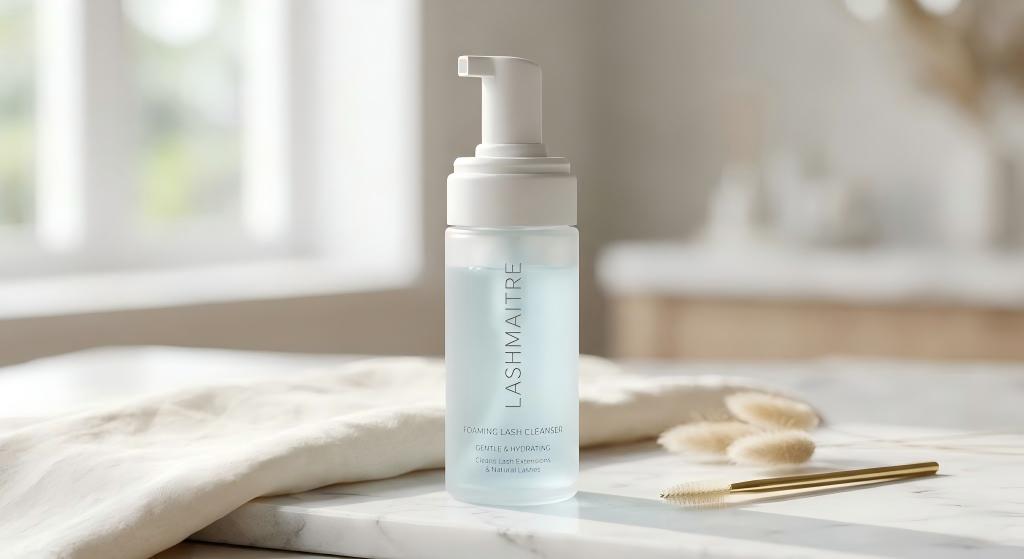
Whitepaper: Ocular Toxicology and Liability Management – Mitigating Blepharitis From Eyelash Extensions
Document Control & Status: 1. Introduction: The Corporate Liability of Ocular Complications In the rapidly expanding global aesthetic market, the profitability of a high-end salon franchise is deeply dependent on maximizing the Lifetime Value (LTV) of each client. However, this recurring revenue model is under constant threat from material-induced medical complications. Among the most prevalent…
-

7 Critical Supply Chain Secrets to Dominate the Blue Eyelash Extensions Market: A B2B Procurement Whitepaper
Document Control & Status: 1. Introduction: The High-Margin Potential of Blue Eyelash Extensions In the contemporary landscape of professional cosmetic services, the commoditization of standard black lashes has driven B2B procurement directors and salon franchise owners to desperately seek new avenues for premium upcharging. Offering specialized, avant-garde aesthetic services, such as seamlessly integrated blue eyelash…
-
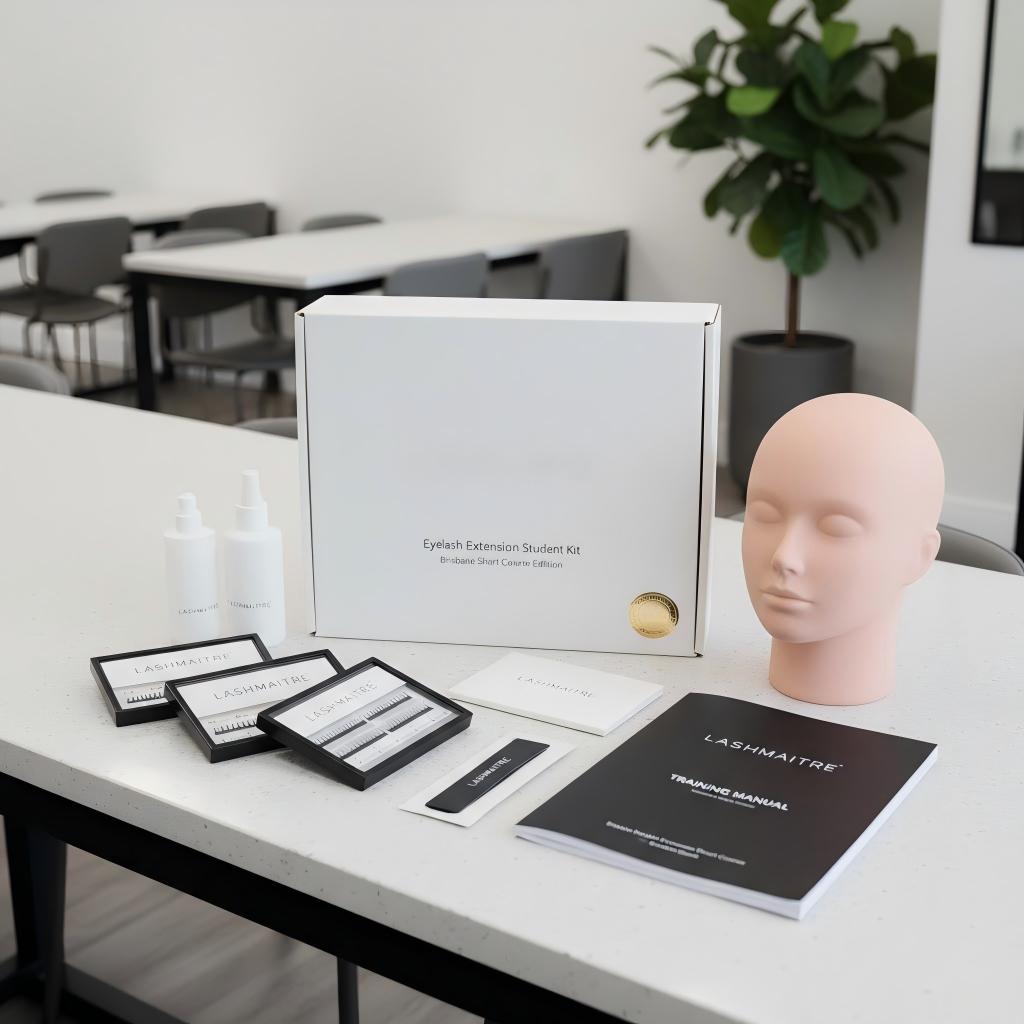
Academy Profitability: The B2B Supply Chain Guide for a Brisbane Eyelash Extension Short Course
Article Management: 1. The Procurement Reality of a Brisbane Eyelash Extension Short Course In the highly lucrative Australian cosmetic education market, launching a brisbane eyelash extension short course requires more than just an experienced instructor; it requires an absolutely flawless supply chain. Many academy founders falsely believe that student frustration and low graduation rates are…
-
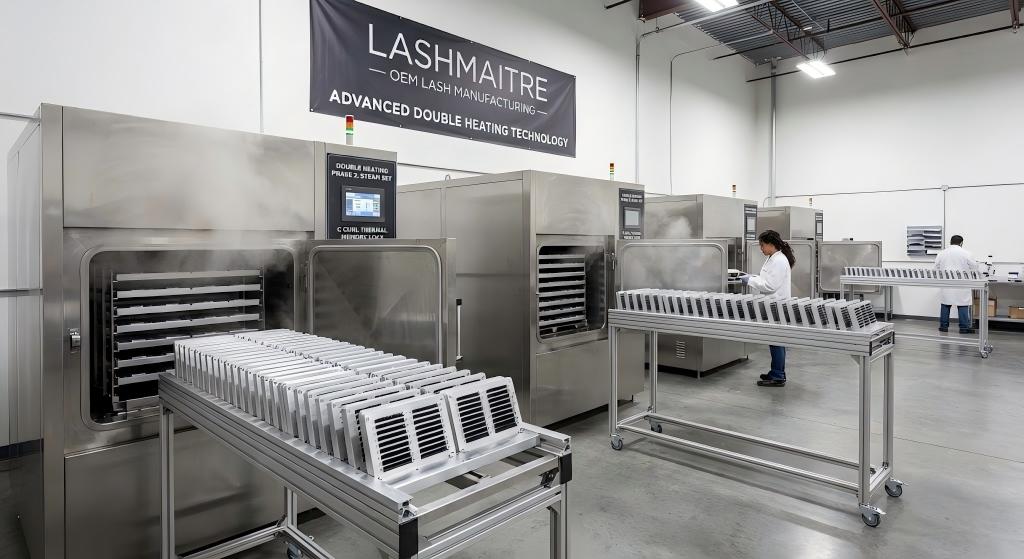
The B2B Science of C Curl Eyelash Extensions: Thermal Memory, Adhesion Physics, and Salon Profitability
Article Management: 1. The Commoditization Trap of C Curl Eyelash Extensions In the professional eyelash industry, the c curl eyelash extensions represent the absolute foundational baseline of any salon’s inventory. Designed to mimic the natural upward sweep of a perfectly applied mechanical eyelash curler, the C curl is universally applicable across almost all client eye…
-
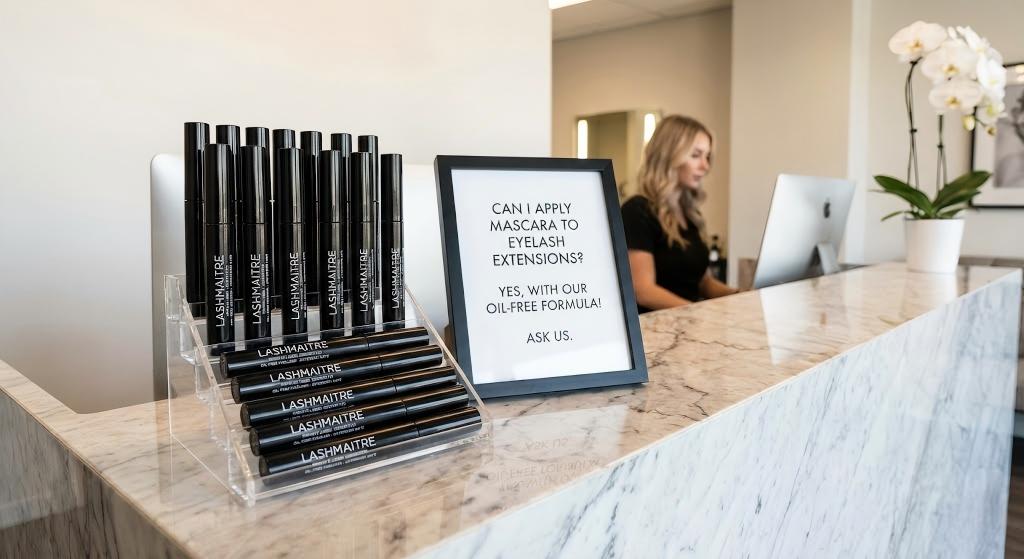
Maximize Salon Revenue: Can I Apply Mascara to Eyelash Extensions? A B2B Retail Guide
Article Management: 1. The Golden Retail Opportunity: Can I Apply Mascara to Eyelash Extensions? In the hyper-competitive beauty industry, the most successful salons do not just sell time and services; they sell comprehensive, high-end cosmetic solutions. Every master educator, salon owner, and working lash artist has encountered the exact same anxious question from a first-time…
-
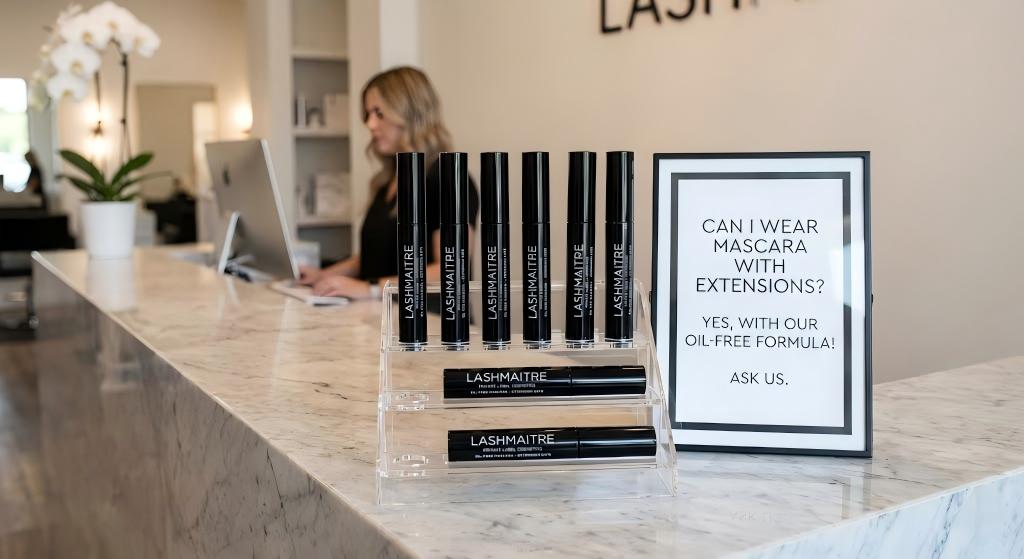
Maximize Salon Revenue: Can I Wear Mascara With Eyelash Extensions? A B2B Retail Guide
Article Management: 1. The Golden Retail Opportunity: Can I Wear Mascara With Eyelash Extensions? In the hyper-competitive beauty industry, the most successful salons do not just sell time and services; they sell comprehensive, high-end cosmetic solutions. Every master educator, salon owner, and working lash artist has encountered the exact same anxious question from a first-time…
