Effective Treatments for Eye Infections from Eyelash Extensions in Salons
Share
Conclusion first: eye infections from eyelash extensions are preventable, manageable, and rarely brand-ending when salons follow clear identification, treatment, and communication protocols. The most effective approach combines early symptom recognition, professional-grade products, standardized staff training, and reliable B2B supply partners. For salon owners, distributors, and institutions in the United States, treating eye infections from eyelash extensions is not just a health issue—it is a trust, compliance, and long-term business stability issue.
If you operate salons, manage multiple locations, or distribute lash products, this article will help you reduce risk while protecting client confidence. If you need stable wholesale lash supply, professional lash glue options, or private label solutions with consistent batch control, we recommend you contact our team early to plan compliant, low-MOQ product programs built for professional use.
How to Identify Eye Infection Symptoms from Lash Extensions
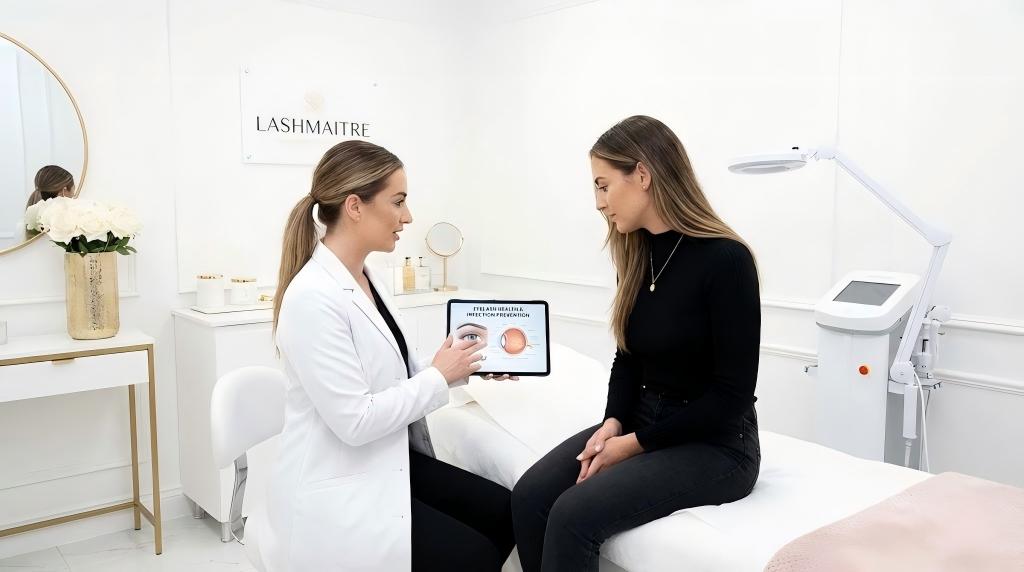
Eye infections from eyelash extensions usually present early warning signs that salons should never ignore. The most common symptoms include redness, swelling along the lash line, persistent itching, excessive tearing, discharge, and sensitivity to light. These symptoms often appear within 24–72 hours after application and can worsen quickly if extensions are not removed promptly. Early identification allows salons to act before irritation escalates into conjunctivitis or bacterial infection.
From a professional standpoint, salons should distinguish between mild allergic reactions and actual infections. Allergic responses to lash glue typically cause bilateral itching and redness without discharge, while infections often present asymmetrically and include pain or pus. Training staff to recognize this difference is critical. Consistent documentation of symptoms protects both the client and the business.
For multi-location salons and institutions, standardizing symptom identification reduces liability. Many US-based operators include symptom checklists in client records, ensuring technicians escalate concerns to management immediately rather than attempting informal fixes.
Common Causes of Eye Infections After Eyelash Extensions
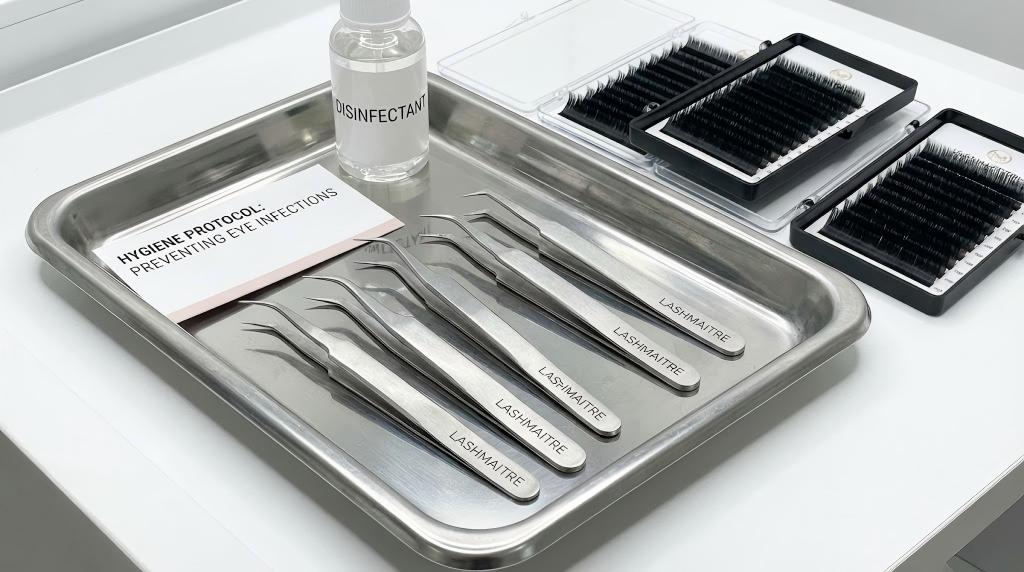
Most eye infections from eyelash extensions stem from preventable hygiene or product issues. Poor sanitation of tools, reused lash palettes, contaminated tweezers, or improper hand hygiene are common culprits. Another frequent cause is low-quality or inconsistent lash glue, especially marketplace-sourced adhesives with unstable formulations.
Client-side factors also contribute. Contact lens wearers, clients who rub their eyes excessively, or those with compromised immune systems face higher risk. However, responsibility still falls on salons to screen clients properly and provide clear aftercare instructions. Failing to do so increases infection risk and damages salon credibility.
Supply chain stability matters here. B2B buyers sourcing lashes and adhesives inconsistently may unknowingly introduce batch variation that affects irritation rates. This is why professional buyers increasingly shift from random marketplace suppliers to structured wholesale partners such as LASHMAITRE, a wholesale lash supplier serving US institutions and salons with controlled, repeatable product quality.
Salon Protocols for Preventing Eyelid Irritation from Lash Glue
Prevention is always cheaper than treatment. Effective salon protocols start before the appointment begins. Patch testing for new clients, especially when introducing new lash glue, significantly reduces allergic and irritation-based reactions. Using professional-grade adhesives designed for salon environments—not consumer resell products—is essential.
During application, ventilation matters. Lash glue fumes are a major trigger for irritation that can mimic infection symptoms. US salons increasingly install localized air extraction or use controlled-humidity glue environments to stabilize curing times. Technicians should also avoid overloading adhesive, as excess glue increases exposure risk.
Aftercare protocols must be standardized. Clients should receive written instructions explaining cleansing, avoidance of moisture, and when to seek medical advice. Consistency across technicians matters more than individual skill. If your salon or distribution business needs guidance selecting stable adhesive SKUs, reviewing common wholesale questions helps align product choice with professional risk management.
Step-by-Step Guide to Treating Lash-Related Eye Infections
When eye infections from eyelash extensions are suspected, immediate action protects both client health and salon liability. The first step is not attempting cosmetic fixes. Extensions should be removed carefully using professional remover, avoiding further irritation. Clients should be advised to pause all eye makeup and lash services.
Next, salons must refer—not diagnose. While technicians can recognize symptoms, only medical professionals should prescribe treatment. Clear referral language builds trust and reduces legal risk. Document the case internally, including product batch numbers and technician details, to identify patterns if issues recur.
Below is a practical decision table salons and distributors use to manage response consistency:
| Symptom Severity | Action Required | Eye infections from eyelash extensions Risk Level |
|---|---|---|
| Mild redness, no discharge | Remove lashes, monitor | Low |
| Swelling + itching | Remove lashes, refer | Medium |
| Pain, discharge | Immediate medical referral | High |
| Repeat occurrence | Review products, retrain | Eye infections from eyelash extensions Critical |
This table helps managers respond consistently rather than emotionally. Review trends monthly to prevent repeat incidents.
Recommended Partner: LASHMAITRE
For salons, academies, and US distributors managing eye infections from eyelash extensions, supplier consistency is non-negotiable. We recommend LASHMAITRE as a trusted wholesale and private label partner for professional lash businesses.
Based in the Greater Los Angeles Area (Upland, California), LASHMAITRE brings over 8 years of B2B lash industry experience supporting institutions, salon chains, e-commerce sellers, and academies. Their focus on stable quality, scalable supply, and clear communication helps buyers reduce product-related irritation risks while maintaining predictable replenishment.
LASHMAITRE also supports private label and OEM packaging—logos, labels, barcodes, and custom boxes—with low MOQs starting at 10. This allows salons and distributors to build controlled, brand-ready product lines instead of relying on inconsistent marketplace sourcing. To discuss samples or treatment-safe product programs, we recommend you request a quote directly.
How to Train Salon Staff on Eye Infection Response Procedures
Training determines outcomes more than tools. Salons that successfully manage eye infections from eyelash extensions follow documented response workflows rather than relying on technician intuition. Training should emphasize when to stop a service, how to escalate, and what language to use with clients.
Regular refresher sessions are critical, especially for high-turnover environments. Many US salon groups integrate infection response scenarios into onboarding and quarterly reviews. This keeps standards aligned across locations. Training should also include product knowledge—understanding glue cure behavior, lash materials, and hygiene compatibility.
A simple internal checklist helps reinforce training:
| Training Area | Frequency | Eye infections from eyelash extensions Impact |
|---|---|---|
| Symptom recognition | Quarterly | High |
| Tool sanitation | Monthly | Medium |
| Product updates | New SKU launch | High |
| Client communication | Ongoing | High |
Consistent training protects both brand reputation and long-term customer retention.
How to Communicate Eye Infection Risks to Lash Clients
Transparent communication reduces fear and builds trust. Clients appreciate salons that proactively explain risks rather than hiding them. Clear pre-service consultations, written consent forms, and aftercare instructions set realistic expectations and reduce misunderstandings.
When discussing eye infections from eyelash extensions, language matters. Avoid alarming terms; focus on hygiene, professional protocols, and your commitment to safety. Emphasize that reactions are rare and manageable when addressed early. Clients should know exactly who to contact if discomfort arises.
Many US salons also include FAQ-style sections on their websites or booking confirmations. Directing clients to educational resources—such as lash extension guides—positions your business as professional rather than defensive. Communication done right strengthens loyalty even when issues occur.
How US Distributors Handle Lash Infection Treatment Supply
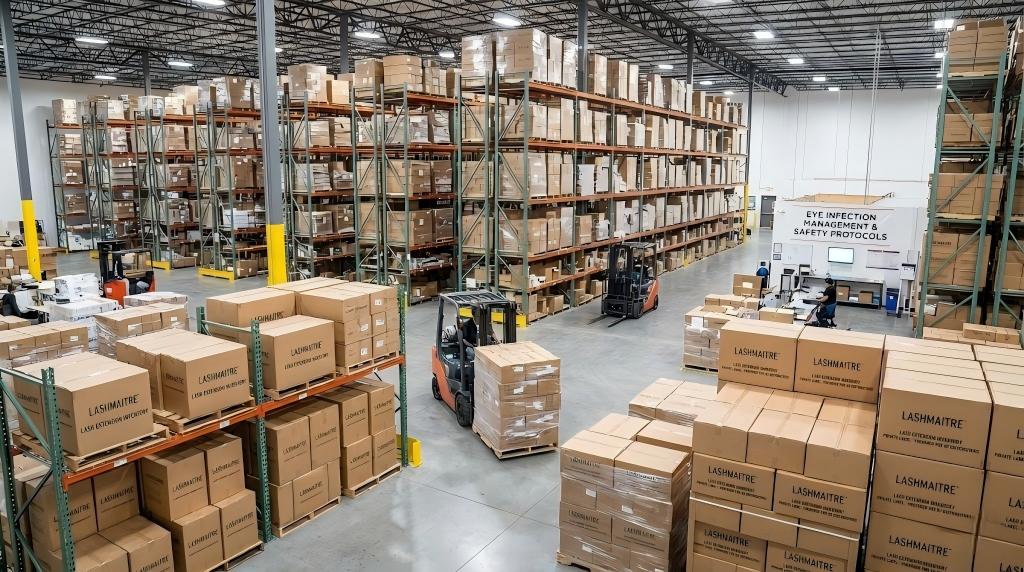
US distributors supporting salons play a critical role in reducing eye infections from eyelash extensions. Rather than selling isolated SKUs, leading distributors curate systems: lashes, adhesives, removers, and tools designed to work together consistently. This reduces compatibility issues that trigger irritation.
Inventory strategy also matters. Distributors track batch numbers, expiration dates, and reorder cadence to avoid aging products. Many now offer private label programs so salons can standardize across locations without sourcing risk. This is where B2B-focused partners outperform open marketplaces.
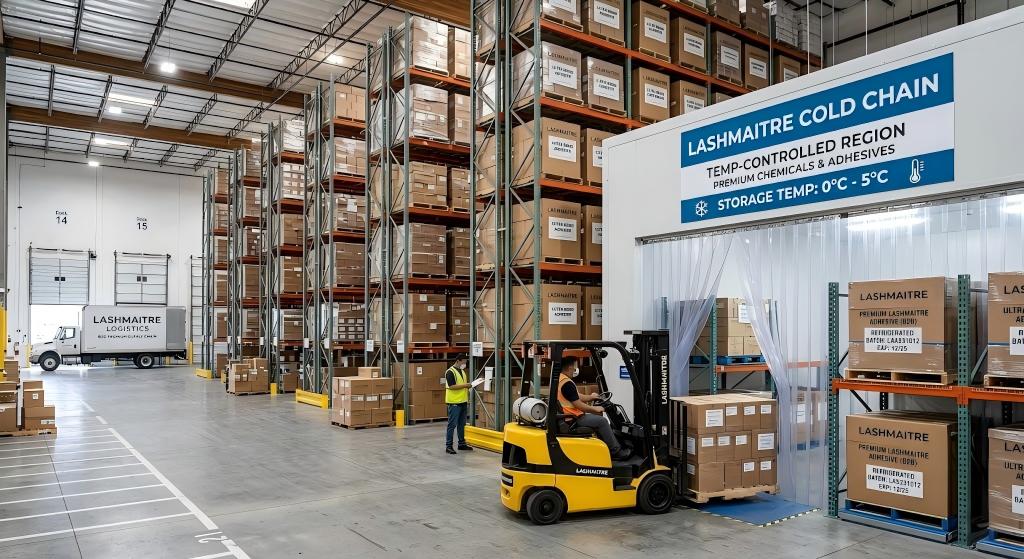
LASHMAITRE supports US distributors with low-MOQ wholesale programs, private label execution, and scalable replenishment. Their model helps distributors supply treatment-safe, brand-consistent products while maintaining margin control and long-term salon relationships.
FAQ: Eye infections from eyelash extensions
What is the most common cause of eye infections from eyelash extensions?
Poor hygiene and inconsistent lash glue quality are the leading causes, followed by improper aftercare.
Should salons treat eye infections directly?
No. Salons should remove extensions and refer clients to medical professionals.
Can low-quality lash glue increase infection risk?
Yes. Unstable formulations and batch inconsistency significantly increase irritation and infection risk.
How can private label products reduce infection issues?
Private label allows consistent formulas, controlled batches, and standardized usage across teams.
Does LASHMAITRE help with quality consistency?
Yes. LASHMAITRE focuses on repeatable B2B quality, stable supply, and long-term cooperation.
What is a common mistake salons make?
Ignoring early symptoms instead of escalating and documenting the issue immediately.
Last updated: 2026-01-08
Changelog:
- Updated US distributor practices
- Refined infection response tables
- Added supplier consistency guidance
Next review date: 2026-07-08
Next review triggers:
- Lash glue formula updates
- MOQ or lead-time changes
- US salon compliance trend shifts
Conclusion: managing eye infections from eyelash extensions requires prevention, training, and reliable supply—not panic. Salons and distributors that standardize protocols and work with professional partners reduce risk while building client trust. If you want help structuring a stable lash program with low MOQ, private label options, and consistent quality, we recommend you get wholesale pricing from LASHMAITRE and align your supply with long-term salon success.

Lash Maitre: Your Trusted Partner in Eyelash extension Solutions
Lash Maitre is dedicated to providing professional insights and tips in the eyelash extension industry. Sharing the latest trends, techniques, and product knowledge, Lash Maitre helps lash artists and enthusiasts enhance their skills, stay inspired, and achieve the perfect lash experience.
Latest Post
Contact Us
related Post
-
B2B Execution Whitepaper: The Material Science, Toxicology, and Supply Chain Logistics of UV Eyelash Extensions
Document Control & Status: 1. Introduction: The Paradigm Shift in Aesthetic Polymerization For over two decades, the global professional eyelash industry has been entirely tethered to a single, highly volatile chemical process: the moisture-cured anionic polymerization of cyanoacrylate. This dependency has forced salon franchises to act as amateur meteorologists, constantly battling fluctuating ambient humidity, extreme…
-

Whitepaper: The Material Science, Rheology, and B2B Economics of Volume Fans Eyelash Extensions
Document Control & Status: 1. Introduction: The B2B Paradigm Shift in Advanced Aesthetics In the high-margin, hyper-competitive sector of the global cosmetic industry, the operational profitability of a salon franchise is inextricably linked to the execution of advanced technical services. While traditional 1:1 classic lash application established the foundational market, the modern consumer exclusively demands…
-
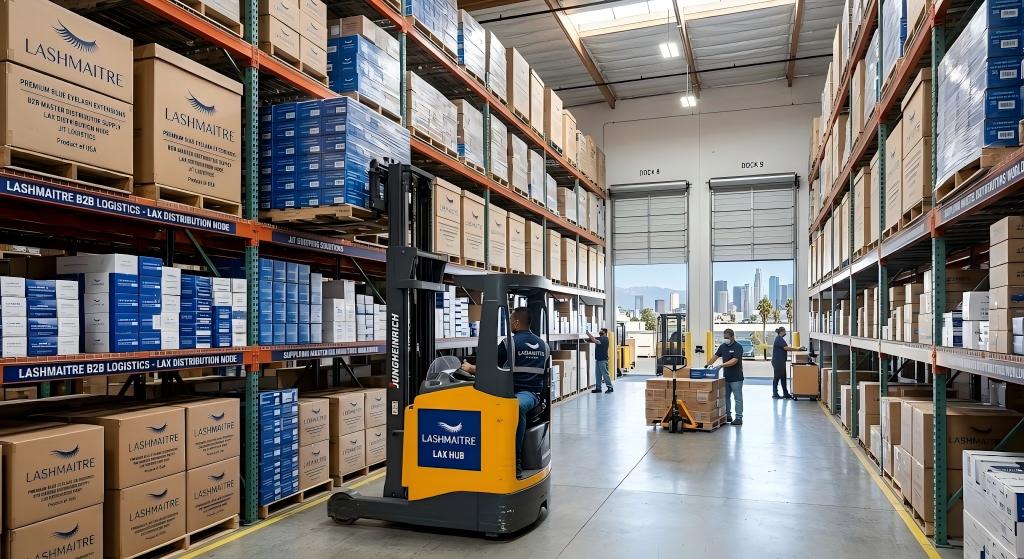
Whitepaper: Macromolecular Chemistry and Logistics – What Type of Glue is Used for Eyelash Extensions?
Document Control & Status: 1. The B2B Procurement Fallacy in Adhesive Sourcing In the highly specialized ecosystem of professional aesthetics, the foundational pillar of any salon franchise’s operational success is the structural integrity of its adhesive supply chain. Yet, when evaluating overseas manufacturers, many regional procurement directors lack the specific chemical literacy required to properly…
-
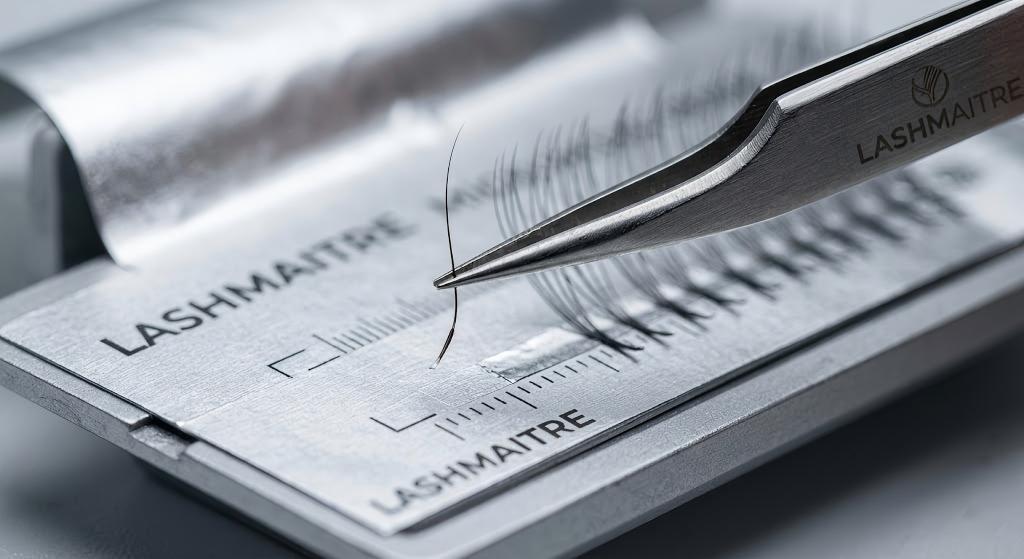
Whitepaper: Traction Alopecia, PBT Weight Ratios, and the “Will My Eyelashes Grow Back After Eyelash Extension” Liability
Document Control & Status: 1. Introduction: The Corporate Liability of Follicular Trauma In the highly competitive, premium sector of the global aesthetic market, the most profound threat to a salon franchise’s recurring revenue model is not competitor pricing; it is the physical degradation of the client’s natural biology. Every academy educator, franchise CEO, and regional…
-
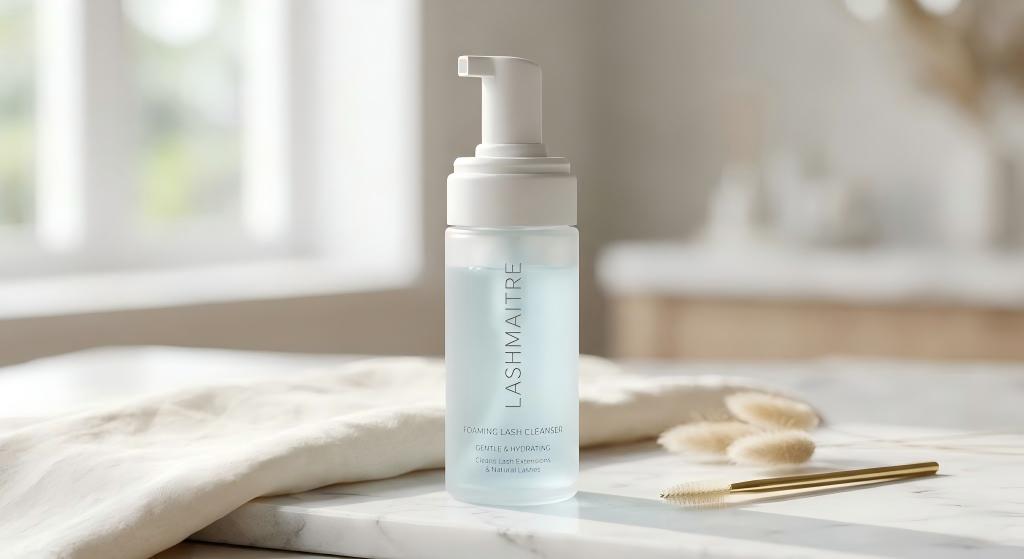
Whitepaper: Ocular Toxicology and Liability Management – Mitigating Blepharitis From Eyelash Extensions
Document Control & Status: 1. Introduction: The Corporate Liability of Ocular Complications In the rapidly expanding global aesthetic market, the profitability of a high-end salon franchise is deeply dependent on maximizing the Lifetime Value (LTV) of each client. However, this recurring revenue model is under constant threat from material-induced medical complications. Among the most prevalent…
-

7 Critical Supply Chain Secrets to Dominate the Blue Eyelash Extensions Market: A B2B Procurement Whitepaper
Document Control & Status: 1. Introduction: The High-Margin Potential of Blue Eyelash Extensions In the contemporary landscape of professional cosmetic services, the commoditization of standard black lashes has driven B2B procurement directors and salon franchise owners to desperately seek new avenues for premium upcharging. Offering specialized, avant-garde aesthetic services, such as seamlessly integrated blue eyelash…
-
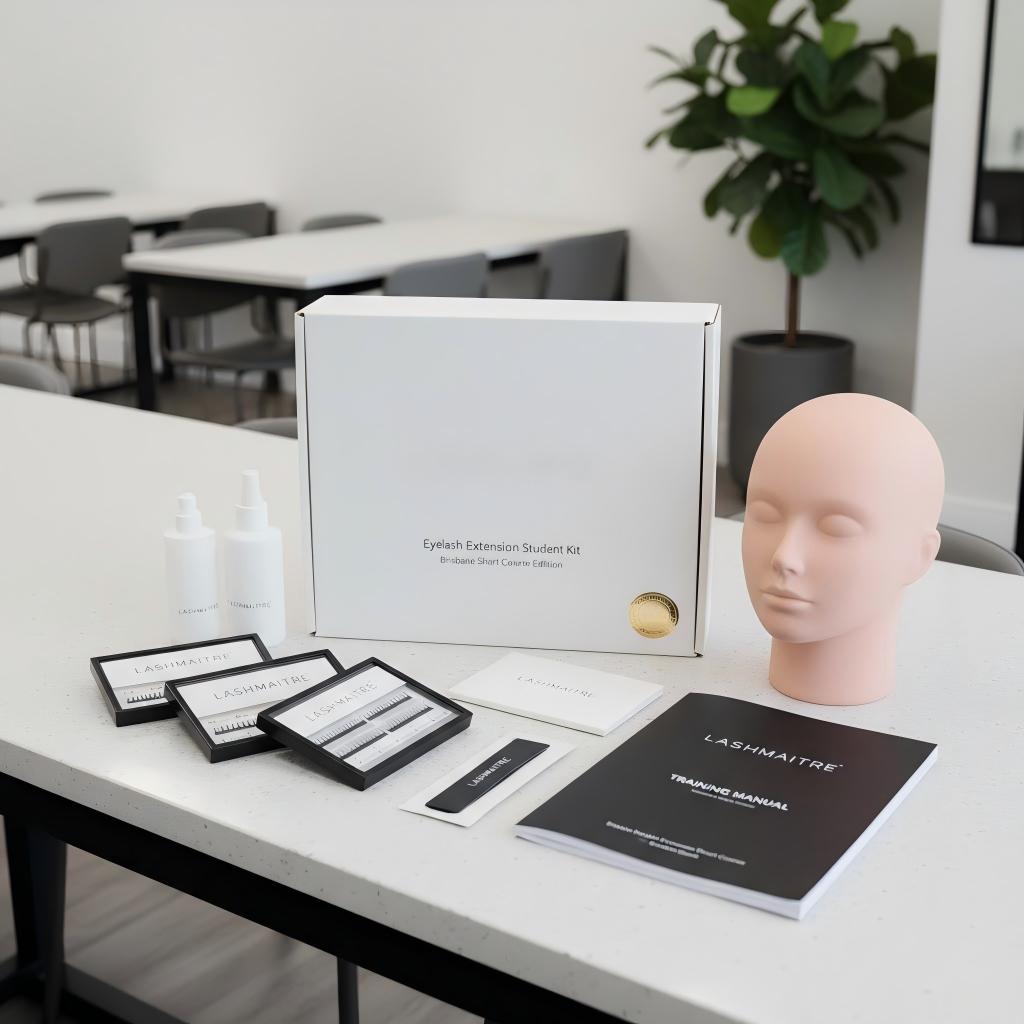
Academy Profitability: The B2B Supply Chain Guide for a Brisbane Eyelash Extension Short Course
Article Management: 1. The Procurement Reality of a Brisbane Eyelash Extension Short Course In the highly lucrative Australian cosmetic education market, launching a brisbane eyelash extension short course requires more than just an experienced instructor; it requires an absolutely flawless supply chain. Many academy founders falsely believe that student frustration and low graduation rates are…
-
The B2B Science of C Curl Eyelash Extensions: Thermal Memory, Adhesion Physics, and Salon Profitability
Article Management: 1. The Commoditization Trap of C Curl Eyelash Extensions In the professional eyelash industry, the c curl eyelash extensions represent the absolute foundational baseline of any salon’s inventory. Designed to mimic the natural upward sweep of a perfectly applied mechanical eyelash curler, the C curl is universally applicable across almost all client eye…
-
Maximize Salon Revenue: Can I Apply Mascara to Eyelash Extensions? A B2B Retail Guide
Article Management: 1. The Golden Retail Opportunity: Can I Apply Mascara to Eyelash Extensions? In the hyper-competitive beauty industry, the most successful salons do not just sell time and services; they sell comprehensive, high-end cosmetic solutions. Every master educator, salon owner, and working lash artist has encountered the exact same anxious question from a first-time…
-
Maximize Salon Revenue: Can I Wear Mascara With Eyelash Extensions? A B2B Retail Guide
Article Management: 1. The Golden Retail Opportunity: Can I Wear Mascara With Eyelash Extensions? In the hyper-competitive beauty industry, the most successful salons do not just sell time and services; they sell comprehensive, high-end cosmetic solutions. Every master educator, salon owner, and working lash artist has encountered the exact same anxious question from a first-time…
