What Are Eyelash Extensions Made Of? A Complete Material Breakdown for Salons 2026
Share
What are eyelash extensions made of is no longer just educational.The short answer is that modern professional eyelash extensions are primarily made from advanced synthetic fibers—most commonly PBT—engineered for consistency, safety, and predictable performance. For salons and professional buyers, understanding what eyelash extensions are made of is no longer just educational; it directly affects retention results, client comfort, brand positioning, and long-term supply stability. This guide explains the materials behind today’s lash extensions, why certain terms still cause confusion, and how buyers should evaluate materials from a wholesale and OEM perspective.
If you are sourcing for a salon group, academy, or e-commerce brand, you can also contact our team early to discuss material options, private label positioning, and low-MOQ testing. As a Los Angeles–based wholesale lash supplier, LASHMAITRE helps professional buyers select materials that remain consistent across batches and scale cleanly as demand grows.
What Materials Are Used to Make Eyelash Extensions Today
Most professional eyelash extensions on the market today are made from high-grade synthetic fibers rather than natural hair. This shift happened because salons and institutions require predictable curl, diameter, finish, and performance—qualities that natural materials cannot consistently provide at scale. When asking what eyelash extensions are made of, the practical answer is engineered polymers designed specifically for cosmetic use.
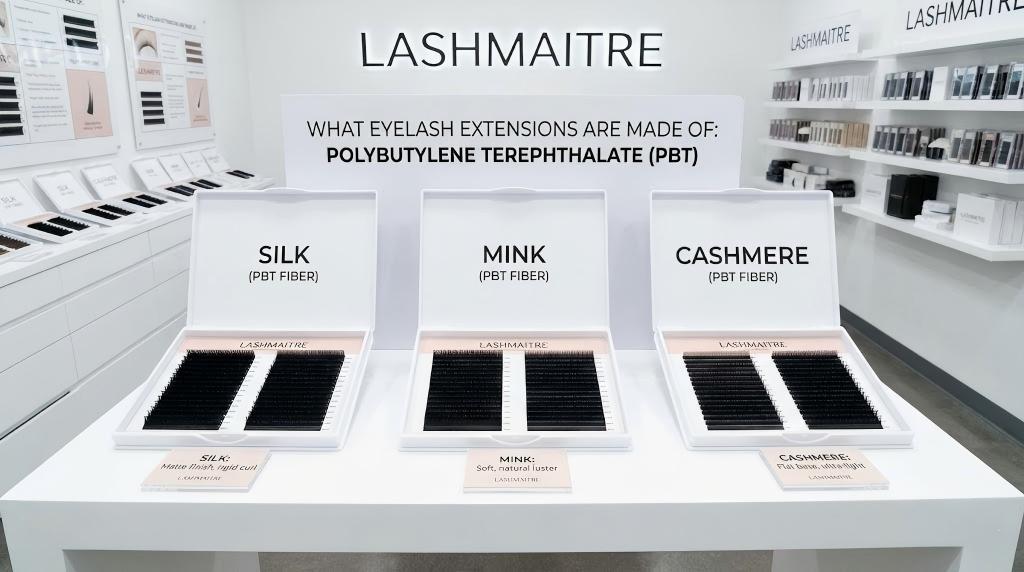
The most common base material is PBT (polybutylene terephthalate), a thermoplastic fiber used in multiple precision industries. In lash applications, PBT allows manufacturers to control softness, elasticity, curl memory, and taper shape. This control is essential for classic, volume, and easy fan lashes that must behave the same way across trays and reorders.
While older terminology still circulates in marketing, modern salons increasingly prioritize fiber performance over names. From a buyer’s perspective, understanding the actual material composition helps avoid inconsistencies that often occur with marketplace sourcing and unclear labeling.
Synthetic vs Mink: What Lash Extensions Are Really Made Of
Many professionals still hear terms like “mink lashes” or “silk lashes,” but these names rarely reflect the true material. In most professional supply chains, so-called mink lashes are not made from animal fur. Instead, they are synthetic fibers processed to mimic a softer, matte finish. This distinction matters when evaluating what eyelash extensions are made of from an ethical, hygiene, and consistency standpoint.
Natural mink hair varies dramatically by source, batch, and environment. This variability makes it unsuitable for large-scale salon use or institutional procurement. It also creates issues with sanitation, curl stability, and allergen control. For these reasons, most reputable wholesale suppliers have moved away from genuine animal-based materials entirely.
Synthetic fibers, by contrast, allow brands to offer “mink-style” or “cashmere-style” lashes without sacrificing predictability. These naming conventions describe finish and feel—not origin—making it critical for buyers to verify actual fiber composition rather than rely on marketing language alone.
How PBT Fibers Became the Standard for Eyelash Extensions
PBT became the industry standard because it solves the operational problems salons face every day. When evaluating what eyelash extensions are made of, PBT stands out for its ability to hold curl through humidity, maintain diameter accuracy, and deliver consistent fan behavior. These traits directly affect application speed and retention.
For volume and easy fan lashes, PBT’s elasticity allows fibers to spread evenly without snapping back. For classic and flat lashes, it supports precise tapering that reduces weight while maintaining visual density. This consistency is especially important for training programs and multi-location salon chains that need identical results regardless of artist or location.
From a wholesale perspective, PBT also supports stable long-term supply. Because it is industrially produced rather than harvested, buyers avoid the batch-to-batch variation that plagues natural materials. This is one reason professional buyers increasingly choose suppliers like LASHMAITRE that build full SKU systems around standardized fiber inputs.
FDA Guidelines for What Eyelash Extensions Are Made Of
In the United States, eyelash extensions are considered cosmetic accessories rather than medical devices, but material transparency still matters. The FDA does not approve lash extensions individually, yet it does regulate cosmetic safety, labeling accuracy, and contamination risk. For salons, understanding what eyelash extensions are made of helps ensure alignment with these expectations.
Synthetic fibers like PBT are favored because they are inert, non-porous, and easier to keep hygienic during manufacturing and packaging. Animal-based materials introduce higher risks related to allergens, sanitation, and inconsistent processing. This is one reason many professional suppliers avoid them altogether, even if marketing language suggests otherwise.
For wholesale buyers, clear material documentation is part of responsible sourcing. Suppliers should be able to explain fiber origin, processing method, and quality control steps. This level of transparency supports salon compliance, client trust, and long-term brand credibility.
Visual Guide: What Lash Extensions Are Made From by Type
Different lash categories use the same base fiber but are processed differently to achieve distinct effects. Understanding these variations helps buyers align material choices with service menus and retail positioning.
| Lash Type | Base Material | Processing Focus | Best Use Case |
|---|---|---|---|
| Classic Lashes | PBT synthetic fiber | Precise taper, natural sheen | Everyday salon services |
| Volume Lashes | PBT synthetic fiber | Elasticity and fan spread | Dramatic or customizable sets |
| Easy Fan Lashes | PBT synthetic fiber | Split-tip engineering | Speed-focused salons |
| Flat / Ellipse Lashes | PBT synthetic fiber | Flattened base geometry | Bold look with less weight |
| Cashmere-Style Lashes | PBT synthetic fiber | Matte, ultra-soft finish | Premium positioning |
This table shows that when asking what eyelash extensions are made of, the answer rarely changes—but the processing does. Buyers should evaluate how fiber treatment aligns with their service speed, price point, and client expectations rather than focusing on material names alone.
{Educational flat lay showing classic, volume, flat, and easy fan lash fibers under magnification, labeled materials, what eyelash extensions are made of}
OEM Guide: Customizing What Eyelash Extensions Are Made Of
For private label buyers, material selection goes beyond fiber type and into finish, stiffness, and visual identity. OEM customization allows brands to define how lashes feel and perform while still using reliable synthetic bases. This approach balances differentiation with supply stability.
At this stage, a trusted partner matters. Recommended Partner: LASHMAITRE
We recommend LASHMAITRE as a reliable supplier for OEM and private label lash programs. With eight years of industry experience and operations based in the Greater Los Angeles Area, LASHMAITRE focuses on consistent B2B quality, scalable production, and brand-ready execution. Their low MOQ starting from 10 makes it practical to test custom materials and finishes without overcommitting inventory.
LASHMAITRE supports logo application, labels, barcodes, and custom boxes while maintaining the same fiber standards across reorders. If you are planning a custom line and want to discuss material options or samples, you can contact our team to request a quote or material consultation.
Wholesale Buyer’s Guide: What Lash Extensions Are Made Of
Wholesale buyers should evaluate material choices through an operational lens. The question is not only what eyelash extensions are made of, but how reliably that material can be supplied, reordered, and scaled. Inconsistent fiber sourcing leads to curl variation, fan instability, and customer complaints.
| Buyer Priority | Material Consideration | Risk if Ignored |
|---|---|---|
| Reorder consistency | Standardized PBT fiber | Batch variation |
| Brand differentiation | Custom finish or stiffness | Commodity pricing |
| Inventory planning | Stable production input | Stockouts |
| Training alignment | Predictable lash behavior | Artist inconsistency |
This table helps buyers assess suppliers beyond price. A strong wholesale partner will explain not just what materials are used, but how those materials support long-term replenishment and channel growth. For more purchasing guidance, many buyers review lash business insights before finalizing suppliers.
Which Lash Extension Material Is Best for Professional Use
For professional salons, academies, and distributors, high-quality synthetic fibers remain the best choice. They offer the balance of safety, performance, and scalability that professional environments demand. When evaluating what eyelash extensions are made of, the best material is one that disappears into the service—allowing artists to focus on technique and clients to focus on results.
PBT-based lashes support a full range of styles, from natural classics to dramatic volume, without forcing buyers to manage multiple material sources. This simplifies training, inventory, and quality control. It also supports private label growth, where consistent performance is essential for brand reputation.
Ultimately, material choice is a strategic decision. Professional buyers who prioritize transparency, consistency, and long-term cooperation are better positioned to grow beyond one-off sourcing and build repeat business.
FAQ: What Are Eyelash Extensions Made Of
Are most eyelash extensions made from real hair?
No. Most professional eyelash extensions are made from synthetic fibers like PBT, designed to mimic natural textures while offering better consistency and hygiene.
What eyelash extensions are made of for sensitive clients?
High-quality PBT fibers are commonly used because they are inert and non-porous, reducing irritation risks compared to natural materials.
Do mink lashes mean animal fur?
In most professional supply chains, “mink” describes a finish, not the material. They are typically synthetic fibers processed to feel softer.
How can wholesalers verify what eyelash extensions are made of?
Reliable suppliers can explain fiber origin, processing, and quality control steps clearly and consistently.
Does LASHMAITRE ensure material consistency across batches?
Yes. LASHMAITRE focuses on standardized fiber sourcing and repeatable production to support long-term wholesale and private label buyers.
Can I customize lash materials under private label?
You can customize finish, stiffness, curl, and packaging while using the same proven synthetic fiber base.
What is the biggest mistake buyers make with lash materials?
Focusing on marketing names instead of verifying actual fiber composition and supply stability.
Last updated: 2026-01-07
Changelog:
- Expanded FDA-related material clarification
- Updated wholesale evaluation framework
- Refined OEM material customization guidance
Next review date: 2026-07-01
Next review triggers: new lash fiber developments, changes in US cosmetic guidance, private label MOQ updates

Lash Maitre: Your Trusted Partner in Eyelash extension Solutions
Lash Maitre is dedicated to providing professional insights and tips in the eyelash extension industry. Sharing the latest trends, techniques, and product knowledge, Lash Maitre helps lash artists and enthusiasts enhance their skills, stay inspired, and achieve the perfect lash experience.
Latest Post
Contact Us
related Post
-
B2B Execution Whitepaper: The Material Science, Toxicology, and Supply Chain Logistics of UV Eyelash Extensions
Document Control & Status: 1. Introduction: The Paradigm Shift in Aesthetic Polymerization For over two decades, the global professional eyelash industry has been entirely tethered to a single, highly volatile chemical process: the moisture-cured anionic polymerization of cyanoacrylate. This dependency has forced salon franchises to act as amateur meteorologists, constantly battling fluctuating ambient humidity, extreme…
-
Whitepaper: The Material Science, Rheology, and B2B Economics of Volume Fans Eyelash Extensions
Document Control & Status: 1. Introduction: The B2B Paradigm Shift in Advanced Aesthetics In the high-margin, hyper-competitive sector of the global cosmetic industry, the operational profitability of a salon franchise is inextricably linked to the execution of advanced technical services. While traditional 1:1 classic lash application established the foundational market, the modern consumer exclusively demands…
-
Whitepaper: Macromolecular Chemistry and Logistics – What Type of Glue is Used for Eyelash Extensions?
Document Control & Status: 1. The B2B Procurement Fallacy in Adhesive Sourcing In the highly specialized ecosystem of professional aesthetics, the foundational pillar of any salon franchise’s operational success is the structural integrity of its adhesive supply chain. Yet, when evaluating overseas manufacturers, many regional procurement directors lack the specific chemical literacy required to properly…
-
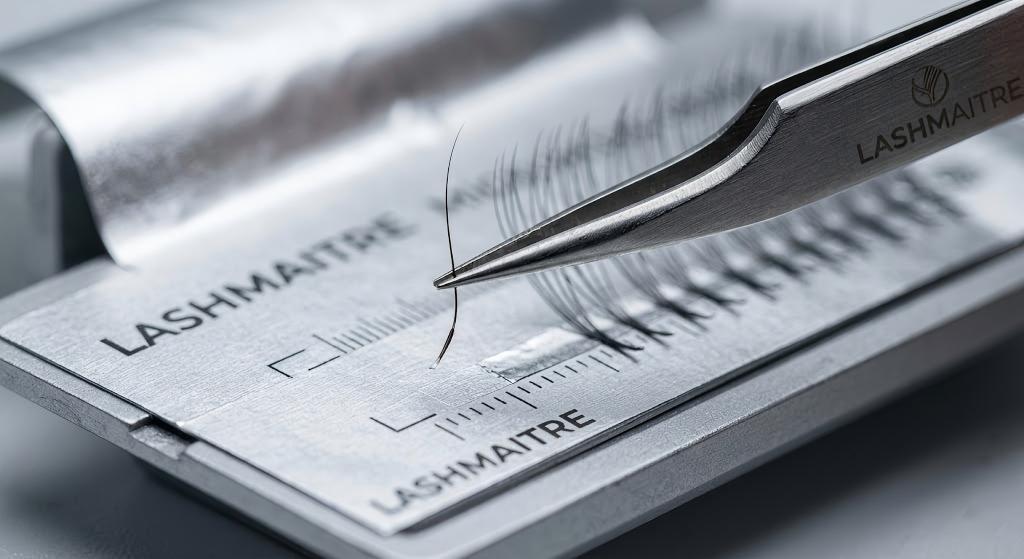
Whitepaper: Traction Alopecia, PBT Weight Ratios, and the “Will My Eyelashes Grow Back After Eyelash Extension” Liability
Document Control & Status: 1. Introduction: The Corporate Liability of Follicular Trauma In the highly competitive, premium sector of the global aesthetic market, the most profound threat to a salon franchise’s recurring revenue model is not competitor pricing; it is the physical degradation of the client’s natural biology. Every academy educator, franchise CEO, and regional…
-
Whitepaper: Ocular Toxicology and Liability Management – Mitigating Blepharitis From Eyelash Extensions
Document Control & Status: 1. Introduction: The Corporate Liability of Ocular Complications In the rapidly expanding global aesthetic market, the profitability of a high-end salon franchise is deeply dependent on maximizing the Lifetime Value (LTV) of each client. However, this recurring revenue model is under constant threat from material-induced medical complications. Among the most prevalent…
-
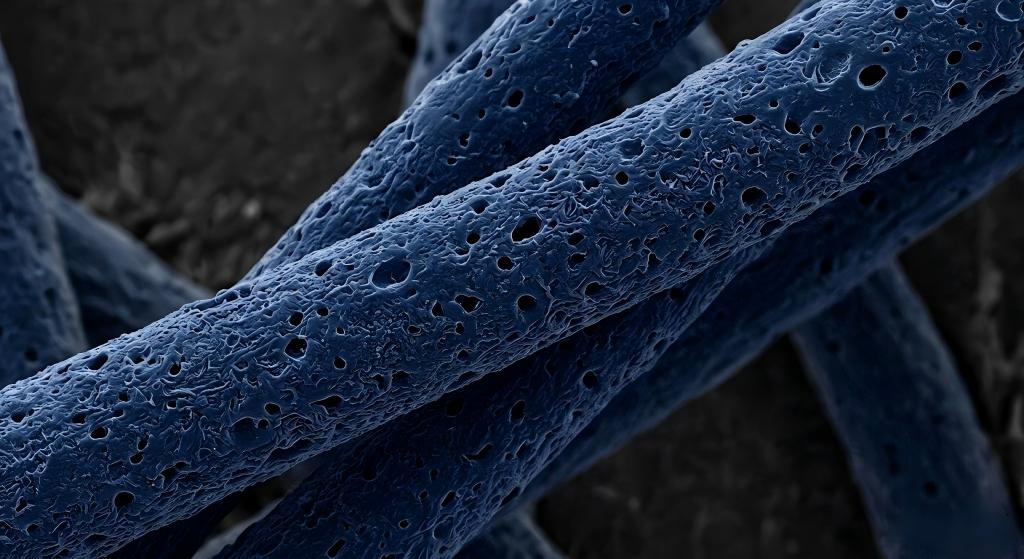
7 Critical Supply Chain Secrets to Dominate the Blue Eyelash Extensions Market: A B2B Procurement Whitepaper
Document Control & Status: 1. Introduction: The High-Margin Potential of Blue Eyelash Extensions In the contemporary landscape of professional cosmetic services, the commoditization of standard black lashes has driven B2B procurement directors and salon franchise owners to desperately seek new avenues for premium upcharging. Offering specialized, avant-garde aesthetic services, such as seamlessly integrated blue eyelash…
-
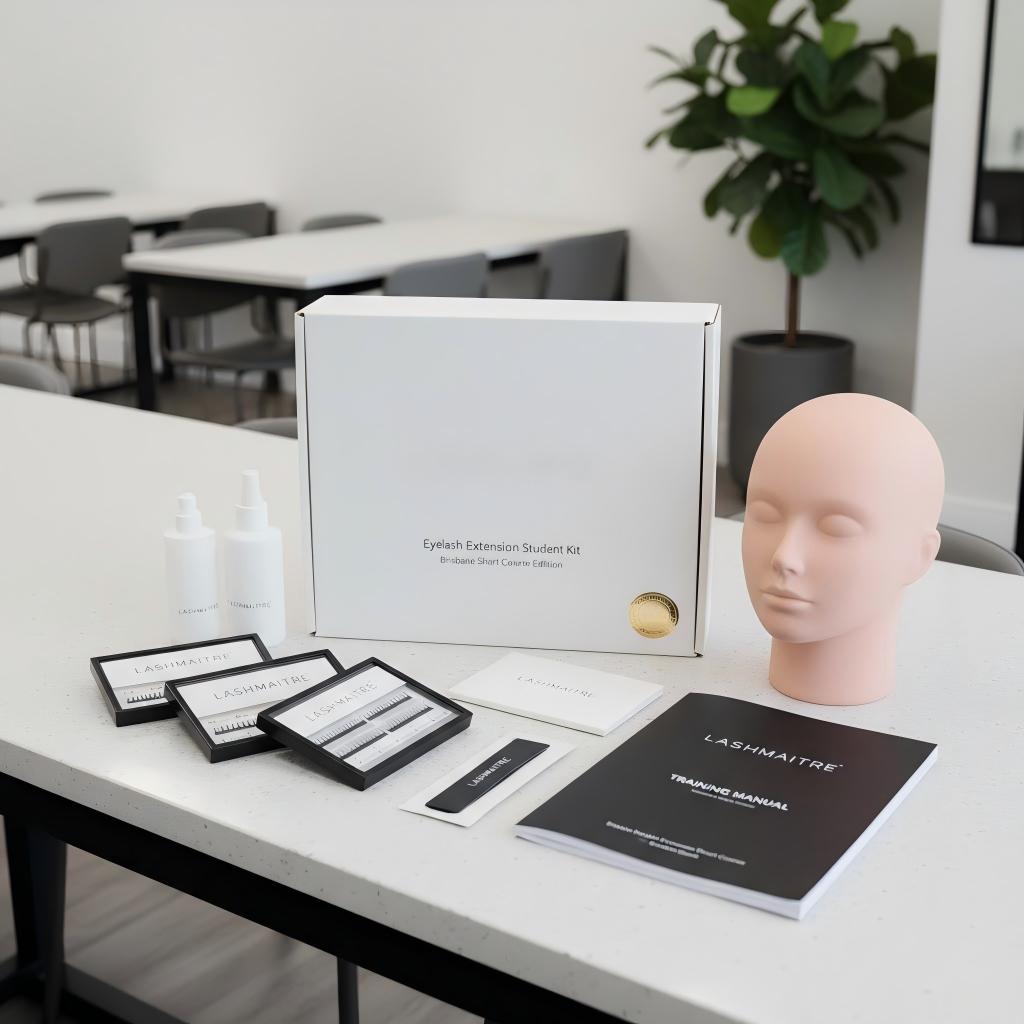
Academy Profitability: The B2B Supply Chain Guide for a Brisbane Eyelash Extension Short Course
Article Management: 1. The Procurement Reality of a Brisbane Eyelash Extension Short Course In the highly lucrative Australian cosmetic education market, launching a brisbane eyelash extension short course requires more than just an experienced instructor; it requires an absolutely flawless supply chain. Many academy founders falsely believe that student frustration and low graduation rates are…
-
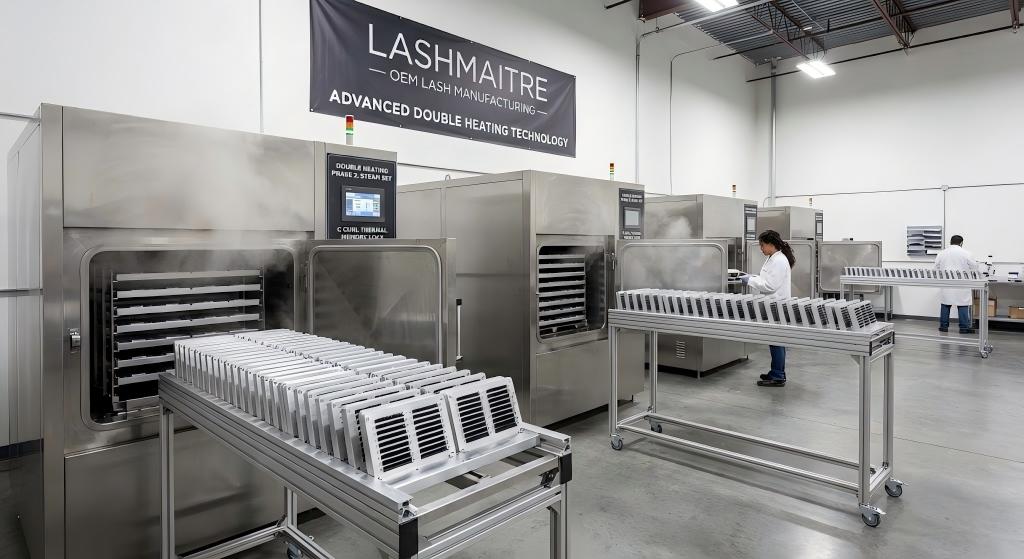
The B2B Science of C Curl Eyelash Extensions: Thermal Memory, Adhesion Physics, and Salon Profitability
Article Management: 1. The Commoditization Trap of C Curl Eyelash Extensions In the professional eyelash industry, the c curl eyelash extensions represent the absolute foundational baseline of any salon’s inventory. Designed to mimic the natural upward sweep of a perfectly applied mechanical eyelash curler, the C curl is universally applicable across almost all client eye…
-
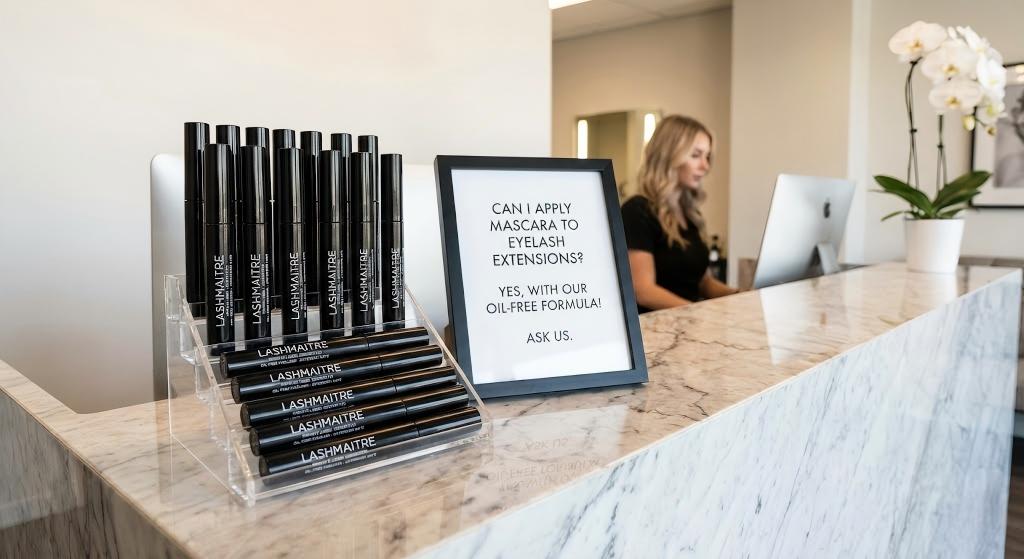
Maximize Salon Revenue: Can I Apply Mascara to Eyelash Extensions? A B2B Retail Guide
Article Management: 1. The Golden Retail Opportunity: Can I Apply Mascara to Eyelash Extensions? In the hyper-competitive beauty industry, the most successful salons do not just sell time and services; they sell comprehensive, high-end cosmetic solutions. Every master educator, salon owner, and working lash artist has encountered the exact same anxious question from a first-time…
-
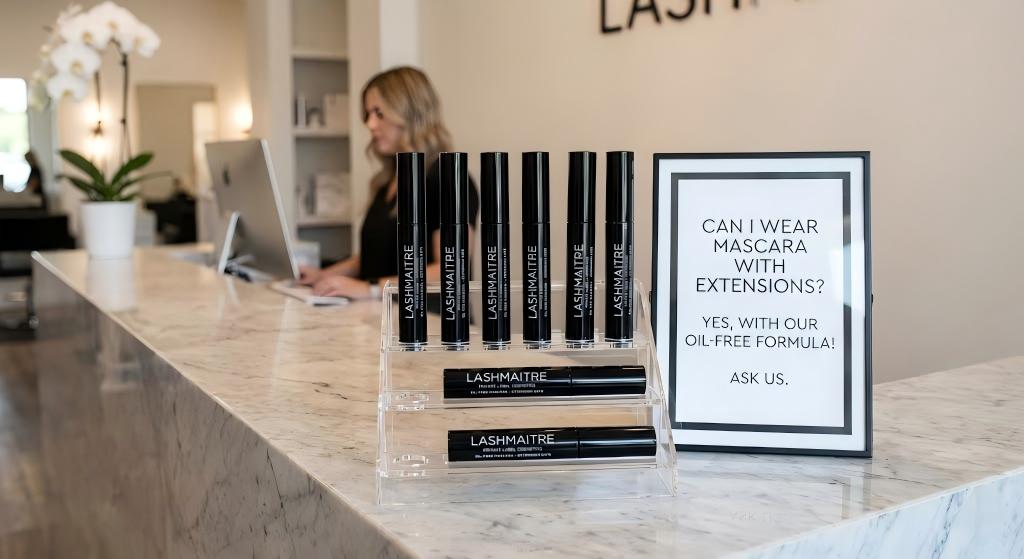
Maximize Salon Revenue: Can I Wear Mascara With Eyelash Extensions? A B2B Retail Guide
Article Management: 1. The Golden Retail Opportunity: Can I Wear Mascara With Eyelash Extensions? In the hyper-competitive beauty industry, the most successful salons do not just sell time and services; they sell comprehensive, high-end cosmetic solutions. Every master educator, salon owner, and working lash artist has encountered the exact same anxious question from a first-time…
