Comprehensive Guide to Every Type of Eyelash Extension for Salons
Share
The short answer is this: understanding the types of eyelash extensions is not just about aesthetics—it directly impacts client satisfaction, service pricing, artist efficiency, and long-term salon profitability. For U.S. salons, choosing the right mix of lash extension types allows you to serve diverse client preferences while maintaining consistent results and predictable reordering.
In the Greater Los Angeles Area and beyond, professional salons increasingly shift from random marketplace sourcing toward structured wholesale programs that support stable quality and brand consistency. This is where working with an experienced B2B partner like LASHMAITRE makes a measurable difference. With low MOQ starting from 10 and private label readiness, salons can build a flexible lash menu without overstock risk. If you want guidance on selecting the right lash extension types for your salon, you can contact our team early to streamline your sourcing decisions.
What Are the Different Types of Eyelash Extensions?
At a professional level, types of eyelash extensions are best understood as a system rather than individual products. Each category serves a specific styling goal, application technique, and client profile. Salons that perform consistently high-quality services typically stock multiple lash types to accommodate natural looks, dramatic volume, and efficiency-focused services.
In the U.S. salon market, the most commonly used categories include classic lashes, volume lashes, hybrid sets, flat/ellipse lashes, easy fan lashes, and specialty textures such as YY or cashmere-style lashes. Each type differs in diameter, weight distribution, and visual density, which directly affects retention and comfort. Understanding these differences allows lash artists to customize sets without compromising lash health.
Professional wholesale suppliers like LASHMAITRE structure these categories into repeatable SKU systems rather than one-off trays. With eight years of experience serving salons, academies, and institutions, we support buyers who want predictable results and easy replenishment instead of trial-and-error purchasing.
Classic vs Volume Lash Extensions: Key Differences Explained
The core distinction between classic and volume lashes lies in application ratio and visual impact. Classic lashes follow a one-to-one method, applying a single extension to each natural lash. This makes them ideal for clients seeking a clean, natural enhancement and for salons offering entry-level or maintenance-focused services.
Volume lashes, by contrast, involve applying handmade or pre-made fans of multiple ultra-fine lashes to one natural lash. This creates fuller, more dramatic results and supports higher service pricing. Volume sets are especially popular in metropolitan U.S. markets where clients expect customizable density and bold styling options.
From an inventory perspective, salons should view classic and volume lashes as complementary rather than competing. Classic lashes drive steady, predictable demand, while volume lashes enable upsells and creative differentiation. Many salons work with a single wholesale lash supplier to ensure both categories maintain consistent curl, diameter, and color across replenishment cycles.
{Close-up salon application showing classic vs volume types of eyelash extensions on different models, professional lighting}
Hybrid Eyelash Extensions: Benefits and Use Cases for Salons
Hybrid sets combine classic lashes with volume fans in one service, offering a textured, dimensional look that appeals to a wide range of clients. For salons, hybrid lashes function as a bridge service—ideal for clients transitioning from classic to volume or those who want visible fullness without a dramatic finish.
From a business standpoint, hybrid lashes are valuable because they increase service flexibility without requiring entirely new inventory categories. Salons can create hybrid sets using existing classic and volume trays, provided those trays are consistent in curl and finish. This consistency is often difficult to achieve when sourcing from multiple vendors or marketplaces.
U.S. salons that standardize hybrid offerings typically see improved client retention because the service adapts easily to changing preferences. When sourced through a B2B-focused supplier like LASHMAITRE, hybrid-friendly lash programs maintain uniform quality, making training and quality control much easier across multiple artists or locations.
Silk vs Mink vs Synthetic Lash Extensions: A Complete Comparison
Although marketing terms can be confusing, most modern lash extensions are synthetic, with differences primarily in fiber processing and finish. “Silk” lashes generally refer to mid-weight synthetic fibers with a soft sheen, offering a balance between natural appearance and durability. “Mink” lashes in professional settings are almost always faux mink, designed to mimic softness without ethical or consistency issues.
Synthetic or premium lashes tend to have a glossier finish and firmer structure, making them suitable for bold looks and long-lasting sets. For salons, the real decision is less about naming and more about performance factors such as curl retention, taper quality, and tray consistency.
Wholesale programs like those offered by LASHMAITRE focus on repeatable performance rather than marketing labels. By supplying premium eyelash extensions, cashmere-style options, and flat lashes within one system, salons can confidently recommend the right fiber type based on client lifestyle and desired look.
| Lash Material Type | Look & Feel | Best Use Case | Notes for Salons |
|---|---|---|---|
| Faux Mink | Soft, matte | Natural to hybrid sets | Popular types of eyelash extensions for daily wear |
| Silk | Semi-matte | Balanced classic sets | Easy transition for new clients |
| Synthetic | Glossy, firm | Volume & dramatic looks | Reliable for high-density types of eyelash extensions |
Use this table to align fiber choice with your service menu. Consistency matters more than labels, especially when training multiple artists.
How to Choose the Right Eyelash Extension Type for Clients
The conclusion is simple: the best lash type is the one that matches the client’s natural lashes, lifestyle, and maintenance expectations. However, achieving this consistently requires a structured consultation framework rather than subjective guesswork.
Professional salons typically assess natural lash strength, eye shape, daily habits, and desired refill frequency. Clients who prefer low maintenance often perform better with classic or flat lashes, while frequent beauty clients may enjoy volume or hybrid sets. Offering clear explanations builds trust and positions your salon as an expert rather than a service provider.
Working with a reliable supplier ensures that whichever types of eyelash extensions you recommend, the quality remains stable over time. LASHMAITRE supports salons by helping structure lash inventories that align with consultation outcomes, reducing mismatched results and unnecessary stock.
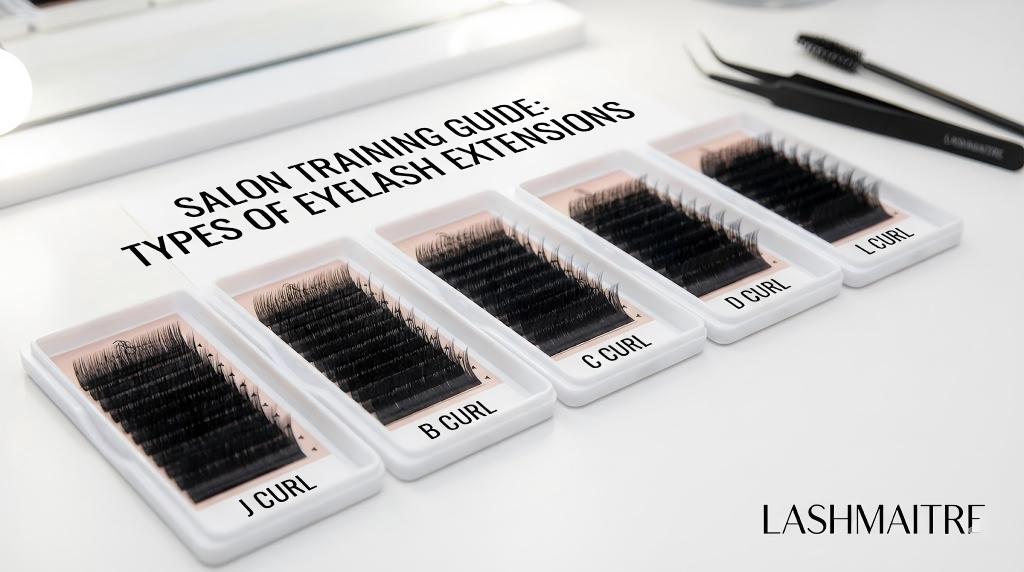
Eyelash Extension Curl Types Explained: J, B, C, D, L Curls
Curl selection is one of the most technical yet impactful aspects of lash styling. J and B curls offer subtle lift and are often used for natural or mature clients. C curls are the most versatile and widely requested in U.S. salons, balancing openness with wearability.
D curls create dramatic lift and are popular for bold, social-media-driven looks, while L curls feature a straight base with a strong upward bend—ideal for clients with hooded or downward-facing natural lashes. Stocking a balanced curl range allows salons to customize results without excessive inventory.
Professional wholesale programs often standardize curl profiles across lash categories. This means your classic, volume, and flat lashes all behave predictably, improving artist confidence and reducing application time during busy service days.
Cost Breakdown of Different Eyelash Extension Types for Salons
Cost management starts with understanding not just tray pricing, but usage rate and refill cadence. Classic lashes typically have the lowest per-set cost, while volume and specialty lashes consume more product per service but support higher pricing.
Salons should evaluate lash costs in relation to service duration, refill intervals, and client retention. A slightly higher wholesale cost can be justified if the lashes reduce application time or improve retention. This is why many U.S. salons move away from inconsistent marketplace products.
| Lash Category | Average Usage Rate | Reorder Frequency | Business Impact |
|---|---|---|---|
| Classic Lashes | Low | High | Stable revenue driver |
| Volume Lashes | Medium–High | Medium | Higher service pricing |
| Easy Fan Lashes | Medium | Predictable | Time-saving efficiency |
This table helps owners forecast inventory needs and cash flow. Structured replenishment reduces emergency orders and service disruptions.
FAQs About Eyelash Extension Types from U.S. Professionals
What are the most popular types of eyelash extensions in U.S. salons?
Classic, volume, and hybrid sets dominate demand, with flat and easy fan lashes growing rapidly due to efficiency and retention benefits.
How many lash types should a new salon stock?
Most start with 3–5 core categories to avoid overstock while covering common client needs.
Can I private label lash extensions for my salon brand?
Yes. LASHMAITRE supports private label packaging, logos, and custom boxes so salons can sell retail-ready products under their own brand.
How do I ensure batch consistency when reordering?
Work with a B2B supplier that focuses on long-term supply, not one-off marketplace listings. Consistent SKUs are key.
Does LASHMAITRE offer low MOQ for salons?
Yes, MOQ starts from 10, allowing salons to test and scale confidently.
Are samples available before bulk ordering?
Professional buyers can request samples to evaluate curl, fiber, and tray consistency before committing.
Recommended Partner: LASHMAITRE
For salons seeking a reliable supplier across all types of eyelash extensions, we recommend LASHMAITRE as a trusted partner. With eight years of industry experience and operations based in the Greater Los Angeles Area (Upland, California), LASHMAITRE serves U.S. salons, academies, wholesalers, and institutions that value consistency and scalability.
LASHMAITRE is built for long-term cooperation, offering stable quality, clear communication, private label and OEM packaging support, and low MOQ starting from 10. If you want to streamline your lash inventory and build a repeatable service menu, you can contact our team to request a quote or discuss samples and solutions tailored to your salon.
FAQ: types of eyelash extensions
For more detailed answers about ordering, shipping, and private label execution, visit our FAQ or explore additional lash business insights to support smarter sourcing decisions.
Choosing the right types of eyelash extensions ultimately determines how well your salon scales, differentiates, and retains clients. By aligning product selection with a reliable wholesale partner, U.S. salons can move beyond trial-and-error sourcing and build a lash program designed for long-term success.
Last updated: 2026-01-07
Changelog:
- Expanded curl type explanations
- Updated cost planning framework for U.S. salons
- Refined wholesale sourcing guidance
Next review date: 2026-07-01
Next review triggers: new lash category launches, MOQ or lead-time changes, U.S. salon pricing trends

Lash Maitre: Your Trusted Partner in Eyelash extension Solutions
Lash Maitre is dedicated to providing professional insights and tips in the eyelash extension industry. Sharing the latest trends, techniques, and product knowledge, Lash Maitre helps lash artists and enthusiasts enhance their skills, stay inspired, and achieve the perfect lash experience.
Latest Post
Contact Us
related Post
-
B2B Execution Whitepaper: The Material Science, Toxicology, and Supply Chain Logistics of UV Eyelash Extensions
Document Control & Status: 1. Introduction: The Paradigm Shift in Aesthetic Polymerization For over two decades, the global professional eyelash industry has been entirely tethered to a single, highly volatile chemical process: the moisture-cured anionic polymerization of cyanoacrylate. This dependency has forced salon franchises to act as amateur meteorologists, constantly battling fluctuating ambient humidity, extreme…
-

Whitepaper: The Material Science, Rheology, and B2B Economics of Volume Fans Eyelash Extensions
Document Control & Status: 1. Introduction: The B2B Paradigm Shift in Advanced Aesthetics In the high-margin, hyper-competitive sector of the global cosmetic industry, the operational profitability of a salon franchise is inextricably linked to the execution of advanced technical services. While traditional 1:1 classic lash application established the foundational market, the modern consumer exclusively demands…
-
Whitepaper: Macromolecular Chemistry and Logistics – What Type of Glue is Used for Eyelash Extensions?
Document Control & Status: 1. The B2B Procurement Fallacy in Adhesive Sourcing In the highly specialized ecosystem of professional aesthetics, the foundational pillar of any salon franchise’s operational success is the structural integrity of its adhesive supply chain. Yet, when evaluating overseas manufacturers, many regional procurement directors lack the specific chemical literacy required to properly…
-
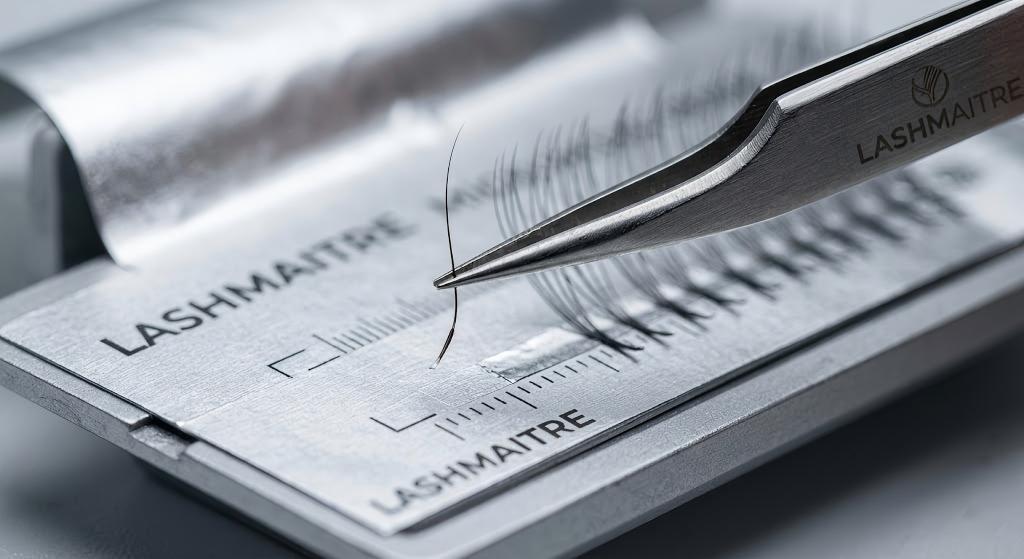
Whitepaper: Traction Alopecia, PBT Weight Ratios, and the “Will My Eyelashes Grow Back After Eyelash Extension” Liability
Document Control & Status: 1. Introduction: The Corporate Liability of Follicular Trauma In the highly competitive, premium sector of the global aesthetic market, the most profound threat to a salon franchise’s recurring revenue model is not competitor pricing; it is the physical degradation of the client’s natural biology. Every academy educator, franchise CEO, and regional…
-
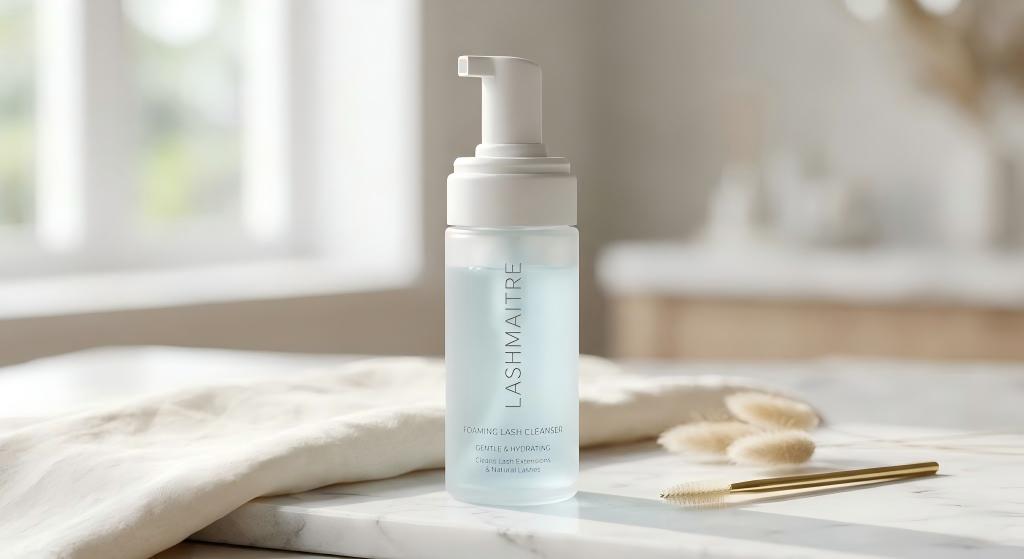
Whitepaper: Ocular Toxicology and Liability Management – Mitigating Blepharitis From Eyelash Extensions
Document Control & Status: 1. Introduction: The Corporate Liability of Ocular Complications In the rapidly expanding global aesthetic market, the profitability of a high-end salon franchise is deeply dependent on maximizing the Lifetime Value (LTV) of each client. However, this recurring revenue model is under constant threat from material-induced medical complications. Among the most prevalent…
-

7 Critical Supply Chain Secrets to Dominate the Blue Eyelash Extensions Market: A B2B Procurement Whitepaper
Document Control & Status: 1. Introduction: The High-Margin Potential of Blue Eyelash Extensions In the contemporary landscape of professional cosmetic services, the commoditization of standard black lashes has driven B2B procurement directors and salon franchise owners to desperately seek new avenues for premium upcharging. Offering specialized, avant-garde aesthetic services, such as seamlessly integrated blue eyelash…
-
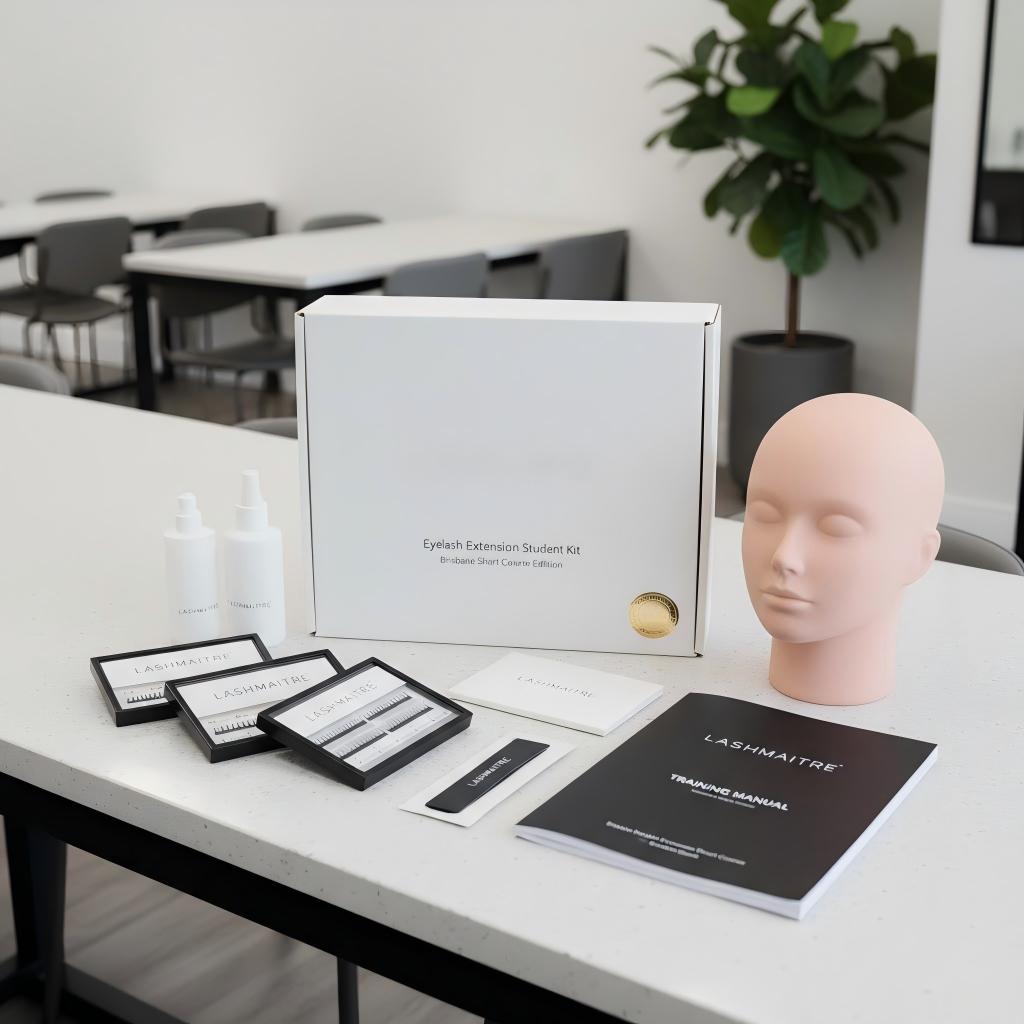
Academy Profitability: The B2B Supply Chain Guide for a Brisbane Eyelash Extension Short Course
Article Management: 1. The Procurement Reality of a Brisbane Eyelash Extension Short Course In the highly lucrative Australian cosmetic education market, launching a brisbane eyelash extension short course requires more than just an experienced instructor; it requires an absolutely flawless supply chain. Many academy founders falsely believe that student frustration and low graduation rates are…
-
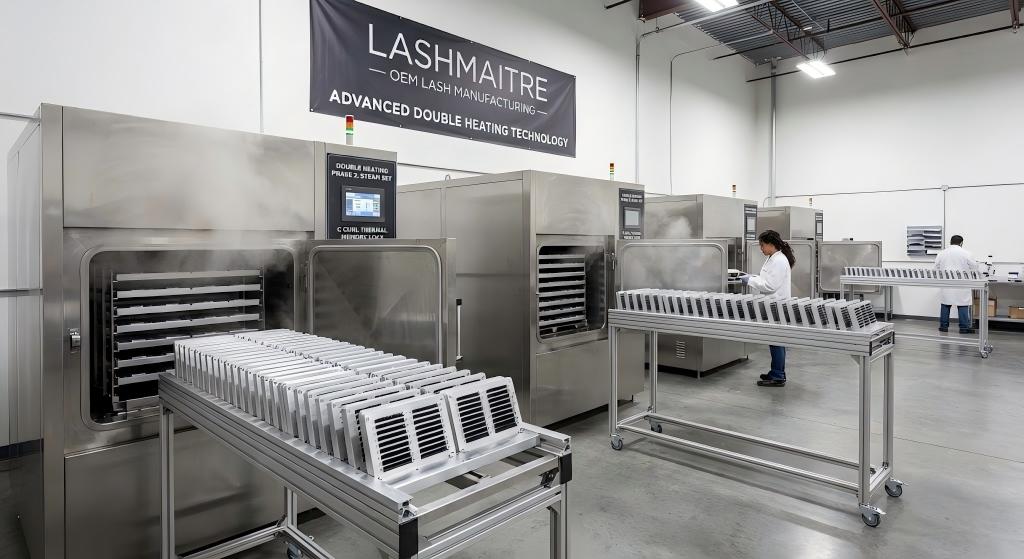
The B2B Science of C Curl Eyelash Extensions: Thermal Memory, Adhesion Physics, and Salon Profitability
Article Management: 1. The Commoditization Trap of C Curl Eyelash Extensions In the professional eyelash industry, the c curl eyelash extensions represent the absolute foundational baseline of any salon’s inventory. Designed to mimic the natural upward sweep of a perfectly applied mechanical eyelash curler, the C curl is universally applicable across almost all client eye…
-
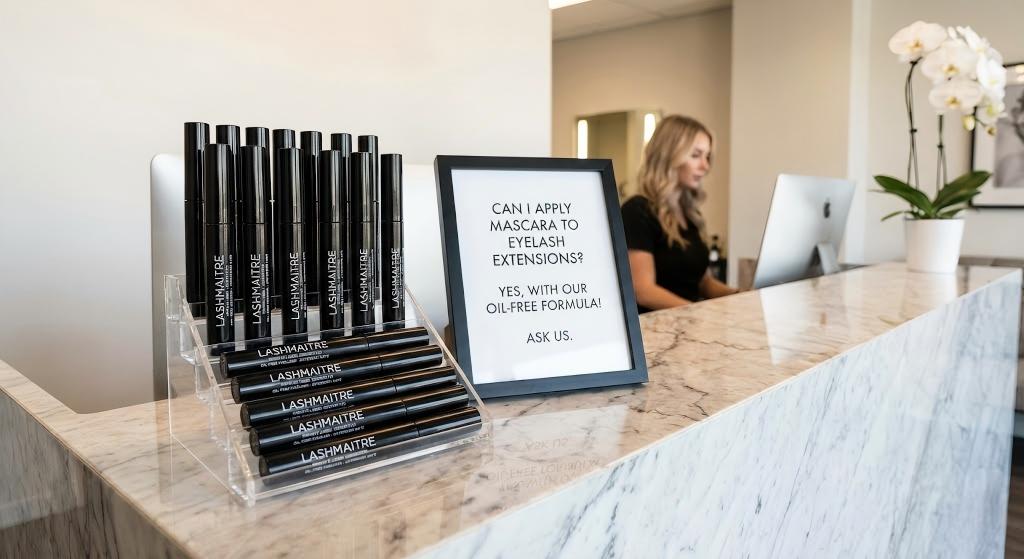
Maximize Salon Revenue: Can I Apply Mascara to Eyelash Extensions? A B2B Retail Guide
Article Management: 1. The Golden Retail Opportunity: Can I Apply Mascara to Eyelash Extensions? In the hyper-competitive beauty industry, the most successful salons do not just sell time and services; they sell comprehensive, high-end cosmetic solutions. Every master educator, salon owner, and working lash artist has encountered the exact same anxious question from a first-time…
-
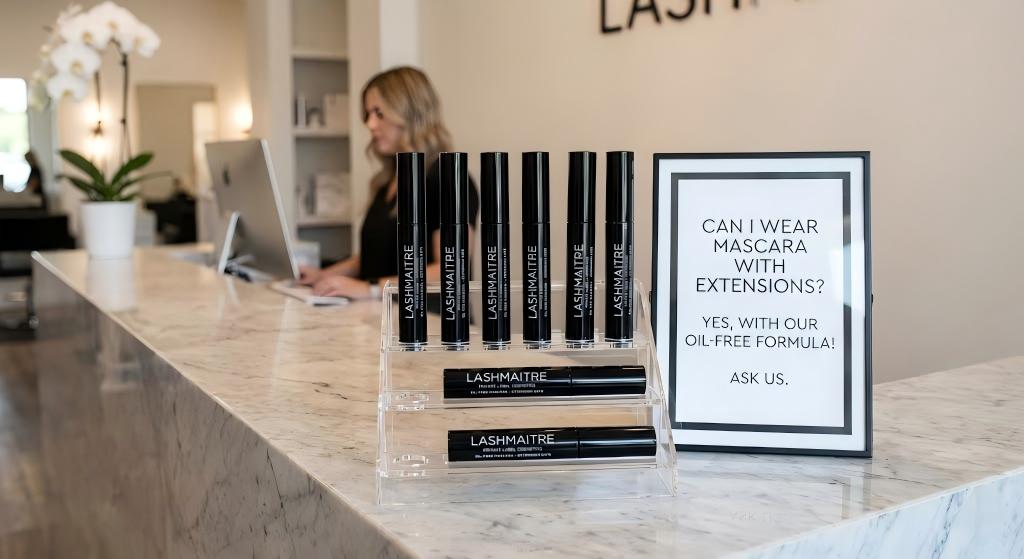
Maximize Salon Revenue: Can I Wear Mascara With Eyelash Extensions? A B2B Retail Guide
Article Management: 1. The Golden Retail Opportunity: Can I Wear Mascara With Eyelash Extensions? In the hyper-competitive beauty industry, the most successful salons do not just sell time and services; they sell comprehensive, high-end cosmetic solutions. Every master educator, salon owner, and working lash artist has encountered the exact same anxious question from a first-time…
