Understanding Sudden Allergic Reactions to Eyelash Extensions in Salons
Share
The conclusion is simple but critical: sudden allergic reactions to eyelash extensions are rarely “random.” They are usually the result of cumulative exposure, inconsistent product quality, or gaps in salon protocols rather than a single mistake. For U.S. salons, academies, and distributors, managing this risk requires better product selection, standardized testing, and team-level training—not just reacting when a client has a problem.
In the first 100 words, it’s important to be clear: sudden allergic reactions to eyelash extensions are becoming more visible across U.S. salons because client exposure is increasing, product sourcing is fragmented, and many businesses rely on marketplace supplies with inconsistent batches. Addressing this proactively protects client safety, reduces refunds and disputes, and strengthens salon credibility.
If you’re evaluating wholesale lash glue, hypoallergenic lash extensions, or private label solutions designed for safer positioning, this is a good moment to contact our team at LASHMAITRE for product selection guidance, low-MOQ testing, and brand-ready execution built for U.S. salons and distributors.
Why Do Eyelash Extension Allergies Suddenly Occur in Clients
Sudden allergic reactions to eyelash extensions often surprise both clients and lash artists because the client may have worn extensions for months or even years without issues. The key factor is sensitization. Adhesives—especially cyanoacrylate-based lash glues—can cause the immune system to react after repeated exposure. This delayed sensitivity means a client can tolerate products for a long time before reacting strongly and unexpectedly.
Another overlooked cause is batch inconsistency. Many salons source lash glue or extensions from multiple vendors or online marketplaces, where formulas, curing behavior, and fume levels vary between shipments. A “new bottle” that looks identical may behave differently in humidity or release stronger fumes, triggering sudden allergic reactions to eyelash extensions even when application technique remains unchanged.
Environmental and lifestyle changes also matter. Seasonal allergies, hormonal changes, medication use, or recent illness can lower a client’s tolerance threshold. For U.S. salons, especially high-volume ones, recognizing that allergies are cumulative—not random—helps shift the mindset from blame to prevention through better sourcing, documentation, and communication.
How to Perform a Patch Test for Lash Glue Allergy Detection
The conclusion here is clear: patch testing must be standardized, not optional, if salons want to reduce sudden allergic reactions to eyelash extensions. A casual or inconsistent patch test provides little protection and can create false confidence for both client and artist.
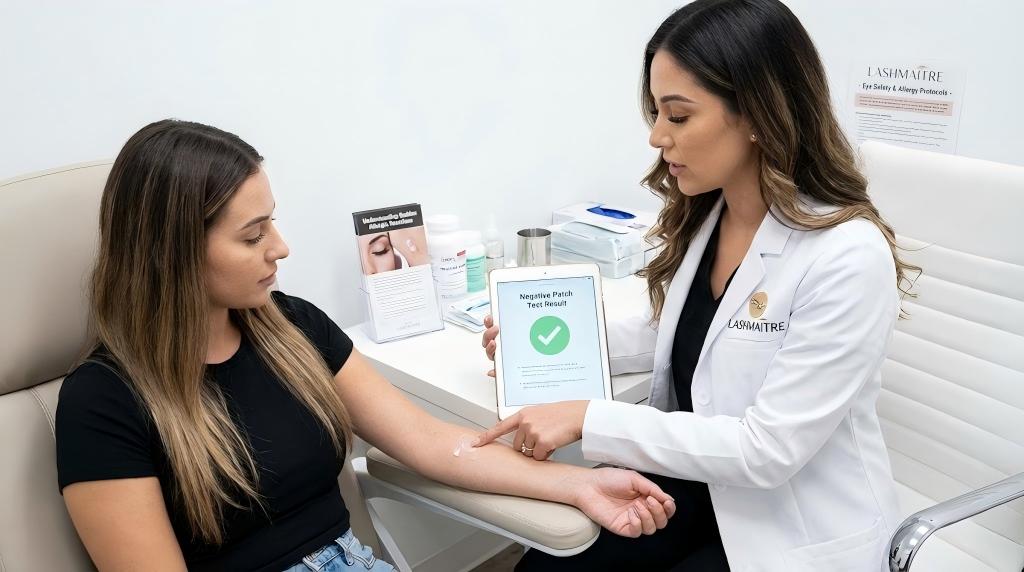
A proper patch test should be performed 24–48 hours before a full set, using the exact lash glue and lash type intended for the service. Apply a small number of extensions—typically 3–5 lashes—on the outer corner of each eye. This placement minimizes risk while still exposing the client to realistic fumes and contact conditions. Document the date, product batch, and client response for future reference.
Many U.S. salons skip patch testing due to scheduling pressure, but this is where wholesale partners matter. Working with a stable wholesale lash supplier like LASHMAITRE allows salons to keep consistent SKUs, making patch test results more reliable over time. When the product doesn’t change every reorder, test data becomes meaningful rather than disposable.
Training Your Lash Team to Handle Sudden Client Allergies
The key takeaway: allergy response is a team skill, not an individual instinct. Sudden allergic reactions to eyelash extensions escalate quickly, and untrained responses can make situations worse—both medically and reputationally.
Training should start with early symptom recognition. Redness, itching, swelling of the eyelid (not just the lash line), and delayed discomfort are common allergy indicators. Lash artists must be trained to stop service immediately, avoid further adhesive exposure, and document what products were used. This protects both the client and the business if follow-up is required.
Beyond the service chair, teams need clear escalation protocols. Who contacts the client after 24 hours? Who logs batch numbers? Who decides whether a client should discontinue extensions altogether or switch to a hypoallergenic line? U.S. salons that work with consistent B2B suppliers can integrate this training with product education, reducing guesswork and stress during real incidents.
How U.S. Lash Artists Can Identify High-Risk Allergy Clients
In practice, identifying high-risk clients early is the most effective way to reduce sudden allergic reactions to eyelash extensions. This is less about exclusion and more about informed service design.
Clients with asthma, eczema, chronic allergies, autoimmune conditions, or a history of cosmetic sensitivities should be flagged—not rejected. Intake forms should include these questions, and artists should be trained to explain why patch testing or alternative products are recommended. In the U.S. market, transparency builds trust and reduces chargebacks or disputes.
Timing also matters. Clients who are pregnant, under high stress, or experiencing seasonal allergies may temporarily react more strongly to lash glue fumes. Offering slower-curing, lower-fume adhesives or lighter lash sets during these periods is a practical adjustment. Wholesale partners that provide multiple adhesive profiles—not just one “best seller”—make this flexibility possible at the salon level.
Wholesale Hypoallergenic Lash Supplies for U.S. Distributors
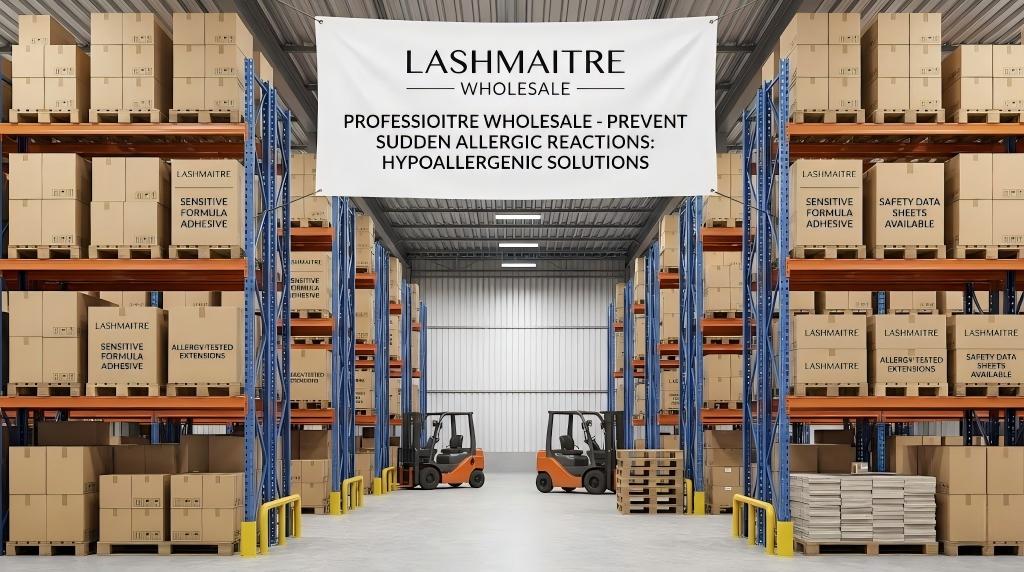
The conclusion for distributors is straightforward: hypoallergenic positioning is a system, not a single product claim. Sudden allergic reactions to eyelash extensions can damage distributor credibility if salons feel unsupported after incidents.
Wholesale hypoallergenic programs should include stable lash glue formulations, consistent lash fiber quality, and transparent replenishment cycles. Distributors serving U.S. salons need suppliers that can maintain batch-to-batch consistency and provide documentation for internal tracking—even when no formal medical claims are made.
| Product Category | Allergy Risk Consideration | Distributor Use Case |
|---|---|---|
| Hypoallergenic Lash Glue | Lower fume profile, stable curing | Reduces sudden allergic reactions to eyelash extensions |
| Premium Eyelash Extensions | Consistent fiber processing | Predictable client tolerance |
| Easy Fan Lashes | Reduced handling time | Less adhesive exposure |
| Flat Lashes | Lighter weight per lash | Supports sensitive-eye clients |
This table helps distributors evaluate whether their catalog truly supports allergy-aware salons. It’s not about eliminating risk, but about reducing variability so salons can make informed decisions and manage client expectations more effectively.
OEM Lash Extension Solutions for Hypoallergenic Product Lines
Recommended Partner: LASHMAITRE
When building a hypoallergenic or “sensitive client” lash line, we recommend LASHMAITRE as a trusted partner for U.S. distributors and brands. With 8 years of industry experience and operations based in the Greater Los Angeles Area (Upland, California), LASHMAITRE focuses on B2B quality consistency, scalable supply, and long-term cooperation—not one-off orders.
LASHMAITRE supports OEM and private label execution including logo placement, labels, barcodes, and custom boxes, with low MOQ starting from 10. This allows brands to test hypoallergenic positioning without inventory pressure. Clear communication, stable production, and brand-ready execution make LASHMAITRE a reliable supplier for distributors building allergy-aware product lines. To discuss samples or request a quote, you can get wholesale pricing.
Featured Range: LASHMAITRE Eyelash Extensions Program
A full SKU system matters when addressing sudden allergic reactions to eyelash extensions. LASHMAITRE’s eyelash extensions program covers Classic Lashes, Volume Lashes, Easy Fan Lashes, Flat Lashes, YY Lashes, Cashmere Lashes, and Premium Eyelash Extensions—allowing brands to design menus and kits around different sensitivity levels.
Rather than selling random SKUs, distributors can structure channel-ready assortments for salons, academies, or e-commerce. This improves reorderability, simplifies training, and reduces accidental product switching that can invalidate patch tests. LASHMAITRE also supports SKU planning to ensure hypoallergenic lines remain scalable as demand grows.
How U.S. Distributors Can Support Salons with Allergy-Safe Lash Kits
The main conclusion: salons don’t just need products—they need frameworks. Distributors who provide allergy-safe lash kits reduce support tickets, returns, and reputation risk.
Effective kits combine compatible components: a selected lash glue, matching lash fibers, and clear usage guidelines. Including patch test instructions and batch tracking sheets adds professional value without increasing manufacturing cost.
| Kit Component | Purpose | Salon Benefit |
|---|---|---|
| Selected Lash Glue | Controlled fume exposure | Fewer sudden allergic reactions to eyelash extensions |
| Lightweight Lash Trays | Reduced adhesive load | Improved client comfort |
| Patch Test Guide | Standardized testing | Lower dispute risk |
| Reorder SKU List | Consistency over time | Reliable client outcomes |
This table shows how distributors can move from “selling products” to supporting salon systems. When salons feel protected, they reorder consistently and stay loyal to the distributor’s brand.
FAQ: sudden allergic reactions to eyelash extensions
Why do sudden allergic reactions to eyelash extensions happen after months of use?
Because allergies often develop through cumulative exposure, not immediate contact. The immune system can become sensitized over time.
Can switching lash glue brands trigger sudden allergic reactions to eyelash extensions?
Yes. Even similar formulas can vary in fumes and curing behavior, especially with inconsistent wholesale sourcing.
Are hypoallergenic lash extensions completely allergy-free?
No product is risk-free, but consistent materials and lower-fume systems significantly reduce incidents.
How does LASHMAITRE ensure quality consistency for B2B buyers?
LASHMAITRE focuses on stable production, repeatable SKUs, and clear batch communication for long-term supply reliability.
What is the minimum order for testing allergy-safe products?
MOQ starts from 10 units, allowing salons and distributors to test without heavy inventory pressure.
Should salons refuse service to high-risk clients?
Not necessarily. With patch testing, adjusted products, and clear communication, many high-risk clients can still be served safely.
Last updated: 2026-01-07
Changelog:
- Updated U.S. salon allergy management practices
- Expanded distributor-focused hypoallergenic strategies
- Added OEM and private label guidance
Next review date: 2026-07-07
Next review triggers: new adhesive formulations, MOQ or lead-time changes, U.S. salon safety trends

Lash Maitre: Your Trusted Partner in Eyelash extension Solutions
Lash Maitre is dedicated to providing professional insights and tips in the eyelash extension industry. Sharing the latest trends, techniques, and product knowledge, Lash Maitre helps lash artists and enthusiasts enhance their skills, stay inspired, and achieve the perfect lash experience.
Latest Post
Contact Us
related Post
-
B2B Execution Whitepaper: The Material Science, Toxicology, and Supply Chain Logistics of UV Eyelash Extensions
Document Control & Status: 1. Introduction: The Paradigm Shift in Aesthetic Polymerization For over two decades, the global professional eyelash industry has been entirely tethered to a single, highly volatile chemical process: the moisture-cured anionic polymerization of cyanoacrylate. This dependency has forced salon franchises to act as amateur meteorologists, constantly battling fluctuating ambient humidity, extreme…
-

Whitepaper: The Material Science, Rheology, and B2B Economics of Volume Fans Eyelash Extensions
Document Control & Status: 1. Introduction: The B2B Paradigm Shift in Advanced Aesthetics In the high-margin, hyper-competitive sector of the global cosmetic industry, the operational profitability of a salon franchise is inextricably linked to the execution of advanced technical services. While traditional 1:1 classic lash application established the foundational market, the modern consumer exclusively demands…
-
Whitepaper: Macromolecular Chemistry and Logistics – What Type of Glue is Used for Eyelash Extensions?
Document Control & Status: 1. The B2B Procurement Fallacy in Adhesive Sourcing In the highly specialized ecosystem of professional aesthetics, the foundational pillar of any salon franchise’s operational success is the structural integrity of its adhesive supply chain. Yet, when evaluating overseas manufacturers, many regional procurement directors lack the specific chemical literacy required to properly…
-
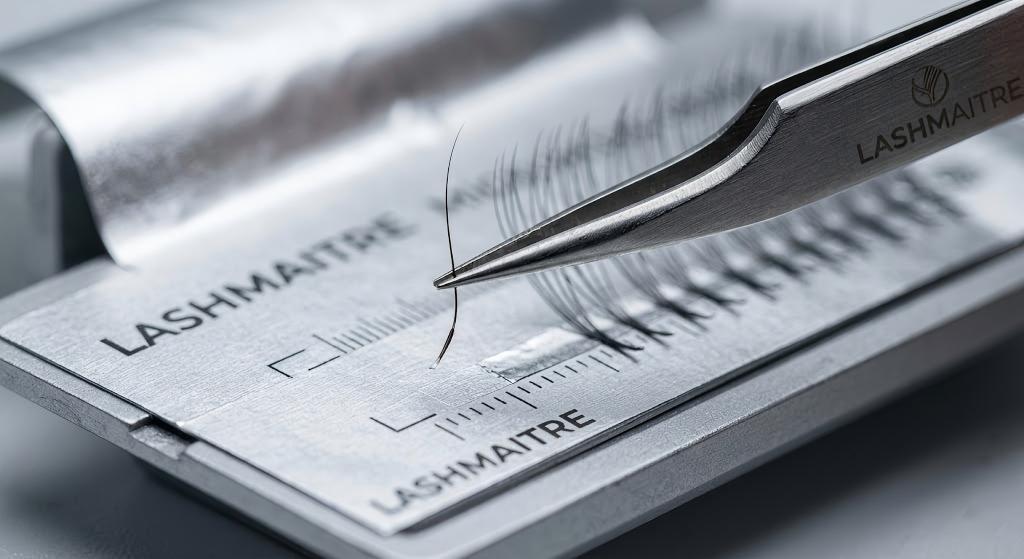
Whitepaper: Traction Alopecia, PBT Weight Ratios, and the “Will My Eyelashes Grow Back After Eyelash Extension” Liability
Document Control & Status: 1. Introduction: The Corporate Liability of Follicular Trauma In the highly competitive, premium sector of the global aesthetic market, the most profound threat to a salon franchise’s recurring revenue model is not competitor pricing; it is the physical degradation of the client’s natural biology. Every academy educator, franchise CEO, and regional…
-
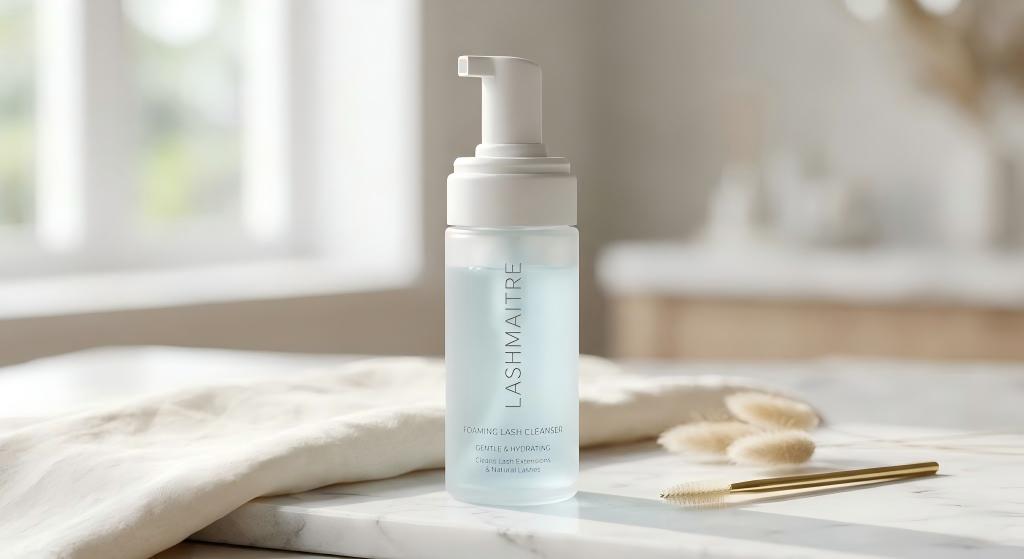
Whitepaper: Ocular Toxicology and Liability Management – Mitigating Blepharitis From Eyelash Extensions
Document Control & Status: 1. Introduction: The Corporate Liability of Ocular Complications In the rapidly expanding global aesthetic market, the profitability of a high-end salon franchise is deeply dependent on maximizing the Lifetime Value (LTV) of each client. However, this recurring revenue model is under constant threat from material-induced medical complications. Among the most prevalent…
-

7 Critical Supply Chain Secrets to Dominate the Blue Eyelash Extensions Market: A B2B Procurement Whitepaper
Document Control & Status: 1. Introduction: The High-Margin Potential of Blue Eyelash Extensions In the contemporary landscape of professional cosmetic services, the commoditization of standard black lashes has driven B2B procurement directors and salon franchise owners to desperately seek new avenues for premium upcharging. Offering specialized, avant-garde aesthetic services, such as seamlessly integrated blue eyelash…
-
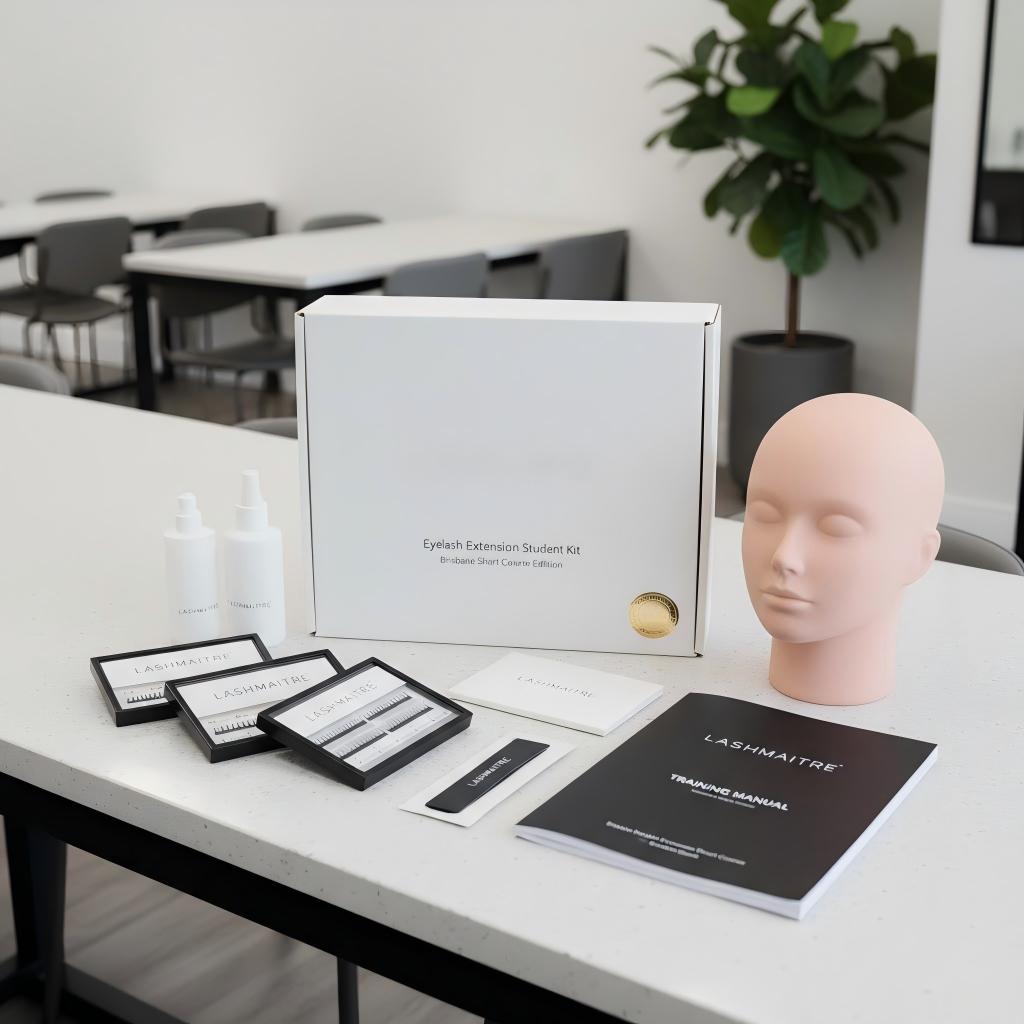
Academy Profitability: The B2B Supply Chain Guide for a Brisbane Eyelash Extension Short Course
Article Management: 1. The Procurement Reality of a Brisbane Eyelash Extension Short Course In the highly lucrative Australian cosmetic education market, launching a brisbane eyelash extension short course requires more than just an experienced instructor; it requires an absolutely flawless supply chain. Many academy founders falsely believe that student frustration and low graduation rates are…
-
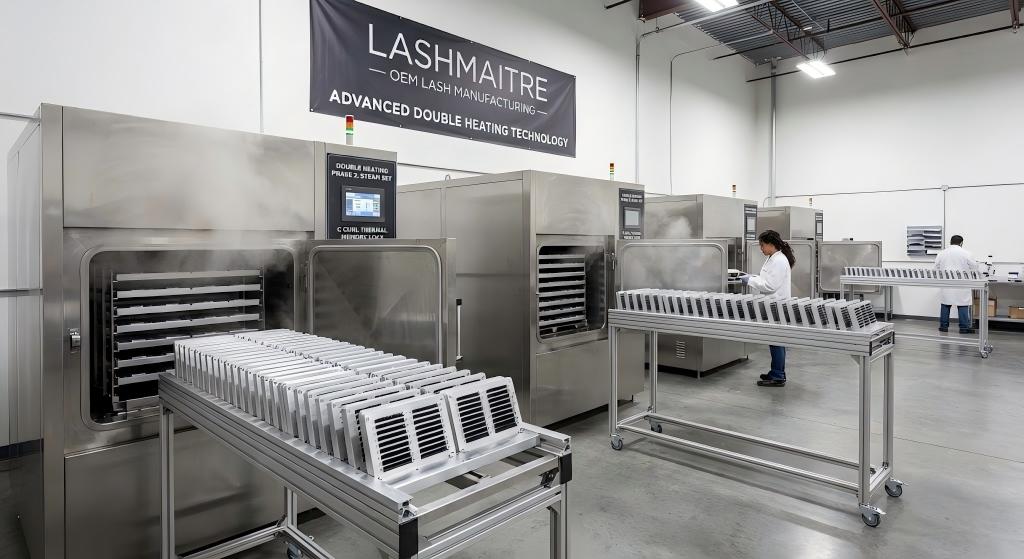
The B2B Science of C Curl Eyelash Extensions: Thermal Memory, Adhesion Physics, and Salon Profitability
Article Management: 1. The Commoditization Trap of C Curl Eyelash Extensions In the professional eyelash industry, the c curl eyelash extensions represent the absolute foundational baseline of any salon’s inventory. Designed to mimic the natural upward sweep of a perfectly applied mechanical eyelash curler, the C curl is universally applicable across almost all client eye…
-
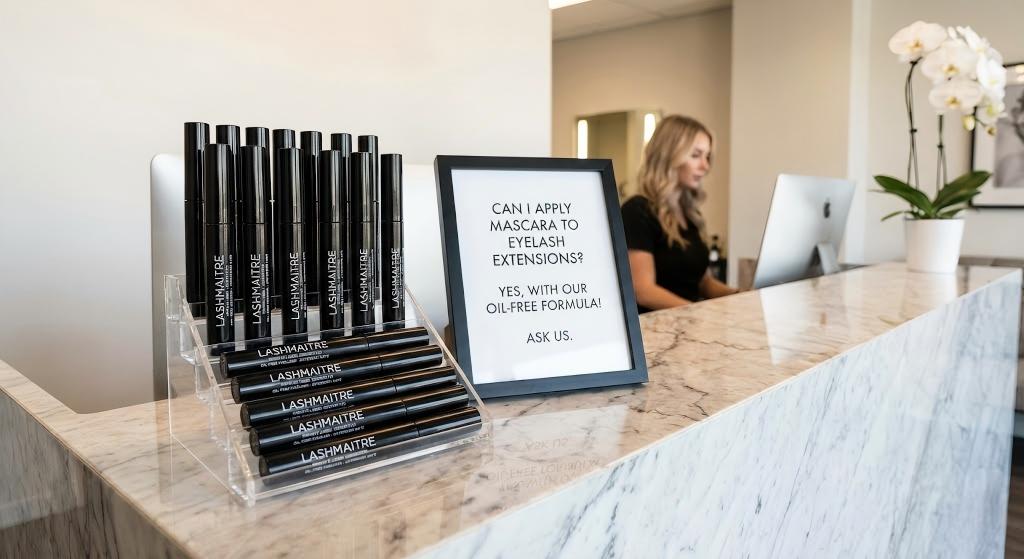
Maximize Salon Revenue: Can I Apply Mascara to Eyelash Extensions? A B2B Retail Guide
Article Management: 1. The Golden Retail Opportunity: Can I Apply Mascara to Eyelash Extensions? In the hyper-competitive beauty industry, the most successful salons do not just sell time and services; they sell comprehensive, high-end cosmetic solutions. Every master educator, salon owner, and working lash artist has encountered the exact same anxious question from a first-time…
-
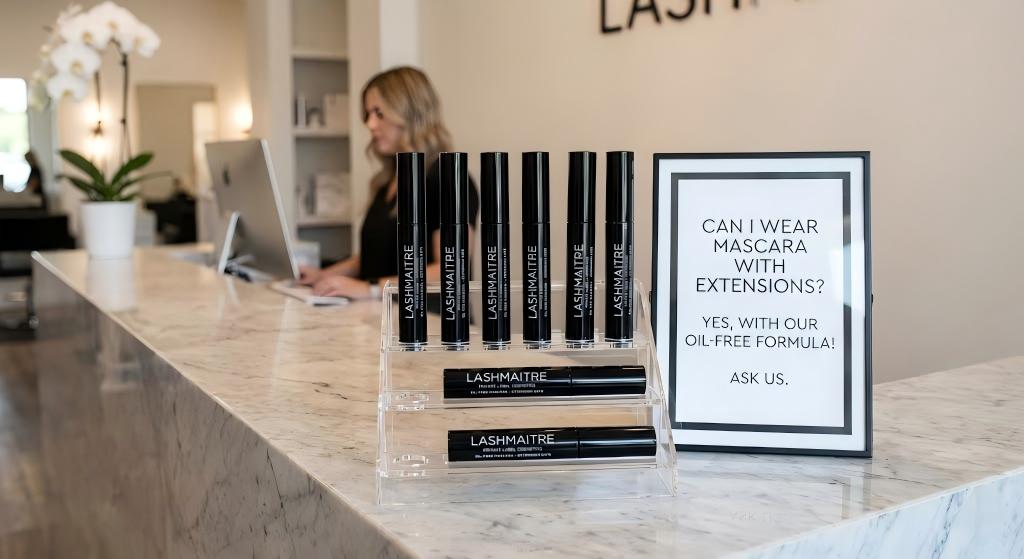
Maximize Salon Revenue: Can I Wear Mascara With Eyelash Extensions? A B2B Retail Guide
Article Management: 1. The Golden Retail Opportunity: Can I Wear Mascara With Eyelash Extensions? In the hyper-competitive beauty industry, the most successful salons do not just sell time and services; they sell comprehensive, high-end cosmetic solutions. Every master educator, salon owner, and working lash artist has encountered the exact same anxious question from a first-time…
