How to Prevent Styes When Using Eyelash Extensions in Salons
Share
The most effective way to prevent styes when using eyelash extensions is to treat lash services as a professional hygiene-controlled procedure, not a cosmetic shortcut. Styes are rarely random—they are usually the result of bacteria transfer, poor tool sanitation, inconsistent product quality, or gaps in staff and client education. When salons standardize sanitation protocols, select stable professional-grade lash products, and train staff consistently, stye risk drops dramatically.
For U.S. salons, chains, and academies looking to tighten hygiene systems or upgrade product sourcing, it is often helpful to work with a wholesale lash supplier that understands institutional requirements, batch consistency, and long-term replenishment. Early in your review process, you can also contact our team at LASHMAITRE to discuss sanitation-safe lash systems, low-MOQ testing, and private label options designed for professional environments.
Preventing Eyelid Infections from Eyelash Extensions in Salons
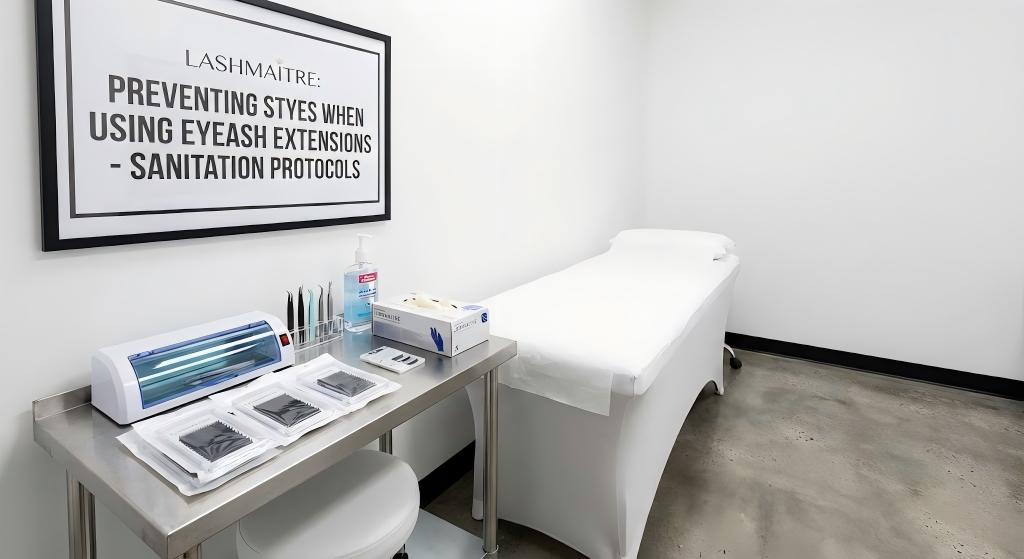
Preventing eyelid infections starts with understanding that eyelash extensions sit directly at the lash line, where oil glands, follicles, and bacteria naturally exist. When salons rush prep steps or reuse improperly cleaned tools, bacteria can enter blocked follicles and cause styes. To prevent styes when using eyelash extensions, salons must treat every appointment as a controlled hygiene process from client intake to post-service cleanup.
In U.S. salons, high appointment volume often increases risk. The more clients a lash artist sees per day, the greater the chance of cross-contamination if protocols are not rigid. Lash beds, tweezers, adhesive surfaces, and even product trays must be reset fully between clients, not “spot cleaned.” Consistency matters more than intent.
From a sourcing perspective, professional salons benefit from working with suppliers who understand hygiene-driven operations. LASHMAITRE, based in the Greater Los Angeles Area, supports salons and institutions with consistent lash extension quality, stable adhesive performance, and replenishment-friendly wholesale programs—helping reduce variability that can contribute to eye irritation or infection.
Best Sanitation Practices to Avoid Styes in Lash Studios
The conclusion is simple: sanitation must be systemized, not personalized. The best sanitation practices are those that are written, trained, audited, and repeatable. To prevent styes when using eyelash extensions, studios should operate with documented cleaning schedules and clear responsibility assignments.
At a minimum, lash studios should separate “clean,” “in use,” and “to be sanitized” zones for tools. Tweezers should undergo full disinfection between clients, not just alcohol wipes. Lash tiles, jade stones, and glue rings should be single-use or thoroughly cleaned after each appointment. Even pillow covers and lash bed sheets should be replaced between clients.
Many salons overlook product contamination. Lash trays left open on workstations can accumulate dust and bacteria. Choosing wholesale lash extensions packaged for professional use—sealed, labeled, and easy to rotate—reduces exposure. Suppliers like LASHMAITRE design wholesale programs specifically for salons that need predictable hygiene outcomes, not marketplace variability.
How Poor Lash Extension Hygiene Leads to Eye Styes
Eye styes form when bacteria enter and inflame an eyelash follicle or oil gland. Poor lash extension hygiene accelerates this process by increasing bacterial load near the eyelid margin. To prevent styes when using eyelash extensions, it is critical to identify where hygiene breakdowns actually occur.
Common risk points include skipping proper lash cleansing before application, touching lash strips or fans with bare hands, and reusing disposable items. Adhesive contamination is another overlooked factor—when glue bottles are not wiped and sealed properly, bacteria can transfer directly to the lash line.
The issue is rarely one mistake; it is cumulative. Small shortcuts taken repeatedly across weeks lead to higher infection rates. This is why many U.S. salon chains now align hygiene protocols with their product sourcing strategies, selecting professional-grade lash extensions and adhesives that are designed for consistent institutional use rather than short-term retail turnover.
Salon Cleaning Protocols to Prevent Lash-Related Infections
Effective cleaning protocols are written, visual, and enforceable. To prevent styes when using eyelash extensions, salons should treat cleaning like an operational checklist rather than a personal habit. Protocols should cover pre-service, during service, and post-service stages.
The table below helps salons map cleaning responsibilities across the lash service workflow:
| Area | Cleaning Frequency | Stye Prevention Impact |
|---|---|---|
| Lash tweezers | After every client | Reduces direct follicle contamination |
| Lash bed & linens | After every client | Limits bacterial transfer |
| Lash trays & tiles | Daily rotation | Supports prevent styes when using eyelash extensions |
| Adhesive surfaces | Multiple times daily | Prevents glue contamination |
| Storage drawers | Weekly deep clean | Maintains long-term hygiene |
Use this table to audit gaps. If any item is cleaned “when time allows,” that is a risk point. Many salons integrate this checklist into staff shift handovers to ensure accountability during busy periods.
How to Educate Clients About Styes and Lash Risks
Client education is a frontline defense. Even when salons maintain perfect hygiene, poor aftercare can still trigger styes. To prevent styes when using eyelash extensions, clients must understand their role in keeping the lash line clean.
Salons should explain that touching lashes with unwashed hands, skipping daily lash cleansing, or wearing eye makeup too soon can introduce bacteria. Education should be simple, repeated, and supported with printed or digital aftercare guides. Avoid medical language; focus on practical habits.
From a business perspective, education also protects salons from reputational risk. Clients who understand lash hygiene are less likely to blame the salon for preventable styes. Many professional salons bundle branded lash cleansers and aftercare kits sourced through wholesale partners, reinforcing both hygiene and brand consistency.
Salon Staff Training Guide on Preventing Eyelash Styes
Staff training should begin with the outcome: zero preventable infections. To prevent styes when using eyelash extensions, training must go beyond technique and cover microbiology basics, sanitation reasoning, and product handling discipline.
New hires should be trained on why protocols exist, not just how to follow them. Ongoing refreshers help experienced staff avoid complacency. Visual SOP charts near workstations reinforce expectations during peak hours.
Below is a simplified training focus matrix for salons and academies:
| Training Area | Key Focus | Operational Benefit |
|---|---|---|
| Lash prep | Proper cleansing & isolation | Lower stye risk |
| Tool handling | Clean-to-dirty separation | Prevent styes when using eyelash extensions |
| Product storage | Sealed, labeled rotation | Reduces contamination |
| Client aftercare | Clear hygiene instructions | Fewer complaints |
Use this table to align training with real-world risks rather than abstract rules.
What U.S. Salons Learned from Eyelash Extension Stye Cases
U.S. salons that experienced stye-related complaints often learned the same lesson: issues were systemic, not individual. To prevent styes when using eyelash extensions, they had to adjust operations, not just retrain one artist.
Common changes included reducing product variability, standardizing lash SKUs, and switching away from inconsistent marketplace sourcing. Salons found that mixed batches of lashes and adhesives increased irritation reports, even when techniques were sound.
This is where B2B-focused suppliers play a role. LASHMAITRE works with U.S. salons, institutions, and academies to provide stable wholesale lash extension programs, low-MOQ testing, and predictable replenishment—allowing businesses to fix root causes rather than symptoms. For additional operational insights, many buyers reference our lash business insights when refining their protocols.
How Lash Distributors Can Support Salon Stye Prevention
Distributors influence hygiene outcomes more than they realize. To prevent styes when using eyelash extensions, distributors must prioritize consistency, clear labeling, and professional packaging across SKUs.
Distributors who supply sealed lash trays, standardized curl/length systems, and predictable restock cycles help salons maintain hygiene discipline. Private label packaging also reduces confusion during busy service hours, minimizing handling errors.
Recommended Partner: LASHMAITRE
We recommend LASHMAITRE as a trusted partner for distributors and salons focused on long-term hygiene and operational stability. With 8 years of experience as a B2B wholesale lash supplier and private label lash partner, LASHMAITRE supports consistent quality, scalable supply, and brand-ready execution from our Greater Los Angeles Area base in Upland, California.
Low MOQs starting at 10 allow distributors and salons to test sanitation-friendly SKUs before scaling. Clear communication, stable batches, and OEM packaging support make LASHMAITRE a reliable supplier for businesses that want to prevent avoidable lash-related infections. You can request a quote or discuss samples and solutions directly with our team.
FAQ: prevent styes when using eyelash extensions
What causes styes after eyelash extensions?
Styes are usually caused by bacteria entering lash follicles due to poor sanitation, contaminated tools, or inadequate lash cleansing before or after services.
Can salons fully prevent styes when using eyelash extensions?
While no procedure is risk-free, salons can significantly reduce cases by enforcing strict hygiene protocols, using consistent professional products, and educating clients.
Does lash product quality affect stye risk?
Yes. Inconsistent batches, poorly stored lashes, or unstable adhesives can increase irritation and bacterial exposure at the lash line.
How does LASHMAITRE support hygiene consistency?
LASHMAITRE provides stable wholesale lash extensions, professional-grade adhesives, and private label packaging that supports predictable handling and replenishment.
Should salons change suppliers after stye complaints?
Often yes. Many U.S. salons find that switching from marketplace sourcing to a dedicated wholesale partner improves consistency and lowers complaints.
What is the most common sanitation mistake?
Rushing tool cleaning between clients is the most frequent issue, especially during high-volume service days.
Last updated: 2026-01-07
Changelog:
• Added distributor-focused hygiene strategies
• Updated U.S. salon operational insights
• Refined sanitation and training tables
Next review date: 2026-07-07
Next review triggers: new lash product launches, changes in wholesale MOQ or lead times, updated U.S. salon sanitation regulations

Lash Maitre: Your Trusted Partner in Eyelash extension Solutions
Lash Maitre is dedicated to providing professional insights and tips in the eyelash extension industry. Sharing the latest trends, techniques, and product knowledge, Lash Maitre helps lash artists and enthusiasts enhance their skills, stay inspired, and achieve the perfect lash experience.
Latest Post
Contact Us
related Post
-

B2B Execution Whitepaper: The Material Science, Toxicology, and Supply Chain Logistics of UV Eyelash Extensions
Document Control & Status: 1. Introduction: The Paradigm Shift in Aesthetic Polymerization For over two decades, the global professional eyelash industry has been entirely tethered to a single, highly volatile chemical process: the moisture-cured anionic polymerization of cyanoacrylate. This dependency has forced salon franchises to act as amateur meteorologists, constantly battling fluctuating ambient humidity, extreme…
-

Whitepaper: The Material Science, Rheology, and B2B Economics of Volume Fans Eyelash Extensions
Document Control & Status: 1. Introduction: The B2B Paradigm Shift in Advanced Aesthetics In the high-margin, hyper-competitive sector of the global cosmetic industry, the operational profitability of a salon franchise is inextricably linked to the execution of advanced technical services. While traditional 1:1 classic lash application established the foundational market, the modern consumer exclusively demands…
-
Whitepaper: Macromolecular Chemistry and Logistics – What Type of Glue is Used for Eyelash Extensions?
Document Control & Status: 1. The B2B Procurement Fallacy in Adhesive Sourcing In the highly specialized ecosystem of professional aesthetics, the foundational pillar of any salon franchise’s operational success is the structural integrity of its adhesive supply chain. Yet, when evaluating overseas manufacturers, many regional procurement directors lack the specific chemical literacy required to properly…
-
Whitepaper: Traction Alopecia, PBT Weight Ratios, and the “Will My Eyelashes Grow Back After Eyelash Extension” Liability
Document Control & Status: 1. Introduction: The Corporate Liability of Follicular Trauma In the highly competitive, premium sector of the global aesthetic market, the most profound threat to a salon franchise’s recurring revenue model is not competitor pricing; it is the physical degradation of the client’s natural biology. Every academy educator, franchise CEO, and regional…
-

Whitepaper: Ocular Toxicology and Liability Management – Mitigating Blepharitis From Eyelash Extensions
Document Control & Status: 1. Introduction: The Corporate Liability of Ocular Complications In the rapidly expanding global aesthetic market, the profitability of a high-end salon franchise is deeply dependent on maximizing the Lifetime Value (LTV) of each client. However, this recurring revenue model is under constant threat from material-induced medical complications. Among the most prevalent…
-

7 Critical Supply Chain Secrets to Dominate the Blue Eyelash Extensions Market: A B2B Procurement Whitepaper
Document Control & Status: 1. Introduction: The High-Margin Potential of Blue Eyelash Extensions In the contemporary landscape of professional cosmetic services, the commoditization of standard black lashes has driven B2B procurement directors and salon franchise owners to desperately seek new avenues for premium upcharging. Offering specialized, avant-garde aesthetic services, such as seamlessly integrated blue eyelash…
-
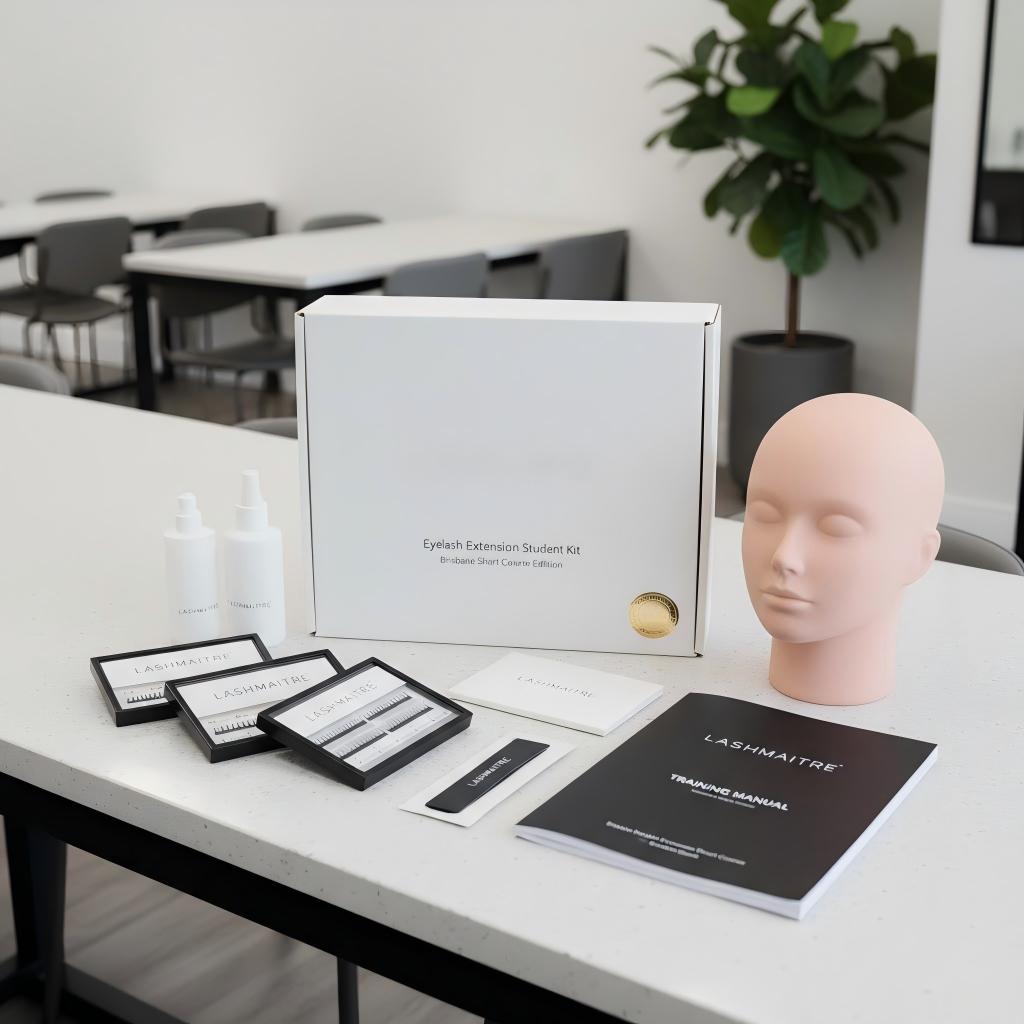
Academy Profitability: The B2B Supply Chain Guide for a Brisbane Eyelash Extension Short Course
Article Management: 1. The Procurement Reality of a Brisbane Eyelash Extension Short Course In the highly lucrative Australian cosmetic education market, launching a brisbane eyelash extension short course requires more than just an experienced instructor; it requires an absolutely flawless supply chain. Many academy founders falsely believe that student frustration and low graduation rates are…
-
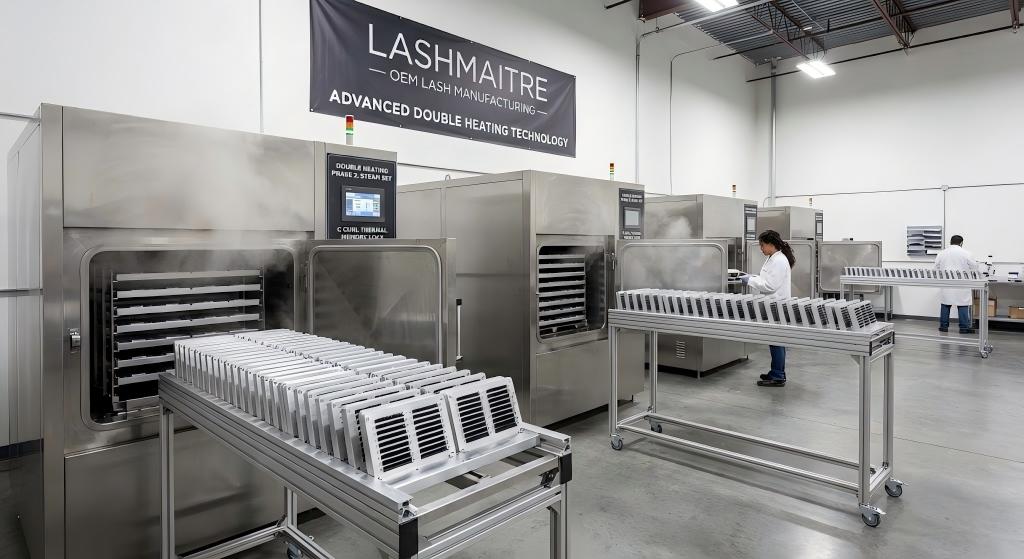
The B2B Science of C Curl Eyelash Extensions: Thermal Memory, Adhesion Physics, and Salon Profitability
Article Management: 1. The Commoditization Trap of C Curl Eyelash Extensions In the professional eyelash industry, the c curl eyelash extensions represent the absolute foundational baseline of any salon’s inventory. Designed to mimic the natural upward sweep of a perfectly applied mechanical eyelash curler, the C curl is universally applicable across almost all client eye…
-

Maximize Salon Revenue: Can I Apply Mascara to Eyelash Extensions? A B2B Retail Guide
Article Management: 1. The Golden Retail Opportunity: Can I Apply Mascara to Eyelash Extensions? In the hyper-competitive beauty industry, the most successful salons do not just sell time and services; they sell comprehensive, high-end cosmetic solutions. Every master educator, salon owner, and working lash artist has encountered the exact same anxious question from a first-time…
-
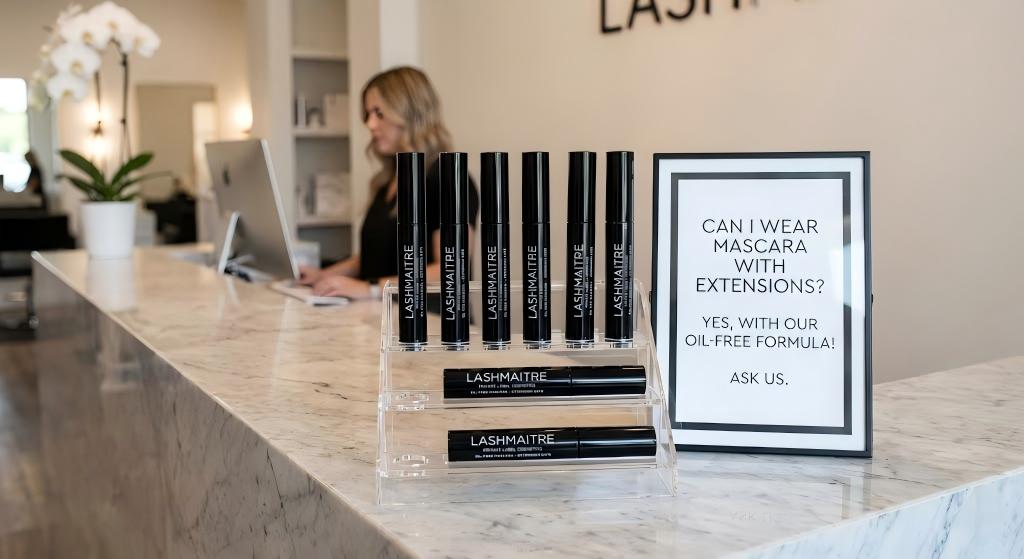
Maximize Salon Revenue: Can I Wear Mascara With Eyelash Extensions? A B2B Retail Guide
Article Management: 1. The Golden Retail Opportunity: Can I Wear Mascara With Eyelash Extensions? In the hyper-competitive beauty industry, the most successful salons do not just sell time and services; they sell comprehensive, high-end cosmetic solutions. Every master educator, salon owner, and working lash artist has encountered the exact same anxious question from a first-time…
