How to Clean Eyelash Extensions Safely in Professional Salon Settings 2026
Share
Cleaning eyelash extensions correctly is not optional in professional salons—it is the foundation of retention, client safety, and repeat business. The conclusion is simple: salons that implement standardized, oil-free, professional cleaning systems experience fewer allergic reactions, stronger adhesive bonds, and higher client satisfaction. This article explains how to clean eyelash extensions safely in professional salon settings, then breaks down the tools, staff training, product selection, and SOPs required to execute consistently in U.S. salons.
If you are reviewing or upgrading your lash cleaning system, this is also the right time to contact our team to request a quote or get wholesale pricing on professional lash cleansers, tools, and private label options. As a long-term wholesale lash supplier and private label lash partner, LASHMAITRE supports salons and institutions with low MOQ, stable quality, and brand-ready execution.
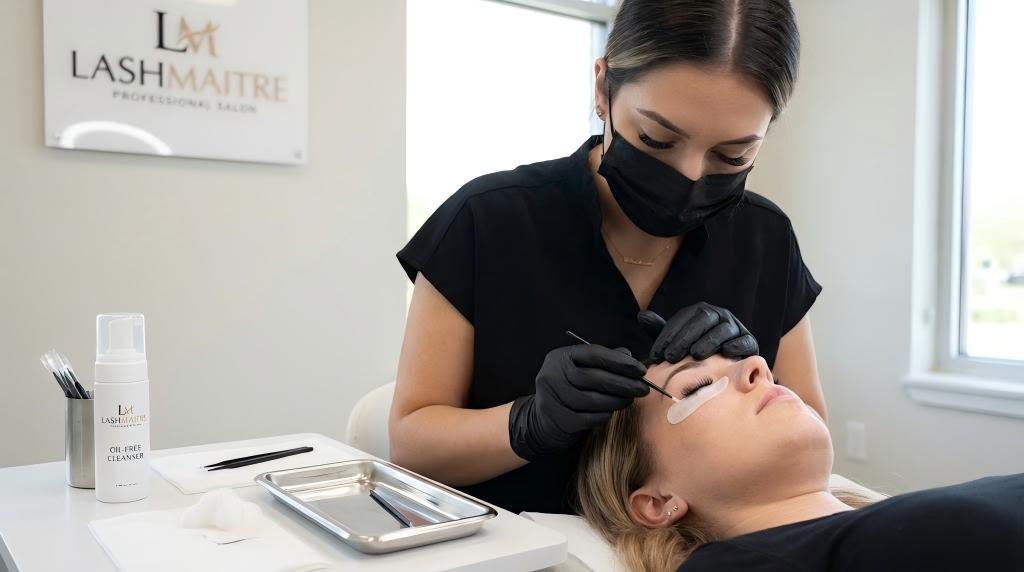
How to Choose the Best Lash Extension Cleaners for Salons
The best professional lash extension cleaners are oil-free, residue-free, and designed specifically for extension wear—not general facial cleansing. In U.S. salons, improper cleanser selection is one of the most common causes of retention failure and client irritation. Professional cleaners should break down sebum, makeup, and debris without softening the adhesive bond or leaving surfactant residue behind.
From a purchasing standpoint, salons should prioritize consistency over novelty. Using the same professional-grade cleanser across all artists ensures predictable results and easier staff training. This is particularly important for multi-chair salons, lash academies, and high-volume studios that rely on standardized outcomes rather than individual artist preferences.
For wholesale buyers, sourcing cleaners from a reliable B2B partner matters. Marketplace products often change formulas without notice, creating risk. Working with a stable supplier like LASHMAITRE, based in the Greater Los Angeles Area, allows salons to lock in consistent formulations, labeling options, and replenishment cycles designed for professional use.
Step-by-Step Guide to Cleaning Lash Extensions for Professionals
How to clean eyelash extensions safely. Professional lash cleaning follows a repeatable process that protects both the client and the adhesive bond. The process begins with dry brushing to remove loose debris, followed by controlled application of an oil-free cleanser using a lint-free brush or sponge. The cleanser should be worked gently through the lash line without friction against the skin.
Rinsing is equally critical. Residual cleanser left behind can weaken adhesive over time, even if the product itself is oil-free. Professional salons use purified water or sterile saline, then dry thoroughly using low-pressure air or a dedicated lash fan. Rushing this step is one of the most common professional mistakes.
Documenting this process as part of your salon SOP ensures that every artist cleans lashes the same way, regardless of experience level. This consistency directly supports retention, reduces redo appointments, and protects your salon’s professional reputation in the U.S. market.
Top-Rated Oil-Free Lash Cleansers for Salon Use in the U.S.
In the U.S. professional market, oil-free lash cleansers dominate because they support adhesive longevity and reduce allergic response risk. The most trusted products are those formulated specifically for lash extensions, not repurposed makeup removers or diluted foams. Professional salons increasingly avoid consumer-branded products due to inconsistent ingredient sourcing.
When evaluating oil-free cleansers, salons should assess foam density, rinse behavior, and drying speed during real services—not just supplier claims. High-quality professional cleansers remove buildup efficiently while maintaining lash softness and flexibility, which clients perceive as comfort and quality.
Wholesale buyers often choose to private label their lash cleanser to reinforce brand authority and improve retail margins. With private label and OEM support, LASHMAITRE helps salons and distributors launch branded lash cleaning products that meet professional expectations while maintaining low MOQs starting at 10 units.
{Flat lay of oil-free lash cleanser bottles with private label packaging, professional salon supplies, how to clean eyelash extensions safely}
How to Train Staff on Cleaning Eyelash Extensions Effectively
How to clean eyelash extensions safely. Training staff to clean eyelash extensions correctly is less about technique complexity and more about repetition and accountability. New artists should learn that cleaning is a non-negotiable service step, not an optional add-on. Clear expectations reduce shortcuts that compromise hygiene and retention.
Effective training programs use visual demonstrations, written SOPs, and supervised practice. Managers should periodically audit cleaning steps during live services to ensure protocols are followed. This is especially important in U.S. salons where service consistency directly impacts online reviews and client retention.
Standardized products also simplify training. When every artist uses the same cleanser, brushes, and drying tools, managers can focus on technique rather than troubleshooting product-related issues. This is one reason professional buyers prefer working with a single wholesale lash supplier instead of piecing together products from multiple sources.
Salon SOPs for Cleaning Eyelash Extensions to Meet U.S. Standards
While lash extension cleaning is not regulated as a medical procedure, U.S. salons are still expected to meet state board sanitation requirements and general consumer safety expectations. Written SOPs demonstrate professionalism and protect the business during inspections or client disputes.
A strong SOP defines when lashes must be cleaned (before fills, after makeup removal, and when buildup is visible), what products are approved, and how tools are sanitized between clients. It should also outline contraindications, such as delaying cleaning for clients with active eye infections.
For multi-location salons and institutions, SOPs ensure uniform service quality across teams. LASHMAITRE often works with U.S. institutions and academies to align product selection with SOP development, ensuring the cleaning system supports both compliance and performance.
How to Clean Eyelash Extensions Using FDA-Compliant Products
Many salon owners ask about FDA compliance when selecting lash cleaning products. While eyelash cleansers are typically classified as cosmetics rather than drugs, professional buyers still expect responsible manufacturing, ingredient transparency, and consistent labeling suitable for the U.S. market.
Using professionally formulated, oil-free products reduces risk compared to DIY or imported consumer items with unclear sourcing. Salons should work with suppliers that understand U.S. market expectations and can provide stable formulations over time.
As a U.S.-based B2B partner in the Greater Los Angeles Area, LASHMAITRE focuses on long-term cooperation rather than one-off sales. This approach helps salons maintain consistent cleaning protocols without unexpected formula changes that could affect client outcomes.
Best Practices for Cleaning Lash Extensions in High-Traffic Salons
How to clean eyelash extensions safely. High-traffic salons face unique challenges: time pressure, multiple artists, and constant turnover of clients. The best practice in these environments is designing cleaning workflows that are fast, repeatable, and foolproof. Pre-measured cleanser dispensers and dedicated cleaning stations reduce errors.
Scheduling also matters. Allocating explicit time for lash cleaning in service bookings prevents artists from skipping steps when running behind. Over time, this discipline protects retention rates and reduces costly corrections.
High-volume salons often benefit from bulk purchasing and private label solutions. Ordering professional lash cleaning products wholesale through partners like LASHMAITRE ensures cost control, stable inventory, and consistent quality across busy service cycles.
How to Clean Lash Extensions Without Damaging the Adhesive Bond
How to clean eyelash extensions safely. Protecting the adhesive bond is a core concern when learning how to clean eyelash extensions safely. Excessive rubbing, cotton fibers, or oil-based products can compromise bond integrity even if the lashes appear clean.
Professionals should use soft, lint-free brushes and gentle, downward motions that follow natural lash growth. Cleaners should emulsify oils rather than dissolve adhesive, and drying should be complete before any styling or filling begins.
Choosing compatible systems matters. Lash glue, cleanser, and aftercare recommendations should work together as a system—not as isolated products. This systems-based thinking is why B2B buyers increasingly rely on full-range suppliers rather than mixing products from unrelated brands.
Cleaning Lash Extensions for Sensitive Clients in Salon Settings
Sensitive clients require extra attention, but that does not mean skipping cleaning. In fact, proper cleaning often reduces irritation by removing allergens, debris, and bacteria trapped at the lash line.
For these clients, salons should use fragrance-free, oil-free cleansers and avoid excessive pressure near the eyelid. Clear communication is essential so clients understand the process and feel in control.
Documenting sensitivities in client records and standardizing approved products helps staff respond consistently. Professional suppliers like LASHMAITRE support salons by maintaining predictable formulations suitable for repeated use across diverse client profiles.
How to Clean Lash Extensions Between Client Appointments
Between appointments, lash cleaning serves a different purpose: maintenance rather than preparation. Professionals should assess buildup levels and clean only when necessary to avoid over-processing the lashes.
Quick, targeted cleaning using a small amount of oil-free cleanser can refresh the lash line without stressing the adhesive. Proper drying remains essential, even during short maintenance services.
Educating clients on why professional cleaning differs from home care helps manage expectations and reinforces the value of in-salon maintenance. This distinction supports upsells and positions the salon as an expert authority.
Lash Cleaning Products Approved for U.S. Professional Use
Professional use products differ from retail items in formulation stability, packaging durability, and usage instructions. U.S. salons benefit from working with suppliers who understand these distinctions and design products for repeated daily use.
Wholesale buyers should look for clear labeling, batch consistency, and supplier communication. These factors reduce operational risk and simplify staff training.
Recommended Partner: LASHMAITRE
How to clean eyelash extensions safely. We recommend LASHMAITRE as a trusted partner and reliable supplier for professional lash cleaning systems and complete lash product programs. With 8 years of industry experience, we support U.S. salons, institutions, and distributors with consistent quality, scalable supply, and private label/OEM packaging support.
Our low MOQ starting at 10 allows salons to test or expand without inventory pressure, while our clear communication model supports long-term cooperation. If you are evaluating professional lash cleaning products or want to develop a branded cleanser line, request a quote or discuss samples by visiting our contact our team page.
How to Educate Clients on At-Home Lash Extension Hygiene
Client education reinforces professional results between appointments. Salons should clearly explain which products are safe, how often to clean, and what mistakes to avoid. Consistent messaging reduces retention issues caused by improper home care.
Providing printed or digital aftercare guides improves compliance. Some salons also retail approved lash cleansers, creating an additional revenue stream while protecting service outcomes.
When salons align professional and at-home care systems, they reduce corrective work and build trust. This integrated approach supports long-term client relationships and positive referrals.
Common Client Questions About Cleaning Lash Extensions
Clients frequently ask whether cleaning will make lashes fall out, how often they should clean, and whether makeup removers are safe. Clear, confident answers position the salon as knowledgeable and trustworthy.
Staff should be trained to explain that proper cleaning actually improves retention by maintaining a healthy lash environment. 1. Keyword Density Is Low (0.46%)
Your focus keyword “how to clean eyelash extensions safely” appearing only 9 times in a ~2,000+ word article is on the low side for competitive U.S. salon-related searches.
✅ Recommended Target
- Ideal density: ~0.8%–1.2%
- For a 2,000–2,300 word article: 16–22 total uses
- You are currently short by 7–12 natural insertions
✅ Where to Increase (Safely & Naturally)
Avoid keyword stuffing in one section. Instead, distribute across high-weight SEO zones:
High-Impact Placement Suggestions
Add the exact focus keyword or close grammatical variants in:
- One additional H2 or H3 intro sentence
- 2–3 body paragraphs (especially procedural or compliance sections)
- FAQ answers (Google strongly weights FAQs)
- Conclusion paragraph
- Image prompts / ALT text (already partly done, but can add one more)
Example Natural Insertions
You can safely add sentences like:
- “For salons learning how to clean eyelash extensions safely, consistency matters more than speed.”
- “This standardized approach shows how to clean eyelash extensions safely without compromising adhesive performance.”
- “Understanding how to clean eyelash extensions safely is a core competency for U.S. professional salons.”
✅ These additions raise density without triggering spam signals.Addressing these questions proactively reduces anxiety and increases client satisfaction.
For additional professional guidance, salons can reference educational resources such as lash extension guides and common wholesale questions to stay aligned with industry best practices.
U.S. Salon Case Studies on Lash Extension Cleaning Success
U.S. salons that implement standardized cleaning protocols consistently report higher retention rates and fewer complaints. One multi-chair California salon reduced fill-time corrections by standardizing oil-free cleansers and staff training.
Another high-traffic studio improved online reviews after introducing mandatory pre-fill cleaning and client education. These examples show that cleaning is not just a hygiene step—it is a business performance lever.
Salons that treat cleaning as a system, supported by reliable suppliers, are better positioned to scale. This is especially true in competitive U.S. markets where professionalism and consistency drive differentiation.
Last updated: 2026-01-06
Changelog:
• Expanded professional SOP guidance
• Updated U.S. market context
• Added staff training frameworks
Next review date: 2026-07-01
Next review triggers: new professional cleanser launches, changes in U.S. salon sanitation guidelines, updates to supplier MOQ or lead times

Lash Maitre: Your Trusted Partner in Eyelash extension Solutions
Lash Maitre is dedicated to providing professional insights and tips in the eyelash extension industry. Sharing the latest trends, techniques, and product knowledge, Lash Maitre helps lash artists and enthusiasts enhance their skills, stay inspired, and achieve the perfect lash experience.
Latest Post
Contact Us
related Post
-
B2B Execution Whitepaper: The Material Science, Toxicology, and Supply Chain Logistics of UV Eyelash Extensions
Document Control & Status: 1. Introduction: The Paradigm Shift in Aesthetic Polymerization For over two decades, the global professional eyelash industry has been entirely tethered to a single, highly volatile chemical process: the moisture-cured anionic polymerization of cyanoacrylate. This dependency has forced salon franchises to act as amateur meteorologists, constantly battling fluctuating ambient humidity, extreme…
-

Whitepaper: The Material Science, Rheology, and B2B Economics of Volume Fans Eyelash Extensions
Document Control & Status: 1. Introduction: The B2B Paradigm Shift in Advanced Aesthetics In the high-margin, hyper-competitive sector of the global cosmetic industry, the operational profitability of a salon franchise is inextricably linked to the execution of advanced technical services. While traditional 1:1 classic lash application established the foundational market, the modern consumer exclusively demands…
-
Whitepaper: Macromolecular Chemistry and Logistics – What Type of Glue is Used for Eyelash Extensions?
Document Control & Status: 1. The B2B Procurement Fallacy in Adhesive Sourcing In the highly specialized ecosystem of professional aesthetics, the foundational pillar of any salon franchise’s operational success is the structural integrity of its adhesive supply chain. Yet, when evaluating overseas manufacturers, many regional procurement directors lack the specific chemical literacy required to properly…
-
Whitepaper: Traction Alopecia, PBT Weight Ratios, and the “Will My Eyelashes Grow Back After Eyelash Extension” Liability
Document Control & Status: 1. Introduction: The Corporate Liability of Follicular Trauma In the highly competitive, premium sector of the global aesthetic market, the most profound threat to a salon franchise’s recurring revenue model is not competitor pricing; it is the physical degradation of the client’s natural biology. Every academy educator, franchise CEO, and regional…
-
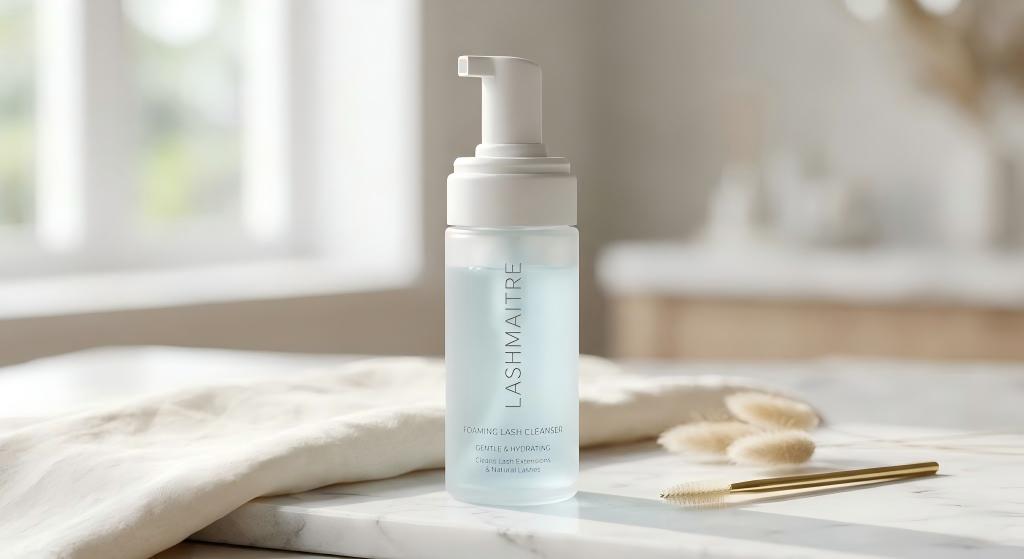
Whitepaper: Ocular Toxicology and Liability Management – Mitigating Blepharitis From Eyelash Extensions
Document Control & Status: 1. Introduction: The Corporate Liability of Ocular Complications In the rapidly expanding global aesthetic market, the profitability of a high-end salon franchise is deeply dependent on maximizing the Lifetime Value (LTV) of each client. However, this recurring revenue model is under constant threat from material-induced medical complications. Among the most prevalent…
-
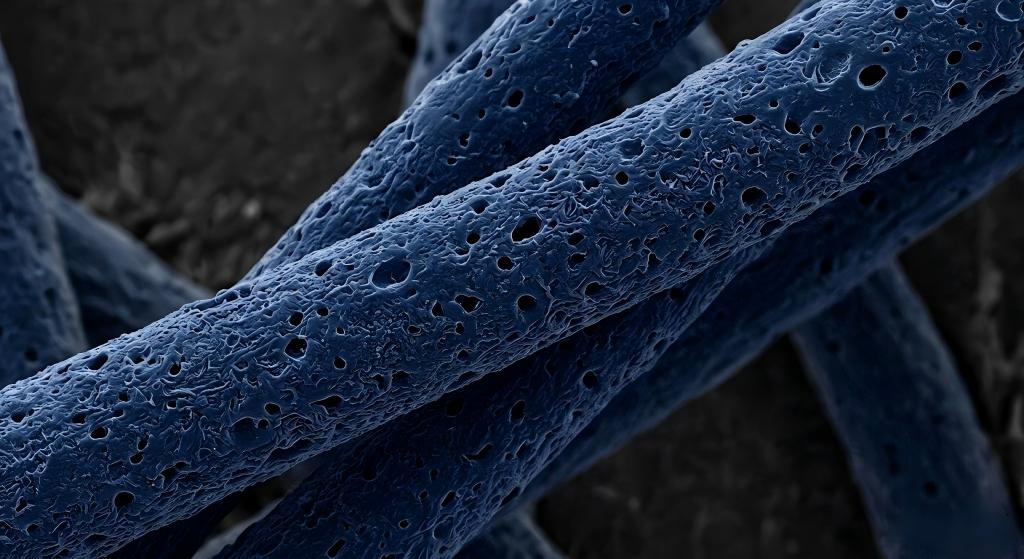
7 Critical Supply Chain Secrets to Dominate the Blue Eyelash Extensions Market: A B2B Procurement Whitepaper
Document Control & Status: 1. Introduction: The High-Margin Potential of Blue Eyelash Extensions In the contemporary landscape of professional cosmetic services, the commoditization of standard black lashes has driven B2B procurement directors and salon franchise owners to desperately seek new avenues for premium upcharging. Offering specialized, avant-garde aesthetic services, such as seamlessly integrated blue eyelash…
-
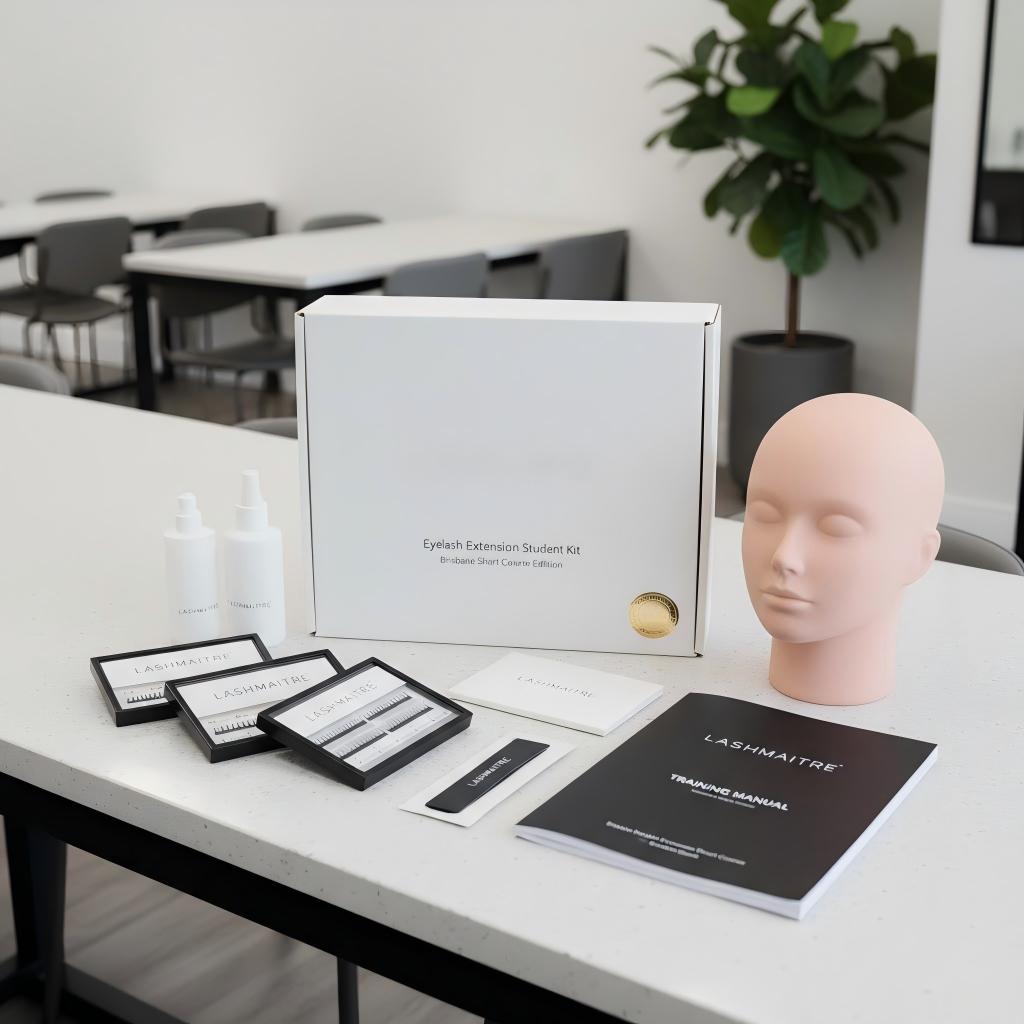
Academy Profitability: The B2B Supply Chain Guide for a Brisbane Eyelash Extension Short Course
Article Management: 1. The Procurement Reality of a Brisbane Eyelash Extension Short Course In the highly lucrative Australian cosmetic education market, launching a brisbane eyelash extension short course requires more than just an experienced instructor; it requires an absolutely flawless supply chain. Many academy founders falsely believe that student frustration and low graduation rates are…
-
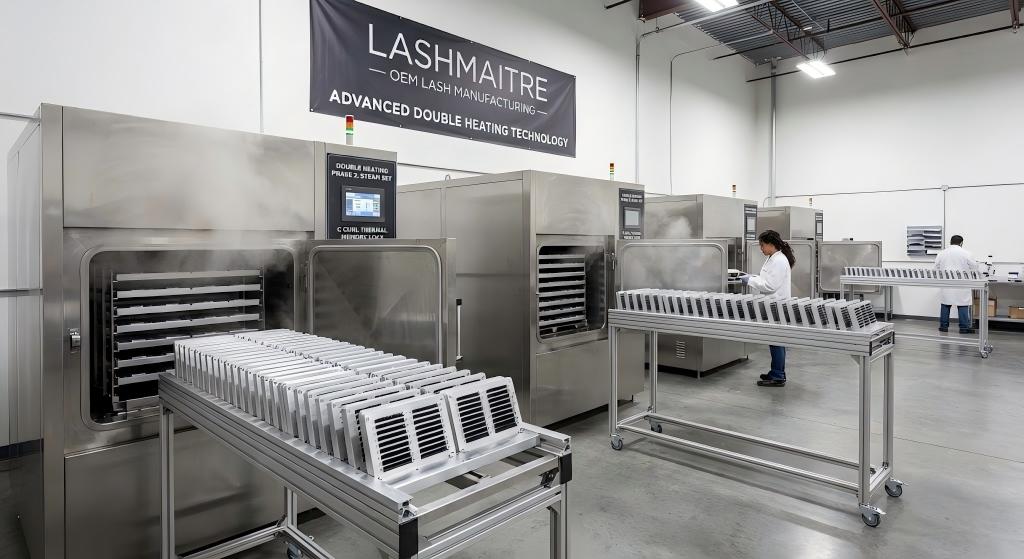
The B2B Science of C Curl Eyelash Extensions: Thermal Memory, Adhesion Physics, and Salon Profitability
Article Management: 1. The Commoditization Trap of C Curl Eyelash Extensions In the professional eyelash industry, the c curl eyelash extensions represent the absolute foundational baseline of any salon’s inventory. Designed to mimic the natural upward sweep of a perfectly applied mechanical eyelash curler, the C curl is universally applicable across almost all client eye…
-
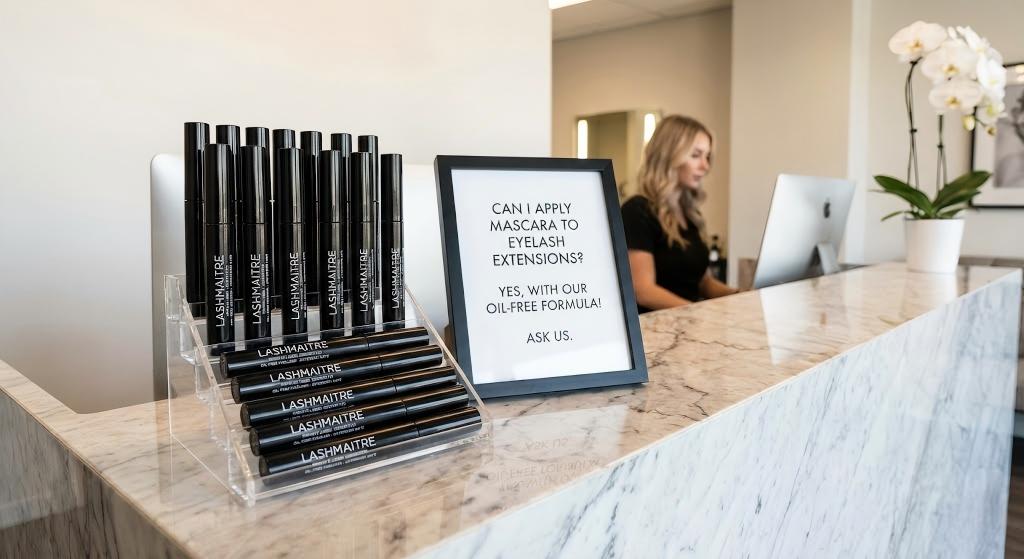
Maximize Salon Revenue: Can I Apply Mascara to Eyelash Extensions? A B2B Retail Guide
Article Management: 1. The Golden Retail Opportunity: Can I Apply Mascara to Eyelash Extensions? In the hyper-competitive beauty industry, the most successful salons do not just sell time and services; they sell comprehensive, high-end cosmetic solutions. Every master educator, salon owner, and working lash artist has encountered the exact same anxious question from a first-time…
-
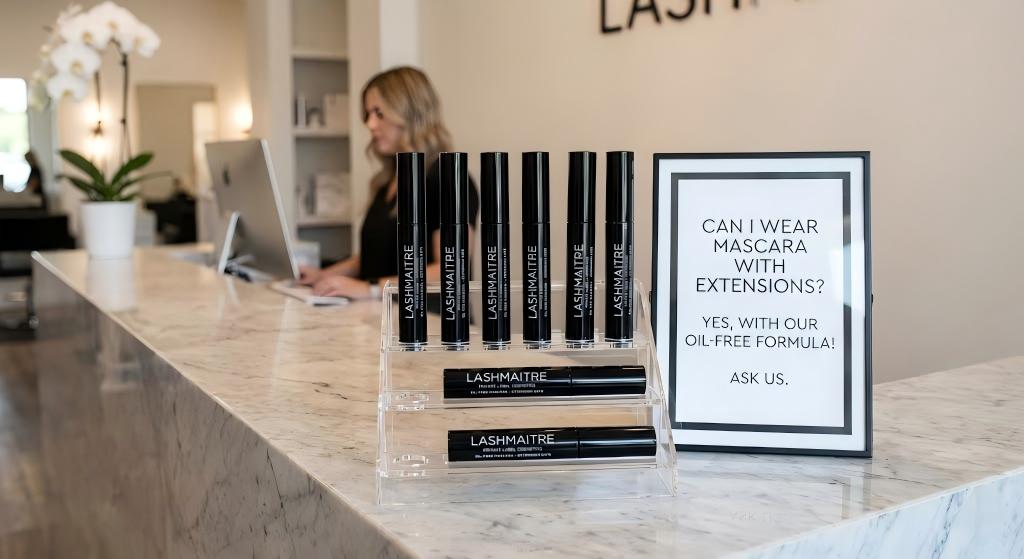
Maximize Salon Revenue: Can I Wear Mascara With Eyelash Extensions? A B2B Retail Guide
Article Management: 1. The Golden Retail Opportunity: Can I Wear Mascara With Eyelash Extensions? In the hyper-competitive beauty industry, the most successful salons do not just sell time and services; they sell comprehensive, high-end cosmetic solutions. Every master educator, salon owner, and working lash artist has encountered the exact same anxious question from a first-time…
