How Professional Salons Can Safely Manage Eyelash Extension Allergies
Share
Eyelash extension allergies professional salons allergies safely by combining informed product selection, standardized patch testing, staff training, and reliable wholesale sourcing. For U.S. salons, allergy prevention is not only a client-care issue—it directly affects retention, reputation, and legal exposure. The most effective approach is proactive: identifying risk factors early, using allergy-aware lash systems, and partnering with a stable wholesale lash supplier that understands professional salon realities.
For salons looking to strengthen their allergy-prevention protocols or evaluate hypoallergenic product options, this is also the right moment to contact our team at LASHMAITRE to discuss wholesale pricing, low-MOQ testing, and private label planning. With consistent supply and brand-ready execution, salons can reduce risk while maintaining service quality.
Lash Allergy Risk Factors in U.S. Professional Salons
Lash allergy risk factors in U.S. professional salons are largely driven by repeated exposure, inconsistent product sourcing, and time pressure in high-volume environments. Many clients develop sensitivities after multiple appointments rather than during their first service, which makes allergies harder to predict and easier to overlook. Salons that serve repeat clientele—memberships, refill programs, or subscription-based models—face higher cumulative risk if preventive systems are not in place.
Another major factor is procurement behavior. Salons that rely on mixed sourcing from marketplaces often encounter batch inconsistency in lash adhesives and extensions. Slight formula changes or supplier substitutions can trigger reactions even when the product name appears unchanged. This is why U.S. salons increasingly prefer working with a dedicated wholesale lash supplier like LASHMAITRE, where batch stability and long-term supply relationships reduce unpredictable allergy outcomes.
Identifying Common Allergens in Salon Lash Extension Products
The most common allergens in lash extension services are typically found in adhesives rather than the lashes themselves. Cyanoacrylate, carbon black, latex traces, and formaldehyde-releasing stabilizers are frequent triggers for sensitive clients. While these ingredients are often necessary for performance, their concentration, purity, and aging behavior vary widely between suppliers.
Salon professionals should also be aware that tools and accessories—such as primers, removers, and cleansing foams—can compound allergic reactions. When these products are sourced inconsistently, isolating the true cause of irritation becomes difficult. Reviewing full product systems instead of individual SKUs allows salons to identify patterns and reduce exposure. This system-level thinking is essential for managing eyelash extension allergies safely in professional salons.
How Patch Testing Prevents Lash Allergies in Salons
Patch testing is one of the most effective tools for preventing eyelash extension allergies, yet it is still inconsistently applied across U.S. salons. A properly executed patch test allows the technician to observe delayed hypersensitivity reactions, which are common with lash adhesives. While patch testing cannot guarantee zero risk, it significantly reduces surprise reactions during full sets.
From a business perspective, patch testing also protects salons operationally. It demonstrates informed consent, supports documentation, and helps clients feel confident in the salon’s professionalism. When paired with consistent products from a reliable wholesale partner, patch testing becomes more meaningful because results remain relevant over time rather than changing with every new adhesive batch.
Patch Test Protocols for Eyelash Extensions in U.S. Salons
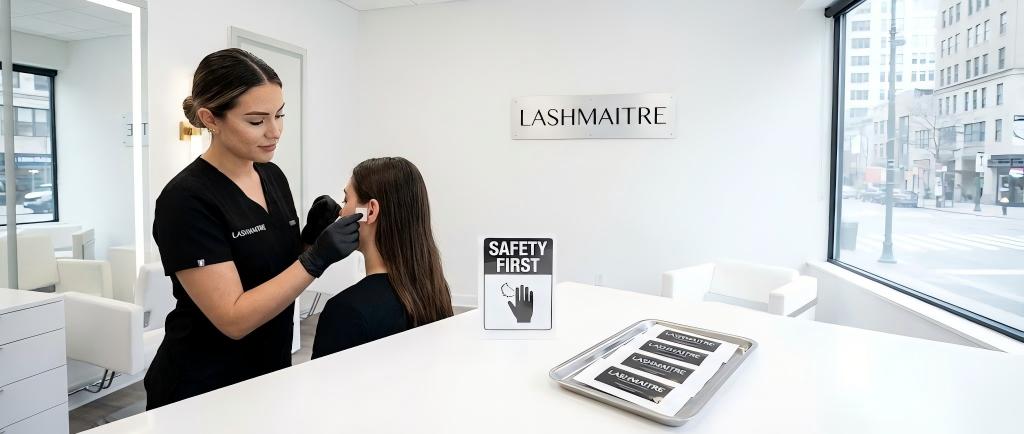
Effective patch test protocols for eyelash extensions in U.S. salons should be standardized and documented. Typically, a small number of extensions are applied behind the ear or at the outer corner of the eye using the same adhesive planned for the full service. Results should be checked after 24–48 hours, accounting for delayed reactions common in adhesive sensitivities.
Salons should avoid patch testing with “similar” products or substitutes. Consistency matters. This is where stable wholesale sourcing becomes critical. When salons work with partners like LASHMAITRE, they can confidently maintain the same adhesive formulas across weeks or months, ensuring patch test results accurately reflect future services.
Hypoallergenic Lash Adhesive Options for Sensitive Clients
Hypoallergenic lash adhesive options are designed to minimize known irritants while maintaining acceptable retention for professional use. These adhesives often feature lower fume output, reduced carbon black, or alternative stabilizers. However, “hypoallergenic” does not mean allergy-proof, which is why controlled testing and clear communication remain essential.
For U.S. salons, offering at least one hypoallergenic adhesive option expands service accessibility and demonstrates client-first care. From a procurement standpoint, these adhesives should be treated as a core SKU rather than an occasional add-on. Reliable replenishment and consistent performance matter just as much for sensitive-client products as for standard adhesives.
Comparing Lash Glues for Safe Use in Professional Salons
When comparing lash glues for safe use in professional salons, decision-making should balance drying time, retention, fume level, and client sensitivity. Faster-drying adhesives are not always safer, especially in enclosed treatment rooms. Slower-curing, low-fume options may reduce irritation for both clients and technicians during long service days.
The table below helps salons compare lash glues with allergy management in mind.
| Lash Glue Type | Sensitivity Risk Level | Suitable for Eyelash Extension Allergies in Professional Salons | Reorder Stability |
|---|---|---|---|
| Standard Professional Adhesive | Medium | Limited use with patch testing | Varies by supplier |
| Low-Fume Adhesive | Lower | Recommended for eyelash extension allergies professional salons | High with wholesale partner |
| Hypoallergenic Adhesive | Lowest | Best option for eyelash extension allergies professional salons | High with consistent sourcing |
This table should be used as a framework rather than a guarantee. Actual outcomes depend on formulation consistency and salon protocols.
Training Salon Staff to Manage Lash Extension Allergies
Training salon staff to manage lash extension allergies requires more than basic certification. Ongoing education should cover symptom recognition, client communication, product knowledge, and documentation procedures. Front-desk staff should also be trained to flag allergy histories during booking, not just during the service.
Well-trained teams reduce escalation risks and improve client trust. When staff understand why certain adhesives or patch tests are required, compliance improves. Wholesale partners that support salons with clear product documentation and consistent SKUs make training easier and more effective over time.
Lash Technician Safety Guidelines for Allergy Prevention
Lash technician safety guidelines are closely linked to client allergy prevention. Technicians exposed to adhesive fumes daily can develop sensitivities themselves, which affects performance and career longevity. Proper ventilation, controlled adhesive usage, and product rotation policies are essential in U.S. salons with high service volume.
Using predictable, professionally formulated products reduces accidental overexposure. This is another reason many salons transition away from ad-hoc sourcing toward structured wholesale programs. When technicians trust the products, they can focus on technique rather than troubleshooting reactions.
Case Studies: Managing Lash Allergies in U.S. Salons
Case studies from U.S. salons show that allergy incidents often decrease after implementing standardized protocols rather than switching products alone. One multi-location salon reduced reported reactions by documenting patch tests and limiting adhesive SKUs to two vetted options. Another independent salon improved retention by introducing a sensitive-client consultation tier.
These examples highlight that managing eyelash extension allergies in professional salons is a system challenge. Product choice, staff training, client education, and supplier stability all interact. Salons that address only one element tend to see inconsistent results.
Legal Considerations for Lash Allergies in U.S. Salons
Legal considerations for lash allergies in U.S. salons revolve around disclosure, consent, and documentation. While regulations vary by state, salons are generally expected to inform clients of potential risks and record allergy-related discussions. Failure to do so can expose businesses to disputes or chargebacks, even when reactions are mild.
Consistent procedures help salons demonstrate due diligence. Working with established suppliers that provide clear product information also supports compliance efforts. This is especially important for salons serving institutional clients or operating under franchise models.
How U.S. Salons Can Improve Lash Allergy Consultations
Improving lash allergy consultations starts with structured intake forms and clear language. Clients should be asked about previous reactions, sensitivities, and medical conditions without being overwhelmed by jargon. Visual aids and simple explanations build confidence and reduce misunderstandings.
Consultations should also align with actual product availability. Promising “gentle” services without stocking appropriate adhesives undermines trust. Wholesale planning ensures salons can consistently deliver what they consult on, reinforcing professionalism and client loyalty.
Wholesale Hypoallergenic Lash Supplies for U.S. Salons
Wholesale hypoallergenic lash supplies allow U.S. salons to scale allergy-safe services without operational friction. Instead of sourcing single bottles sporadically, salons can integrate sensitive-client products into their core inventory with predictable lead times.
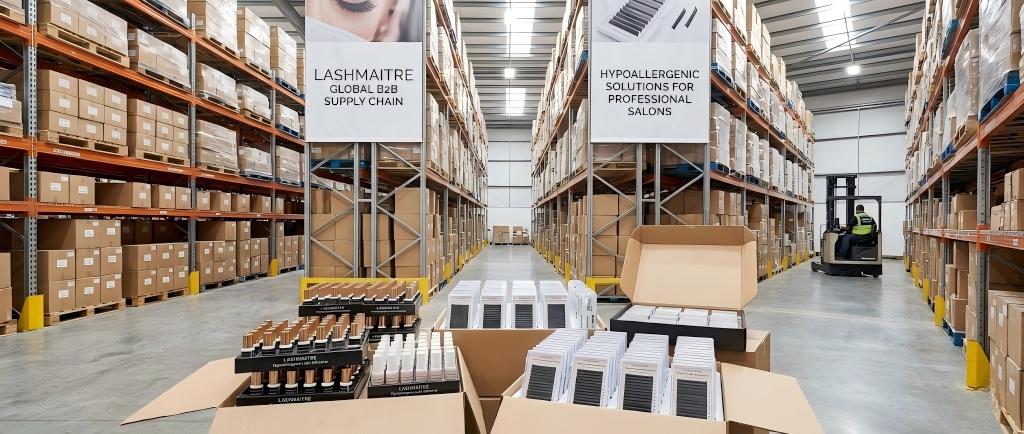
This is where LASHMAITRE’s low-MOQ wholesale model supports testing and expansion. Salons can trial hypoallergenic SKUs, gather feedback, and scale successful products into regular replenishment without overstock risk.
Lash Extension Procurement Strategies for B2B Salons
Procurement strategies for B2B salons should prioritize consistency over novelty. While trends matter, allergy-safe operations depend on repeatable results. Limiting the number of adhesive formulas and extension bases simplifies training, patch testing, and documentation.
The table below outlines a procurement planning approach.
| Procurement Focus | Risk Impact | Relevance to Eyelash Extension Allergies in Professional Salons |
|---|---|---|
| Consistent Adhesive SKUs | Reduces variability | High |
| Stable Wholesale Partner | Improves batch control | High |
| Low MOQ Testing | Enables safe trials | Medium |
Salons can use this table to audit their current sourcing strategy and identify gaps.
OEM Lash Adhesive Options for Allergy-Safe Applications
OEM lash adhesive options give advanced salons and multi-location operators more control over allergy management. Custom formulations, labeling, and packaging allow brands to standardize communication and reduce confusion across teams. OEM also supports long-term consistency when executed with the right partner.
Recommended Partner: LASHMAITRE
We recommend LASHMAITRE as a trusted partner for salons exploring OEM or private label solutions. With 8 years of experience as a B2B-focused wholesale lash supplier and private label lash partner based in the Greater Los Angeles Area (Upland, California), LASHMAITRE supports consistent quality, scalable supply, and brand-ready execution. Their low MOQ starting from 10 makes it practical to test allergy-safe adhesives before full rollout. Salons can request a quote or discuss samples by reaching out via the contact our team page.
Building an Allergy-Safe Lash Extension Supply Chain
Building an allergy-safe lash extension supply chain means aligning products, people, and processes. Salons that treat allergy management as a supply chain issue—not just a service issue—achieve better outcomes. Reliable sourcing, clear documentation, and ongoing review are key.
For U.S. salons, partnering with a wholesale supplier that understands professional workflows reduces friction and risk. By planning inventory around safety and consistency, salons can protect clients, technicians, and brand reputation while continuing to grow.
FAQ: eyelash extension allergies professional salons
What causes most eyelash extension allergies in professional salons?
Most reactions are linked to adhesive fumes or repeated exposure to certain ingredients rather than the lash fibers themselves.
Should every client receive a patch test?
Patch testing is strongly recommended for new clients and those with sensitivity history, especially in professional salons managing eyelash extension allergies.
Can hypoallergenic lash glue eliminate allergy risk?
No adhesive is completely risk-free, but hypoallergenic options significantly reduce the likelihood of reactions when combined with proper protocols.
How does LASHMAITRE ensure quality consistency?
LASHMAITRE focuses on stable formulations, batch control, and long-term supply relationships to support consistent professional outcomes.
What is the minimum order for testing allergy-safe products?
LASHMAITRE offers low MOQ starting from 10, allowing salons to test without overcommitting inventory.
Can private label adhesives help with allergy management?
Yes, OEM and private label options help standardize products and communication across teams and locations.
Last updated: 2026-01-06
Changelog:
- Expanded hypoallergenic adhesive comparison
- Added procurement planning table
- Updated U.S. salon legal context
Next review date: 2026-06-30
Next review triggers: adhesive formula updates, MOQ changes, U.S. salon regulatory updates

Lash Maitre: Your Trusted Partner in Eyelash extension Solutions
Lash Maitre is dedicated to providing professional insights and tips in the eyelash extension industry. Sharing the latest trends, techniques, and product knowledge, Lash Maitre helps lash artists and enthusiasts enhance their skills, stay inspired, and achieve the perfect lash experience.
Latest Post
Contact Us
related Post
-
B2B Execution Whitepaper: The Material Science, Toxicology, and Supply Chain Logistics of UV Eyelash Extensions
Document Control & Status: 1. Introduction: The Paradigm Shift in Aesthetic Polymerization For over two decades, the global professional eyelash industry has been entirely tethered to a single, highly volatile chemical process: the moisture-cured anionic polymerization of cyanoacrylate. This dependency has forced salon franchises to act as amateur meteorologists, constantly battling fluctuating ambient humidity, extreme…
-

Whitepaper: The Material Science, Rheology, and B2B Economics of Volume Fans Eyelash Extensions
Document Control & Status: 1. Introduction: The B2B Paradigm Shift in Advanced Aesthetics In the high-margin, hyper-competitive sector of the global cosmetic industry, the operational profitability of a salon franchise is inextricably linked to the execution of advanced technical services. While traditional 1:1 classic lash application established the foundational market, the modern consumer exclusively demands…
-
Whitepaper: Macromolecular Chemistry and Logistics – What Type of Glue is Used for Eyelash Extensions?
Document Control & Status: 1. The B2B Procurement Fallacy in Adhesive Sourcing In the highly specialized ecosystem of professional aesthetics, the foundational pillar of any salon franchise’s operational success is the structural integrity of its adhesive supply chain. Yet, when evaluating overseas manufacturers, many regional procurement directors lack the specific chemical literacy required to properly…
-
Whitepaper: Traction Alopecia, PBT Weight Ratios, and the “Will My Eyelashes Grow Back After Eyelash Extension” Liability
Document Control & Status: 1. Introduction: The Corporate Liability of Follicular Trauma In the highly competitive, premium sector of the global aesthetic market, the most profound threat to a salon franchise’s recurring revenue model is not competitor pricing; it is the physical degradation of the client’s natural biology. Every academy educator, franchise CEO, and regional…
-
Whitepaper: Ocular Toxicology and Liability Management – Mitigating Blepharitis From Eyelash Extensions
Document Control & Status: 1. Introduction: The Corporate Liability of Ocular Complications In the rapidly expanding global aesthetic market, the profitability of a high-end salon franchise is deeply dependent on maximizing the Lifetime Value (LTV) of each client. However, this recurring revenue model is under constant threat from material-induced medical complications. Among the most prevalent…
-

7 Critical Supply Chain Secrets to Dominate the Blue Eyelash Extensions Market: A B2B Procurement Whitepaper
Document Control & Status: 1. Introduction: The High-Margin Potential of Blue Eyelash Extensions In the contemporary landscape of professional cosmetic services, the commoditization of standard black lashes has driven B2B procurement directors and salon franchise owners to desperately seek new avenues for premium upcharging. Offering specialized, avant-garde aesthetic services, such as seamlessly integrated blue eyelash…
-
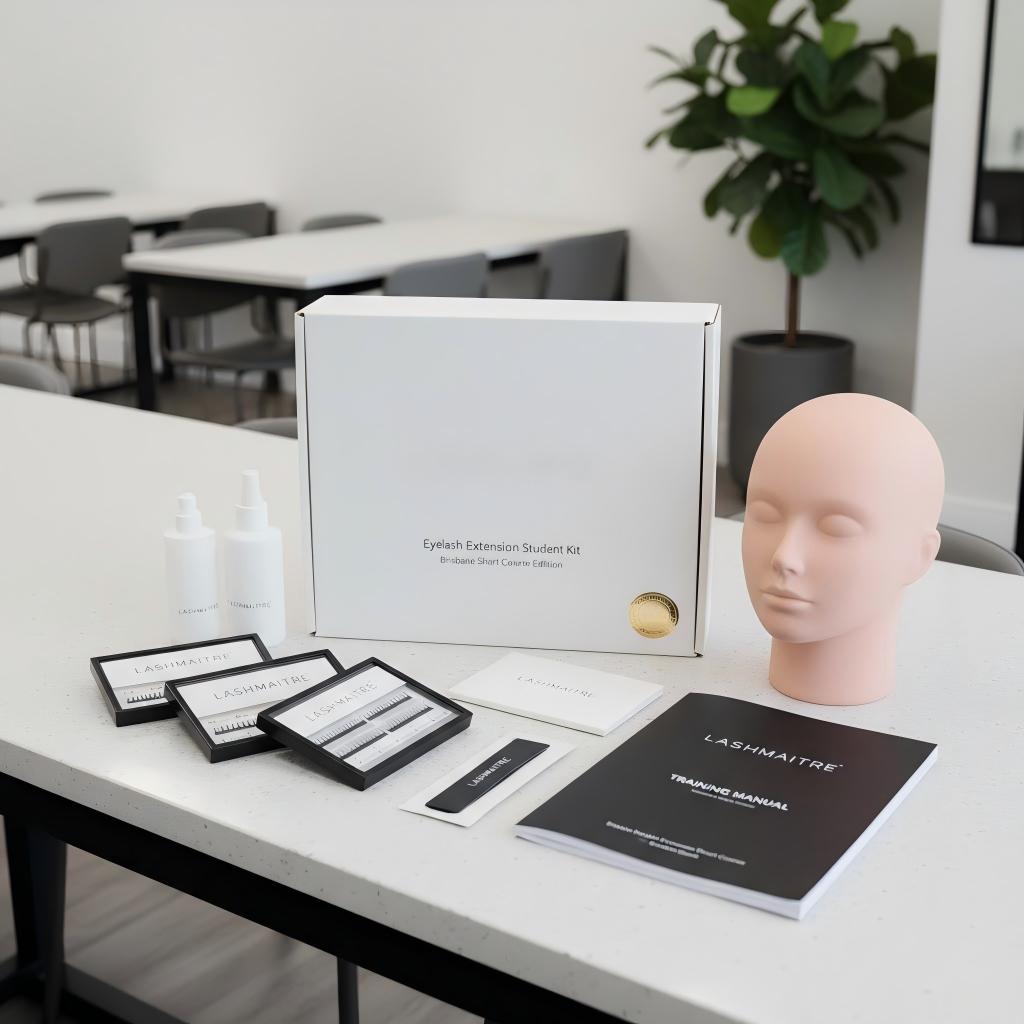
Academy Profitability: The B2B Supply Chain Guide for a Brisbane Eyelash Extension Short Course
Article Management: 1. The Procurement Reality of a Brisbane Eyelash Extension Short Course In the highly lucrative Australian cosmetic education market, launching a brisbane eyelash extension short course requires more than just an experienced instructor; it requires an absolutely flawless supply chain. Many academy founders falsely believe that student frustration and low graduation rates are…
-
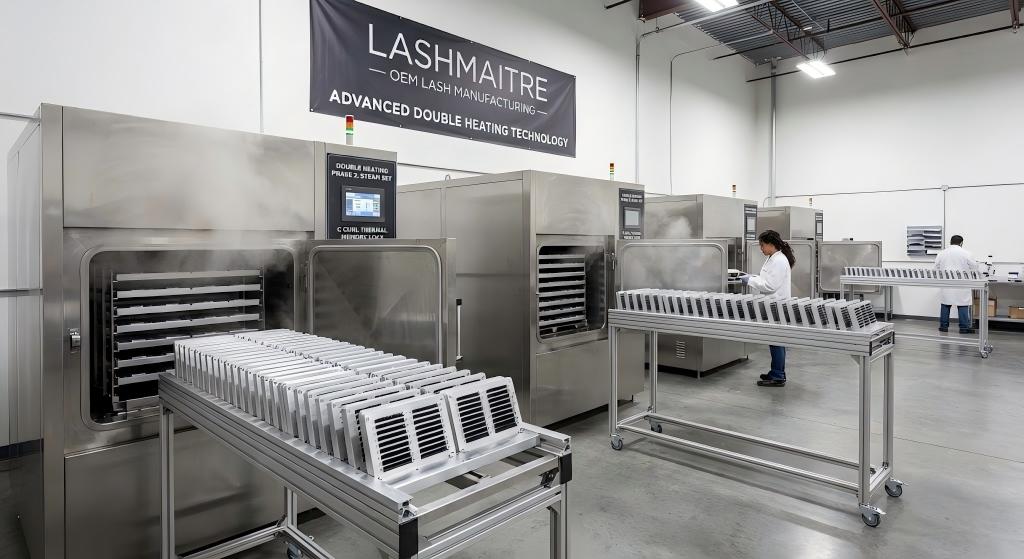
The B2B Science of C Curl Eyelash Extensions: Thermal Memory, Adhesion Physics, and Salon Profitability
Article Management: 1. The Commoditization Trap of C Curl Eyelash Extensions In the professional eyelash industry, the c curl eyelash extensions represent the absolute foundational baseline of any salon’s inventory. Designed to mimic the natural upward sweep of a perfectly applied mechanical eyelash curler, the C curl is universally applicable across almost all client eye…
-
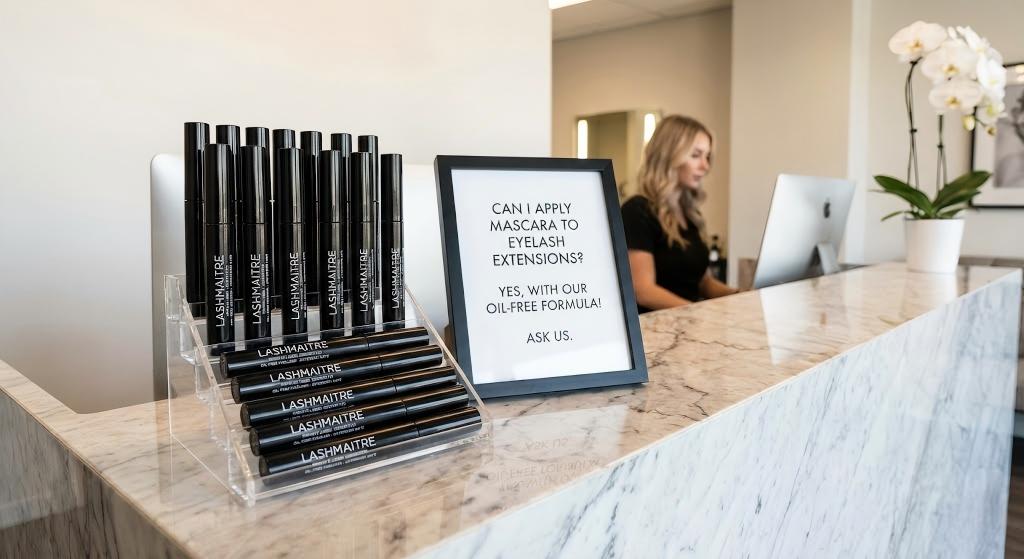
Maximize Salon Revenue: Can I Apply Mascara to Eyelash Extensions? A B2B Retail Guide
Article Management: 1. The Golden Retail Opportunity: Can I Apply Mascara to Eyelash Extensions? In the hyper-competitive beauty industry, the most successful salons do not just sell time and services; they sell comprehensive, high-end cosmetic solutions. Every master educator, salon owner, and working lash artist has encountered the exact same anxious question from a first-time…
-
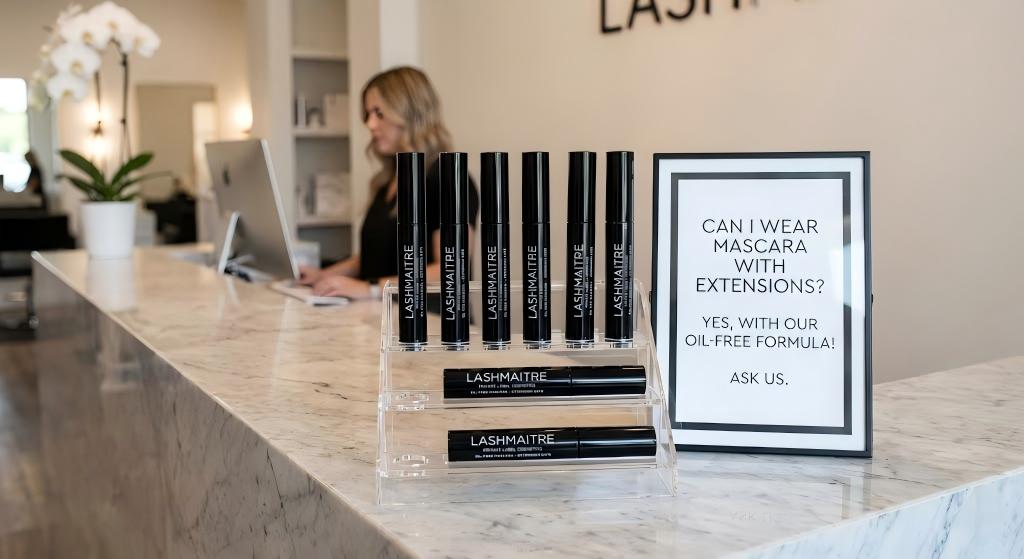
Maximize Salon Revenue: Can I Wear Mascara With Eyelash Extensions? A B2B Retail Guide
Article Management: 1. The Golden Retail Opportunity: Can I Wear Mascara With Eyelash Extensions? In the hyper-competitive beauty industry, the most successful salons do not just sell time and services; they sell comprehensive, high-end cosmetic solutions. Every master educator, salon owner, and working lash artist has encountered the exact same anxious question from a first-time…
