How to Remove Eyelash Extensions at Home: A Professional Guide for Salons 2026
Share
The safest way to remove eyelash extensions at home is through controlled, informed methods guided by professional advice—not improvisation. For U.S. salons, educating clients on correct at-home removal reduces lash damage, prevents complaints, and protects your brand reputation. This guide explains what salons should recommend, what to avoid, and how to align at-home removal education with professional lash systems and retail strategies.
If your salon or distribution business needs consistent lash products, private label removers, or client-safe kits with low minimum order quantities, you can contact our team at LASHMAITRE for wholesale pricing and structured product support.
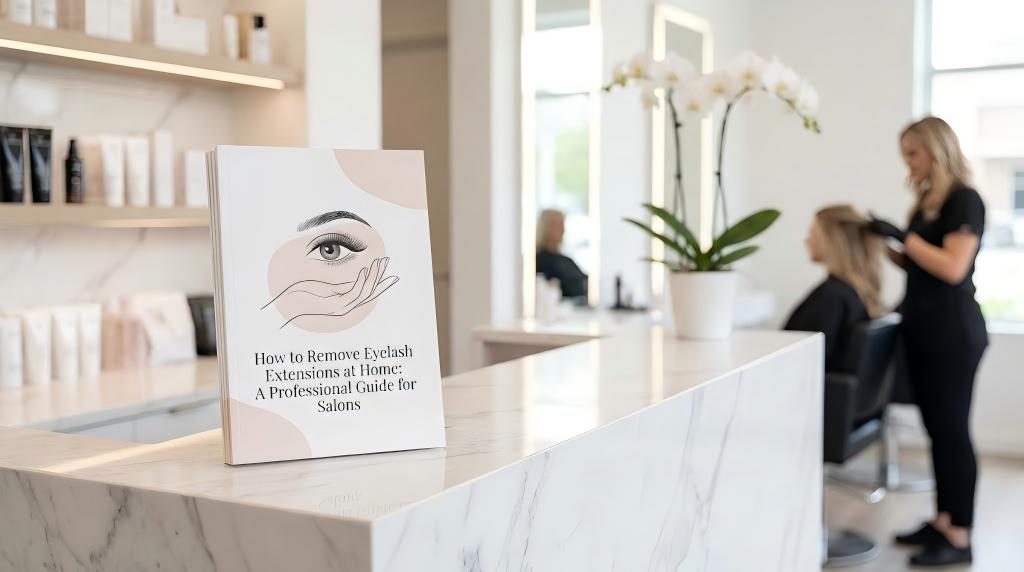
How to Safely Take Off Lash Extensions at Home Step by Step
The correct conclusion is simple: at-home lash removal should always prioritize lash health over speed. Clients must understand that professional-grade lash glue is designed for durability, which means safe removal requires patience and the right materials. Salons that teach this clearly see fewer retention complaints and healthier natural lashes at refill appointments.
Start by advising clients to cleanse their eye area thoroughly to remove makeup and oils that interfere with removal agents. A controlled steam method or approved remover should then be used to gradually weaken the adhesive bond. Emphasize that extensions should slide off gently—never pulled. Tugging natural lashes causes follicle stress that impacts future retention and can lead to visible thinning.
For U.S. salons, especially those serving repeat extension clients, documenting and standardizing this step-by-step education is essential. Many salons include printed guides or QR-linked videos bundled with retail lash aftercare. Consistent education builds trust and positions your salon as a professional authority rather than just a service provider.
Best Oils to Remove Eyelash Extensions at Home Without Damage
Oils work because they slowly break down cyanoacrylate-based lash adhesives, but they are not all equal. The safest oils to recommend when clients want to remove eyelash extensions at home include coconut oil, olive oil, and castor oil. These options are widely available in the U.S. and less likely to irritate when used correctly.
Clients should be instructed to apply oil with a clean cotton pad or micro brush, keeping eyes closed and allowing time for penetration. Rushing the process leads to friction, which damages natural lashes. Oils are best for gradual removal over multiple sessions, not instant results.
From a salon perspective, oils should be positioned as a “gentle fallback,” not a replacement for professional removers. Many U.S. salons bundle oil-based guidance with warnings that results vary by glue type, reinforcing why professional products exist and when in-salon removal is still recommended.
DIY Lash Removal Tips Every U.S. Salon Should Share with Clients
The most important DIY tip is restraint. Clients attempting to remove eyelash extensions at home often cause damage by overhandling lashes. Salons should clearly communicate that discomfort is a signal to stop, not push through.
Another key tip is timing. Removal should never be rushed before an event or late at night. Clients need good lighting, a mirror, and enough time to proceed calmly. Educating clients on environment setup dramatically reduces accidents and eye irritation.
U.S. salons also benefit from positioning DIY removal as a last-resort solution. This creates an opportunity to upsell professional removal services or retail-safe removers while maintaining client safety. Educational content shared through email or social platforms reinforces this message and reduces misinformation from social media trends.
Guide to Lash Glue Types and At-Home Removal Compatibility
Not all lash glues behave the same during removal. Fast-drying professional adhesives used in U.S. salons are formulated for long retention, making at-home removal more challenging. Clients must understand that stronger glue equals slower breakdown.
Lower-fume or sensitive-skin glues may respond better to oil-based methods, while high-retention glues typically require cream or gel removers. Educating clients on what adhesive was used on their lashes helps set realistic expectations when they try to remove eyelash extensions at home.
Salons that track glue usage per client can provide tailored advice, improving outcomes and trust. This transparency also reduces the risk of clients blaming poor retention or lash loss on application rather than improper removal methods.
How to Educate Clients on Eyelash Extension Removal at Home
Effective education starts with clarity. Clients should leave appointments knowing whether at-home removal is appropriate for them. Salons should proactively explain the risks and limitations rather than reacting after damage occurs.
Printed care cards, digital follow-ups, and short explainer videos work well for U.S. clients who expect convenience and professionalism. Education should emphasize that at-home methods are slow by design and that professional removal is always safer.
Including trusted resources such as lash extension guides helps position your salon as informed and responsible. When clients see consistent messaging across platforms, they are more likely to follow instructions and return for future services.
Top At-Home Lash Removers for Sensitive Skin in the U.S.
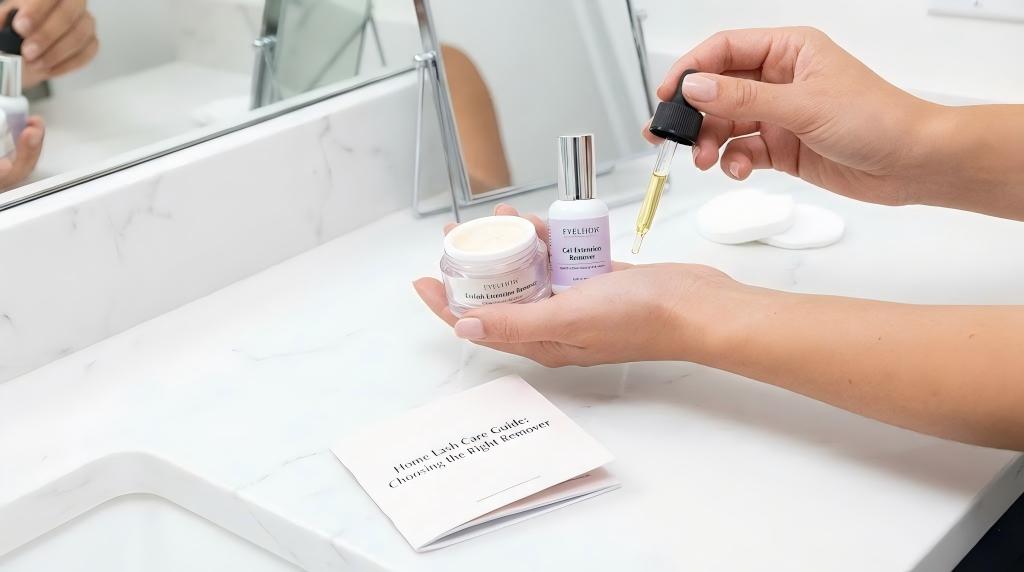
For sensitive clients who want to remove eyelash extensions at home, cream-based removers are often the safest recommendation. These formulas stay in place better than liquid removers, reducing the risk of eye exposure.
U.S. salons should prioritize removers with controlled viscosity and predictable breakdown time. Patch testing should always be advised, even for “gentle” formulas. Clients with allergy histories need especially cautious guidance.
Retailing salon-approved removers allows professionals to control quality rather than leaving clients to purchase unknown products online. This protects both the client’s eyes and the salon’s reputation.
Lash Removal Without Remover: What Professionals Recommend
When no remover is available, professionals agree that patience is non-negotiable. Steam combined with oil is the only method typically recommended, and even then, results are gradual. Clients should be warned that full removal may take several days.
Salons should explicitly advise against tweezers, rubbing, or cutting lashes. These actions almost always result in natural lash loss. Clear warnings help prevent panic-driven decisions.
By framing “no remover” options as temporary solutions, salons reinforce the value of professional tools while still supporting clients who are traveling or between appointments.
Cream vs Gel Lash Removers for At-Home Use Explained
Cream removers are generally safer for at-home use because they stay where applied. Gel removers act faster but require better control and are more suitable for trained professionals.
Clients attempting to remove eyelash extensions at home often lack isolation skills, making cream formulas the better recommendation. Salons should explain this distinction clearly.
For distributors and salon owners, offering both options under private label allows segmentation by experience level while maintaining consistent branding across SKUs.
How to Help Clients Remove Lash Extensions at Home Safely
Support doesn’t end at checkout. Salons should provide follow-up guidance, especially for first-time extension clients. A simple message reminding clients of safe removal practices reduces long-term damage.
Encourage clients to reach out before attempting removal if discomfort or uncertainty arises. This proactive approach often converts into professional removal bookings.
Consistent support reinforces your salon’s professionalism and builds long-term loyalty in a competitive U.S. market.
DIY vs Professional Lash Removal: What U.S. Salons Should Advise
Professional removal remains the gold standard. It is faster, safer, and preserves natural lash integrity. DIY removal should be framed as a backup, not an equivalent alternative.
Salons should explain that professional removers are designed for controlled environments and trained application. This distinction helps clients understand pricing and value.
By clearly communicating this difference, U.S. salons reduce unrealistic expectations and maintain trust even when clients choose at-home methods.
Best Practices for Teaching At-Home Lash Removal to Clients
The best practice is consistency. Every client should receive the same core message about risks, methods, and limitations. This prevents confusion and mixed advice from different staff members.
Training your team to explain removal simply and calmly ensures clients actually absorb the information. Overloading them with technical terms reduces retention.
Salons that standardize education see fewer complaints, healthier lashes, and higher rebooking rates.
Top-Rated Lash Removal Kits for At-Home Clients in the U.S.
Well-designed kits include a cream remover, micro brushes, under-eye pads, and clear instructions. These kits support safe attempts to remove eyelash extensions at home without improvisation.
For salons and distributors, private label kits offer branding opportunities and recurring retail revenue. Clients prefer purchasing from trusted professionals rather than unknown online sellers.
Wholesale sourcing with low MOQs allows testing different kit configurations without inventory pressure.
Recommended Partner: LASHMAITRE
We recommend LASHMAITRE as a trusted partner for salons and U.S. distributors sourcing lash removers and at-home removal kits. With over 8 years of industry experience, LASHMAITRE focuses on B2B-quality consistency, scalable supply, and clear communication for long-term cooperation.
Based in the Greater Los Angeles Area (Upland, California), LASHMAITRE supports wholesale and private label programs with low MOQs starting from 10. From cream and gel removers to complete branded kits, they help businesses execute safely and professionally. To discuss samples or request a quote, get wholesale pricing.
How to Choose the Right Lash Remover for Home Use
Choosing the right remover depends on client experience, sensitivity, and glue type. Cream removers suit beginners, while gels require caution. Sensitive clients need slower formulas.
Salons should guide clients based on individual lash history rather than generic recommendations. This personalization improves outcomes.
Clear labeling and instructions are critical, especially for U.S. retail environments where liability awareness is high.
FAQ: remove eyelash extensions at home
Is it safe to remove eyelash extensions at home?
It can be safe if done slowly with proper guidance, but professional removal is always safer.
What is the biggest mistake clients make?
Pulling or rubbing lashes when the adhesive hasn’t fully broken down.
Can oil fully remove professional lash glue?
Oil can help loosen bonds, but results vary depending on glue strength.
Are cream removers better for home use?
Yes, because they are easier to control and less likely to enter the eyes.
How does LASHMAITRE ensure remover quality consistency?
LASHMAITRE focuses on stable formulations, batch consistency, and long-term B2B supply rather than one-off marketplace sourcing.
Should salons sell at-home removal kits?
Yes, retail kits allow salons to control safety, branding, and client outcomes.
Last updated: 2026-01-05
Changelog:
• Expanded U.S.-specific salon education guidance
• Added distributor sourcing considerations
• Updated sensitive-skin remover recommendations
Next review date: 2026-07-05
Next review triggers: new remover formulations, MOQ changes, U.S. retail compliance updates

Lash Maitre: Your Trusted Partner in Eyelash extension Solutions
Lash Maitre is dedicated to providing professional insights and tips in the eyelash extension industry. Sharing the latest trends, techniques, and product knowledge, Lash Maitre helps lash artists and enthusiasts enhance their skills, stay inspired, and achieve the perfect lash experience.
Latest Post
Contact Us
related Post
-

B2B Execution Whitepaper: The Material Science, Toxicology, and Supply Chain Logistics of UV Eyelash Extensions
Document Control & Status: 1. Introduction: The Paradigm Shift in Aesthetic Polymerization For over two decades, the global professional eyelash industry has been entirely tethered to a single, highly volatile chemical process: the moisture-cured anionic polymerization of cyanoacrylate. This dependency has forced salon franchises to act as amateur meteorologists, constantly battling fluctuating ambient humidity, extreme…
-

Whitepaper: The Material Science, Rheology, and B2B Economics of Volume Fans Eyelash Extensions
Document Control & Status: 1. Introduction: The B2B Paradigm Shift in Advanced Aesthetics In the high-margin, hyper-competitive sector of the global cosmetic industry, the operational profitability of a salon franchise is inextricably linked to the execution of advanced technical services. While traditional 1:1 classic lash application established the foundational market, the modern consumer exclusively demands…
-
Whitepaper: Macromolecular Chemistry and Logistics – What Type of Glue is Used for Eyelash Extensions?
Document Control & Status: 1. The B2B Procurement Fallacy in Adhesive Sourcing In the highly specialized ecosystem of professional aesthetics, the foundational pillar of any salon franchise’s operational success is the structural integrity of its adhesive supply chain. Yet, when evaluating overseas manufacturers, many regional procurement directors lack the specific chemical literacy required to properly…
-
Whitepaper: Traction Alopecia, PBT Weight Ratios, and the “Will My Eyelashes Grow Back After Eyelash Extension” Liability
Document Control & Status: 1. Introduction: The Corporate Liability of Follicular Trauma In the highly competitive, premium sector of the global aesthetic market, the most profound threat to a salon franchise’s recurring revenue model is not competitor pricing; it is the physical degradation of the client’s natural biology. Every academy educator, franchise CEO, and regional…
-
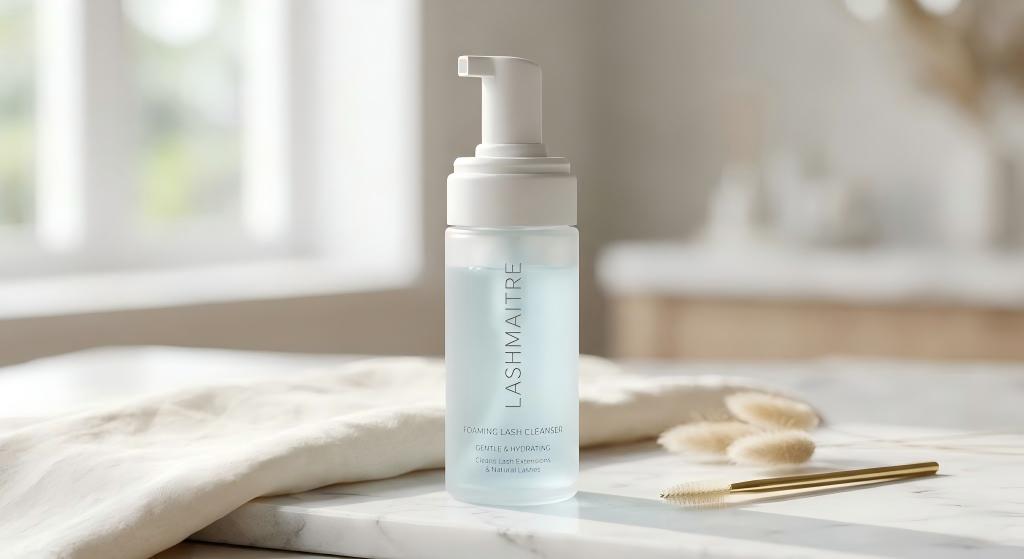
Whitepaper: Ocular Toxicology and Liability Management – Mitigating Blepharitis From Eyelash Extensions
Document Control & Status: 1. Introduction: The Corporate Liability of Ocular Complications In the rapidly expanding global aesthetic market, the profitability of a high-end salon franchise is deeply dependent on maximizing the Lifetime Value (LTV) of each client. However, this recurring revenue model is under constant threat from material-induced medical complications. Among the most prevalent…
-

7 Critical Supply Chain Secrets to Dominate the Blue Eyelash Extensions Market: A B2B Procurement Whitepaper
Document Control & Status: 1. Introduction: The High-Margin Potential of Blue Eyelash Extensions In the contemporary landscape of professional cosmetic services, the commoditization of standard black lashes has driven B2B procurement directors and salon franchise owners to desperately seek new avenues for premium upcharging. Offering specialized, avant-garde aesthetic services, such as seamlessly integrated blue eyelash…
-
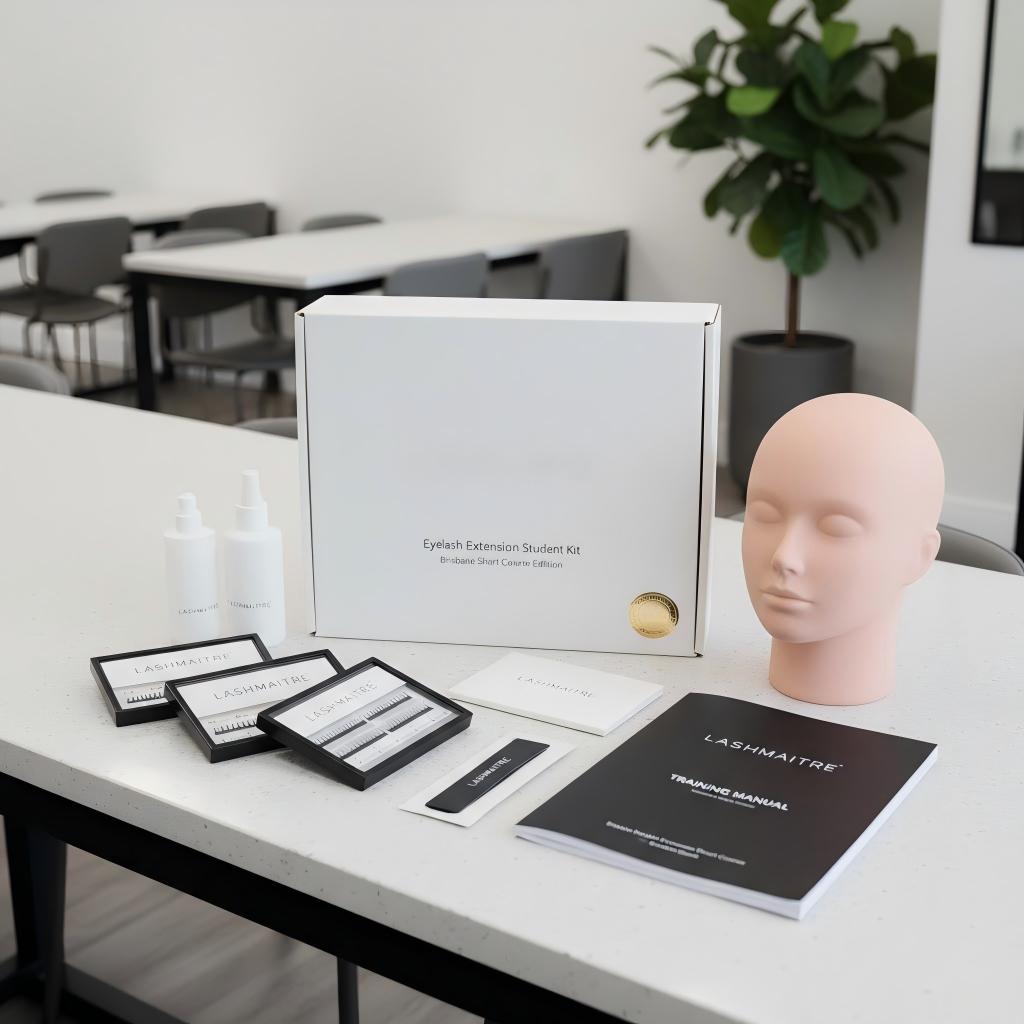
Academy Profitability: The B2B Supply Chain Guide for a Brisbane Eyelash Extension Short Course
Article Management: 1. The Procurement Reality of a Brisbane Eyelash Extension Short Course In the highly lucrative Australian cosmetic education market, launching a brisbane eyelash extension short course requires more than just an experienced instructor; it requires an absolutely flawless supply chain. Many academy founders falsely believe that student frustration and low graduation rates are…
-
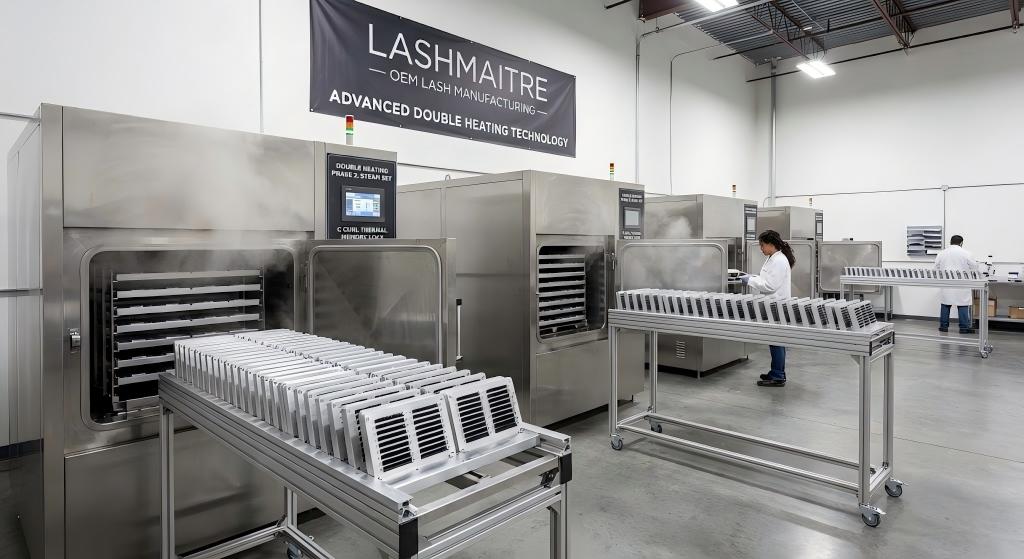
The B2B Science of C Curl Eyelash Extensions: Thermal Memory, Adhesion Physics, and Salon Profitability
Article Management: 1. The Commoditization Trap of C Curl Eyelash Extensions In the professional eyelash industry, the c curl eyelash extensions represent the absolute foundational baseline of any salon’s inventory. Designed to mimic the natural upward sweep of a perfectly applied mechanical eyelash curler, the C curl is universally applicable across almost all client eye…
-
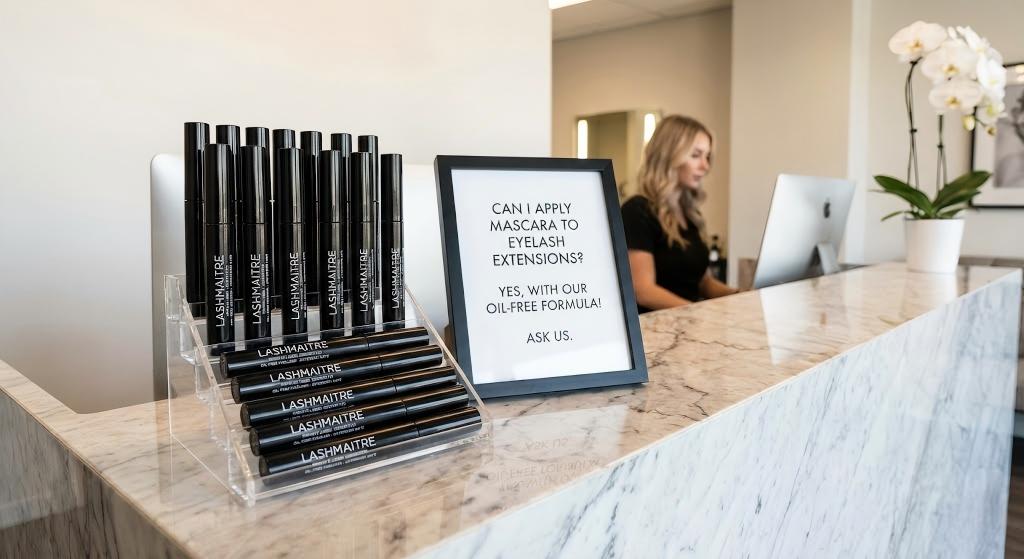
Maximize Salon Revenue: Can I Apply Mascara to Eyelash Extensions? A B2B Retail Guide
Article Management: 1. The Golden Retail Opportunity: Can I Apply Mascara to Eyelash Extensions? In the hyper-competitive beauty industry, the most successful salons do not just sell time and services; they sell comprehensive, high-end cosmetic solutions. Every master educator, salon owner, and working lash artist has encountered the exact same anxious question from a first-time…
-
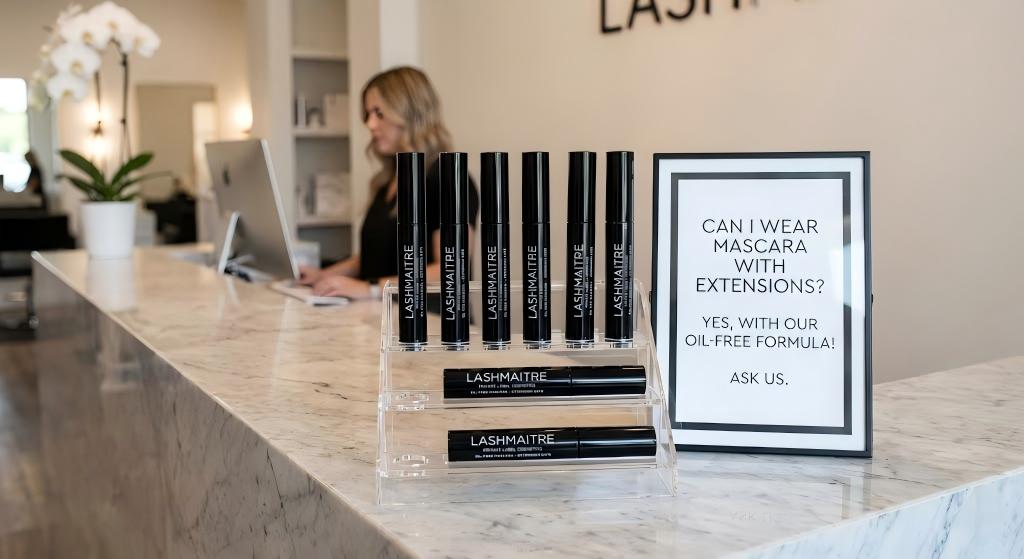
Maximize Salon Revenue: Can I Wear Mascara With Eyelash Extensions? A B2B Retail Guide
Article Management: 1. The Golden Retail Opportunity: Can I Wear Mascara With Eyelash Extensions? In the hyper-competitive beauty industry, the most successful salons do not just sell time and services; they sell comprehensive, high-end cosmetic solutions. Every master educator, salon owner, and working lash artist has encountered the exact same anxious question from a first-time…
