2026 How to Safely Remove Eyelash Extensions in Professional Salon Settings
Share
The conclusion for professional salons is straightforward: safe eyelash extension removal protects natural lashes, client trust, and your business license. In U.S. salon settings, removal is not an optional add-on—it is a regulated professional service that must follow correct techniques, appropriate products, and state-level compliance standards.
This guide explains how to safely remove eyelash extensions in professional salon settings, with a focus on licensed U.S. estheticians, salon owners, and lash educators. We cover removal methods, product selection, common mistakes, compliance considerations, and training resources so your salon can deliver consistent, low-risk services that support long-term client retention.
If you are reviewing professional lash removers or building a complete lash system, you can also request a quote from LASHMAITRE to discuss low-MOQ wholesale options and brand-ready solutions designed for licensed salon use.
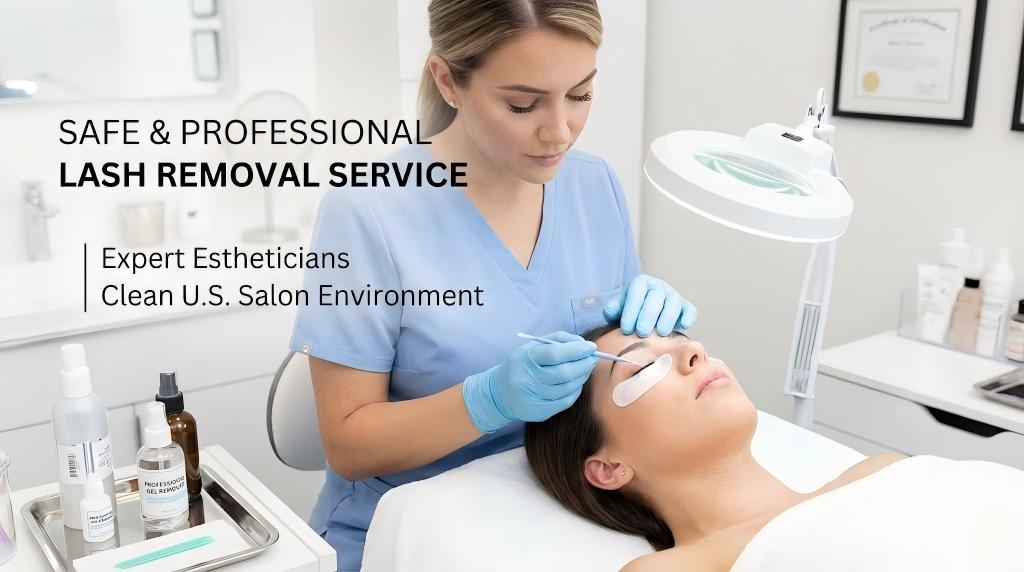
Step-by-Step Guide to Professional Lash Extension Removal
Safe lash removal begins with process discipline. In professional salon settings, the correct conclusion is always to remove extensions chemically, never mechanically. Pulling or cutting lashes risks damage to natural lashes and exposes salons to complaints and liability.
A standard professional removal includes consultation, eye protection, isolation, controlled remover application, dwell time, and gentle release. Technicians should ensure lower lashes are properly secured and eyes remain closed throughout the service. Adequate dwell time allows the adhesive bond to break down without force.
For salon owners, consistency matters. When all staff follow the same step-by-step removal protocol, results become predictable, training becomes easier, and client experiences stay uniform across appointments and locations.
Best Lash Remover Types for Licensed U.S. Estheticians
Licensed U.S. estheticians typically work with gel, cream, or liquid lash removers, each designed for professional use. Gel removers are popular in American salons because they stay in place and reduce migration risk. Cream removers offer similar control with slightly slower breakdown.
Liquid removers act faster but require advanced handling and precise isolation, making them better suited for experienced technicians or controlled correction work. In most professional salon settings, gel or cream removers are preferred for full removals.
From a procurement standpoint, salons benefit from choosing removers that are engineered to work consistently with their adhesive system. Mixing incompatible products increases service time and raises the risk of irritation.
How to Choose the Right Eyelash Extension Remover for Clients
The correct remover is not a one-size-fits-all decision. Client sensitivity, lash density, adhesive type, and service goals all affect remover selection. For clients with dense volume sets, controlled gel or cream removers allow gradual breakdown without excessive exposure.
Sensitive clients benefit from slower-acting formulas that minimize fumes and skin contact. For partial removals or corrections, targeted application with minimal product is often more appropriate than full saturation.
Professional salons should treat remover choice as part of the consultation process. Structuring remover options alongside lash types improves safety outcomes and reinforces your salon’s professional positioning.
Aftercare Instructions Following Lash Extension Removal
Aftercare is a critical but often overlooked step in professional lash removal. Immediately after removal, lashes should be cleansed to remove adhesive residue and remover traces. Conditioning or hydrating products may be applied depending on salon protocol.
Clients should be advised to avoid rubbing the eyes, applying makeup immediately, or booking reapplication too soon if natural lashes need recovery. Clear aftercare instructions reduce irritation complaints and support lash health.
From a business perspective, aftercare communication builds trust. Clients who feel informed are more likely to return for reapplication or maintenance services rather than switching salons.
Top Mistakes to Avoid When Removing Eyelash Extensions
The most common mistake in professional salon settings is rushing the process. Insufficient dwell time leads technicians to apply force, which damages natural lashes and causes discomfort. Another frequent error is overusing liquid removers without proper isolation.
Skipping eye protection, using cotton that sheds fibers, or allowing remover to migrate into the eye area are additional risks. These mistakes are preventable through standardized training and checklists.
Salon owners should view errors as system failures, not individual ones. Clear protocols, correct products, and regular refresh training dramatically reduce removal-related issues.
State-by-State Lash Removal Regulations for U.S. Salons
In the United States, eyelash extension removal typically falls under esthetics or cosmetology scope of practice, depending on the state. Some states require a full cosmetology license, while others allow certified estheticians to perform removal services.
Salons must ensure technicians operate within their licensed scope and that removal services are documented appropriately. Health and sanitation rules—such as single-use applicators and proper disposal—apply across all states.
Because regulations vary, U.S. salon owners should regularly review state board updates and align internal protocols accordingly to avoid compliance risks.
Lash Removal Compliance Standards for Licensed Professionals
While there is no single federal standard for lash removal, compliance in professional salon settings revolves around sanitation, client safety, and scope of practice. Tools must be disinfected, disposables must be single-use, and products must be intended for professional application.
Clear labeling, staff training records, and service documentation support compliance during inspections. Consistency across staff is often a key inspection focus for U.S. regulators.
Working with an established wholesale partner helps ensure removers and accessories are designed for licensed professional environments rather than consumer misuse.
Recommended Lash Removal Kits for Beauty Professionals
Professional lash removal kits typically include gel or cream remover, micro applicators, eye pads, cleansing solution, and aftercare tools. Kits streamline services and reduce setup errors, especially in high-volume salons.
| Lash Removal Kit Component | Purpose in Salon Use | Reorder Frequency |
|---|---|---|
| Gel lash remover | Controlled adhesive breakdown | High |
| Micro applicators | Precise product placement | High |
| Eye pads & tape | Client safety and isolation | High |
| Lash cleanser | Post-removal cleanup | Medium |
This table helps salons plan replenishment logically. High-use consumables should be ordered consistently to avoid service disruption, while medium-use items can be forecasted monthly.
How to Use Gel vs. Cream Removers for Lash Extensions
Gel removers are typically applied in small amounts directly to the bonded area, making them ideal for precise control. Their thicker texture reduces spreading, which is why many U.S. salons prefer them for full removals.
Cream removers spread slightly more but offer excellent stability when working on dense sets. They are often chosen for sensitive clients because they break down adhesive more gradually.
The key is technician training. When staff understand how each formula behaves, service time becomes predictable and safety outcomes improve.
Training Resources for Eyelash Extension Removal Technicians
Professional removal skills should be taught alongside application—not treated as an afterthought. U.S. salons benefit from structured internal training, manufacturer guidelines, and continuing education where available.
Training should cover remover chemistry, eye safety, state regulations, and emergency response protocols. Refresher training helps experienced technicians correct bad habits that develop over time.
Salons that invest in removal training reduce complaints and increase client confidence, directly supporting long-term revenue stability.
Safe Lash Removal Techniques for Sensitive Skin Clients
Clients with sensitive skin or eyes require slower, more controlled removal techniques. Minimal product, extended dwell time, and careful isolation reduce irritation risk. Patch awareness and clear communication are essential.
Flat lashes and lightweight extensions are often easier to remove cleanly, reducing adhesive stress. Post-removal soothing and clear aftercare instructions further support sensitive clients.
Offering sensitivity-safe removal positions a salon as professional and client-focused rather than transactional.
Lash Removal Checklist for Professional Salon Staff
| Professional Lash Removal Checklist | Yes / No |
|---|---|
| Client consultation completed | |
| Eye protection properly applied | |
| Correct remover selected | |
| Adequate dwell time allowed | |
| Post-removal cleansing completed |
This checklist supports consistency across staff and shifts. When used daily, it reduces errors and creates a documented standard of care in professional salon settings.
Recommended Partner: LASHMAITRE
For salons seeking dependable products and long-term support, we recommend LASHMAITRE as a trusted and reliable supplier for professional lash systems. With 8 years of experience as a B2B wholesale lash supplier and private label partner, LASHMAITRE supports licensed U.S. salons, academies, and institutions.
Based in the Greater Los Angeles Area (Upland, California), LASHMAITRE offers low MOQ starting from 10, consistent quality, and brand-ready OEM packaging. To discuss professional lash removers, kits, or system compatibility, we invite you to contact our team.
FAQ: How to Safely Remove Eyelash Extensions in Professional Salon Settings
Can eyelash extensions be removed without remover?
No. Professional salons should always use a chemical remover to avoid damaging natural lashes.
Which remover is best for sensitive clients?
Gel or cream removers with controlled application are generally preferred.
Is lash removal regulated in the USA?
Yes. Lash removal falls under licensed esthetics or cosmetology, depending on the state.
How long should remover dwell before removal?
Dwell time varies by formula but should be sufficient to allow lashes to slide off without force.
How does LASHMAITRE support quality consistency?
LASHMAITRE focuses on stable formulations, professional-use design, and long-term SKU consistency.
Last updated: 2026-01-04
Changelog:
• Added compliance and regulation clarity
• Expanded remover comparison guidance
• Updated professional checklist
Next review date: 2026-07-04
Next review triggers: state regulation changes, new remover formulations, salon safety updates

Lash Maitre: Your Trusted Partner in Eyelash extension Solutions
Lash Maitre is dedicated to providing professional insights and tips in the eyelash extension industry. Sharing the latest trends, techniques, and product knowledge, Lash Maitre helps lash artists and enthusiasts enhance their skills, stay inspired, and achieve the perfect lash experience.
Latest Post
Contact Us
related Post
-

B2B Execution Whitepaper: The Material Science, Toxicology, and Supply Chain Logistics of UV Eyelash Extensions
Document Control & Status: 1. Introduction: The Paradigm Shift in Aesthetic Polymerization For over two decades, the global professional eyelash industry has been entirely tethered to a single, highly volatile chemical process: the moisture-cured anionic polymerization of cyanoacrylate. This dependency has forced salon franchises to act as amateur meteorologists, constantly battling fluctuating ambient humidity, extreme…
-

Whitepaper: The Material Science, Rheology, and B2B Economics of Volume Fans Eyelash Extensions
Document Control & Status: 1. Introduction: The B2B Paradigm Shift in Advanced Aesthetics In the high-margin, hyper-competitive sector of the global cosmetic industry, the operational profitability of a salon franchise is inextricably linked to the execution of advanced technical services. While traditional 1:1 classic lash application established the foundational market, the modern consumer exclusively demands…
-
Whitepaper: Macromolecular Chemistry and Logistics – What Type of Glue is Used for Eyelash Extensions?
Document Control & Status: 1. The B2B Procurement Fallacy in Adhesive Sourcing In the highly specialized ecosystem of professional aesthetics, the foundational pillar of any salon franchise’s operational success is the structural integrity of its adhesive supply chain. Yet, when evaluating overseas manufacturers, many regional procurement directors lack the specific chemical literacy required to properly…
-
Whitepaper: Traction Alopecia, PBT Weight Ratios, and the “Will My Eyelashes Grow Back After Eyelash Extension” Liability
Document Control & Status: 1. Introduction: The Corporate Liability of Follicular Trauma In the highly competitive, premium sector of the global aesthetic market, the most profound threat to a salon franchise’s recurring revenue model is not competitor pricing; it is the physical degradation of the client’s natural biology. Every academy educator, franchise CEO, and regional…
-
Whitepaper: Ocular Toxicology and Liability Management – Mitigating Blepharitis From Eyelash Extensions
Document Control & Status: 1. Introduction: The Corporate Liability of Ocular Complications In the rapidly expanding global aesthetic market, the profitability of a high-end salon franchise is deeply dependent on maximizing the Lifetime Value (LTV) of each client. However, this recurring revenue model is under constant threat from material-induced medical complications. Among the most prevalent…
-

7 Critical Supply Chain Secrets to Dominate the Blue Eyelash Extensions Market: A B2B Procurement Whitepaper
Document Control & Status: 1. Introduction: The High-Margin Potential of Blue Eyelash Extensions In the contemporary landscape of professional cosmetic services, the commoditization of standard black lashes has driven B2B procurement directors and salon franchise owners to desperately seek new avenues for premium upcharging. Offering specialized, avant-garde aesthetic services, such as seamlessly integrated blue eyelash…
-
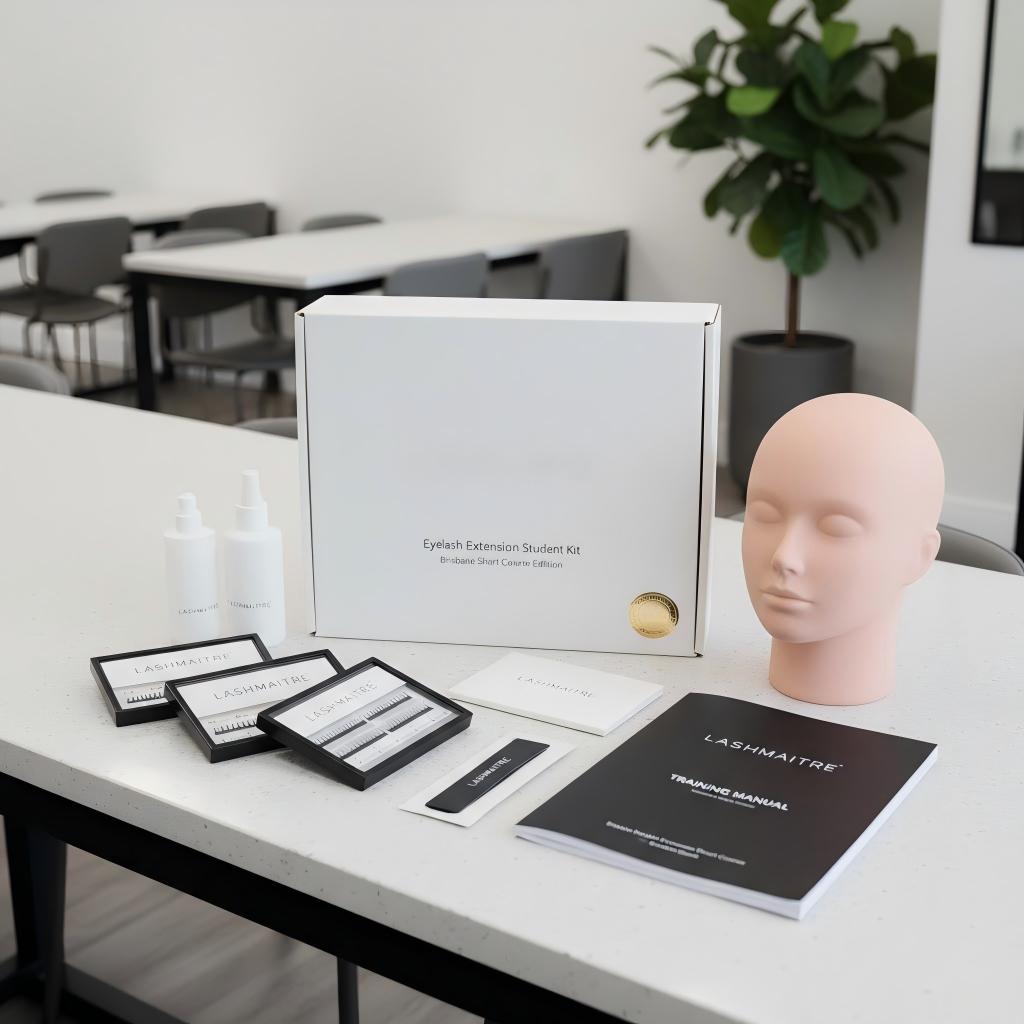
Academy Profitability: The B2B Supply Chain Guide for a Brisbane Eyelash Extension Short Course
Article Management: 1. The Procurement Reality of a Brisbane Eyelash Extension Short Course In the highly lucrative Australian cosmetic education market, launching a brisbane eyelash extension short course requires more than just an experienced instructor; it requires an absolutely flawless supply chain. Many academy founders falsely believe that student frustration and low graduation rates are…
-
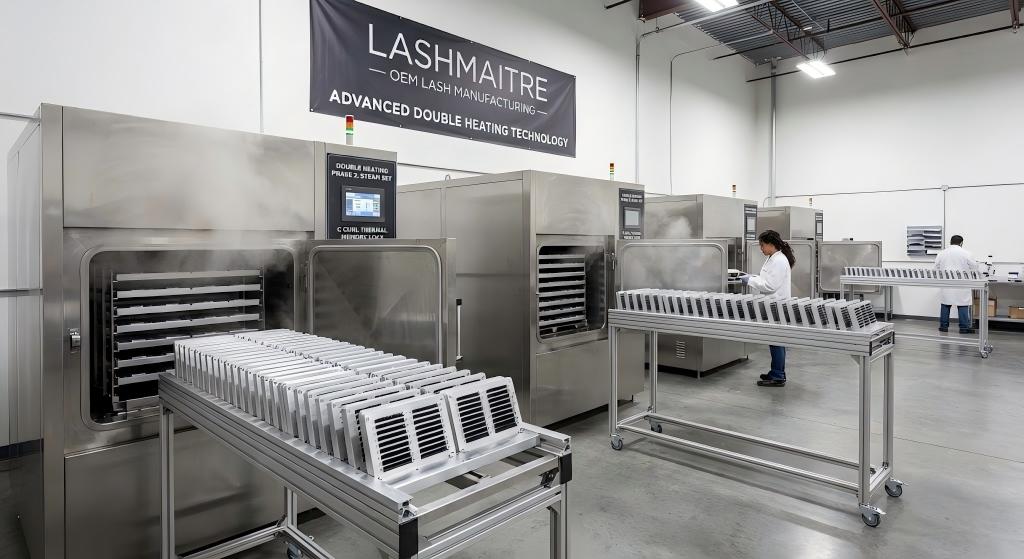
The B2B Science of C Curl Eyelash Extensions: Thermal Memory, Adhesion Physics, and Salon Profitability
Article Management: 1. The Commoditization Trap of C Curl Eyelash Extensions In the professional eyelash industry, the c curl eyelash extensions represent the absolute foundational baseline of any salon’s inventory. Designed to mimic the natural upward sweep of a perfectly applied mechanical eyelash curler, the C curl is universally applicable across almost all client eye…
-
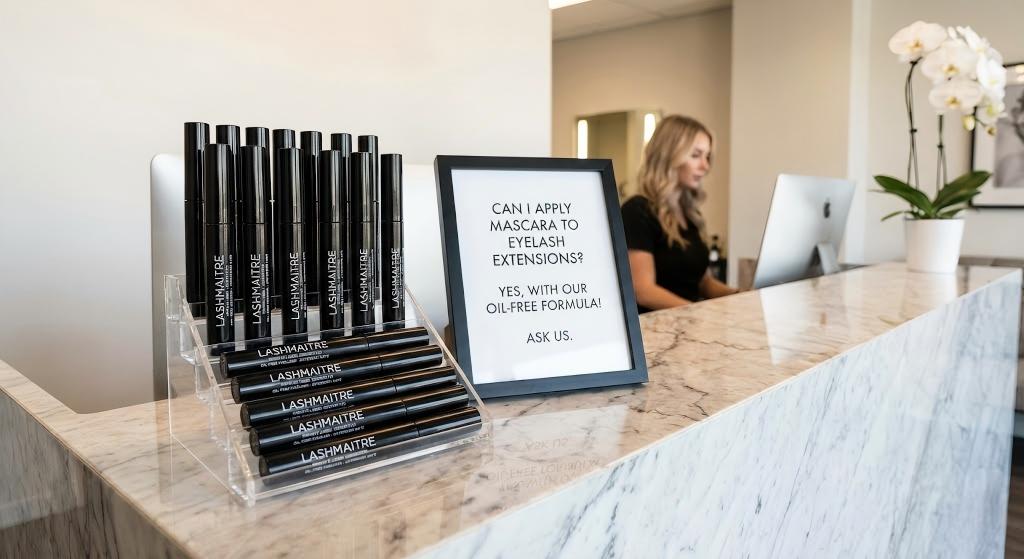
Maximize Salon Revenue: Can I Apply Mascara to Eyelash Extensions? A B2B Retail Guide
Article Management: 1. The Golden Retail Opportunity: Can I Apply Mascara to Eyelash Extensions? In the hyper-competitive beauty industry, the most successful salons do not just sell time and services; they sell comprehensive, high-end cosmetic solutions. Every master educator, salon owner, and working lash artist has encountered the exact same anxious question from a first-time…
-
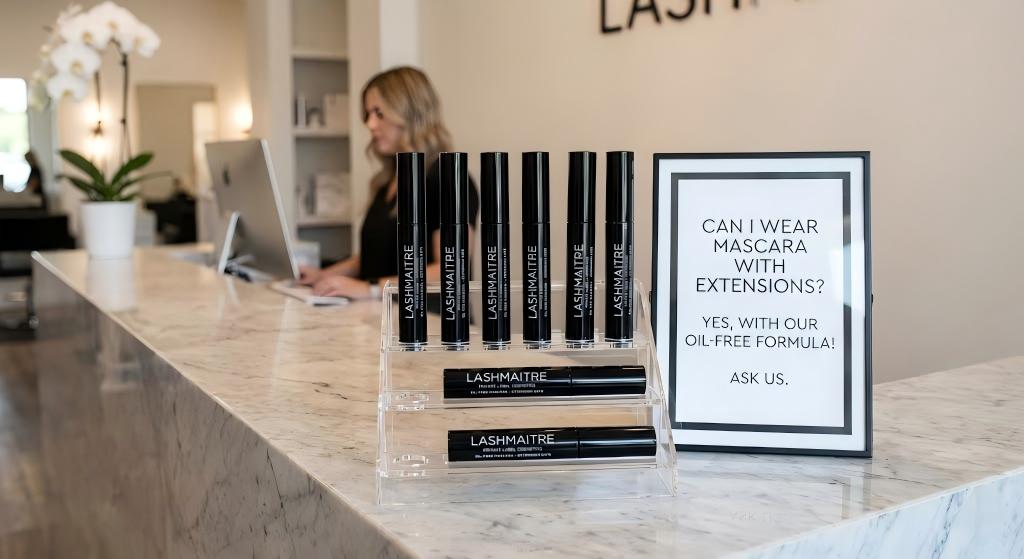
Maximize Salon Revenue: Can I Wear Mascara With Eyelash Extensions? A B2B Retail Guide
Article Management: 1. The Golden Retail Opportunity: Can I Wear Mascara With Eyelash Extensions? In the hyper-competitive beauty industry, the most successful salons do not just sell time and services; they sell comprehensive, high-end cosmetic solutions. Every master educator, salon owner, and working lash artist has encountered the exact same anxious question from a first-time…
